Peppers are easy to grow once the weather becomes warm, but they are slow at the beginning. Seeds can take two weeks to germinate, seedlings dislike cold soil, and young plants often stop growing if they are transplanted outdoors too early.
The most reliable strategy is to start peppers indoors eight to ten weeks before your last frost, give seedlings strong light and warm roots, harden them off gradually, then move them into the garden only when nights are consistently mild.
This guide explains how to grow peppers from seed to harvest, including seed starting, transplanting, spacing, watering, feeding, pollination, common pests, blossom-end rot, sunscald, and the best time to pick sweet and hot peppers.
Choose the Right Pepper Variety
Peppers belong to the genus Capsicum. Sweet bell peppers and many hot peppers are Capsicum annuum, while hotter types such as habaneros belong to other species.
| Type | Days to Maturity | Best Use |
|---|---|---|
| Bell pepper | 60–90 days | Fresh eating, cooking |
| Jalapeño | 65–80 days | Salsa, pickling |
| Cayenne | 70–90 days | Drying, spice |
| Habanero | 90–120 days | Hot sauces |
Choose varieties that match your growing season. Gardeners in short summers should select early-maturing peppers.
The Royal Horticultural Society vegetable-growing resources provide broad guidance on peppers and other home vegetables.
When to Start Pepper Seeds
Start seeds indoors eight to ten weeks before your last expected frost. Hot pepper varieties may benefit from ten to twelve weeks because they germinate and grow slowly.
For U.S. gardeners, use local frost records rather than hardiness zones alone. The USDA Plant Hardiness Zone Map describes winter minimum temperatures but does not predict spring frost dates.
Step 1: Germinate Seeds Warm
Pepper seeds germinate best at 24–29°C (75–85°F). Cool soil can delay germination for three weeks or more.
- Fill seed trays with moist seed-starting mix.
- Plant seeds 6 millimeters deep.
- Cover lightly.
- Water gently.
- Place on a heat mat set around 27°C.
- Keep the mix evenly moist.
Seeds usually sprout in 7 to 14 days under warm conditions.
Step 2: Provide Strong Light Immediately
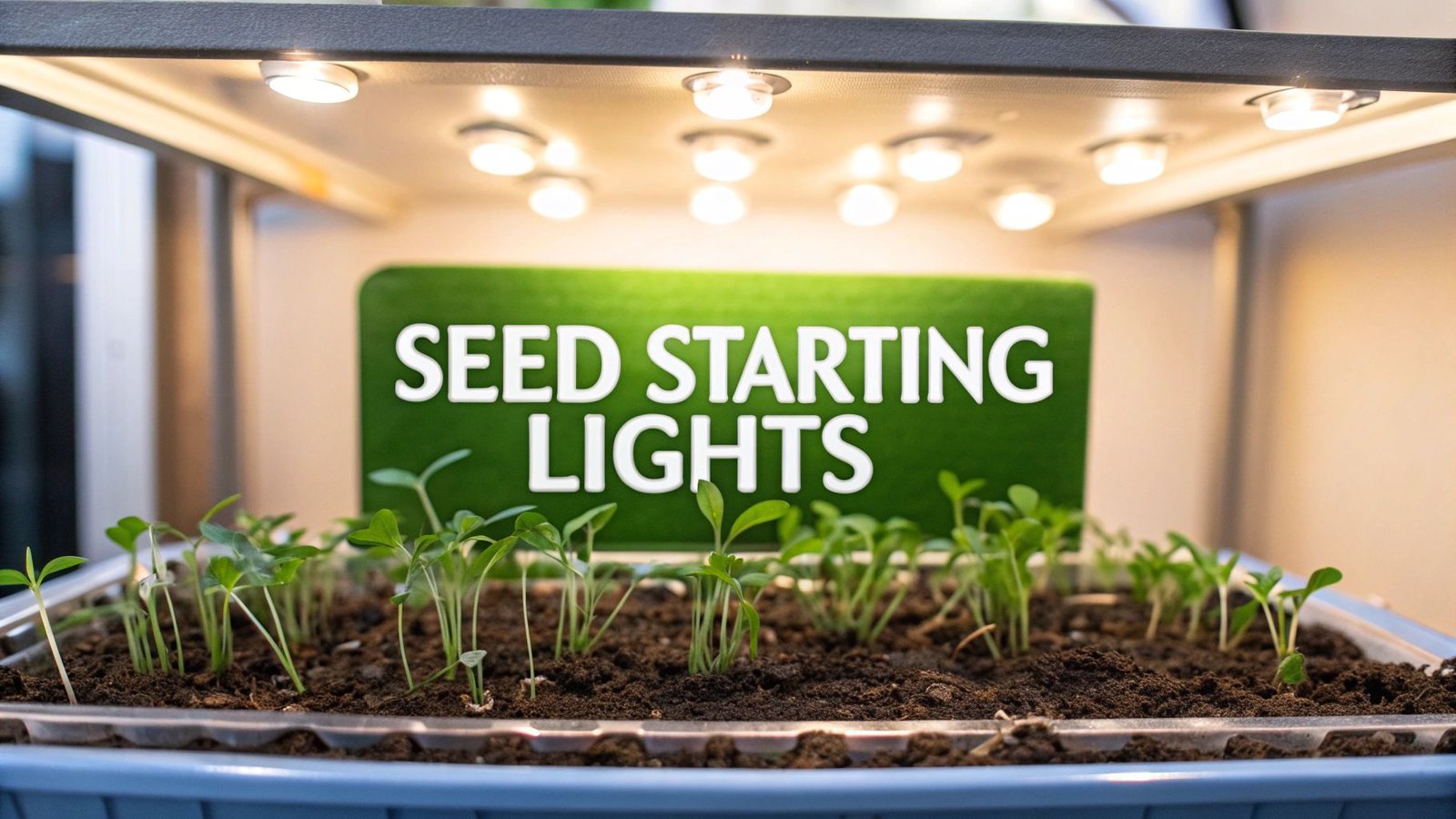
As soon as seedlings emerge, move them under grow lights. Weak light causes thin, leggy stems.
Keep lights 5 to 10 centimeters above seedlings, depending on the fixture, and provide 14 to 16 hours of light daily.
Raise lights as plants grow.
Step 3: Pot Up After True Leaves Appear
When seedlings develop two sets of true leaves, move them into 8- to 10-centimeter pots.
Use quality potting mix and handle seedlings by the leaves rather than the delicate stem.
Unlike tomatoes, peppers should not be buried deeply. Keep the same soil level around the stem.
Step 4: Harden Off Before Transplanting
Indoor seedlings need gradual exposure to outdoor sun and wind.
| Day | Exposure |
|---|---|
| 1–2 | 2 hours in shade |
| 3–4 | 4 hours with morning sun |
| 5–6 | 6 hours outdoors |
| 7–8 | Most of the day |
| 9–10 | Full outdoor conditions |
Bring plants inside if nights drop below 10°C (50°F).
When to Plant Peppers Outside
Wait until soil temperatures reach at least 18°C (65°F) and nighttime temperatures stay above 13°C (55°F).
Transplanting into cold soil causes peppers to stop growing for weeks.
Choose a sunny location with six to eight hours of direct light.
Prepare the Soil
Peppers prefer fertile, well-drained soil with a pH between 6.0 and 7.0.
- Loosen soil 20–30 centimeters deep.
- Add 5 centimeters of finished compost.
- Remove large stones.
- Check drainage after rain.
Do not add excessive manure or nitrogen fertilizer. Too much nitrogen creates leaves instead of fruit.
Spacing Pepper Plants
Space most pepper plants 40 to 50 centimeters apart in rows 60 to 90 centimeters apart.
Compact varieties can be closer. Large hot pepper plants may need 60 centimeters.
Good spacing improves airflow and makes harvesting easier.
Watering Peppers
Peppers need consistent moisture, especially during flowering and fruit development.
Water deeply when the top 3 to 5 centimeters of soil dry. Aim for 2.5 to 4 centimeters of water per week including rainfall.
Mulch with straw or shredded leaves to reduce evaporation.
Irregular watering causes blossom-end rot and cracked fruit.
Fertilizing Peppers
Start with compost-rich soil. When flowers appear, feed with a balanced vegetable fertilizer according to the label.
Avoid high-nitrogen lawn fertilizer. It produces large plants with few peppers.
For containers, use a liquid fertilizer every two weeks during active growth.
Why Pepper Flowers Fall Off
Flower drop is common during temperature extremes.
- Days above 32°C (90°F)
- Nights above 24°C (75°F)
- Nights below 13°C (55°F)
- Drought stress
- Excess nitrogen
Plants usually resume flowering when temperatures improve.
Do Peppers Need Hand Pollination?
Pepper flowers are self-pollinating. Wind and insects usually move enough pollen.
In greenhouses or indoors, gently shake flowering plants once a day or use an electric toothbrush against flower stems to release pollen.
Blossom-End Rot in Peppers
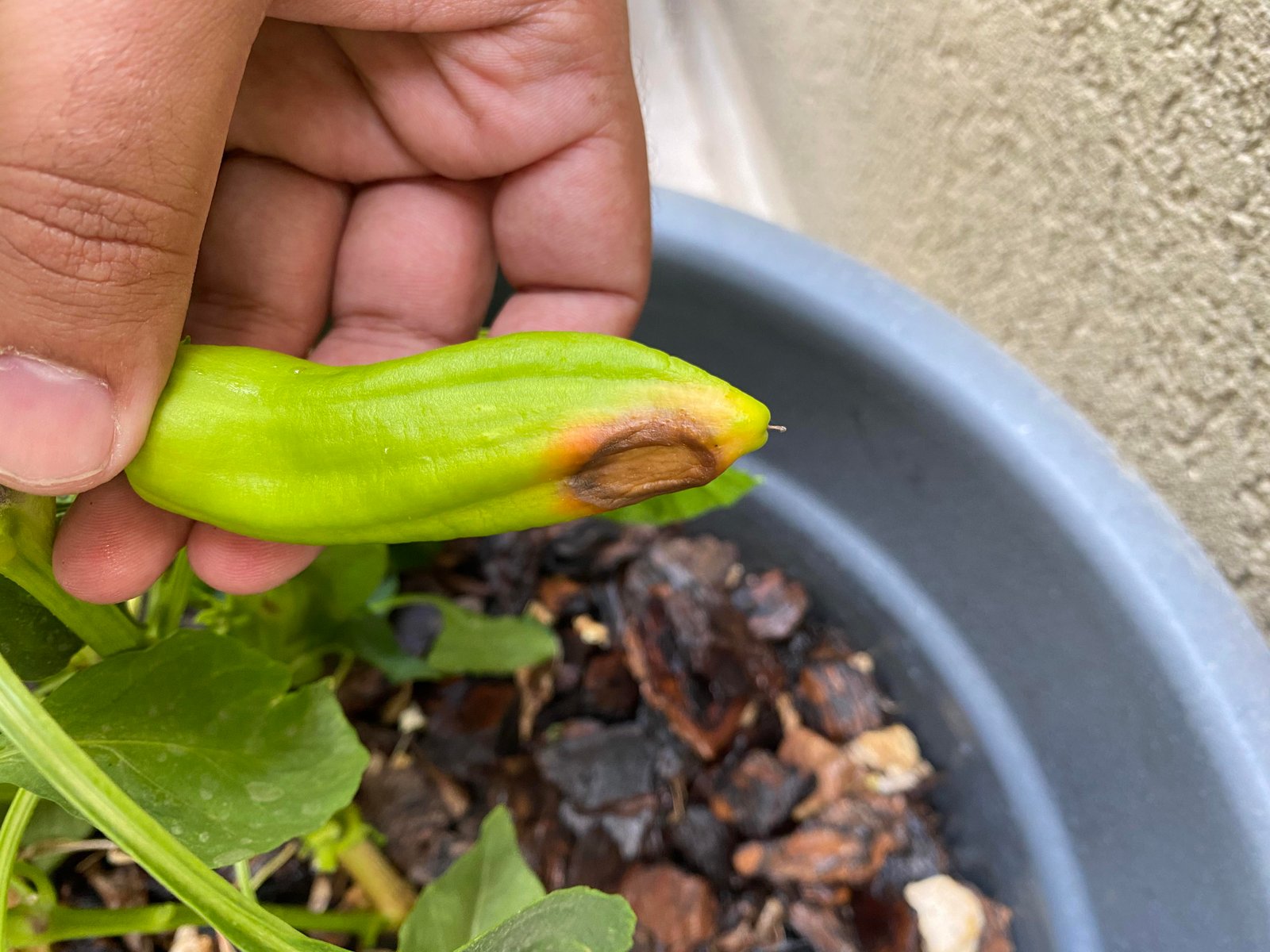
Blossom-end rot causes a dark, sunken patch on the bottom of fruit. It results from calcium not reaching developing tissue, usually because water supply is inconsistent.
Do not automatically add calcium. Most garden soils contain enough.
Prevent blossom-end rot by:
- Watering consistently.
- Mulching soil.
- Avoiding root damage.
- Not overfertilizing.
Sunscald on Peppers
Sunscald appears as pale, papery patches on fruit exposed to intense sun.
Do not remove too many leaves. Foliage shades developing peppers.
During extreme heat, use 30–40% shade cloth over plants.
Common Pepper Pests
Aphids
Small insects cluster on new growth. Spray with water or use insecticidal soap.
Spider mites
Tiny mites cause speckled leaves in hot dry weather. Rinse plants and use horticultural oil if needed.
Hornworms
Large green caterpillars eat leaves rapidly. Hand-pick them and look for black droppings beneath plants.
Common Pepper Diseases
Bacterial spot
Dark spots appear on leaves and fruit. Avoid overhead watering and rotate crops.
Phytophthora blight
Plants wilt suddenly in wet soil. Improve drainage and avoid planting peppers in the same wet area.
Powdery mildew
White patches develop on leaves. Improve airflow and remove infected foliage.
Growing Peppers in Containers
Peppers grow well in pots. Use a container at least 20 liters in volume and 30 centimeters deep.
Choose one plant per pot for standard varieties.
Container peppers need more frequent watering and feeding. Check soil daily during hot weather.
Place pots where they receive six to eight hours of sun.
Should You Stake Pepper Plants?
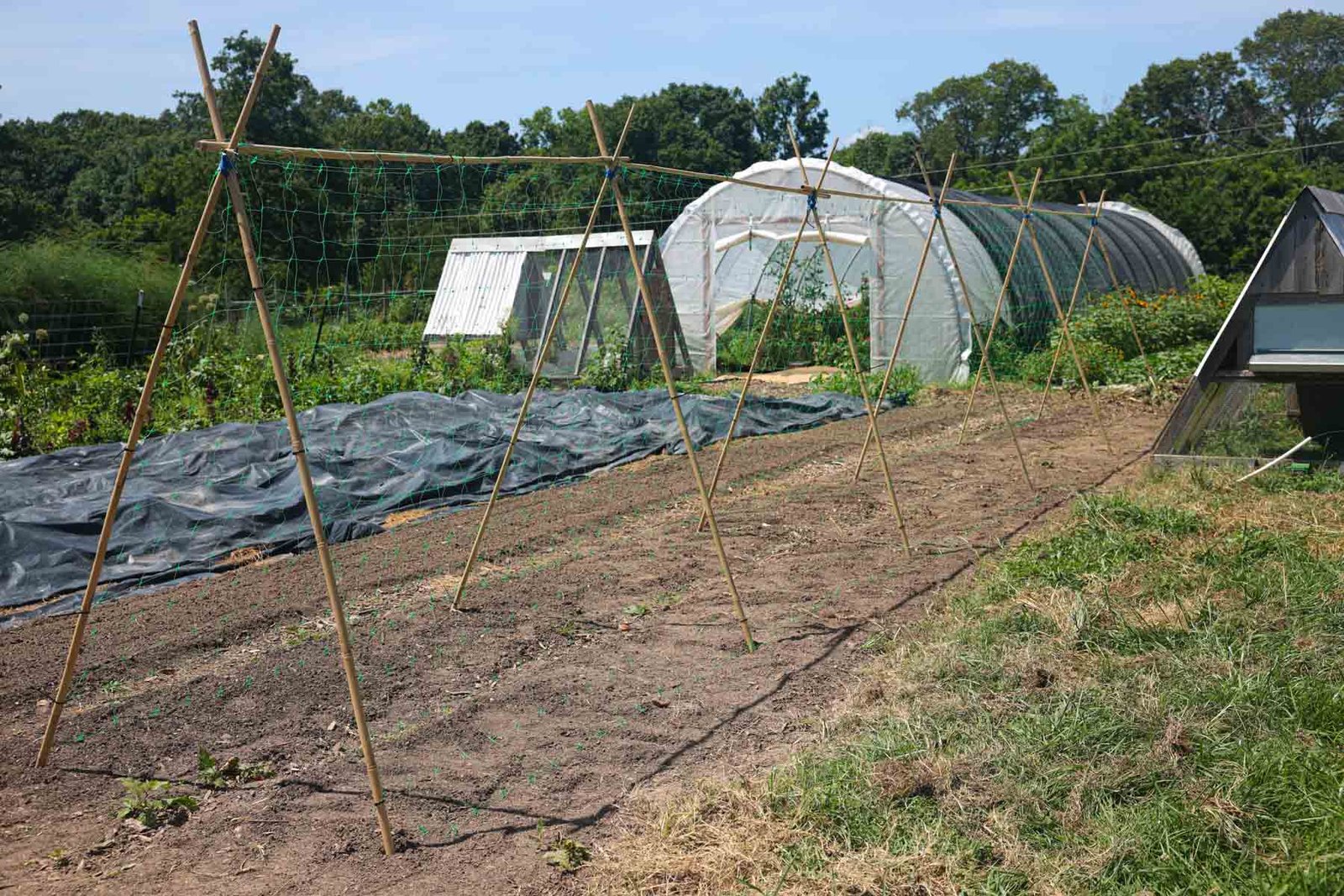
Large-fruited peppers can become top-heavy. Use a stake or tomato cage at planting time.
Tie stems loosely with soft plant tape. Do not wait until branches are already breaking.
When to Harvest Sweet Peppers
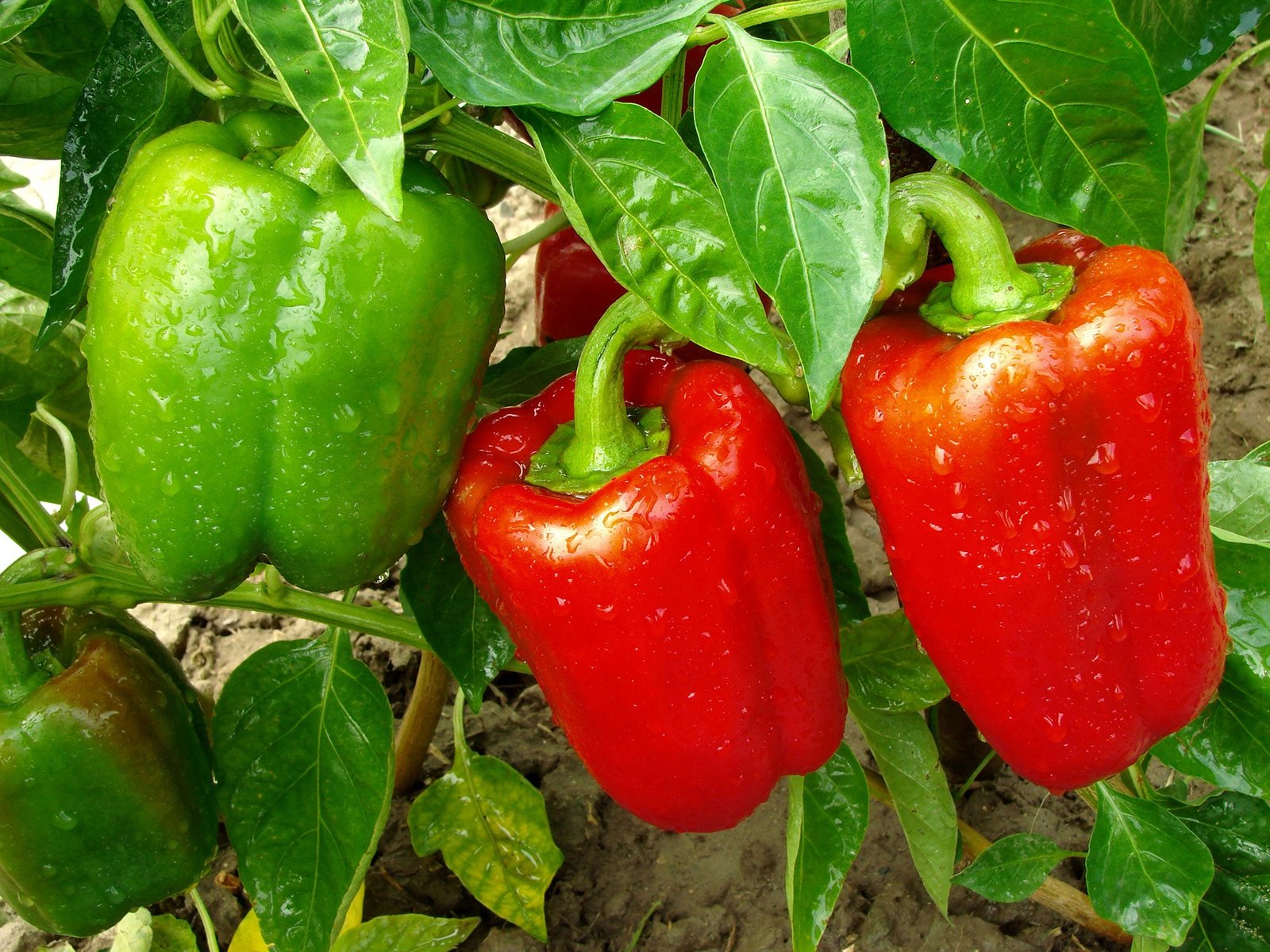
Bell peppers can be picked green when they reach full size, or left on the plant to ripen red, yellow, orange, or purple depending on the variety.
Ripe peppers are sweeter and contain more vitamin C but take longer to mature.
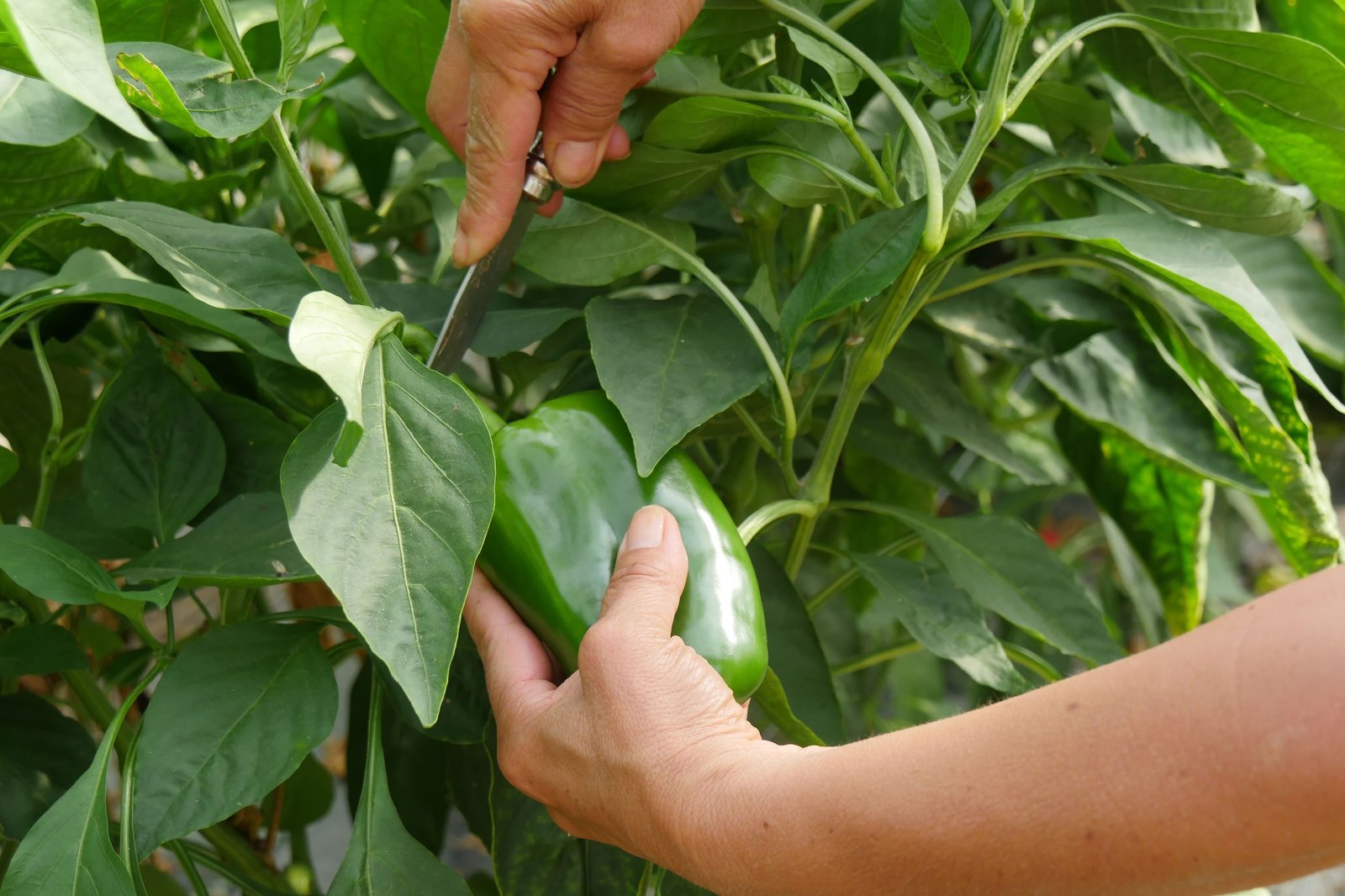
Use scissors or pruners to cut fruit, leaving a short stem.
When to Harvest Hot Peppers
Hot peppers develop more heat and flavor as they ripen fully.
Wear gloves when handling very hot varieties such as habaneros or ghost peppers. Capsaicin can irritate skin and eyes.
Do not touch your face while harvesting.
Real-World Example: Four Pepper Plants in a Raised Bed
A gardener starts two bell peppers and two jalapeños indoors in February. The seedlings grow under lights for ten weeks.
After hardening off, they are transplanted in mid-May when nights stay above 15°C.
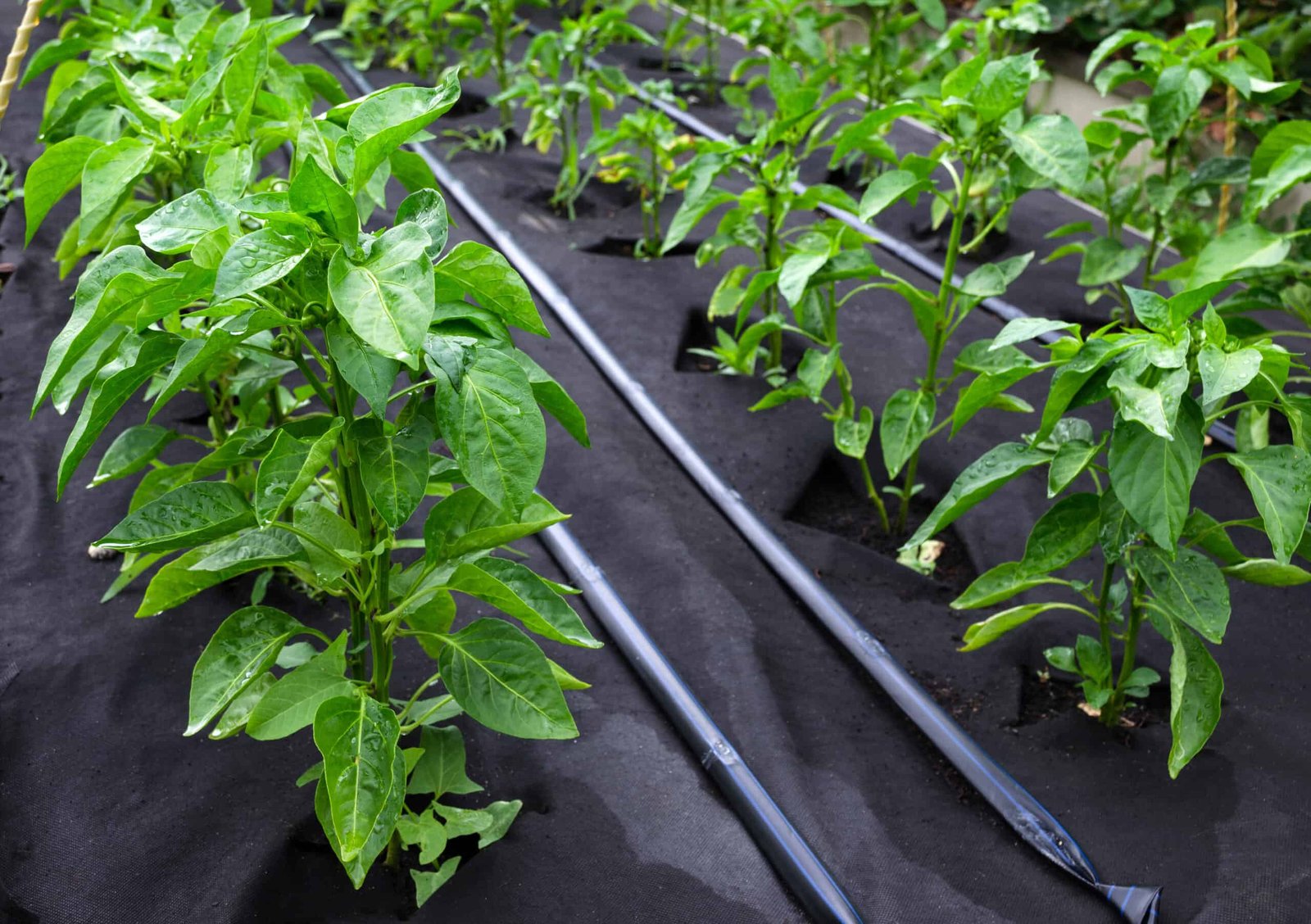
The plants are spaced 45 centimeters apart with drip irrigation beneath straw mulch.
By July, the bell peppers begin setting fruit. During a heat wave, flowers drop for one week, but production resumes when temperatures cool.
The gardener harvests jalapeños green for salsa and leaves some to ripen red for hot sauce.
Common Pepper-Growing Mistakes
Starting seeds too late
Peppers need a long season. Start eight to ten weeks before frost.
Transplanting into cold soil
Cold roots stop growing.
Overfertilizing
Excess nitrogen creates leaves instead of fruit.
Irregular watering
Drought stress causes flower drop and blossom-end rot.
Harvesting by pulling
Pulling can break branches. Cut peppers with scissors.
Pepper Growing Checklist
- Start seeds 8–10 weeks before last frost.
- Keep germination temperature 24–29°C.
- Provide strong grow lights.
- Harden seedlings for 7–10 days.
- Plant after nights stay above 13°C.
- Space plants 40–50 cm apart.
- Water consistently.
- Mulch soil.
- Feed when flowering begins.
- Harvest regularly.
Frequently Asked Questions
How long do peppers take to grow from seed?
Most sweet peppers take 100 to 150 days from seed to ripe fruit. Hot peppers may take longer.
Can peppers grow in partial shade?
They need at least six hours of sun. Less light reduces flowering and fruit.
Why are my pepper leaves curling?
Possible causes include heat, water stress, aphids, mites, or herbicide damage. Inspect the plant carefully before treating.
Should I pinch pepper flowers off young plants?
If small transplants begin flowering before they are established, removing the first few flowers can help them focus on roots and leaves.
How many peppers does one plant produce?
Bell peppers typically produce 5 to 10 fruits. Hot pepper plants can produce 20 to 50 or more depending on variety and conditions.
Can I overwinter pepper plants?
Yes. In frost-free climates, peppers are perennials. In cold regions, you can bring plants indoors, prune them, and keep them dormant until spring.
How to Manage Pepper Plants During a Heat Wave
Peppers like warmth, but extreme heat can stop fruit set. When several hot days are forecast, keep the root zone evenly moist and avoid a heavy fertilizer application. Fertilizer cannot force flowers to set when temperatures are outside the useful range.
Add a light organic mulch if bare soil is heating and drying quickly. In climates with intense afternoon sun, temporary 30–40% shade cloth can reduce sunscald and plant stress. Mount it above the canopy so air can move freely. Do not wrap plants in fabric or block all light.
If flowers drop during the heat, keep the plants healthy and wait. New flowers often set after temperatures moderate.
Green vs. Fully Ripe Peppers: Choose a Harvest Strategy
Picking peppers green gives an earlier harvest and encourages the plant to keep producing. Allowing fruit to reach its mature color gives sweeter flavor in bell peppers and often deeper flavor and heat in hot varieties, but every ripening fruit stays on the plant longer.
| Goal | Harvest Stage | Trade-Off |
|---|---|---|
| Maximum number of fruits | Full-size green | Less mature flavor |
| Sweetest bell peppers | Fully colored | Longer time on plant |
| Hot sauce or drying | Usually mature color | Later harvest |
A home gardener can do both: pick some early and leave selected fruit to ripen fully.
Diagnose a Pepper Plant That Is Not Setting Fruit
If the plant is large and green but has few peppers, work through the causes in order. First check temperature. Hot days and warm nights can make flowers drop. Next check nitrogen. A plant receiving high-nitrogen fertilizer may build leaves at the expense of flowers. Then inspect water consistency; repeated wilting can interrupt fruit set.
Look for pollination conditions as well. Pepper flowers self-pollinate, but still benefit from vibration caused by wind and insects. In a protected greenhouse, gently shaking flowering stems can help. Finally, check light. A pepper plant receiving only a few hours of direct sun may stay alive but produce poorly.
Change one likely cause at a time. Adding several products at once makes it harder to know what actually solved the problem.
Support Heavy Branches Without Over-Pruning
Large bell peppers can bend branch forks as fruit gains weight. Install a cage or several stakes before the canopy becomes crowded. Use soft reusable ties and support the branch below the fruit cluster rather than tying directly around a pepper stem.
Avoid removing healthy leaves just to make the plant look tidy. Those leaves produce energy and shade fruit from intense sun. Prune only damaged, diseased, or badly crowded growth where there is a clear reason.
End-of-Season Pepper Strategy
As frost approaches, harvest full-size green peppers and any fruit that has begun changing color. Many partially colored peppers continue ripening indoors, although flavor is usually best when much of the ripening occurs on the plant.
In frost-free climates, healthy pepper plants may continue for another season. In cold climates, remove the plants after harvest and clean stakes and cages. If plants had serious disease, remove affected debris instead of composting it blindly.
Record which varieties ripened before your first frost. That note is valuable when choosing seed next year because maturity dates on packets do not capture every local condition.
Conclusion: Give Peppers Time and Warmth
Growing peppers from seed requires patience at the beginning. Start early, keep seedlings warm, and provide strong light.
Wait for truly warm weather before transplanting, then maintain consistent moisture and moderate fertilizer. Most pepper problems come from cold soil, irregular watering, or excess nitrogen.
Once established, pepper plants are productive for months. Harvest green fruit for an early crop or let peppers ripen fully for sweeter flavor and deeper color.