A lawn can be useful. It gives children a place to play, creates a clean walking surface, gives pets open space, and can make a landscape feel calm. The problem starts when every sunny or shady corner is treated as lawn even when nobody uses it. Those unused areas can demand mowing, irrigation, fertilizer, weed control, and repeated repair without providing much value.
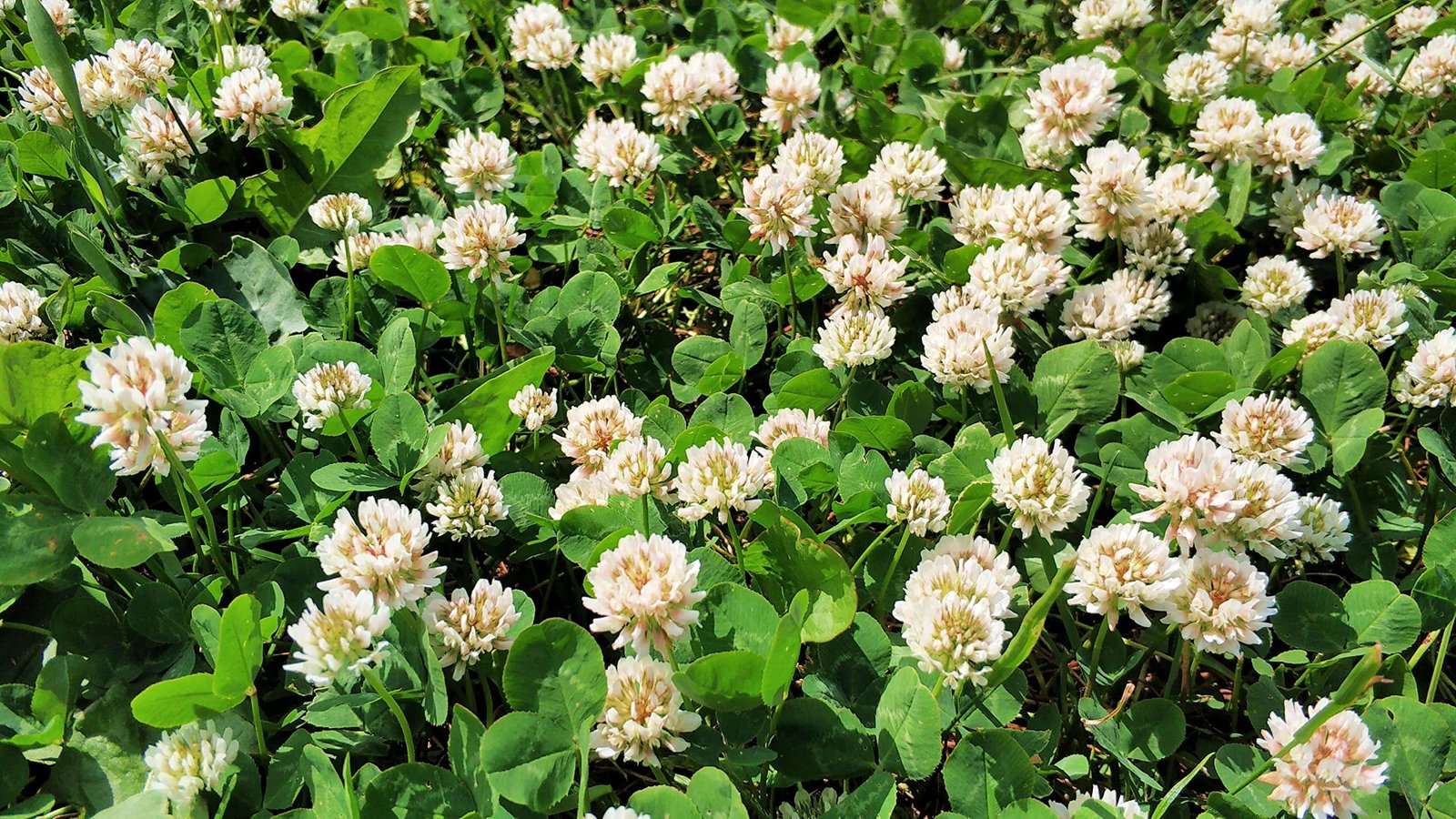
Sustainable lawn alternatives are not about replacing every blade of grass. A better goal is to keep lawn where it serves a purpose and redesign the rest of the yard around plants and surfaces that fit the site.
This guide explains practical alternatives for dry corners, shady strips, slopes, front yards, paths, and small urban spaces. It also covers clover, groundcovers, meadow-style planting, native beds, gravel, mulch, mixed lawns, and phased conversion so you can reduce water use without creating a landscape that is difficult to maintain.
First Decide What the Lawn Is Doing for You
Before replacing anything, identify the job of each lawn area. A lawn used for football needs a very different replacement from a narrow strip beside a fence that is never walked on.
Ask these questions
- Do people regularly walk, sit, or play here?
- Does a pet use the area?
- Is the space needed for events or access?
- Does the lawn grow well without excessive irrigation?
- Is the area too shady, steep, wet, or dry for turf?
- Would flowering plants or shrubs provide more value?
Keep the best-performing, most useful lawn first. Target the low-value sections for conversion.
Why Reducing Lawn Can Save Resources
Turf is not automatically unsustainable, and water use varies by grass species, climate, soil, mowing height, and irrigation. However, large areas of poorly adapted turf often need more inputs than a well-designed mixed landscape.
The EPA WaterSense program encourages water-smart landscape choices such as grouping plants by water needs and using plants suited to local conditions.
Replacing unused turf can reduce:
- Irrigation demand.
- Mowing time and fuel use.
- Fertilizer applications.
- Repeated herbicide use.
- Problems on steep or awkward areas.
The savings are greatest when the replacement is well matched to the site.
Option 1: Keep a Smaller Lawn and Expand Planting Beds
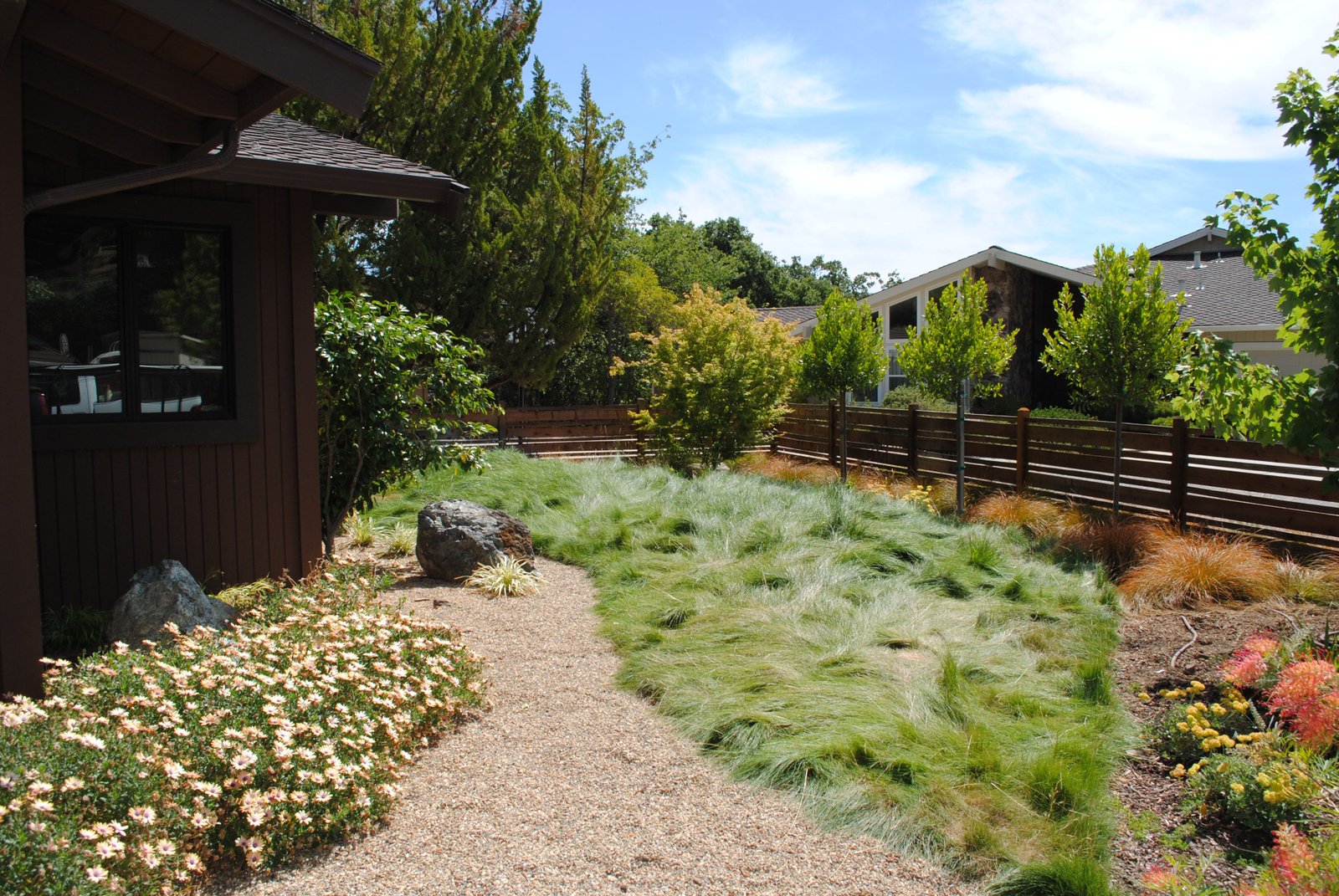
For many homes, the easiest sustainable design is not a lawn-free yard. It is a smaller, better-defined lawn surrounded by beds.
Instead of maintaining grass to every fence, tree, and corner, create a simple shape that is easy to mow. Convert outer edges into mulched beds with shrubs, perennials, grasses, or groundcovers.
Why this works
- You keep open space for activity.
- Mowing becomes faster.
- Trees no longer compete with turf directly around their trunks.
- Curved or narrow mowing obstacles disappear.
- Flowering plants can support pollinators.
A modest 20 to 30 percent lawn reduction can make a meaningful difference without changing how the yard functions.
Option 2: Regionally Adapted Groundcovers
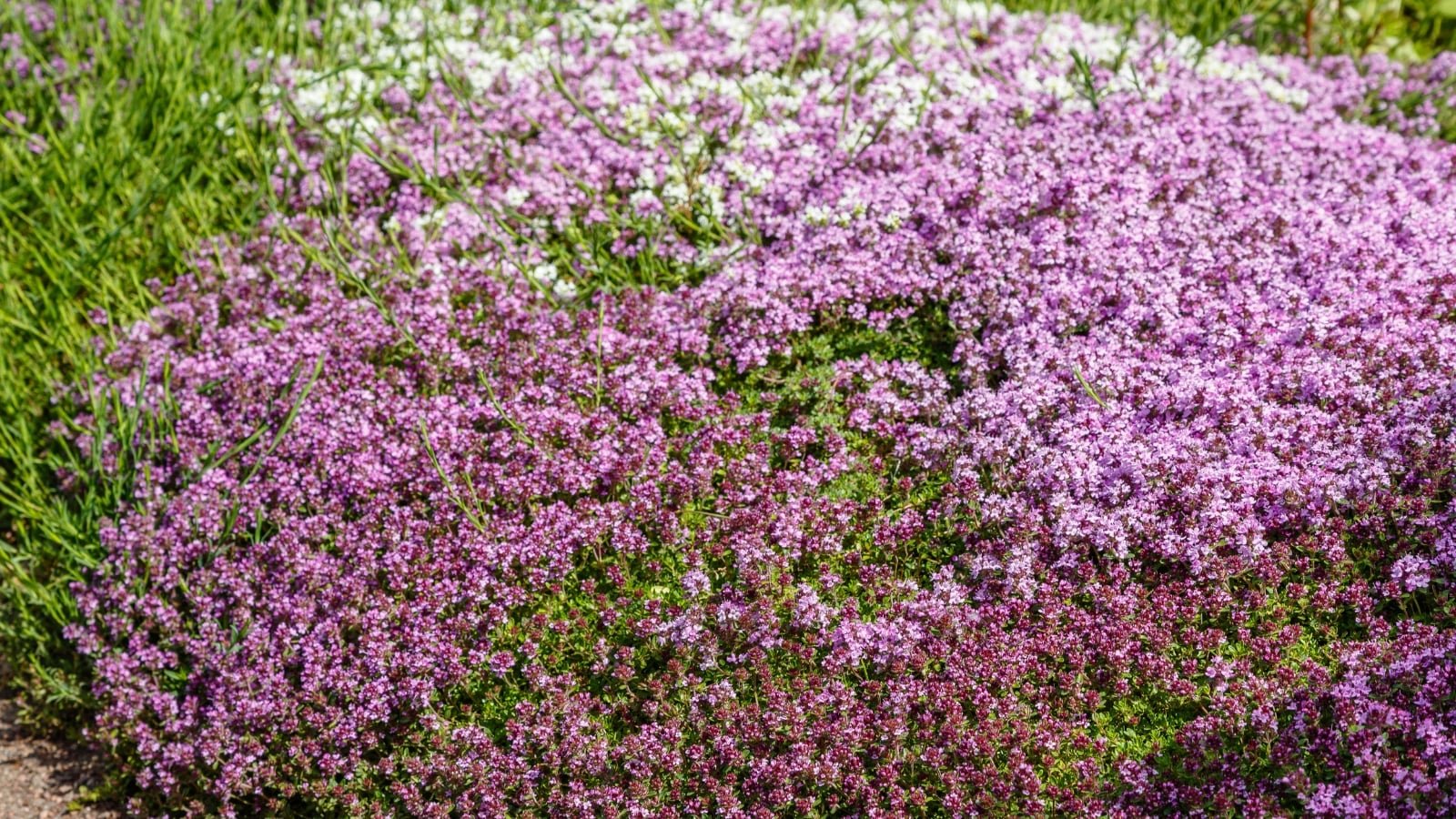
Groundcovers can replace turf where foot traffic is low. They are especially useful on slopes, under shrubs, along edges, and in small decorative spaces.
Choose species based on actual conditions. A drought-tolerant sun groundcover may fail in deep shade. A woodland groundcover may need more moisture than expected.
Check before planting
- Sun hours.
- Winter temperatures.
- Summer heat.
- Soil drainage.
- Expected foot traffic.
- Whether the plant spreads aggressively in your region.
Local extension services and reputable native-plant organizations are useful because a plant that behaves well in one region may become invasive in another.
Option 3: Clover or a Mixed Lawn
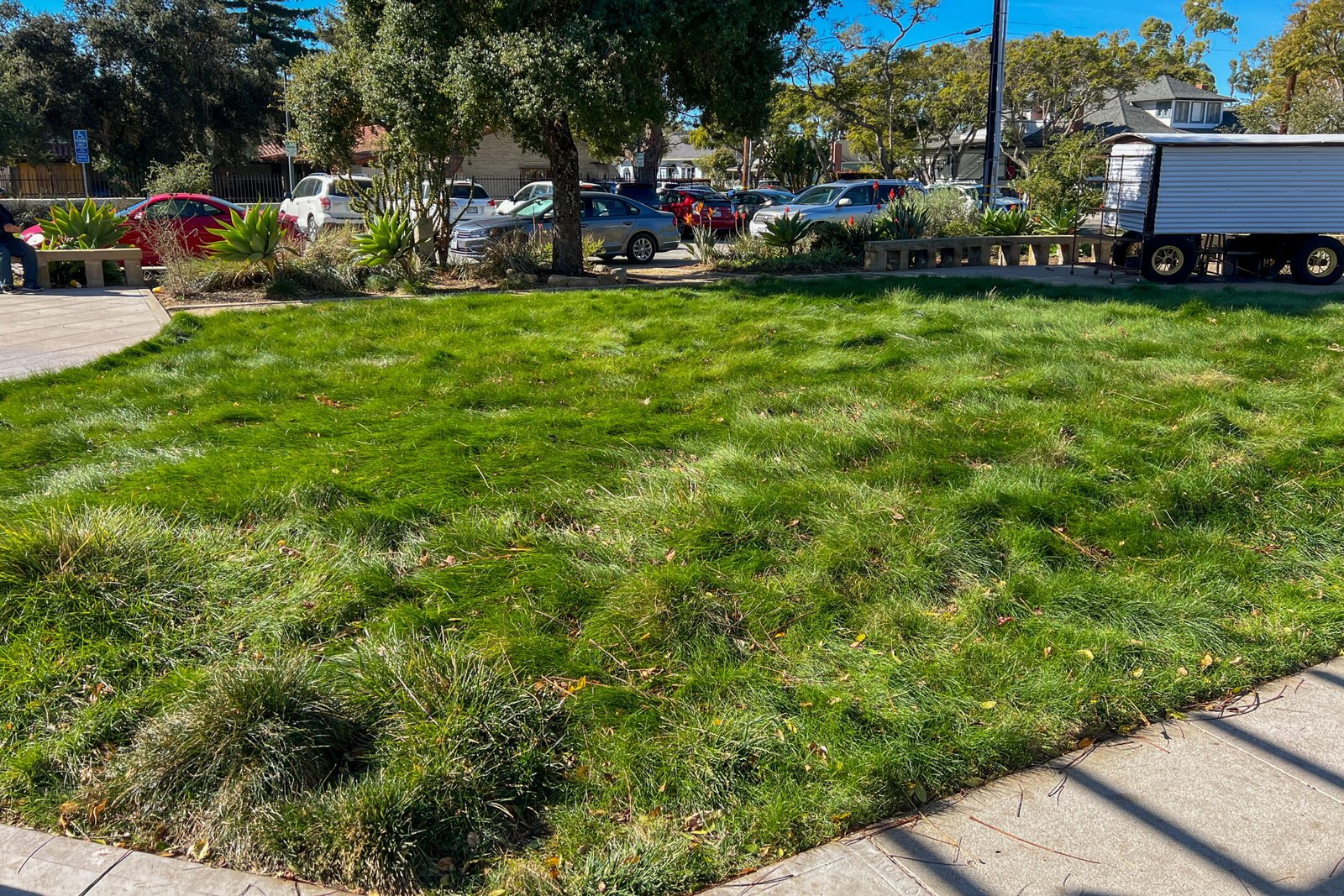
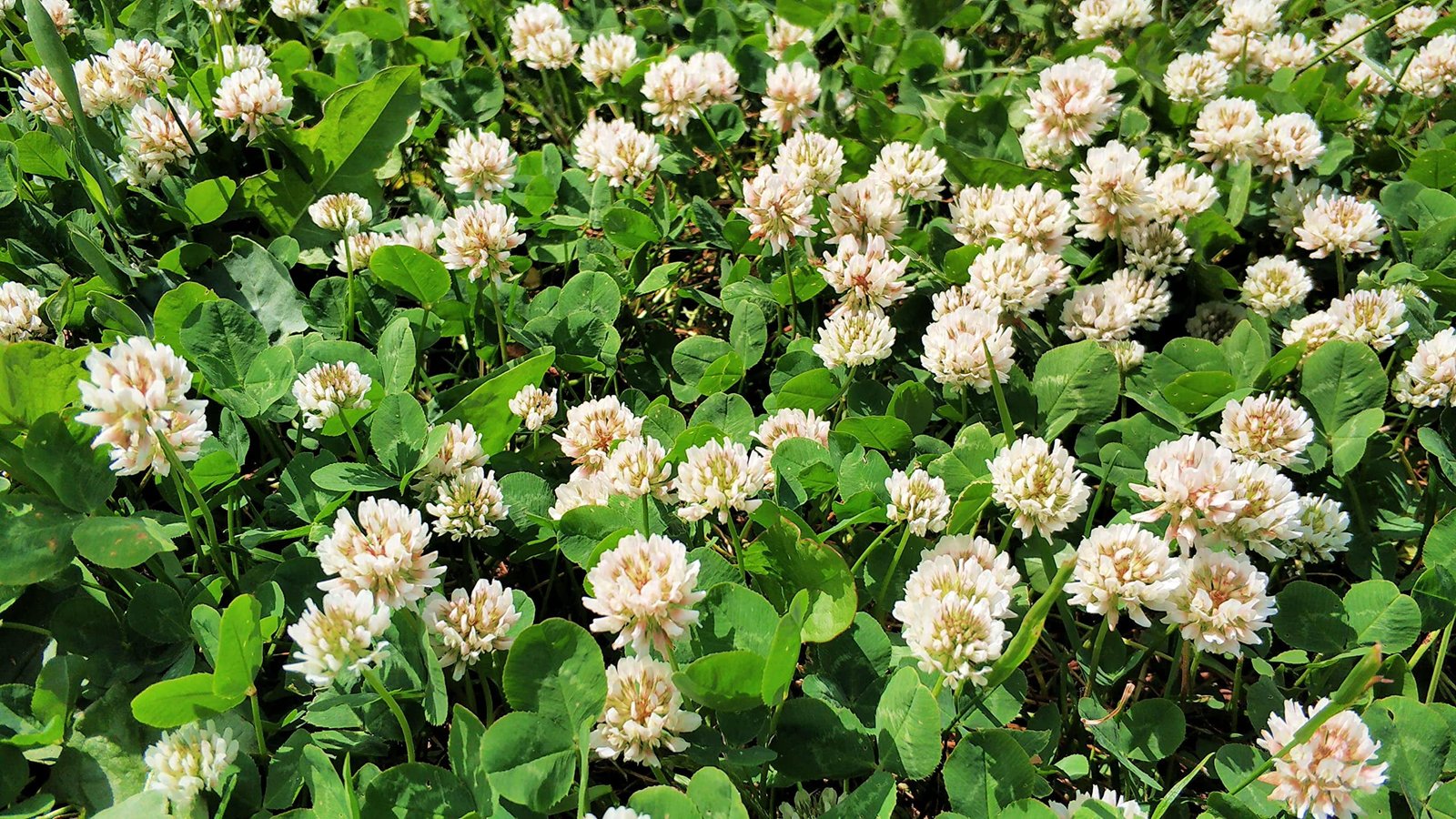
Some homeowners mix clover with turf or allow a low-growing broadleaf component in the lawn. Clover can stay green in conditions where turf struggles, fixes atmospheric nitrogen through its relationship with bacteria, and flowers for pollinators.
However, clover is not perfect for every yard. It can stain clothing, attract bees where barefoot play is common, and may not tolerate heavy sports traffic as well as suitable turf.
If you want a mixed lawn, treat it as a different landscape instead of expecting it to look like a uniform golf-course surface.
Option 4: Meadow-Style Planting
A meadow can be beautiful and ecologically useful, but it is not as simple as scattering a packet of wildflower seed over grass.
Successful meadow establishment requires weed control, suitable species, realistic soil preparation, and several seasons of management.
The Xerces Society provides regionally oriented resources for pollinator-friendly plants that can help with species selection.
Meadow establishment steps
- Identify existing weeds and invasive species.
- Remove or suppress turf before seeding.
- Select a mix appropriate for local climate and soil.
- Sow at the correct seasonal window.
- Manage weeds during the first year.
- Mow or cut at the recommended times while plants establish.
- Expect the appearance to change across seasons.
A meadow is usually lower maintenance after establishment, not zero maintenance from day one.
Option 5: Native and Adapted Shrub Beds
Replacing lawn with layered shrubs, perennials, and grasses creates structure and can reduce long-term irrigation once plants are established.
Choose plants by mature size. Many landscape problems happen because small nursery plants are placed too close together. A shrub that looks tiny today may be two meters wide in a few years.
A layered bed might include
- One or two larger structural shrubs.
- Medium perennials.
- Low groundcovers at the edge.
- Seasonal flowers for pollinators.
- Mulch between plants during establishment.
Native plants can be useful, but match them to soil and moisture conditions rather than assuming every native is low-water.
Option 6: Gravel or Permeable Hardscape
Some high-traffic or extremely dry areas may be better as paths, patios, or gravel rather than plants.
Permeable materials can allow some water infiltration compared with solid concrete, depending on base construction and soil.
Gravel is not maintenance-free. Wind-blown weeds can germinate in accumulated dust, leaves must be removed, and dark stone can become very hot. Use it strategically rather than covering the entire yard.
Option 7: Mulched Paths and Garden Rooms
Wood-chip paths can turn unused lawn into useful circulation space between vegetable beds, seating, compost areas, and planting zones.
Fresh arborist wood chips are often useful for paths and around established woody plants. Avoid mixing large amounts of fresh wood deeply into vegetable soil because decomposition near roots can affect nutrient availability.
Paths should be wide enough for comfortable use and wheelbarrows if needed.
Option 8: Edible Landscaping
Some lawn areas can become food-producing beds with herbs, berries, fruiting shrubs, or perennial vegetables suited to the climate.
Edible beds are not automatically lower maintenance. They may require pruning, harvesting, pest management, and irrigation. The sustainability benefit comes from replacing a low-value area with something you actively use.
Good locations
- Sunny lawn edges near the kitchen.
- Fence lines with enough light.
- Former grass strips beside a driveway.
- Areas close to a water source.
What to Do With Shady Lawn
Grass often thins under mature trees because roots compete for water and the canopy blocks light.
Do not solve the problem by burying tree roots under deep soil or repeatedly adding fertilizer. Instead, consider a mulched tree zone with shade-tolerant plants placed carefully around major roots.
Keep mulch away from the trunk flare. Avoid deep cultivation that damages roots.
What to Do With a Steep Slope
Steep lawns are difficult and sometimes dangerous to mow. Deep-rooted groundcovers, shrubs, grasses, terraces, or erosion-control plantings may be safer.
For significant slopes, get local advice before making major changes because poor grading can cause erosion or drainage problems for neighboring properties.
How to Remove Existing Lawn
Manual removal
Cutting and lifting sod gives immediate access but is labor-intensive and removes some topsoil.
Sheet mulching
Cardboard plus organic material can smother turf over time. This works best when invasive perennial weeds are addressed first.
Solarization or occultation
Covering the area with appropriate plastic or tarps can kill vegetation under warm conditions. Timing, material, and local climate affect results.
Herbicide
Some projects use herbicides, especially for invasive grasses. If used, choose a product labeled for the site and follow all instructions. Do not apply more than recommended or spray near water unless the label permits it.
The best removal method depends on area size, weed species, time, budget, and what you plan to plant next.
Do Not Skip Weed Control
A new bed planted directly into living turf will often struggle. Grass can grow through mulch and compete with young plants.
Before planting:
- Identify aggressive weeds.
- Remove seed heads.
- Suppress or kill existing turf.
- Wait long enough to see what regrows.
- Plant only after the area is manageable.
This extra preparation makes the difference between a low-maintenance alternative and a bed that needs constant rescue.
Design for Maintenance Access
Large planting beds need paths or stepping access so you can weed, prune, and inspect plants without compacting soil.
Keep shrubs away from sidewalks based on mature size. Do not place thorny species where people brush against them. Leave access to utility meters and drains.
Plan Irrigation for the Establishment Period
Low-water plants still need water while roots establish. The first season is often the most important.
Use drip irrigation, a hose, or temporary watering lines to give young plants deep, targeted moisture. Gradually reduce frequency as roots spread, based on plant needs and weather.
A common mistake is to plant drought-tolerant species and assume they should survive immediately without irrigation.
Use Mulch While Plants Fill In
Mulch helps suppress weeds and reduces evaporation between young plants. As groundcovers or perennials mature, they may shade more of the soil themselves.
Keep mulch away from crowns and trunks. Do not create deep “mulch volcanoes” around trees.
Think About Winter and Off-Season Appearance
A lawn is visually consistent for much of the year. Mixed planting changes more dramatically.
Include evergreen structure, ornamental grasses, shrubs with attractive stems, or seed heads if you want winter interest. A meadow may look brown or dormant for part of the year, which is normal.
Set expectations before conversion so the landscape does not feel “unfinished” simply because it follows seasons.
Real-World Example: Reducing a Front Lawn by Half
A homeowner has a 120-square-meter front lawn but only uses a central area for children and sitting. The outer edges are difficult to mow and require extra sprinkler coverage.
They keep a simple 60-square-meter lawn rectangle. The shaded area under a tree becomes a mulched bed with shade-tolerant plants. The sunny street edge becomes a drought-adapted perennial border. A narrow side strip becomes a gravel path with stepping stones.
The sprinkler system is adjusted so it no longer waters the new beds. Drip lines serve young perennials during establishment.
The result still looks open, but mowing time and lawn irrigation are reduced. Because each converted area has a clear purpose, the yard feels intentional rather than patchy.
Lawn Alternative Comparison
| Alternative | Foot Traffic | Water After Establishment | Maintenance |
|---|---|---|---|
| Groundcover | Low to moderate | Low to moderate | Weeding and trimming |
| Clover mix | Moderate | Often lower than turf | Occasional mowing |
| Meadow | Low | Low if adapted | Seasonal mowing and weed control |
| Shrub/perennial bed | Very low | Low to moderate | Pruning, mulch, weeds |
| Gravel/path | High | None for surface | Weed and debris control |
| Edible bed | Low | Moderate | High but productive |
Common Mistakes When Replacing Lawn
- Removing grass before deciding what the space should do.
- Buying plants based on appearance instead of site conditions.
- Ignoring perennial weeds.
- Planting shrubs too close together.
- Assuming native plants need no establishment water.
- Installing gravel without thinking about heat and future changes.
- Creating beds too wide to maintain.
- Replacing one high-maintenance surface with another.
Frequently Asked Questions
What is the lowest-maintenance lawn alternative?
There is no single answer. A well-designed shrub bed may need little work after establishment, while gravel needs regular debris and weed control. Choose what matches the site and how you use it.
Is clover better than grass?
It depends on the goal. Clover can reduce fertilizer demand and support pollinators, but it may not handle heavy play or suit people who need a bee-free barefoot area.
Can I replace lawn without chemicals?
Yes. Sod removal, sheet mulching, tarping, and repeated cultivation can work. The best method depends on turf type and invasive weeds.
Will a meadow look messy?
A meadow has a seasonal, natural appearance rather than a uniform lawn look. Defined edges, mowed paths, and planned species can make it look intentional.
What should I plant under a tree instead of grass?
Use shade-tolerant plants suited to local conditions, or simply maintain a proper mulch zone. Avoid deep digging and soil buildup over major roots.
Do lawn alternatives increase property value?
That varies by market and design quality. A well-maintained, functional landscape is more likely to be viewed positively than an unfinished conversion.
Conclusion: Replace Only the Lawn That Is Not Earning Its Space
Sustainable lawn reduction works best when it begins with function. Keep the grass that supports play, walking, pets, or the open look you enjoy. Then identify areas that are difficult to mow, expensive to irrigate, or rarely used.
Choose replacements based on sunlight, drainage, climate, traffic, and maintenance. Groundcovers, mixed lawns, native beds, meadow planting, paths, and edible gardens all solve different problems.
Convert gradually if needed. A single bed along an unused edge can teach you more about your site than redesigning the whole yard at once.
The most sustainable yard is not necessarily the one with no lawn. It is the one where every area has a purpose and the plants, water, and maintenance effort are matched to that purpose.