Gardening is associated with nature, yet modern gardening can generate a surprising amount of plastic waste: nursery pots, seed trays, compost bags, plant labels, irrigation fittings, fertilizer bottles, weed-control sheets, disposable gloves, twine, and broken tools.
Trying to remove all plastic at once is rarely practical. Some plastic products are durable, lightweight, washable, and useful for many years. Replacing a long-lasting item with a short-lived “natural” alternative may create more cost and waste, not less.
A better approach is to reduce disposable plastic, reuse durable items, buy products with a longer service life, repair systems before replacing them, and choose refill or bulk options where they make sense.
This guide shows how to reduce plastic use in gardening without turning the hobby into an expensive lifestyle project. It covers pots, seed starting, labels, ties, compost and soil bags, irrigation, tools, weed barriers, storage, plant buying, and recycling.
Start With the Plastic You Use Most Often
Do not begin by replacing every object in the shed. For one season, notice what enters and leaves your garden.
Common high-volume items include:
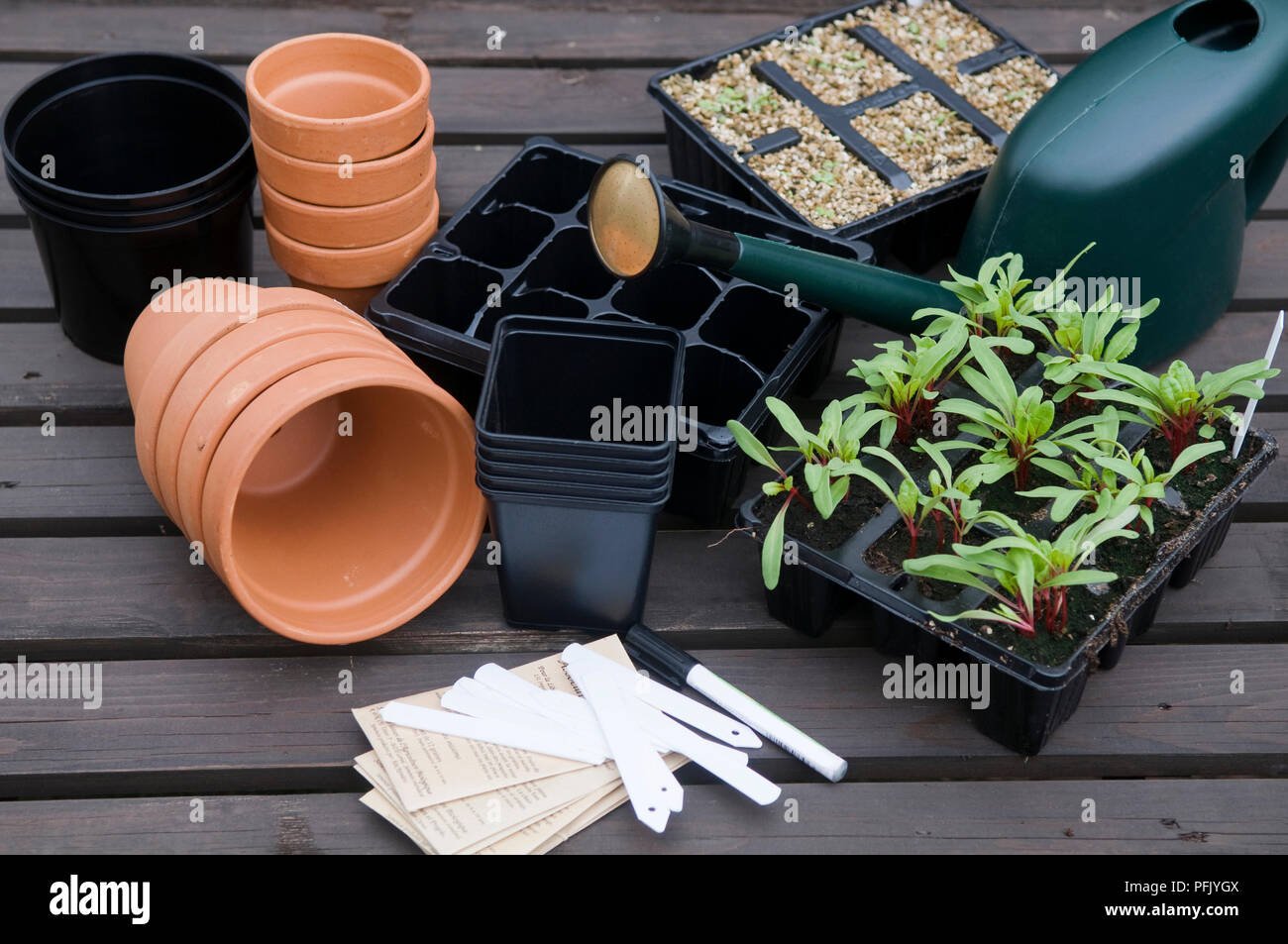
- Nursery pots and cell packs.
- Potting-mix and compost bags.
- Seed-starting trays.
- Plant labels.
- Plastic twine and clips.
- Fertilizer and pesticide containers.
- Disposable gloves.
- Broken watering cans and hose fittings.
Focus first on the items you buy repeatedly. A reusable label system may reduce more waste over time than replacing one plastic tool that already works well.
Use What You Already Own
The most sustainable replacement for a functional plastic item is often no replacement at all.
If a plastic watering can has lasted ten years and still works, throwing it away to buy a metal version creates unnecessary waste. Continue using it, protect it from sun damage, and repair minor leaks when possible.
This principle applies to:
- Pots.
- Trays.
- Storage bins.
- Watering equipment.
- Garden tools.
- Compost containers.
Reuse Nursery Pots Instead of Buying New Ones
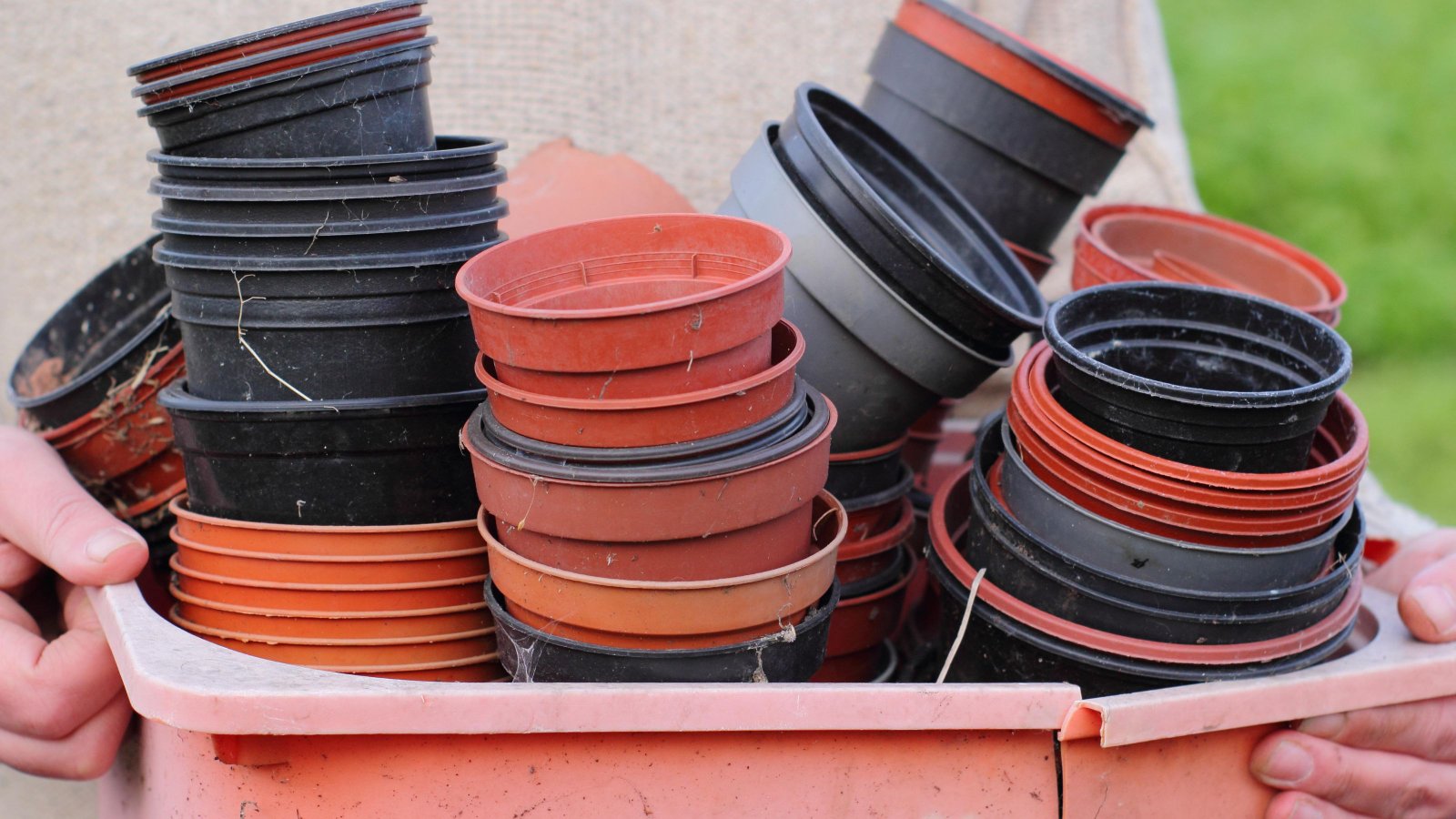
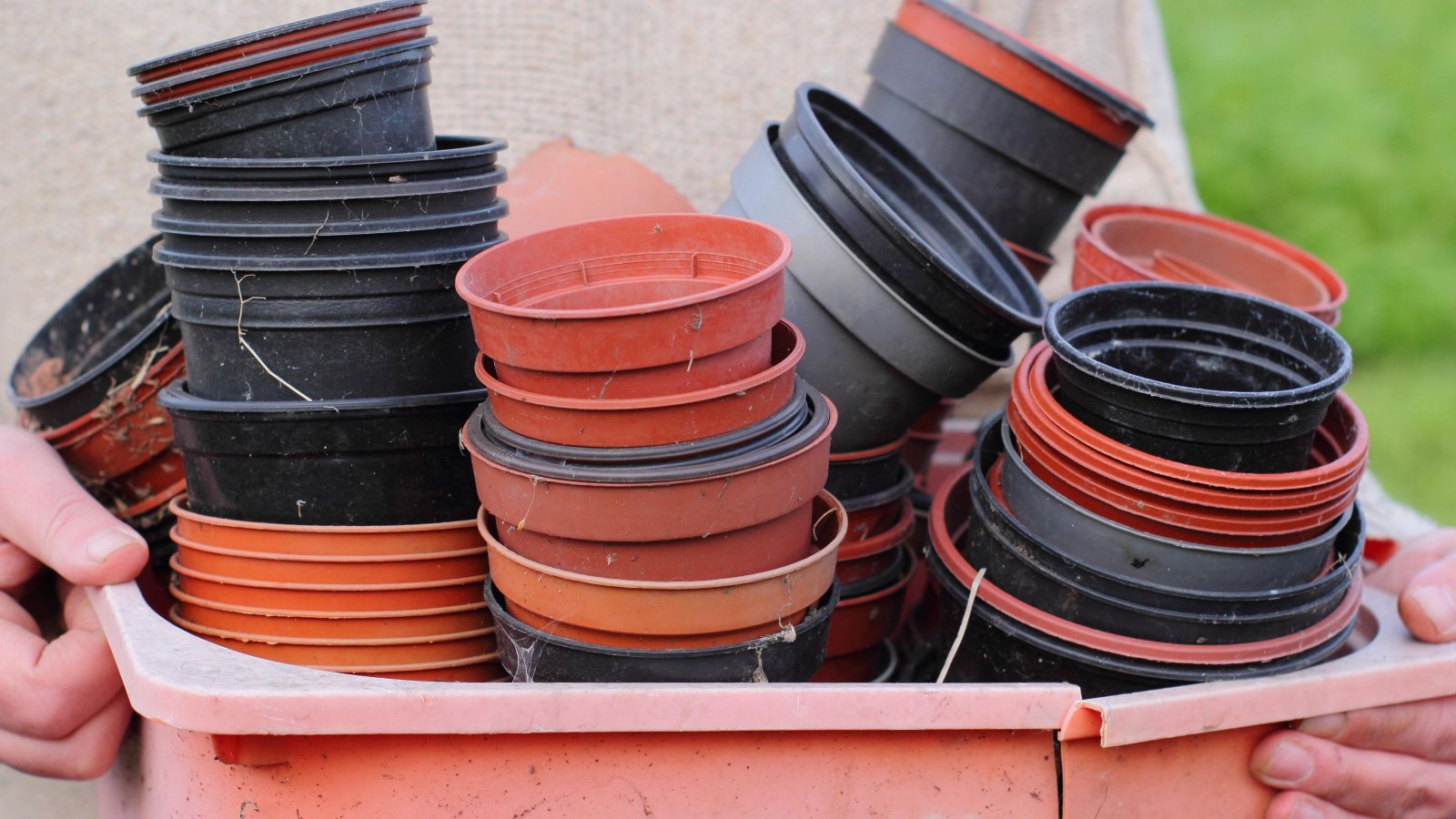
Nursery pots are one of the most visible sources of garden plastic. They are also easy to reuse.
Useful reuses
- Potting up seedlings.
- Dividing perennials.
- Growing temporary plants before bed space is ready.
- Sharing plants with neighbors.
- Holding labels, clips, and small tools.
Clean pots between uses when disease is a concern. Wash off soil and disinfect according to local horticultural guidance when reusing containers for disease-sensitive seedlings.
Check Whether Local Nurseries Take Pots Back
Many municipal recycling programs do not accept plant pots because they are made from mixed resins, are dark colored, or contain soil contamination. Some garden centers operate take-back programs.
Ask before throwing pots into household recycling. Incorrect items can contaminate recycling streams.
The U.S. Environmental Protection Agency recommends checking local recycling requirements because accepted materials vary by community.
Choose Durable Seed Trays
Thin seed trays can crack after one season. If you start seeds every year, stronger reusable trays may be a better investment.
Look for trays that:
- Can be washed repeatedly.
- Do not flex excessively when full.
- Have replaceable inserts if possible.
- Fit your shelf and grow-light setup.
- Stack for storage.
Durability matters more than marketing. A plastic tray used for fifteen seasons may create less waste than a series of disposable alternatives.
Try Soil Blocks for Some Seedlings
Soil blocking forms compressed cubes of growing mix without individual pots. It can reduce cell-pack use and make transplanting simple.
It is not ideal for every gardener. Blocks need a suitable mix and consistent moisture. If they dry too far, they can crumble.
Good candidates
- Lettuce.
- Brassicas.
- Many flowers.
- Seedlings transplanted while young.
Try one tray before redesigning your whole seed-starting system.
Use Reusable Plant Labels
Small plastic labels are easy to lose in soil and difficult to recycle.
Alternatives include:
- Wooden markers for short-term use.
- Metal labels for perennials and trees.
- Slate or stone labels.
- Reusable rigid labels written with removable pencil.
- A garden map that reduces the number of physical labels needed.
For seed trays, reusable plastic labels you already own are still useful. The goal is fewer disposable labels, not automatically zero plastic.
Replace Disposable Ties With Reusable Supports
Plastic twist ties and clips often disappear into beds after pruning.
Use:
- Soft reusable plant ties.
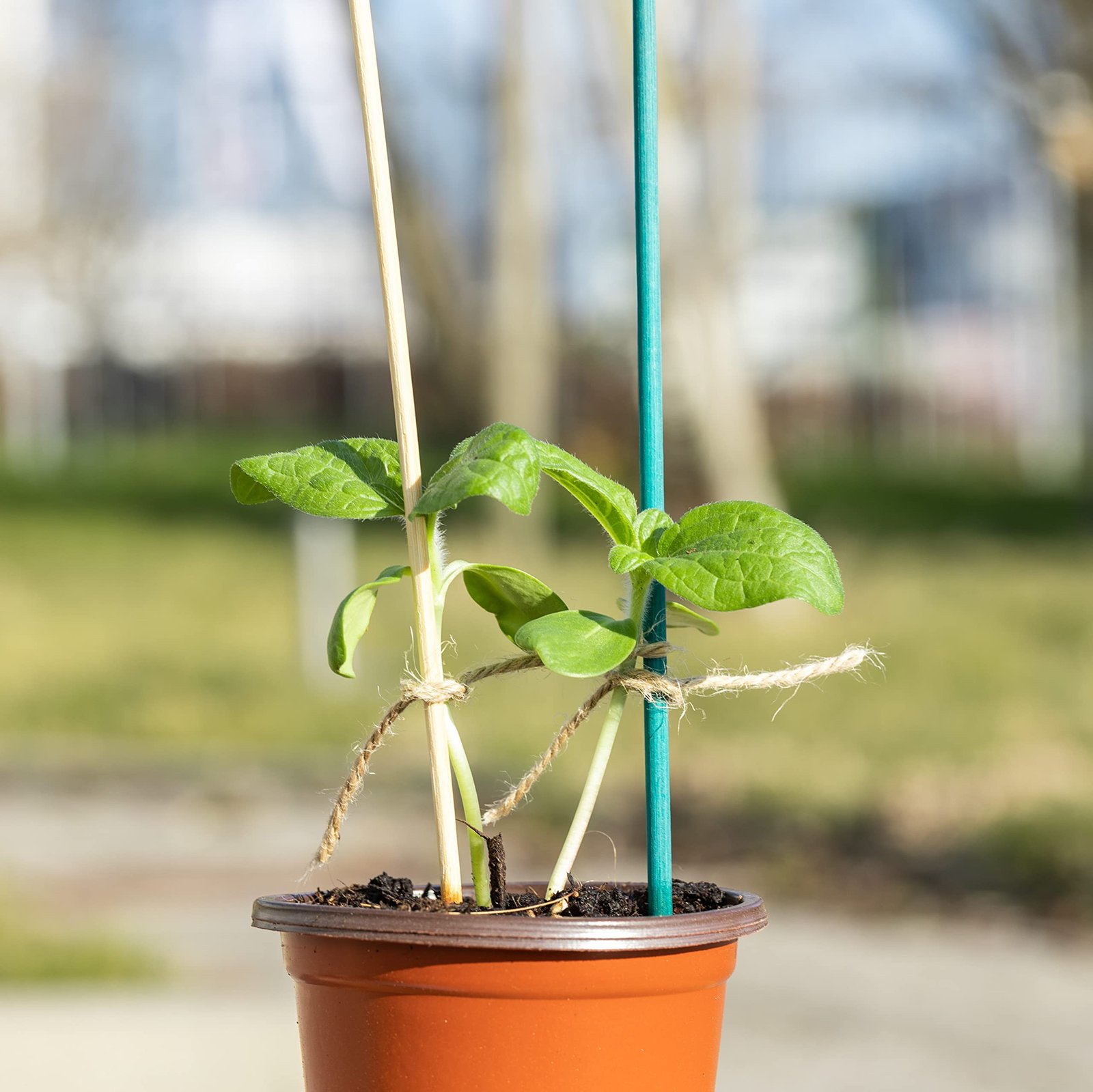
- Jute or cotton twine for temporary support.
- Metal clips designed for repeated use.
- Natural branch supports.
Natural twine can degrade outdoors, which is helpful for short-term tying but less useful for heavy perennial support. Match the material to the job.
Buy Soil and Compost in Bulk When It Makes Sense
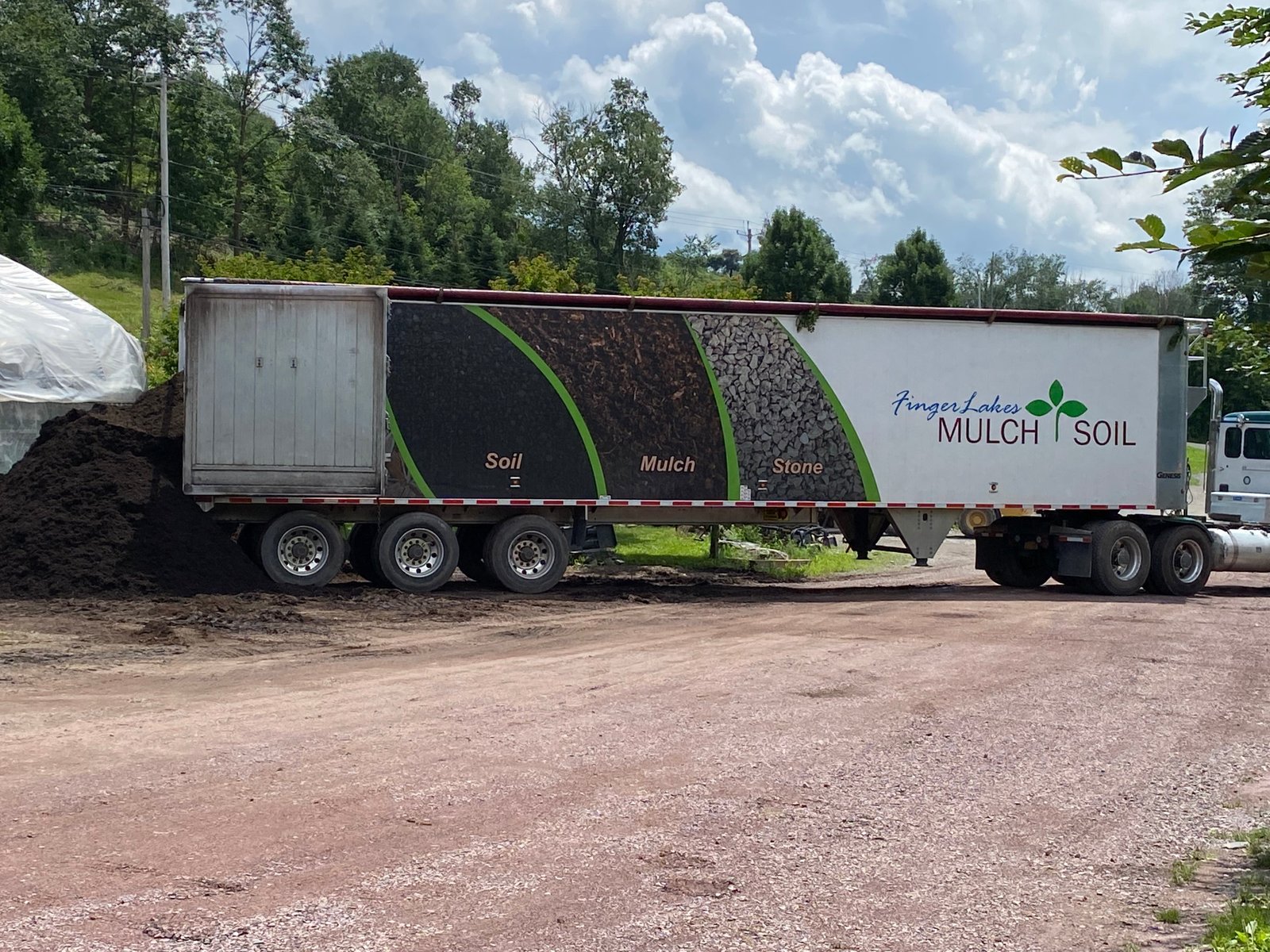
Bagged compost and potting mix create large amounts of flexible plastic packaging. Bulk delivery can reduce bags for gardeners who need a large volume.
Bulk buying only makes sense if:
- You can verify material quality.
- You have a dry place to store it.
- You will use the volume.
- Delivery distance is reasonable.
Do not buy a cubic meter of compost simply to avoid ten bags if half of it will sit unused and degrade.
Ask About Refill Systems
Some local garden centers, farm stores, and cooperatives offer refills for fertilizers, soil amendments, bird feed, or cleaning products.
Availability varies, but bringing your own durable container can reduce repeated packaging.
Make sure containers are clearly labeled. Never reuse food containers for pesticides or other hazardous garden chemicals.
Choose Concentrated Products Carefully
Concentrated liquid or soluble products can reduce packaging compared with ready-to-use versions because less water is shipped.
However, concentration increases the importance of correct measuring. Follow label rates exactly. More fertilizer or pesticide is not more effective and can harm plants or the environment.
Reduce Dependence on Plastic Weed Membrane
Landscape fabric and plastic sheeting are often installed to reduce weeds. Over time, soil and organic matter accumulate on top, weeds root through the material, and the fabric tears into fragments.
In many garden beds, alternatives include:
- Cardboard under temporary mulch for new beds.
- Wood-chip mulch.
- Dense groundcover planting.
- Regular shallow hoeing.
- Hand weeding while weeds are small.
Landscape fabric still has useful applications, such as under some gravel installations. Use it where the design truly needs it, not automatically in every planting bed.
Use Natural Mulches Instead of Plastic Film Where Practical
Commercial vegetable growers sometimes use plastic mulch for weed control, soil warming, and moisture conservation. At home scale, straw, shredded leaves, compost, or paper-based mulches may be easier to reuse or compost.
Natural mulch does not provide exactly the same soil-warming effect, so choose according to crop and climate.
Repair Irrigation Instead of Replacing Whole Systems
Drip irrigation contains plastic tubing and fittings, but a well-maintained system can last for years and save water.
Do not remove efficient irrigation simply because it is plastic. Instead:
- Replace only damaged emitters.
- Use compatible repair couplings.
- Flush lines.
- Protect tubing from mower damage.
- Store removable components away from winter damage.
A repaired water-efficient system can be more sustainable than switching to hand watering that wastes water.
Choose Long-Life Hoses
Cheap hoses that kink, crack, and split may be replaced frequently. A durable hose with replaceable fittings can last much longer.
Store hoses out of strong sunlight when not in use and drain them before freezing temperatures if required.
Buy Tools With Replaceable Parts
Many low-cost garden tools combine metal working parts with molded plastic handles that cannot be repaired.
When buying new, look for:
- Replaceable wooden handles.
- Sharpenable blades.
- Replaceable springs and bolts.
- Manufacturer spare parts.
- Strong construction rather than decorative features.
A well-maintained tool can last decades.
Maintain Tools to Extend Their Life
Clean soil from tools after use, dry metal surfaces, sharpen cutting edges, and store tools out of rain.
For pruners and shears:
- Remove plant sap.
- Check the central bolt.
- Sharpen according to blade design.
- Oil moving parts lightly.
- Replace worn springs if available.
Maintenance prevents the cycle of buying cheap tools repeatedly.
Choose Plants in Smaller or Returnable Pots
Large nursery containers use more plastic and cost more to transport. Smaller plants often establish well because roots adapt quickly to the garden.
This does not mean the smallest plant is always best. Trees and shrubs need appropriate nursery quality. But for perennials, buying smaller pots can reduce both cost and plastic.
Ask whether the nursery takes containers back.
Propagate Plants You Already Grow
Dividing perennials, taking cuttings, and saving appropriate seeds can reduce nursery packaging while giving you more plants.
Only propagate healthy plants. Do not share material carrying pests or disease.
Follow plant-variety rights where they apply; some patented cultivars cannot legally be propagated for sale.
Swap Plants Locally
Community plant swaps can reduce packaging and transportation. Reuse clean pots and label plants accurately.
Inspect traded plants for weeds, slugs, scale insects, and disease. Avoid sharing invasive species.
Avoid Decorative Plastic That Has No Garden Function
Some plastic is useful. Other plastic enters gardens only as short-lived decoration: synthetic moss, glitter-coated ornaments, plastic netting, fake flower picks, and low-quality solar lights.
Before buying, ask:
- Will this item still be useful in five years?
- Can it be repaired?
- Will sunlight make it brittle?
- Can it be recycled locally?
Often, one durable object creates a better garden than many disposable decorations.
Choose Natural-Fiber or Durable Reusable Gloves
Disposable nitrile gloves are useful for some chemical handling and hygiene tasks, but routine weeding does not always require them.
Use washable durable gloves for ordinary work and reserve disposable protective equipment for tasks where product labels or safety needs require it.
Store Materials So They Last
Sunlight and freezing temperatures shorten the life of many plastic products.
At the end of the season:
- Wash trays and pots.
- Dry them before stacking.
- Store irrigation fittings in a labeled box.
- Keep hoses out of direct sun.
- Protect watering cans from freezing water.
- Store plant clips and ties for reuse.
Good storage turns a one-season item into a long-term tool.
Recycle Only What Your Local Program Accepts
Wish-cycling—putting questionable plastics into the recycling bin—can increase contamination.
Check resin codes and local rules. Flexible potting-mix bags, black nursery pots, broken hoses, and plastic netting are often not accepted in curbside programs.
Use specialized collection programs when available.
Real-World Example: Reducing Plastic in a Seed-Starting Setup
A gardener starts 150 seedlings every spring. Each year they buy thin trays, disposable labels, and small plastic pots.
They make four changes. First, they buy several heavy-duty trays designed for repeated use. Second, they wash and reuse nursery pots collected from previous purchases. Third, they switch to reusable labels marked with pencil. Fourth, they store everything in one dry box after the season.
The setup still contains plastic, but almost none is thrown away each year. The gardener saves money because the same equipment is reused.
This is a useful model for plastic reduction: focus on repeated waste rather than demanding a completely plastic-free garden.
Plastic-Reduction Checklist
- Use existing plastic items until they fail.
- Reuse nursery pots.
- Buy durable seed trays.
- Try soil blocks for suitable seedlings.
- Use reusable plant labels.
- Replace disposable ties with reusable or natural options.
- Buy compost in bulk when practical.
- Look for refill systems.
- Avoid unnecessary plastic weed membrane.
- Repair irrigation tubing.
- Buy tools with replaceable parts.
- Store supplies away from sun and frost.
- Use nursery take-back programs.
- Recycle according to local rules.
Frequently Asked Questions
Are terracotta pots always more sustainable than plastic pots?
Not automatically. Terracotta is durable but heavy to transport and breaks easily. A plastic pot reused for many years can also be a responsible choice.
Can nursery pots go in household recycling?
It depends on local rules. Many programs do not accept them. Check municipal guidance or nursery take-back schemes.
Are biodegradable pots better for seedlings?
Some work well, but quality varies. Certain fiber pots dry quickly or fail to break down after transplanting. Test them with your crops before buying large quantities.
Should I replace plastic drip irrigation with metal?
No. Drip tubing is efficient and lightweight. Keep it in service as long as possible and repair damaged sections.
Is landscape fabric bad?
It has useful applications, but it can create long-term plastic fragments in planted beds. Use it only where its function justifies the material.
What is the cheapest way to reduce garden plastic?
Reuse what you already have, maintain tools, save pots and trays, and stop buying disposable labels and decorations.
Conclusion: Reduce Waste Before Replacing Materials
A lower-plastic garden does not need to be plastic-free. The biggest improvement comes from changing the flow of materials through the garden.
Keep durable items in use. Repair irrigation. Reuse pots and trays. Buy bulk materials only when you need the volume. Choose reusable labels and ties. Maintain tools so handles, blades, and fittings do not become annual purchases.
When plastic finally reaches the end of its useful life, recycle it only through programs that accept that material.
This approach is practical because it reduces waste and cost at the same time. Instead of replacing everything for appearance, you make each garden item earn a longer working life.