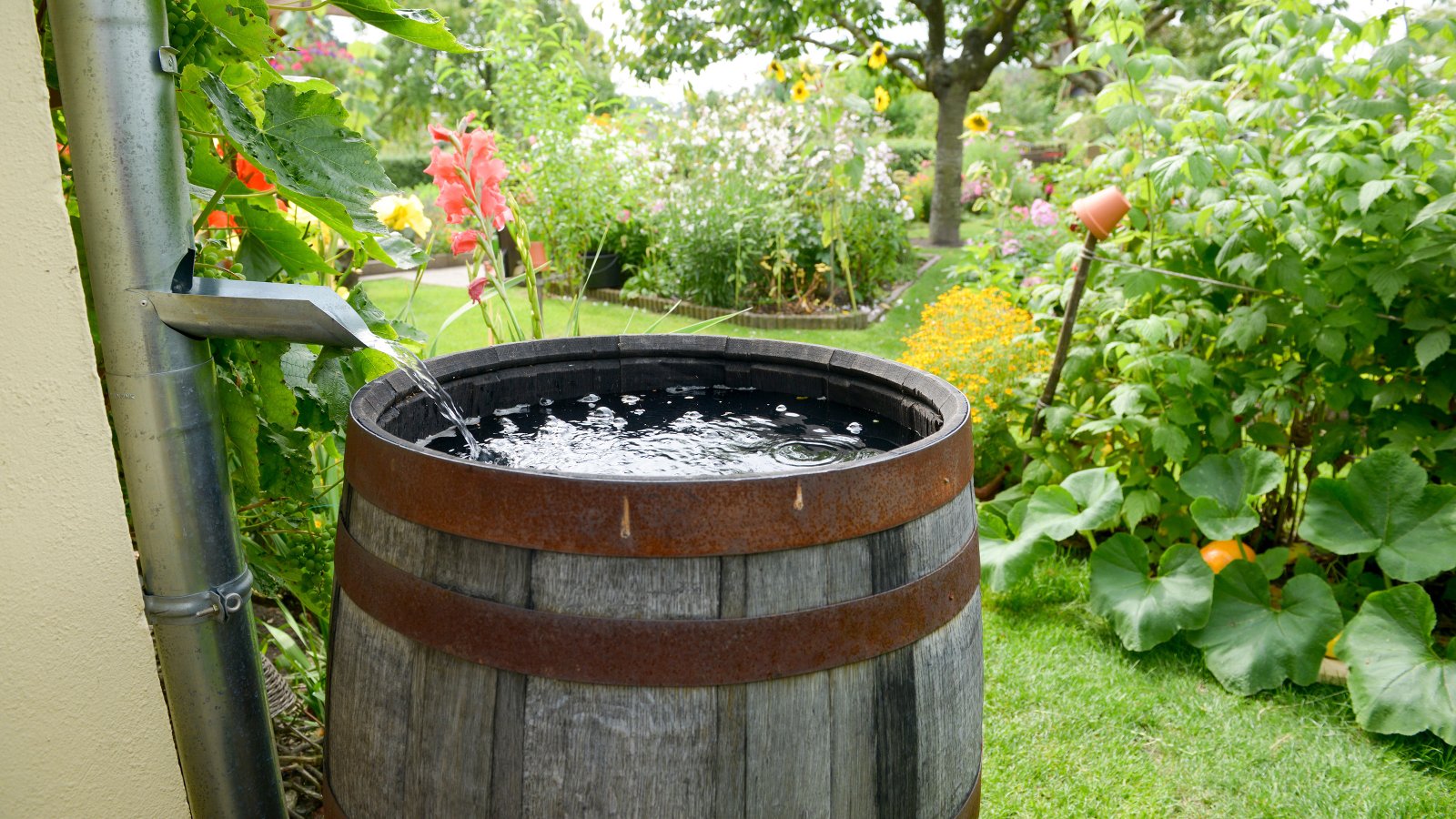
Rainwater harvesting can be as simple as placing a covered barrel under a downspout, but a useful system needs more thought than “catch water and use it later.” You need to consider roof material, local rules, storage size, overflow, mosquitoes, debris, water quality, and how quickly your garden actually uses water.
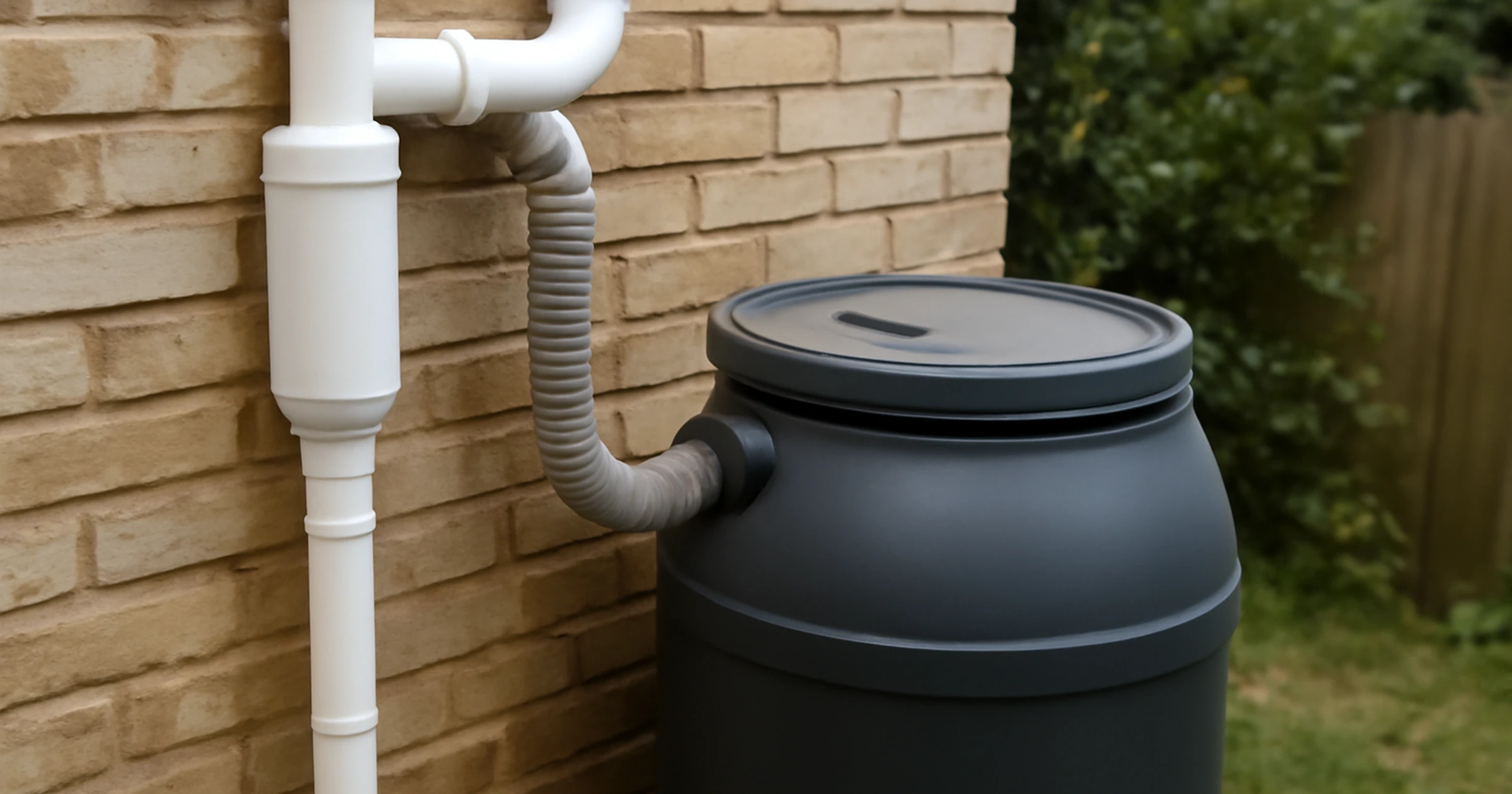
A small rain barrel will not make a large garden independent from tap water through a long dry season. What it can do is capture water that would otherwise leave the property, provide a convenient supply for containers and ornamental beds, and help you understand how much water your landscape consumes.
This guide explains how to collect and use rainwater safely in a home garden. It covers system planning, barrel placement, first-flush considerations, covered storage, irrigation methods, food-garden caution, winter care, and common mistakes.
Start by Checking Local Rules
Rainwater harvesting rules vary by location. Some regions encourage it, while others regulate storage volume, plumbing connections, or how collected water may be used.
Before installing a large system, check your local government, water utility, or extension service. This is especially important if you plan to connect multiple tanks, alter drainage, or use collected roof runoff around edible crops.
The U.S. Environmental Protection Agency provides general information about rain barrels and stormwater management. Local guidance should still take priority because building codes and public-health recommendations differ.
Understand Where Rainwater Comes From
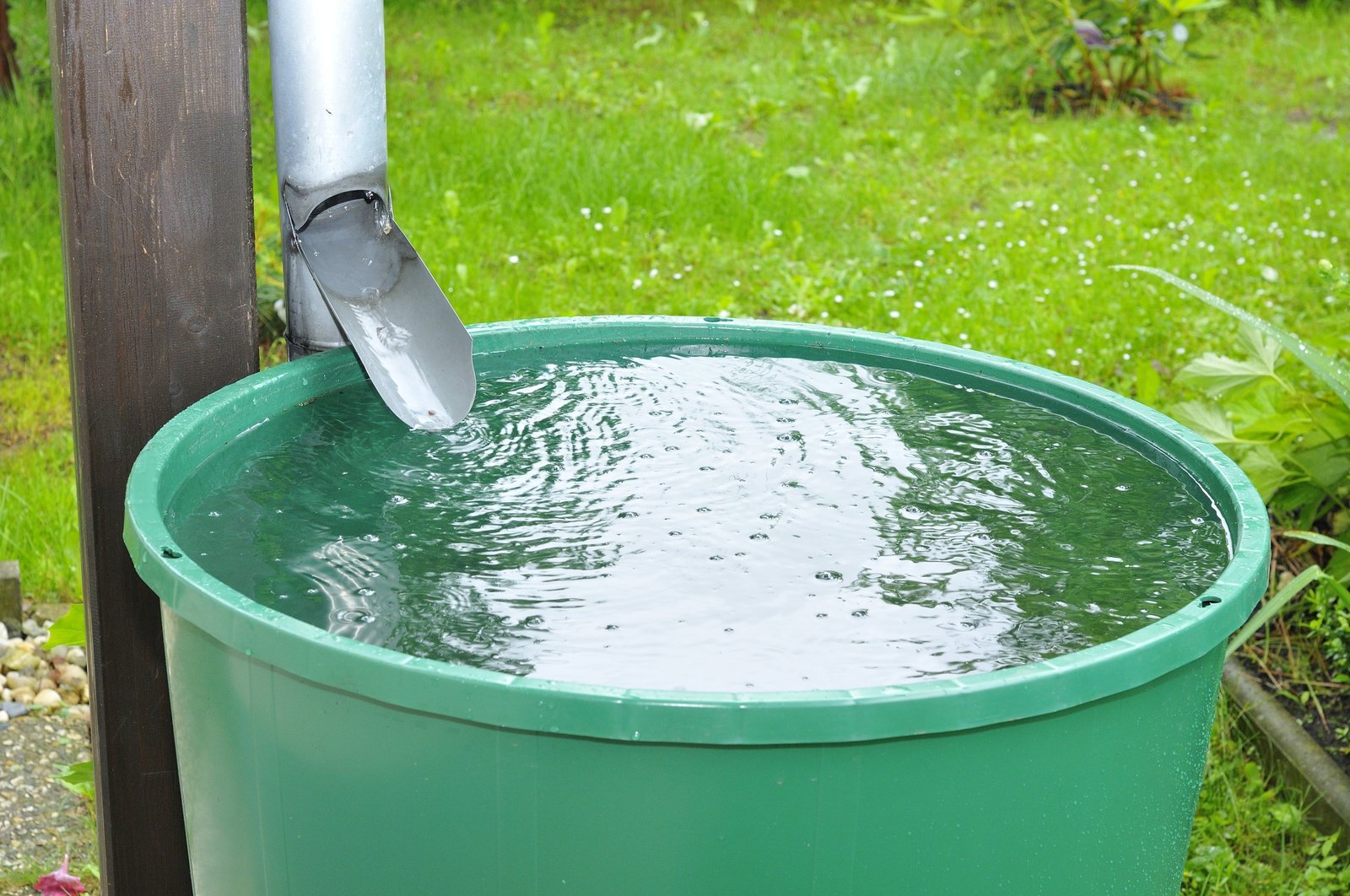
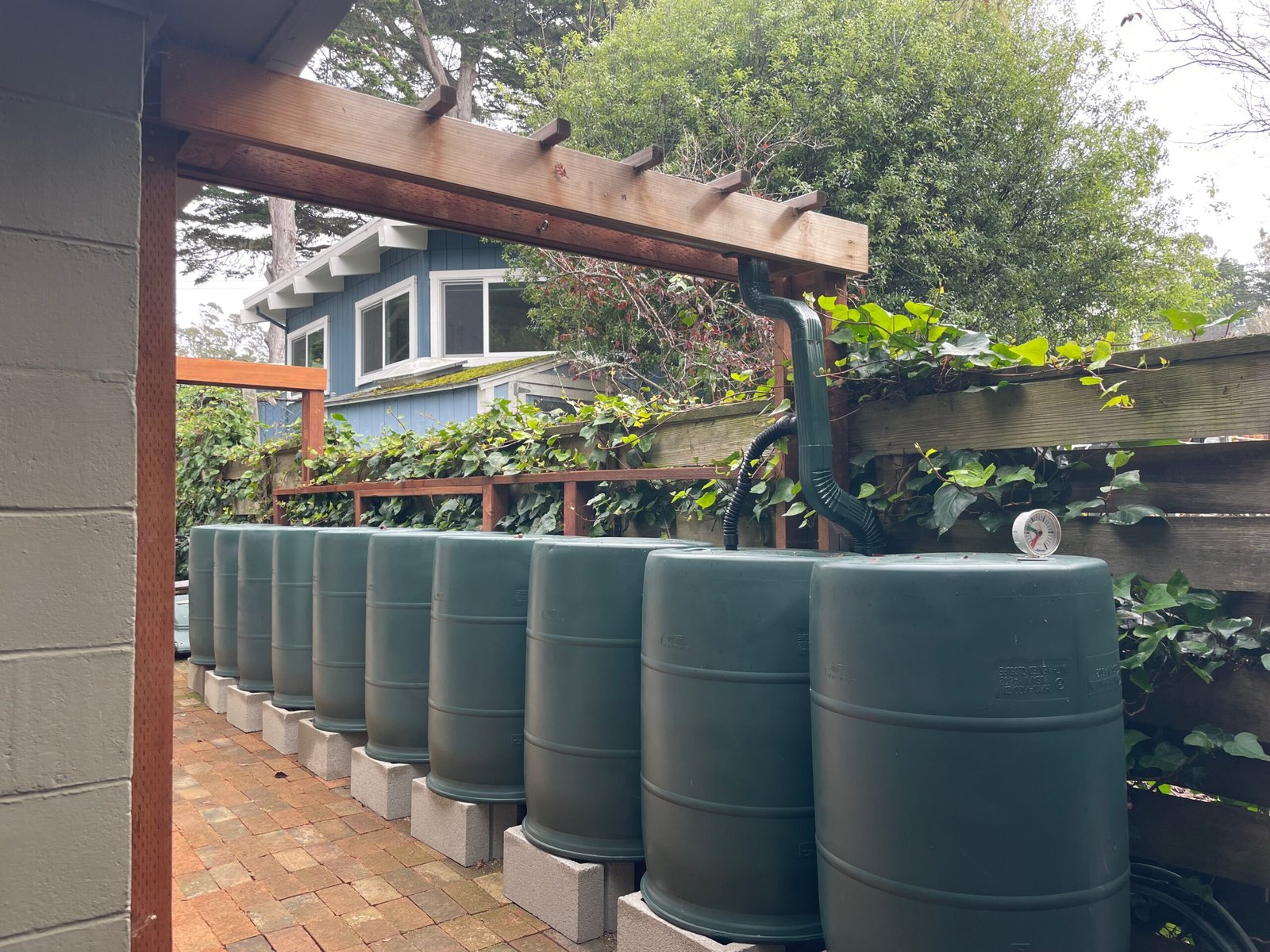
Most home systems collect runoff from a roof through gutters and downspouts. The amount available depends on:
- Roof area connected to the downspout.
- Rainfall amount.
- Roof slope and material.
- Losses from splash, gutter overflow, and first-flush diversion.
- Tank capacity.
Even a moderate roof can produce more water in one storm than a small barrel can hold. That is why overflow planning is not optional.
Estimate How Much Water You Can Capture
You do not need a perfect engineering calculation for a small garden. A rough estimate helps you choose realistic storage.
Think about two questions:
- How much roof area drains to this downspout?
- How much water will my garden use between storms?
If a barrel fills after every moderate rain but is empty after watering a few containers, a second barrel may be useful. If the barrel stays full for weeks because you rarely use it, adding more storage may not solve any real problem.
Choose a Safe Storage Container
Use a container designed for water storage or a food-grade barrel with a known history. Avoid unknown drums that may have stored chemicals, oils, pesticides, or industrial products.
A good rain barrel should have:
- A secure lid.
- A screened inlet.
- A controlled overflow outlet.
- A spigot or pump connection suitable for garden use.
- Stable walls that tolerate the weight of water.
- Opaque or shaded sides to reduce algae growth.
Water is heavy. Place the container on a stable, level base that can support the full weight.
Plan the Overflow Before You Connect the Downspout
A full barrel cannot accept more water. Without a proper overflow, water may spill next to the foundation, erode soil, flood a path, or enter a basement or crawl space.
A safe overflow should:
- Handle heavy rainfall.
- Direct water away from the building.
- Discharge to a stable surface or approved drainage area.
- Remain clear of leaves and debris.
Do not block a downspout unless you have a reliable path for excess water.
Use Screens to Keep Debris and Mosquitoes Out
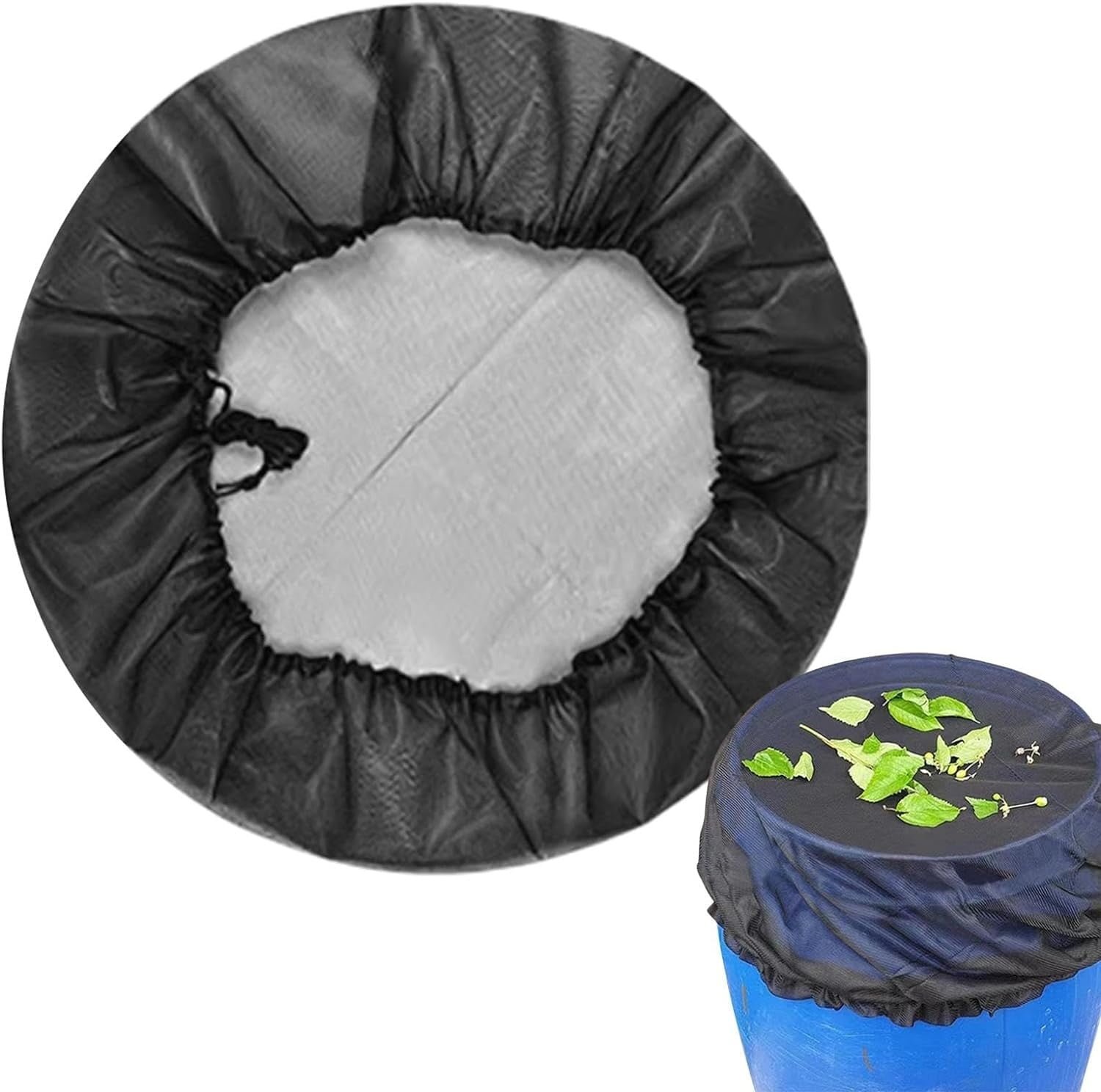
Standing water can become mosquito habitat if insects can reach it. Cover every opening with a secure lid or fine screen.
Check screens often. Leaves and roof debris can clog an inlet and force water to overflow in the wrong place.
If mosquitoes are already present, empty and clean the container if practical, then correct the access point. Local mosquito-control guidance may recommend specific products for stored water, but only use products labeled for that purpose and follow instructions exactly.
Consider Roof and Gutter Materials
Roof runoff can carry dust, bird droppings, pollen, roofing particles, metals, and other contaminants. Water quality depends on roof material, local air pollution, time since the last rain, gutter condition, and storage practices.
That is why collected roof water should not automatically be treated as drinking water. Garden use is simpler, but edible-crop use still deserves caution.
If your roof contains materials that may leach metals or other substances, seek local guidance before using runoff on food crops.
What Is a First-Flush Diverter?
The first part of a rain event often washes the most accumulated dust and debris from the roof. A first-flush diverter routes some of that initial runoff away from the storage tank.
Small ornamental-garden systems may not always use one, but it can improve collected-water quality where roof debris is a concern.
A diverter needs maintenance. If it fills with dirt or remains open, it can stop working correctly.
Where to Place the Rain Barrel
Choose a location close to the downspout and close enough to the garden that you will actually use the water.
Good placement includes:
- A stable, level base.
- Easy access for cleaning.
- Space for overflow piping.
- Protection from vehicle traffic and children playing.
- Enough elevation for gravity flow if using a hose from the bottom outlet.
Do not stack a heavy tank on unstable blocks. If elevation is needed, use a platform designed for the load.
Gravity Pressure Is Limited
A barrel sitting slightly above the ground produces much less pressure than a household tap. Long hoses, uphill runs, and pressure-compensating drip emitters may not work well without a pump.
For simple use, fill a watering can from the spigot or run a short hose downhill. If you want automated drip irrigation, choose low-pressure components designed for gravity systems or use an appropriate pump.
How to Use Rainwater in Ornamental Beds
Ornamental beds are one of the easiest uses for collected rainwater. Apply water near the soil rather than spraying foliage unnecessarily.
Prioritize:
- New transplants.
- Containers that dry quickly.
- Plants under roof overhangs that miss natural rain.
- Small high-value beds close to the tank.
Use stored water regularly so the system has capacity for the next storm.
Using Collected Rainwater on Edible Crops
This requires more care because roof runoff is not guaranteed to be free of pathogens or chemical contaminants.
Recommendations vary by region, roof material, crop, and system design. Some guidance allows careful use around the soil while discouraging direct contact with edible leaves or fruits. Other sources may recommend additional treatment or avoiding certain roofs entirely.
For food gardens:
- Check local extension or public-health guidance.
- Know the roof material.
- Keep gutters and storage clean.
- Use covered storage.
- Apply water to soil rather than directly onto edible plant parts when recommended.
- Wash produce with safe potable water before eating.
Do not assume that clear-looking water is microbiologically safe.
How Long Can Water Sit in a Barrel?
There is no single useful time limit because storage conditions vary. The goal is to keep the barrel covered, shaded, and clean, and to cycle water through the garden rather than leaving it stagnant for long periods.
If water develops a strong odor, visible contamination, heavy algae, or mosquito activity, stop using it until the system is cleaned and the cause is corrected.
Clean Gutters and Screens
A rainwater system is only as clean as its collection path.
Routine maintenance
- Remove leaves from gutters.
- Clean inlet screens.
- Inspect overflow pipes.
- Check the barrel lid.
- Look for cracks and leaks.
- Flush sediment from the bottom if the design allows.
- Clean a first-flush diverter if installed.
Maintenance is especially important after storms, roof work, wildfire smoke, heavy pollen, or long dry periods.
Keep the System Shaded
Sunlight can warm stored water and encourage algae. Place the barrel in shade if practical, or use an opaque container.
Do not wrap the tank in materials that trap moisture against a building or create pest habitat. The goal is simple light reduction and safe access.
Rain Barrel vs. Larger Tank
| Feature | Rain Barrel | Larger Tank |
|---|---|---|
| Cost | Lower | Higher |
| Installation | Simple | May require professional planning |
| Capacity | Limited | Much greater |
| Pressure | Low by gravity | Often still needs pump |
| Best use | Containers and small beds | Larger landscapes and longer dry periods |
| Overflow needs | Important | Critical |
Start with the smallest system that solves a real problem. A complex tank installation is not automatically more sustainable if it is oversized, difficult to maintain, or rarely used.
Link Rainwater Harvesting With Better Garden Design
Stored water is only one part of water-smart gardening. You can make the captured water last longer by:
- Using mulch.
- Improving soil organic matter.
- Grouping plants by water needs.
- Reducing unnecessary lawn.
- Choosing adapted plants.
- Using drip or targeted watering.
- Directing overflow to planted areas where appropriate.
A rain barrel attached to a wasteful irrigation system saves less than a smaller barrel combined with good soil and careful watering.
Can Overflow Feed a Rain Garden?
Yes, in suitable designs. A rain barrel overflow can sometimes discharge toward a rain garden or other infiltration area, provided water is directed safely away from foundations and local drainage rules allow it.
The overflow route must handle large storms even when the barrel is already full. Do not depend on the storage tank to prevent flooding.
Winter Care
In freezing climates, water can expand and damage barrels, valves, pipes, and hoses.
Before hard freezes:
- Drain the barrel if required by the product.
- Disconnect or bypass the downspout system.
- Store removable hoses and fittings.
- Restore normal downspout drainage away from the foundation.
- Follow manufacturer instructions for tanks designed to remain outdoors.
Common Rainwater Harvesting Mistakes
No overflow plan
A full barrel spills beside the house and creates a new drainage problem.
Open water
Unscreened openings allow mosquitoes and debris into storage.
Unknown barrel history
Reusing a chemical drum can introduce contaminants.
Expecting high hose pressure
Gravity systems often cannot power standard irrigation equipment.
Using roof runoff on food crops without checking guidance
Roof material and water quality matter.
Never cleaning the system
Sediment, leaves, and algae build up over time.
Oversizing before measuring use
A large tank may not be worth the cost if the garden uses little stored water.
Real-World Example: A Small Urban Garden
A gardener has a patio, ten containers, and two ornamental beds. One downspout drains a section of roof toward a paved alley.
They install a covered 200-liter barrel on a stable platform. The inlet has fine mesh, and the overflow reconnects to the existing safe drainage route. The roof material is checked, and the gardener decides to use the water only for ornamentals and non-edible container plants.
After each rain, the barrel fills quickly. Instead of saving water for months, the gardener uses it over the next week. Containers are watered with a can, and the ornamental bed receives the rest.
The gardener notices that the barrel often fills before storms end, so they do not add a second barrel immediately. First, they improve mulch and reduce water use in the beds. Later, after tracking several months, they add a second linked barrel because the first is consistently emptied between storms.
The system succeeds because it matches actual garden demand and has safe overflow.
Rainwater System Checklist
- Check local regulations.
- Know your roof material.
- Use a safe water-storage container.
- Place it on a stable base.
- Screen all openings.
- Plan overflow before installation.
- Keep gutters clean.
- Use a first-flush system if appropriate.
- Protect storage from direct sun.
- Understand gravity-pressure limits.
- Use food-garden water according to local safety guidance.
- Maintain the system throughout the year.
Frequently Asked Questions
Can I drink water from a rain barrel?
Standard garden rain barrels are not designed to provide potable water. Drinking-water systems require appropriate treatment, testing, plumbing, and local compliance.
Will one rain barrel water my whole garden?
Usually not for long. A small barrel is best viewed as supplemental storage for containers, small beds, or short dry periods.
Do I need a pump?
Not for filling watering cans or short downhill hoses. A pump may be needed for pressure-dependent irrigation systems.
How do I stop mosquitoes?
Keep the tank completely covered, screen inlets and overflows, repair gaps, and avoid open standing water.
Can I connect several barrels?
Yes, if the system is designed correctly. Every linked system still needs a final overflow route that handles heavy rain.
Is collected rainwater better for plants than tap water?
It may contain fewer treatment chemicals, but quality varies and roof runoff can contain contaminants. Plant response depends on water quality, soil, and species. Do not assume all rain-barrel water is automatically superior.
Conclusion: Treat Rainwater as a Useful Supplement
Rainwater harvesting works best when the system is simple, safe, and matched to your garden. Start by checking local rules and roof conditions. Choose a known, secure storage container, cover every opening, and design overflow before connecting the downspout.
Use the stored water regularly. Keep gutters, screens, and barrels clean. Understand that gravity pressure is limited and that food-garden use may require extra precautions.
Most importantly, combine rainwater collection with efficient irrigation, mulch, good soil, and sensible plant selection. A barrel is not a complete water strategy, but it can become a practical part of one—especially when every liter collected is directed to a plant that actually needs it.