Cucumbers are productive plants, but they can quickly take over a small vegetable bed. Long vines spread across paths, leaves hide fruit, and damp foliage close to the soil can develop disease. Growing cucumbers vertically solves many of these problems by lifting the vines onto a trellis.
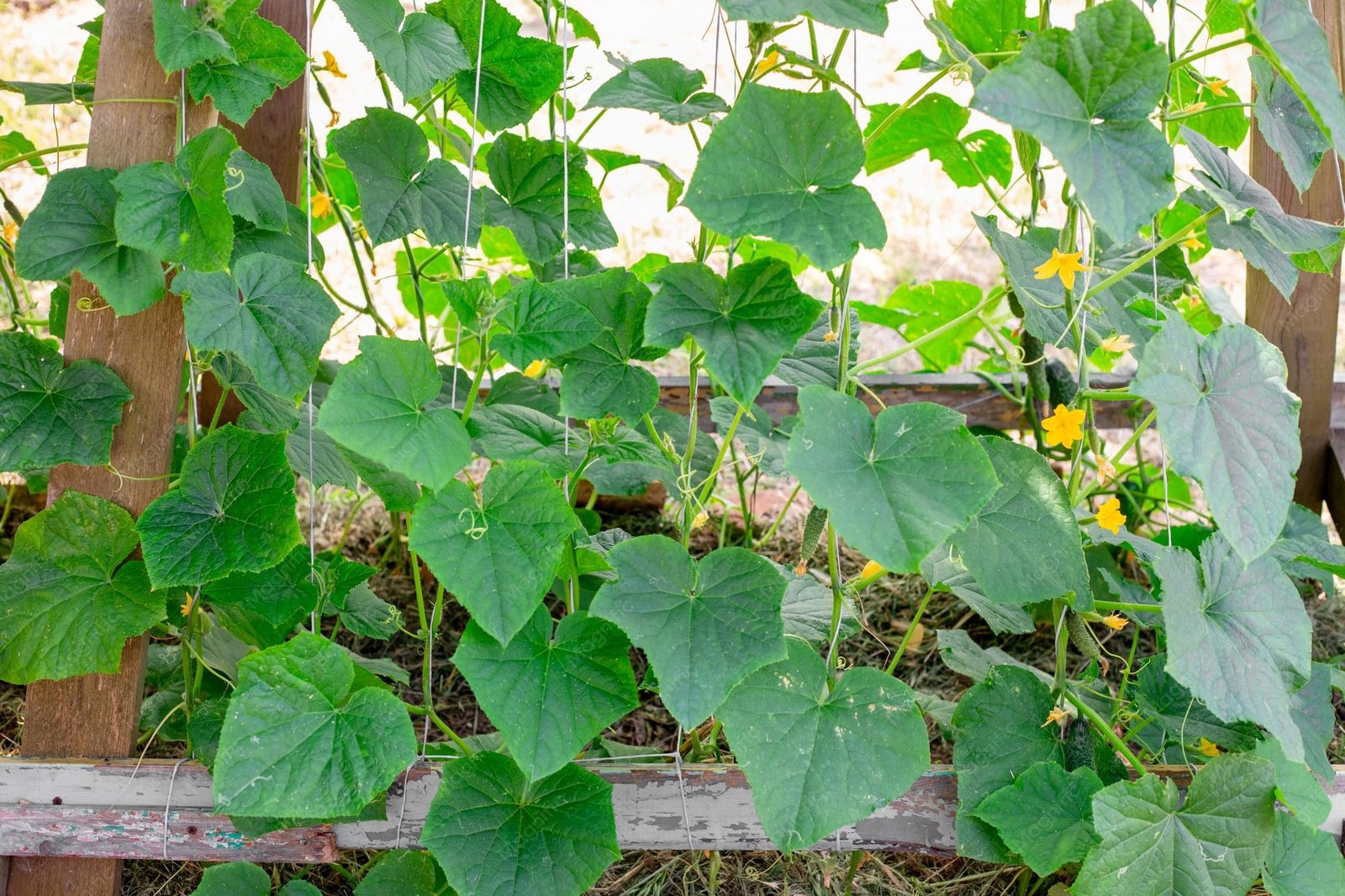
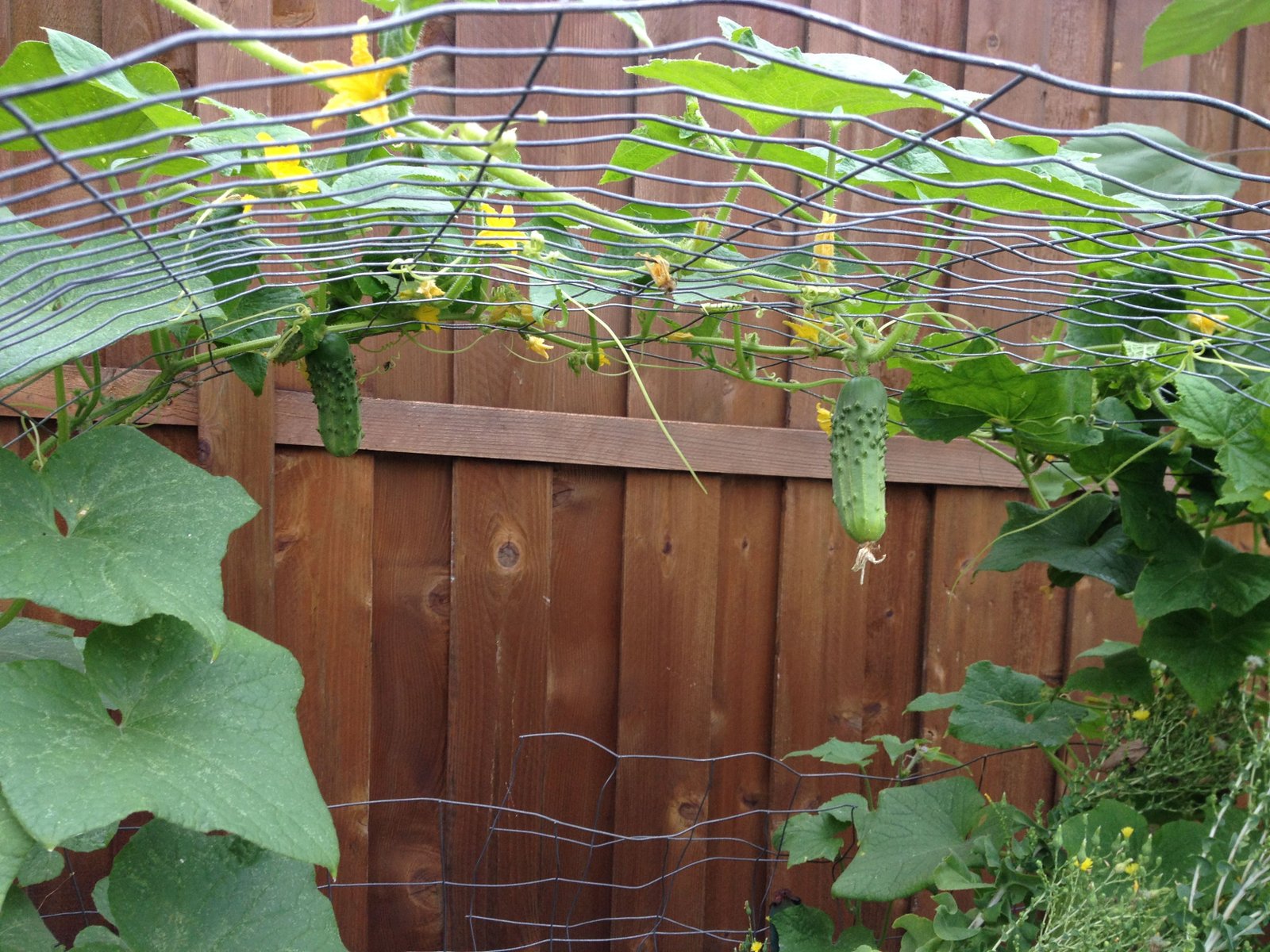
Vertical growing improves airflow, keeps fruit straighter and cleaner, makes pests easier to spot, and turns a sprawling crop into a narrow wall of foliage. It also makes harvesting faster because cucumbers hang where you can see them.
This guide explains how to grow cucumbers vertically from seed or transplants. You will learn which varieties work best, how to build a strong trellis, how to train vines, water and feed plants, support pollination, prevent disease, and harvest at the right size.
Choose a Vining Cucumber Variety
Cucumbers come in two main growth types: bush and vining.
- Vining cucumbers: produce long runners and are ideal for trellises.
- Bush cucumbers: stay compact and work well in containers but gain less from vertical support.
For vertical growing, choose a vining slicing, pickling, or greenhouse variety.
The Royal Horticultural Society vegetable-growing resources provide broad guidance on cucumbers and other home vegetables.
When to Plant Cucumbers
Cucumbers are warm-season plants. Seeds germinate best when soil temperatures are at least 18°C (65°F), and plants grow fastest between 21°C and 29°C (70–85°F).
Plant outdoors one to two weeks after the last frost when nights stay above 10°C (50°F). Cold soil slows growth and increases root problems.
You can start seeds indoors three to four weeks before transplanting, but cucumbers dislike root disturbance. Use individual pots and transplant carefully.
Step 1: Choose a Sunny Location
Cucumbers need at least six to eight hours of direct sun. More sun generally produces more flowers and fruit.
In very hot climates, light afternoon shade can reduce heat stress, but too much shade leads to weak vines and fewer cucumbers.
Choose a location protected from strong wind because trellised vines act like sails.
Step 2: Prepare Rich, Well-Drained Soil
Cucumbers grow quickly and need fertile soil that holds moisture without staying waterlogged.
- Loosen soil 20 to 30 centimeters deep.
- Add 5 to 8 centimeters of finished compost.
- Remove stones and large roots.
- Check drainage after watering.
- Aim for soil pH around 6.0 to 7.0.
If soil is heavy clay, grow cucumbers in raised beds or containers where drainage is easier to control.
Step 3: Build the Trellis Before Planting
Install support before vines start growing. Mature cucumber plants are heavy, especially after rain.
Good trellis options
- Cattle panels
- Metal garden fencing
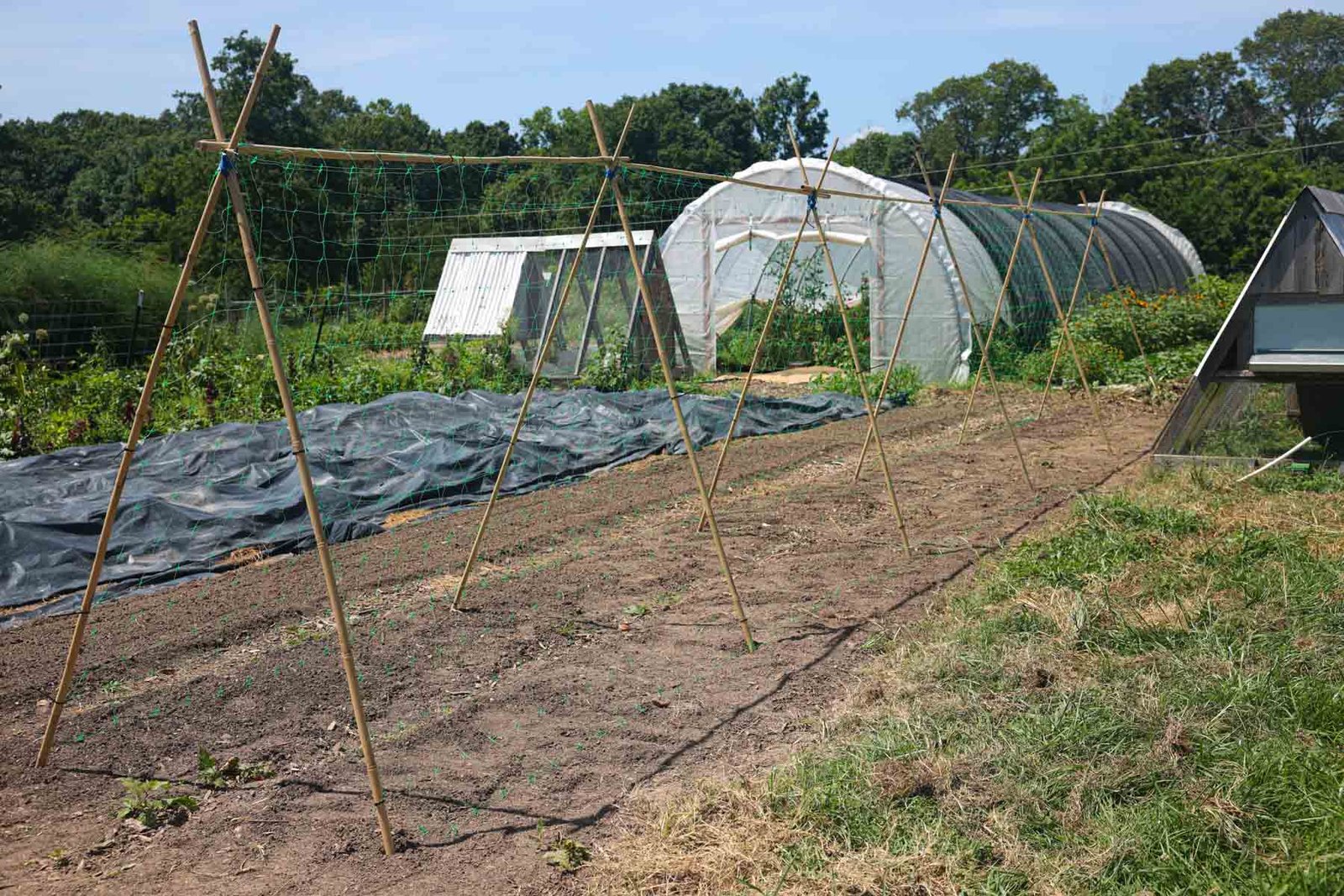
- Wooden A-frame trellises
- Strong nylon netting
- Vertical strings from an overhead frame
The trellis should be 1.5 to 2 meters tall for most varieties and anchored securely.
Avoid thin decorative trellises that may collapse under a full crop.
Step 4: Sow or Transplant at the Right Spacing
For direct sowing:
- Plant seeds 2 to 3 centimeters deep.
- Space seeds 15 to 20 centimeters apart along the trellis.
- Water gently.
- Thin to 30 to 45 centimeters apart after seedlings emerge.
For transplants, space plants 30 to 45 centimeters apart. Give each plant enough room for airflow.
Step 5: Train Young Vines Up the Trellis
Cucumber vines climb using tendrils, but young plants may need help finding the support.
Guide the main stem through the trellis openings or tie it loosely with soft garden tape. Do not wrap ties tightly around stems.
Once tendrils grab the trellis, vines usually climb on their own.
Watering Cucumbers
Cucumbers are about 95% water, so consistent moisture is essential. Uneven watering causes bitter fruit and misshapen cucumbers.
Water deeply when the top 3 to 5 centimeters of soil begin to dry. Aim for 2.5 to 4 centimeters of water per week, including rainfall.
During hot weather, check soil daily. Mulch with straw or shredded leaves to reduce evaporation.
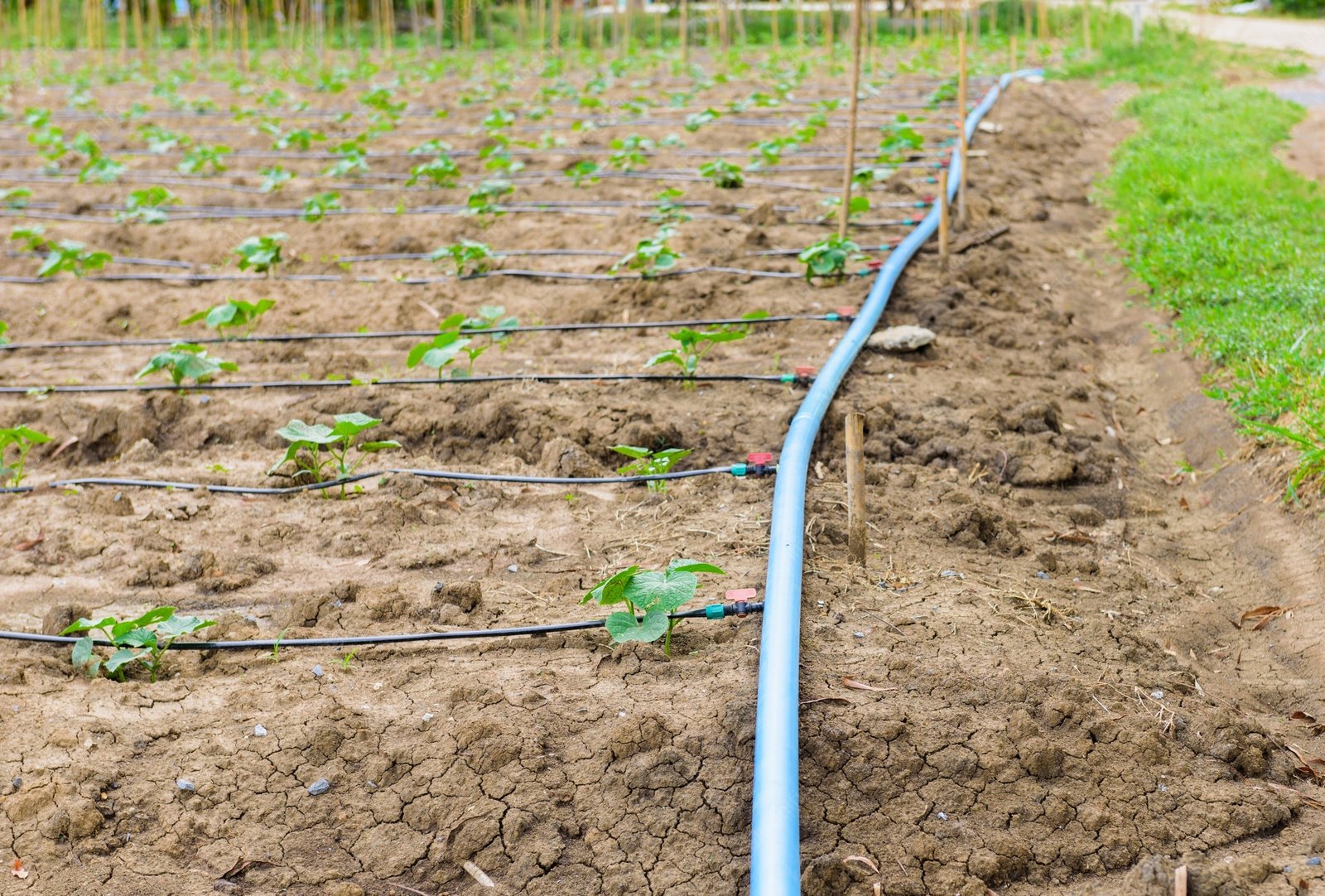
Use drip irrigation or soaker hoses when possible. Keeping leaves dry reduces fungal disease.
Fertilizing Cucumbers
Too much nitrogen creates lush leaves but few flowers. Start with compost-rich soil, then feed when vines begin flowering.
Use a balanced vegetable fertilizer or one slightly higher in phosphorus and potassium. Follow the label rate.
For container cucumbers, feed every two weeks with half-strength liquid fertilizer.
Understanding Cucumber Flowers
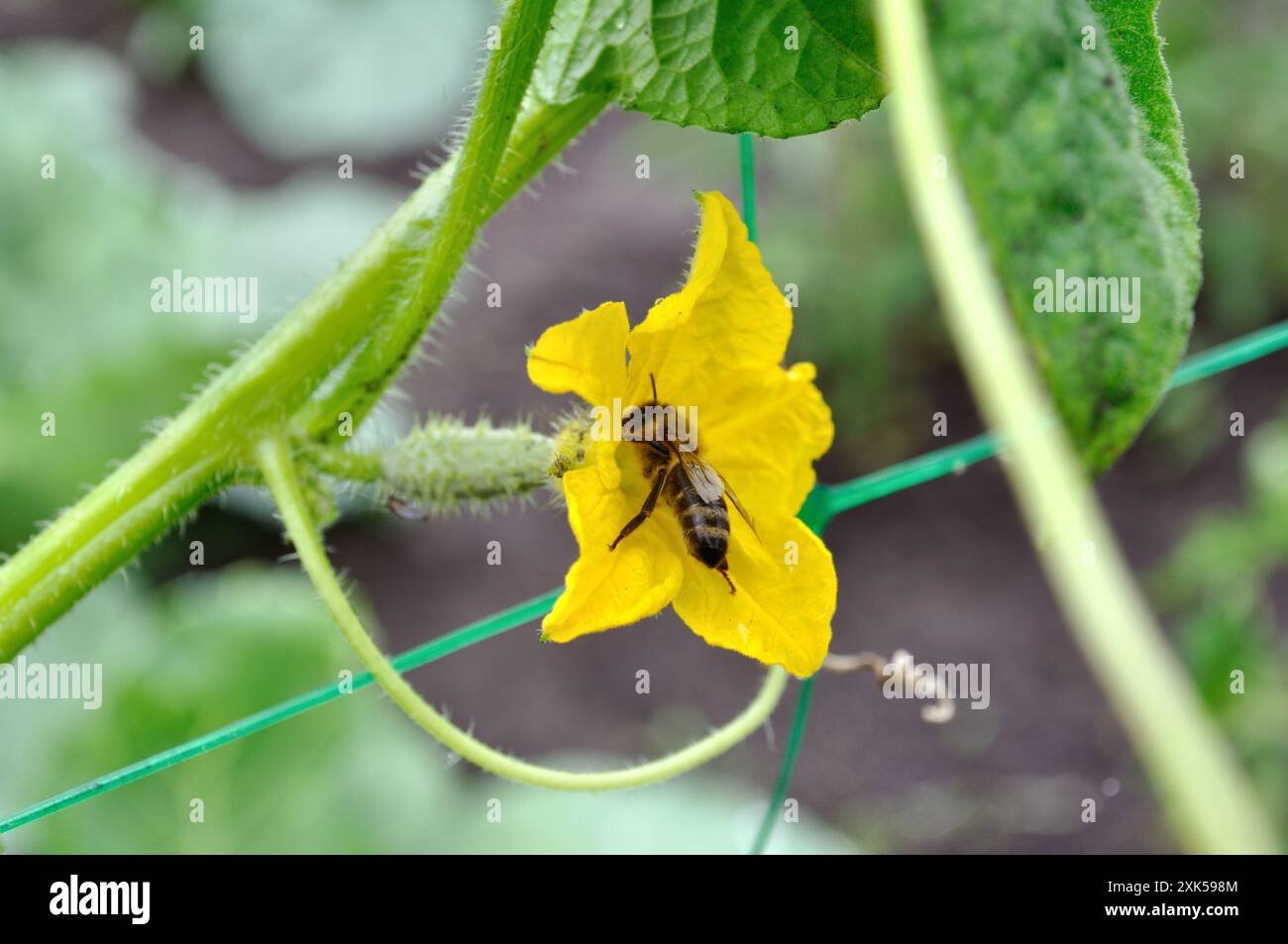
Most cucumber plants produce separate male and female flowers.
Male flowers
Appear first and grow on thin stems. They provide pollen but do not produce fruit.
Female flowers
Have a tiny cucumber-shaped ovary behind the flower.
Bees transfer pollen from male to female flowers. Poor pollination causes small cucumbers that yellow and fall off.
How to Hand-Pollinate Cucumbers
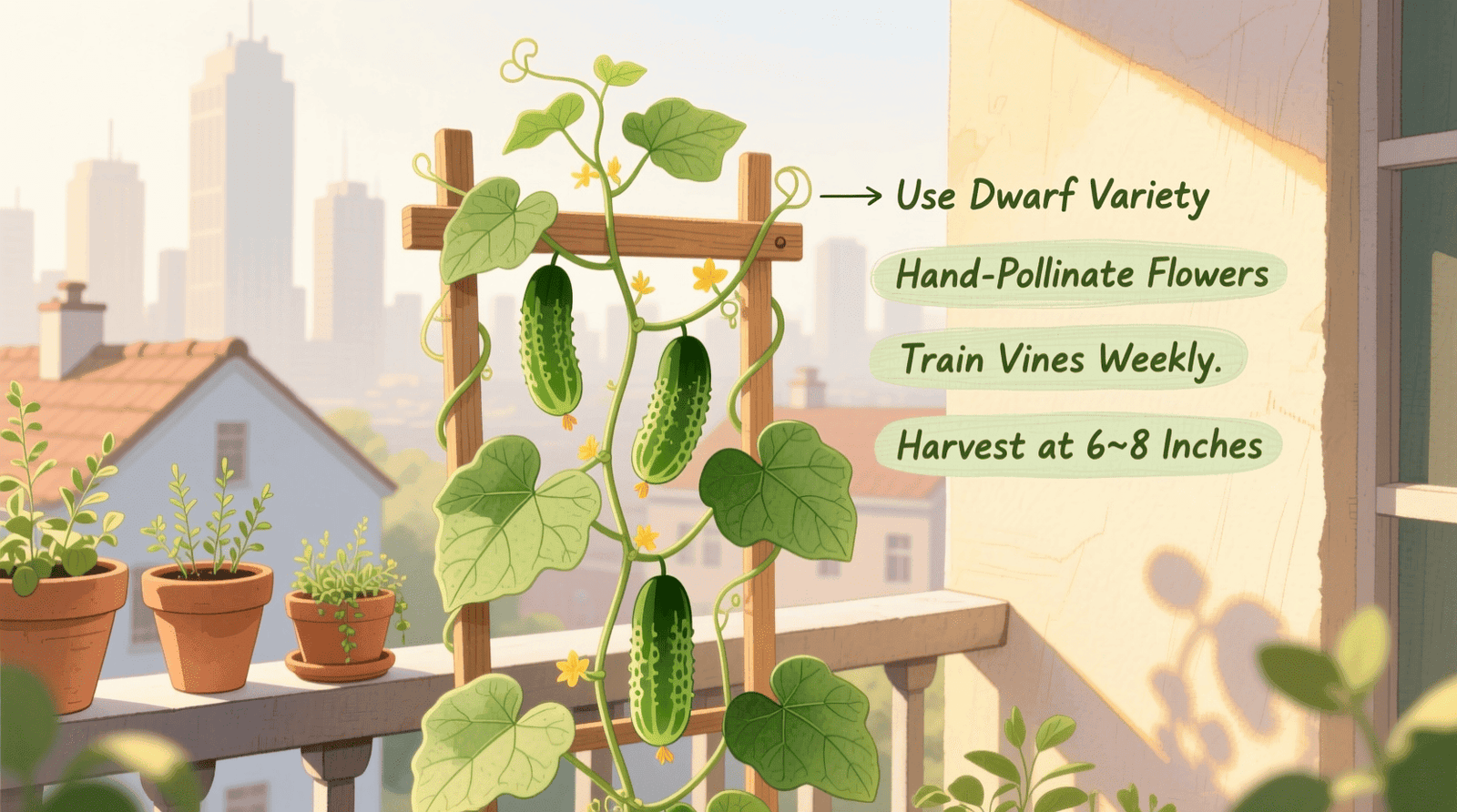
If bee activity is low, hand-pollinate in the morning.
- Pick a fresh male flower.
- Remove the petals.
- Touch the pollen-covered center to the inside of a female flower.
- Repeat with several flowers.
You can also use a small paintbrush to transfer pollen.
Parthenocarpic Cucumbers
Some greenhouse cucumber varieties produce fruit without pollination. These are called parthenocarpic varieties.
They are useful in screened gardens or greenhouses where bees are absent. Check the seed packet because some parthenocarpic varieties become misshapen if pollinated.
Common Cucumber Pests
Cucumber beetles
Yellow-and-black beetles chew leaves and can transmit bacterial wilt. Use floating row cover early in the season, then remove it when female flowers appear for pollination.
Squash bugs
Gray-brown insects suck sap from leaves. Hand-pick adults and destroy bronze egg clusters under leaves.
Aphids
Small insects cluster on new growth. Spray with water or insecticidal soap if needed.
Common Cucumber Diseases
Powdery mildew
White powdery patches appear on older leaves. Improve airflow, avoid overhead watering, and choose resistant varieties.
Downy mildew
Yellow angular spots develop on leaves. Remove infected plants and avoid working among wet foliage.
Bacterial wilt
Leaves suddenly wilt while soil is moist. Cut a stem and press the ends together—sticky threads may indicate bacterial wilt. Remove infected plants immediately.
Why Cucumbers Become Bitter
Bitterness is caused by compounds called cucurbitacins. Stress increases their concentration.
Common causes:
- Irregular watering
- Extreme heat
- Cold temperatures
- Old overmature fruit
- Some varieties
Keep soil evenly moist and harvest regularly.
Why Cucumbers Are Curved
Curved or misshapen fruit can result from poor pollination, uneven watering, physical obstruction, or temperature stress.
Vertical growing helps fruit hang freely and develop straighter.
How to Grow Cucumbers in Containers
Choose a container at least 20 liters in volume and 30 centimeters deep.
Use one plant per container for standard vining varieties. Install a trellis at planting time.
Container cucumbers dry quickly. Check moisture daily during hot weather and fertilize every two weeks.
Real-World Example: Two Cucumbers in a Small Raised Bed
A gardener has a 1.2-by-2.4-meter raised bed and wants cucumbers without losing space for lettuce and carrots.
They install a 1.8-meter cattle-panel trellis along the north side. Two cucumber plants are spaced 60 centimeters apart.
The vines grow vertically while shorter crops remain in front. Drip tubing runs beneath straw mulch.
By midsummer, the cucumbers cover the trellis but occupy only 30 centimeters of bed width. Harvesting takes minutes because fruit hangs in clear view.
How to Harvest Cucumbers
Harvest cucumbers while they are young and firm. Overmature fruit becomes seedy and slows new fruit production.
| Type | Harvest Size |
|---|---|
| Pickling | 5–10 cm |
| Slicing | 15–20 cm |
| English | 25–35 cm |
Cut fruit with scissors rather than pulling vines.
Check plants every day during peak production. Cucumbers can double in size in 48 hours.
Storing Fresh Cucumbers
Store cucumbers in the refrigerator for 7 to 10 days. Keep them dry and avoid sealing wet fruit in plastic.
For longer storage, pickle them using a tested recipe from a reliable food-safety source.
Common Cucumber-Growing Mistakes
Installing the trellis too late
Trying to untangle mature vines causes damage.
Planting too close
Crowded vines develop disease and produce less fruit.
Overfertilizing with nitrogen
Plants grow leaves instead of flowers.
Letting soil dry completely
Drought stress causes bitter fruit.
Leaving mature cucumbers on the vine
Overripe fruit slows new production.
Cucumber Growing Checklist
- Choose a vining variety.
- Plant after soil reaches 18°C.
- Provide 6–8 hours of sun.
- Build a 1.5–2 m trellis before planting.
- Space plants 30–45 cm apart.
- Water deeply and consistently.
- Mulch to conserve moisture.
- Feed when flowering begins.
- Watch for cucumber beetles.
- Harvest every 1–2 days.
Frequently Asked Questions
Do cucumbers need a trellis?
No, but trellising saves space, improves airflow, and makes harvesting easier.
How many cucumber plants do I need?
Two to four healthy plants produce plenty for most households. One plant can yield 10 to 20 cucumbers.
Why are my cucumber flowers falling off?
Male flowers naturally fall after releasing pollen. Female flowers fall if pollination fails or the plant is stressed.
Can I grow cucumbers in partial shade?
They need at least six hours of sun for good production. Less light reduces flowers and fruit.
Should I prune cucumber vines?
Pruning is optional outdoors. Remove yellow or diseased leaves, but avoid heavy pruning that reduces photosynthesis.
How long do cucumber plants produce?
Most produce for 6 to 10 weeks. Succession planting every three weeks extends the harvest.
How to Position a Cucumber Trellis in a Mixed Vegetable Bed
A tall trellis changes light patterns, so placement matters. In many Northern Hemisphere gardens, placing the trellis toward the north side of the bed reduces the chance that mature vines shade shorter crops for most of the day. In very hot climates, a little afternoon shade may actually help lettuce or herbs planted nearby, so observe the site rather than following one rule blindly.
Leave enough space behind the trellis to reach both sides. If the structure sits tight against a fence, harvesting hidden fruit and removing diseased leaves becomes harder. A narrow service path can make the whole system easier to maintain.
Manage the Lower Leaves for Better Airflow
As vines mature, older leaves near the soil may yellow or become damaged. Remove leaves that are clearly diseased, broken, or resting on wet soil, but do not strip the lower vine aggressively. Healthy leaves feed the crop.
Use clean pruners and cut one leaf at a time. If powdery mildew begins on a few older leaves, removing those leaves early can reduce the amount of infected tissue while you improve airflow and watering practices.
Plan for Pollination Before Flowers Open
If you use insect netting against cucumber beetles, decide in advance when it will be removed. Standard cucumbers need pollinators once female flowers appear. Leaving the cover sealed during flowering can create healthy vines with almost no fruit.
Grow flowering herbs and simple nectar-rich flowers nearby to support bees, but keep aggressive plants from crowding the cucumber root zone. Avoid spraying open flowers with insecticides unless the product label specifically allows it and pollinator precautions are followed.
Use Fruit Shape as a Diagnostic Clue
Cucumbers can tell you a lot about plant conditions. Fruit that is narrow at one end may reflect incomplete pollination. Short, thick, or strongly curved fruit may follow temperature stress or irregular moisture. A sudden drop in fruit size after weeks of good harvests can mean the root zone is drying faster as the vine becomes larger.
Do not react to one unusual cucumber. Look for a pattern across several fruits and then check pollination, moisture, temperature, and nutrition in that order.
Extend the Harvest With a Second Sowing
Cucumber vines often decline from disease or heat before the growing season is finished. In long-summer climates, start a second small sowing several weeks after the first. The younger plants can take over as older vines lose vigor.
Do not plant the second crop in the exact spot of a plant that died from a serious soilborne disease. Use clean seed, healthy soil, and another bed or container if the cause of decline is uncertain.
End-of-Season Cleanup Matters
When production finishes, remove heavily diseased vines instead of leaving them tangled on the trellis. Clean reusable ties and supports. If the trellis is portable, store it where winter weather will not weaken fasteners or netting.
Record which variety handled your climate best, when disease first appeared, and how many plants your household actually needed. Those notes help you plant a more efficient crop next year.
Conclusion: Grow Up, Not Out
Vertical cucumber growing turns a sprawling vine into a productive wall of fruit. Start with a strong trellis, fertile soil, and consistent moisture.
Train vines early, protect pollinators, and harvest fruit while it is young. Most cucumber problems come from stress—irregular watering, overcrowding, or neglected harvests.
With a simple trellis and regular care, two or three plants can supply crisp cucumbers all summer without taking over the garden.