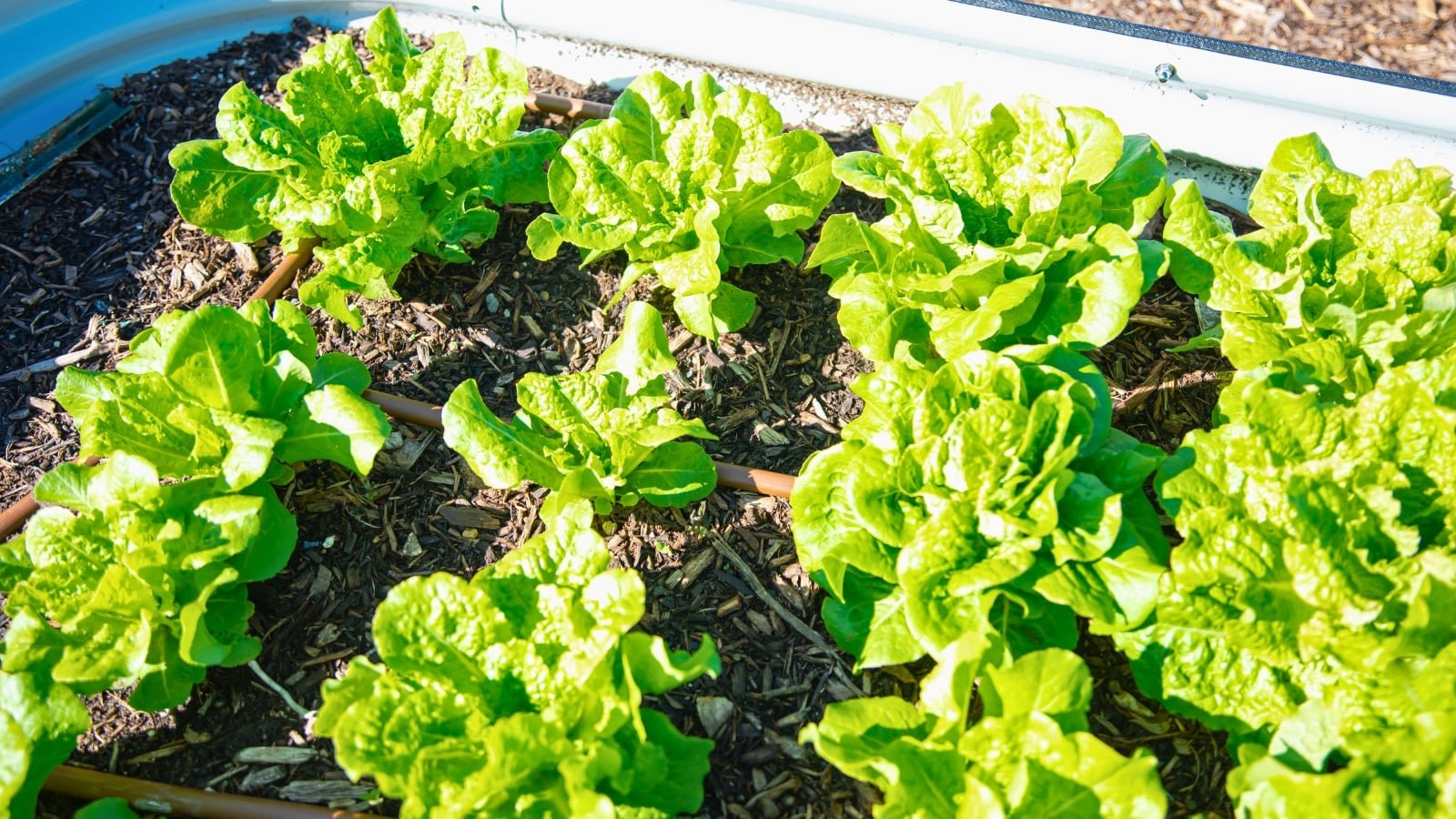
Lettuce is one of the fastest vegetables to grow, but the difference between sweet, crisp leaves and a bitter, bolting plant often comes down to timing. Lettuce prefers cool weather, even moisture, and steady growth. When temperatures rise, soil dries repeatedly, or plants are crowded, quality can decline quickly.
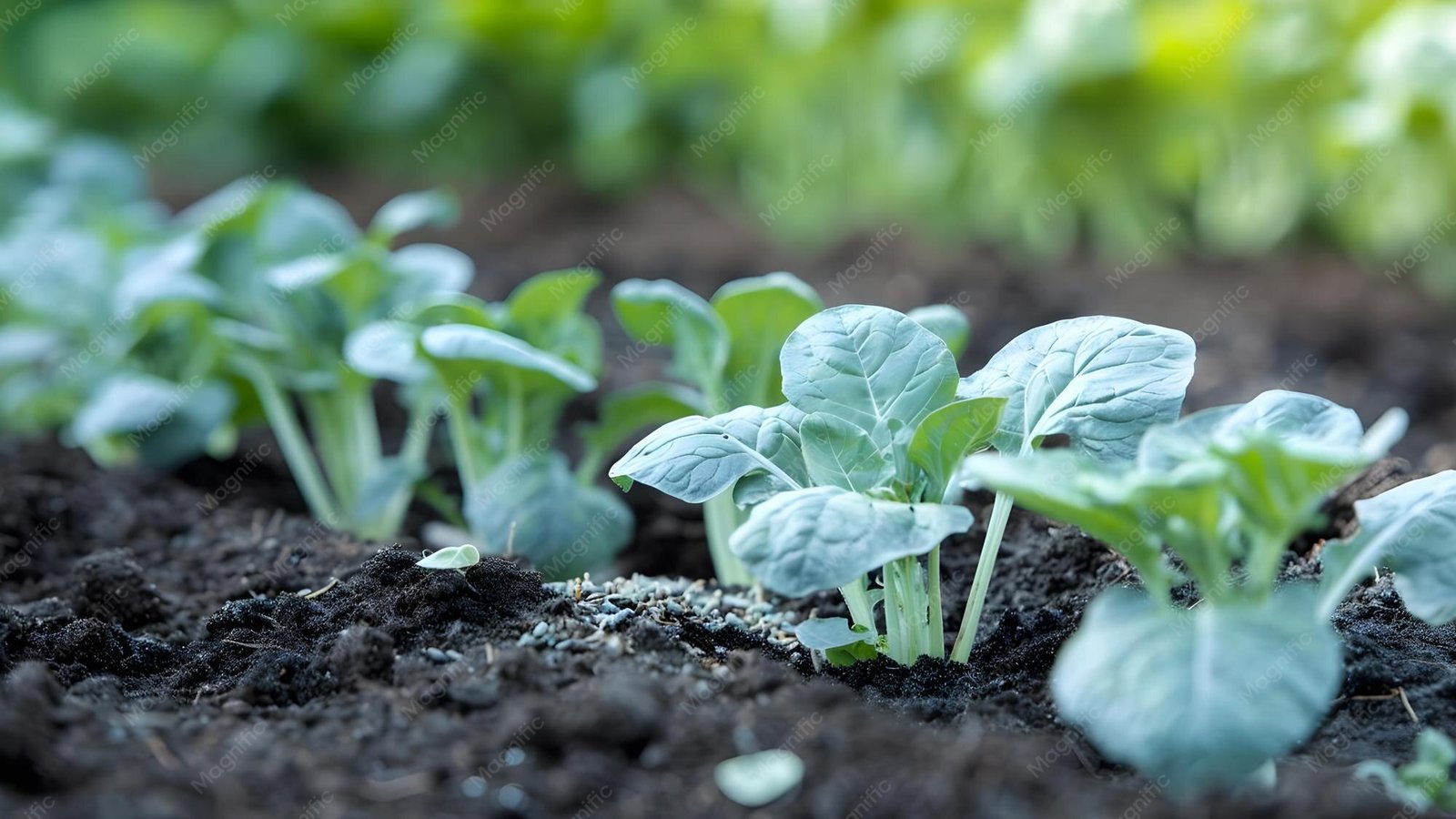
The good news is that lettuce fits small spaces. You can grow it in raised beds, containers, window boxes, and narrow garden rows. You can also harvest it in several ways: as baby leaves, loose outer leaves, or full heads.
This guide explains how to grow lettuce from seed from sowing to harvest. You will learn how to choose a variety, prepare the soil, sow at the right depth, thin seedlings, manage heat and water, prevent bolting, and use repeated sowings for a longer harvest.
Choose the Right Type of Lettuce
Lettuce varieties fall into several broad groups. Each has a slightly different growth habit.
| Type | Growth Habit | Best Use |
|---|---|---|
| Loose-leaf | Open rosette | Fast baby or leaf harvests |
| Butterhead | Soft loose head | Tender salad leaves |
| Romaine | Upright head | Crisp leaves and Caesar-style salads |
| Crisphead | Dense round head | Cool climates with long mild seasons |
Loose-leaf varieties are easiest for beginners because they mature quickly and tolerate repeated harvesting.
The Royal Horticultural Society vegetable-growing resources provide broad guidance for growing salad crops and vegetables in home gardens.
Best Temperature for Lettuce
Lettuce grows best in cool conditions. Many varieties germinate and grow well between about 10°C and 20°C (50–68°F).
When temperatures rise above about 24°C (75°F), germination may slow and mature plants may bolt. Bolting means the plant produces a tall flower stalk and leaves often become bitter.
In hot climates, lettuce is mainly a fall, winter, or early-spring crop.
When to Plant Lettuce
Start sowing two to four weeks before the last expected frost in spring. Lettuce tolerates light frost, but hard freezes can damage seedlings.
For fall harvests, count backward from your first expected frost. Sow 6 to 8 weeks before that date so plants mature in cool weather.
In mild winter climates, lettuce may grow through much of the cool season.
Step 1: Prepare Loose, Fertile Soil
Lettuce has shallow roots and grows quickly, so it benefits from loose soil rich in organic matter.
- Loosen the top 15 to 20 centimeters.
- Mix in 2 to 5 centimeters of finished compost.
- Remove stones and large clods.
- Level the surface.
- Water before sowing if the soil is dry.
Soil pH around 6.0 to 7.0 is suitable for lettuce. If you are unsure, a soil test is more reliable than guessing with lime or sulfur.
Step 2: Sow Lettuce Seeds Shallowly
Lettuce seeds need light to germinate well. Sow them only about 3 to 6 millimeters deep.
For rows:
- Make a shallow furrow.
- Scatter seeds thinly.
- Cover lightly with fine soil.
- Water with a gentle spray.
- Keep the surface moist until germination.
Seeds usually sprout in 5 to 10 days under suitable conditions.
Step 3: Thin Seedlings Early
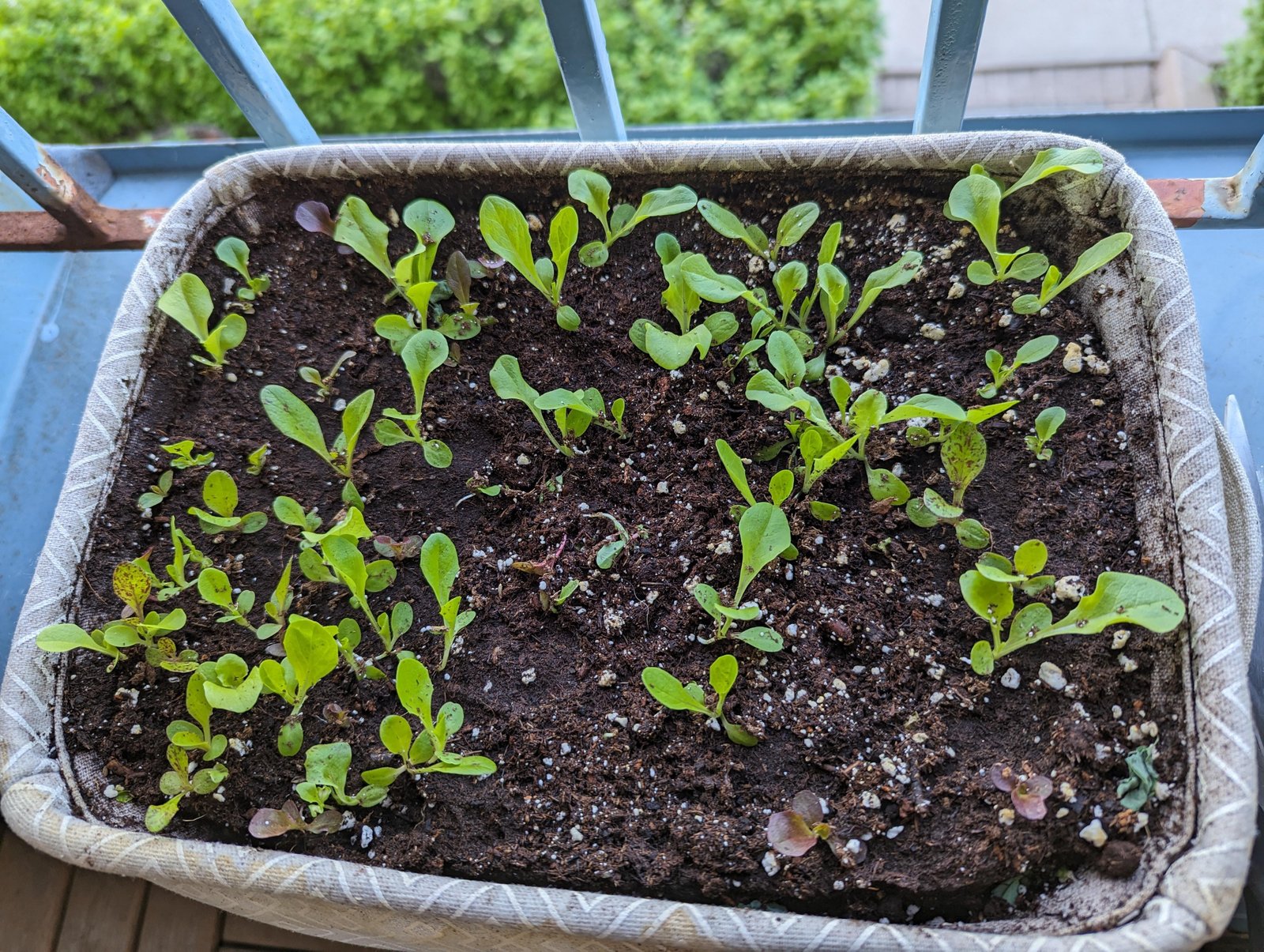
Crowded lettuce plants compete for light, water, and nutrients. Thin when seedlings have two or three true leaves.
| Harvest Style | Final Spacing |
|---|---|
| Baby leaf | 2–5 cm |
| Loose-leaf heads | 15–20 cm |
| Romaine | 20–25 cm |
| Large butterhead | 25–30 cm |
Use scissors to cut extra seedlings at soil level instead of pulling and disturbing nearby roots.
How to Grow Lettuce in Containers
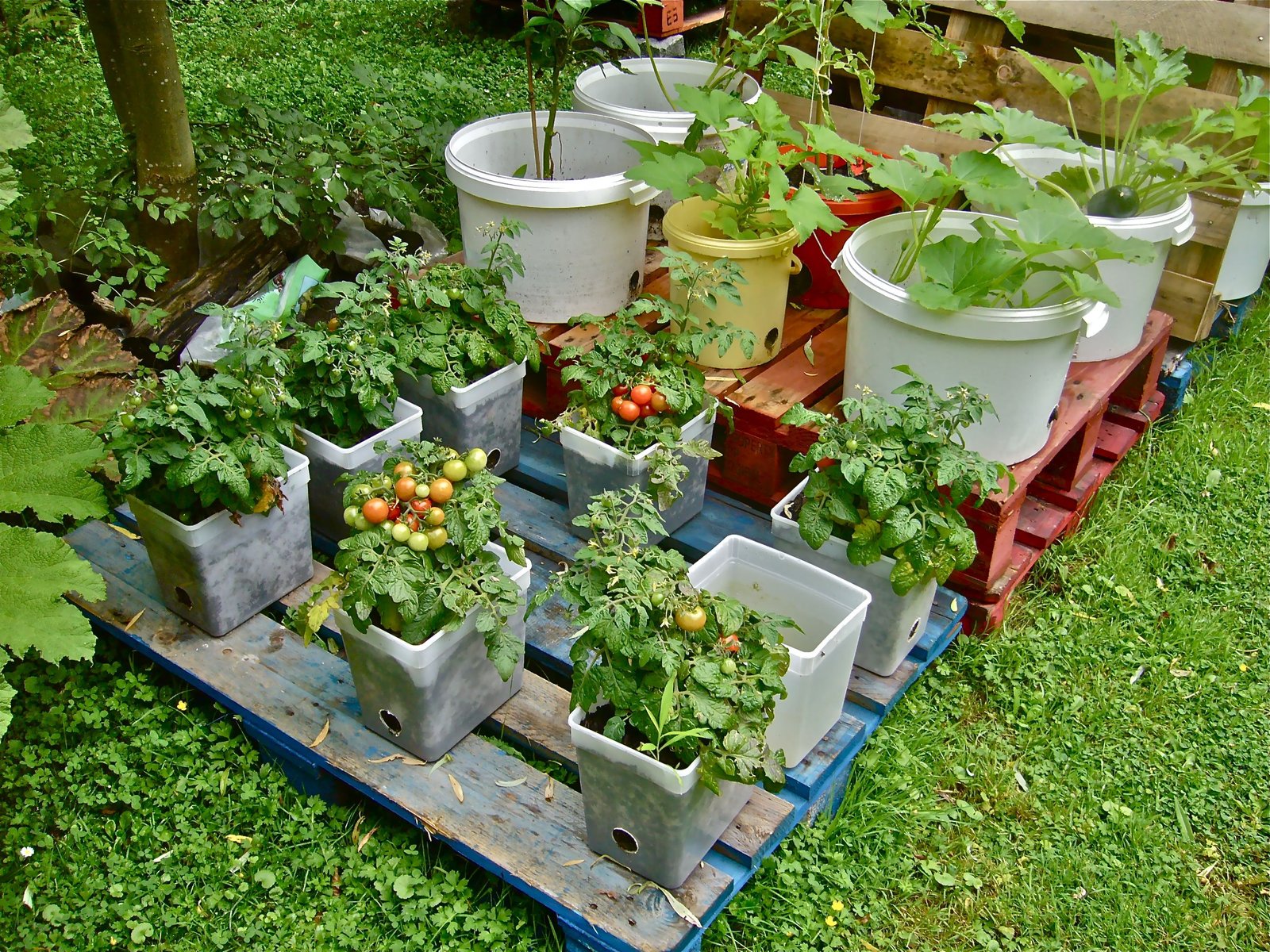
Lettuce is ideal for containers because roots are shallow.
Choose a pot at least 15 to 20 centimeters deep with drainage holes. Wider containers are more useful than deep narrow pots.
Use quality potting mix, not garden soil. Garden soil can compact in containers.
Place the container where it receives four to six hours of sun. In hot weather, morning sun with afternoon shade can extend the harvest.
How Much Sun Does Lettuce Need?
Lettuce grows best with full sun during cool weather, roughly six hours per day.
As temperatures rise, afternoon shade helps prevent heat stress and bolting. A location with morning sun and dappled afternoon shade is useful in late spring.
Too much shade can produce weak, pale leaves.
Watering Lettuce Correctly
Consistent moisture is important. Dry soil makes leaves bitter and increases bolting. Saturated soil can cause root disease.
Check the top 2 to 3 centimeters of soil. Water when it begins to dry.
During hot weather, containers may need daily checks. Mulch with shredded leaves or straw to reduce evaporation.
Fertilizing Lettuce
Lettuce grows quickly and uses nitrogen to produce leaves. In fertile soil amended with compost, extra fertilizer may not be necessary.
If growth is pale or slow, apply a balanced vegetable fertilizer according to the label. Avoid overfeeding, which can create soft growth and increase nitrate buildup.
For containers, a half-strength liquid fertilizer every two to three weeks during active growth is usually enough.
Succession Planting for Continuous Lettuce
Lettuce matures quickly, so one large sowing often produces more leaves than you can eat at once.
A better approach is to sow a small amount every two to three weeks while temperatures remain suitable.
Example:
- March 1: first row
- March 15: second row
- April 1: third row
- April 15: final spring row
This creates a rolling harvest instead of one large crop.
How to Prevent Lettuce From Bolting
Bolting is triggered by heat and long days. You cannot stop it forever, but you can delay it.
- Plant early in spring.
- Choose slow-bolting varieties.
- Provide afternoon shade.
- Keep soil evenly moist.
- Harvest mature heads promptly.
- Use light shade cloth during heat waves.
Once a flower stalk begins forming, quality declines quickly. Harvest remaining edible leaves and remove the plant.
Common Lettuce Pests
Slugs and snails
They chew irregular holes and are active at night. Hand-pick, use traps, or apply iron phosphate bait according to the label.
Aphids
Small insects cluster on leaf undersides. Rinse with water or use insecticidal soap if needed.
Cutworms
Young seedlings may be cut at soil level. Use collars around transplants or remove larvae found in the soil.
Common Lettuce Diseases
Good airflow and clean watering practices prevent many problems.
Downy mildew
Yellow patches appear on leaves with gray growth underneath. Avoid overhead watering late in the day and space plants properly.
Bottom rot
Outer leaves rot where they touch wet soil. Improve drainage and avoid planting too deeply.
Tipburn
Leaf edges turn brown due to calcium transport problems, often during rapid growth and high heat. Keep moisture consistent and avoid excess nitrogen.
How to Harvest Lettuce
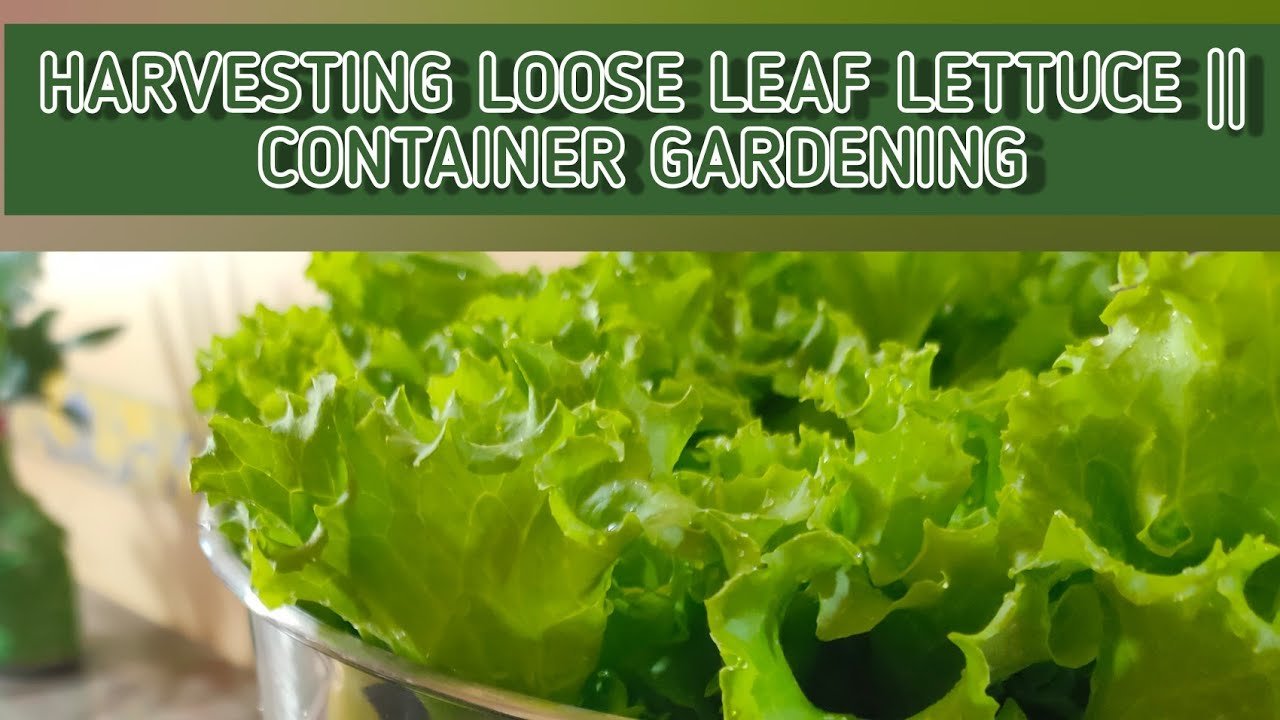
Baby leaves
Cut leaves 5 to 8 centimeters above the soil when plants are 10 to 15 centimeters tall. Many varieties regrow for a second harvest.
Outer-leaf harvest
Pick the largest outer leaves and leave the center growing. Harvest every few days.
Full heads
Cut the entire plant at soil level when the head reaches mature size.
Harvest in the cool morning for the crispest leaves.
How to Store Fresh Lettuce
Rinse leaves in cold water and dry thoroughly. Excess moisture speeds decay.
Store in a sealed container or plastic bag with a dry paper towel. Most lettuce stays crisp for 5 to 10 days in the refrigerator.
Real-World Example: Growing Lettuce on a Balcony
A gardener has a sunny balcony that becomes hot by May. They plant lettuce in two 60-centimeter window boxes in early March.
The first box contains loose-leaf varieties. The second contains romaine.
They sow half of each box, then sow the remaining half two weeks later. By April, the first sowing is ready for baby-leaf harvests while the second continues growing.
When May temperatures reach 27°C, they move the boxes behind a railing that provides afternoon shade. This extends the harvest by three weeks before bolting begins.
Common Lettuce-Growing Mistakes
Sowing too deep
Lettuce seeds need light. Cover only lightly.
Planting in midsummer heat
Germination and quality suffer. Wait for cooler weather.
Letting soil dry completely
Dry stress causes bitterness and bolting.
Skipping thinning
Crowded plants stay small and develop disease.
Harvesting too late
Mature heads can bolt within days during warm weather.
Lettuce Growing Checklist
- Choose a cool-season variety.
- Plant 2–4 weeks before last frost.
- Sow only 3–6 mm deep.
- Keep soil moist until germination.
- Thin seedlings to proper spacing.
- Give 4–6 hours of sun.
- Water when top soil begins drying.
- Provide afternoon shade in warm weather.
- Sow every 2–3 weeks for continuous harvests.
- Harvest before bolting.
Frequently Asked Questions
How long does lettuce take to grow?
Baby leaves can be ready in 25 to 35 days. Full heads take 45 to 70 days depending on the variety.
Can lettuce grow in shade?
Yes, but growth will be slower. Four to six hours of sun is ideal. Afternoon shade helps in hot weather.
Why is my lettuce bitter?
Heat, drought stress, and bolting cause bitterness. Harvest earlier and keep soil evenly moist.
Can I grow lettuce indoors?
Yes, under strong grow lights. Use shallow containers and provide 12 to 14 hours of light daily.
Will lettuce grow back after cutting?
Loose-leaf varieties often regrow if you leave the growing center intact. Harvest outer leaves or cut above the crown.
What is the easiest lettuce for beginners?
Loose-leaf varieties such as Black Seeded Simpson and Salad Bowl are fast, forgiving, and easy to harvest.
How to Keep Lettuce Productive When Weather Changes
Lettuce often fails at the transition between cool and warm weather, so treat that period as a separate management stage. In early spring, dark soil warms quickly and seedlings usually welcome full sun. A month later, the same bed may receive much stronger afternoon heat. Add a light shade cloth above the crop rather than laying material directly on leaves, and keep air moving around the plants.
For a fall crop, the challenge is reversed. Seeds may be sown while soil is still warm. Start them in a cooler nursery area or shade the seed row lightly until germination, then move young plants into brighter conditions as temperatures fall. This simple change often improves germination more than sowing extra seed into hot soil.
Choose a Harvest Method Before You Plant
Your harvest goal should influence spacing from the beginning. If you want baby leaf salads, you can sow more densely and cut the entire patch while leaves are young. If you want romaine hearts or butterhead lettuce, give each plant enough room to make a full head.
| Goal | Planting Style | Best Routine |
|---|---|---|
| Baby leaf | Dense bands | Cut young and resow quickly |
| Outer leaves | Moderate spacing | Pick largest leaves every few days |
| Full heads | Wider spacing | Harvest when firm before bolting |
Planning the harvest first prevents the common situation where crowded seedlings are left too long because the gardener intended to thin them later.
Diagnose Slow Lettuce Growth Step by Step
If lettuce stops growing, do not add fertilizer immediately. Check the simplest causes first. Push a finger or trowel into the soil and confirm moisture. Look at the amount of direct light. Inspect the center and leaf undersides for aphids or chewing pests. Check whether roots are sitting in cold, saturated soil after repeated rain.
If water, temperature, light, and pests look reasonable, then consider nutrition. A soil test is useful in garden beds that repeatedly grow weak crops. In containers, remember that old potting mix may have poor structure even if fertilizer is added. Replacing exhausted mix can solve both drainage and nutrient problems.
Use Lettuce as a Space-Filling Crop
Lettuce is useful because it matures before many warm-season vegetables fill their allotted space. You can sow a narrow lettuce row along the sunny edge of a young tomato or pepper bed in early spring. Harvest the lettuce as the taller crop expands. This is different from crowding mature vegetables together because the lettuce is removed before competition becomes strong.
You can also follow early lettuce with beans, cucumbers, basil, or another warm-season crop. In late summer, reverse the pattern by sowing lettuce after an early crop is removed. These transitions help a small garden produce food over more of the year.
Improve Quality Immediately After Harvest
Lettuce loses water quickly after cutting. Harvest in the cool morning, move leaves out of direct sun, and cool them soon after picking. If leaves are slightly limp, a short soak in clean cold water can restore crispness. Dry the leaves thoroughly afterward so stored moisture does not speed decay.
For a household garden, harvest only what you can wash and store promptly. Smaller, frequent harvests usually taste better than cutting every head at once simply because they are ready.
Conclusion: Keep Lettuce Cool, Moist, and Moving
Growing lettuce successfully is mostly about timing. Plant during cool weather, keep soil evenly moist, and harvest before heat triggers bolting.
Start with loose-leaf varieties, sow shallowly, thin seedlings early, and use small succession plantings every two to three weeks.
With these simple habits, you can harvest crisp lettuce for months instead of receiving one large crop all at once.