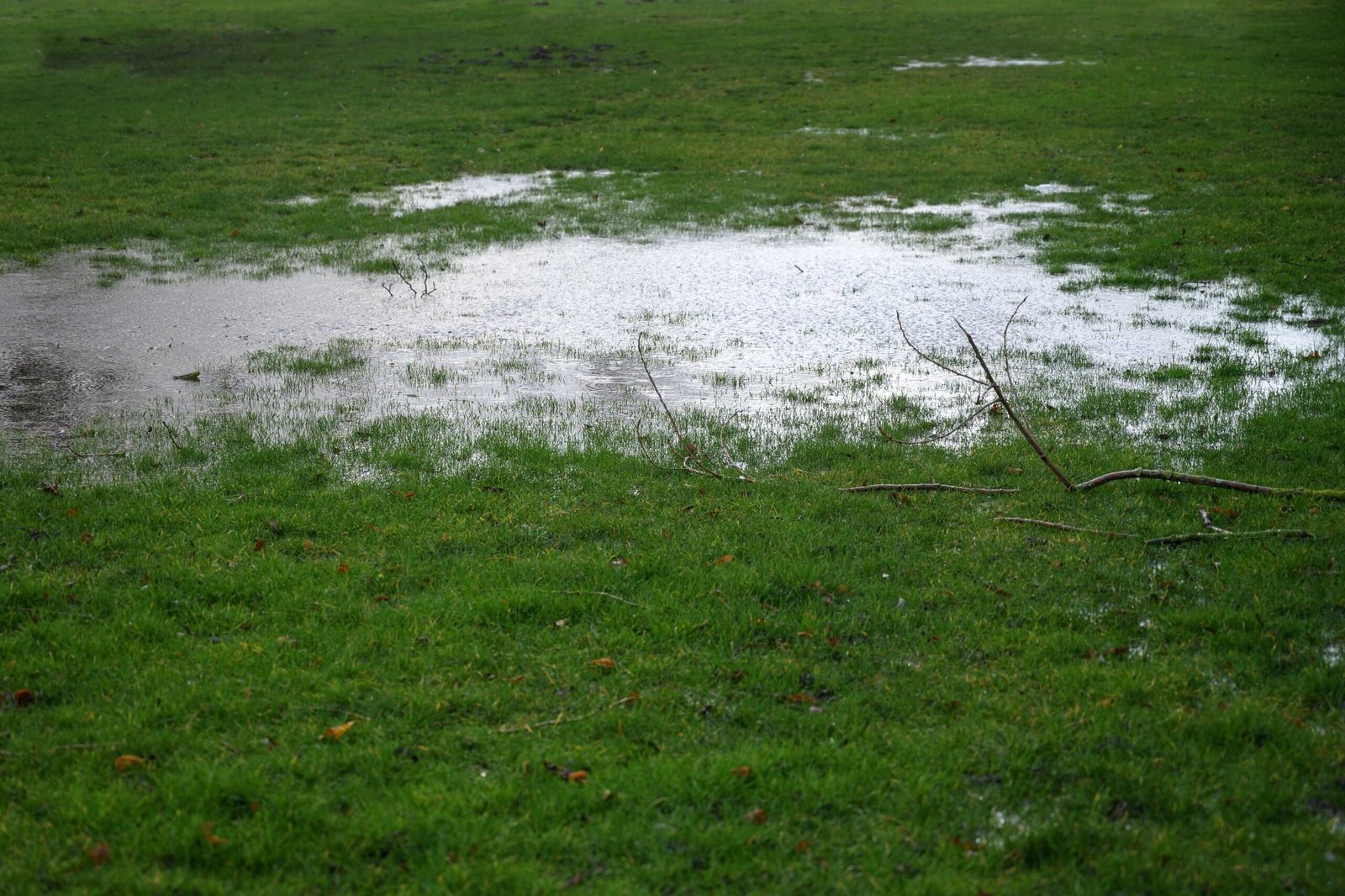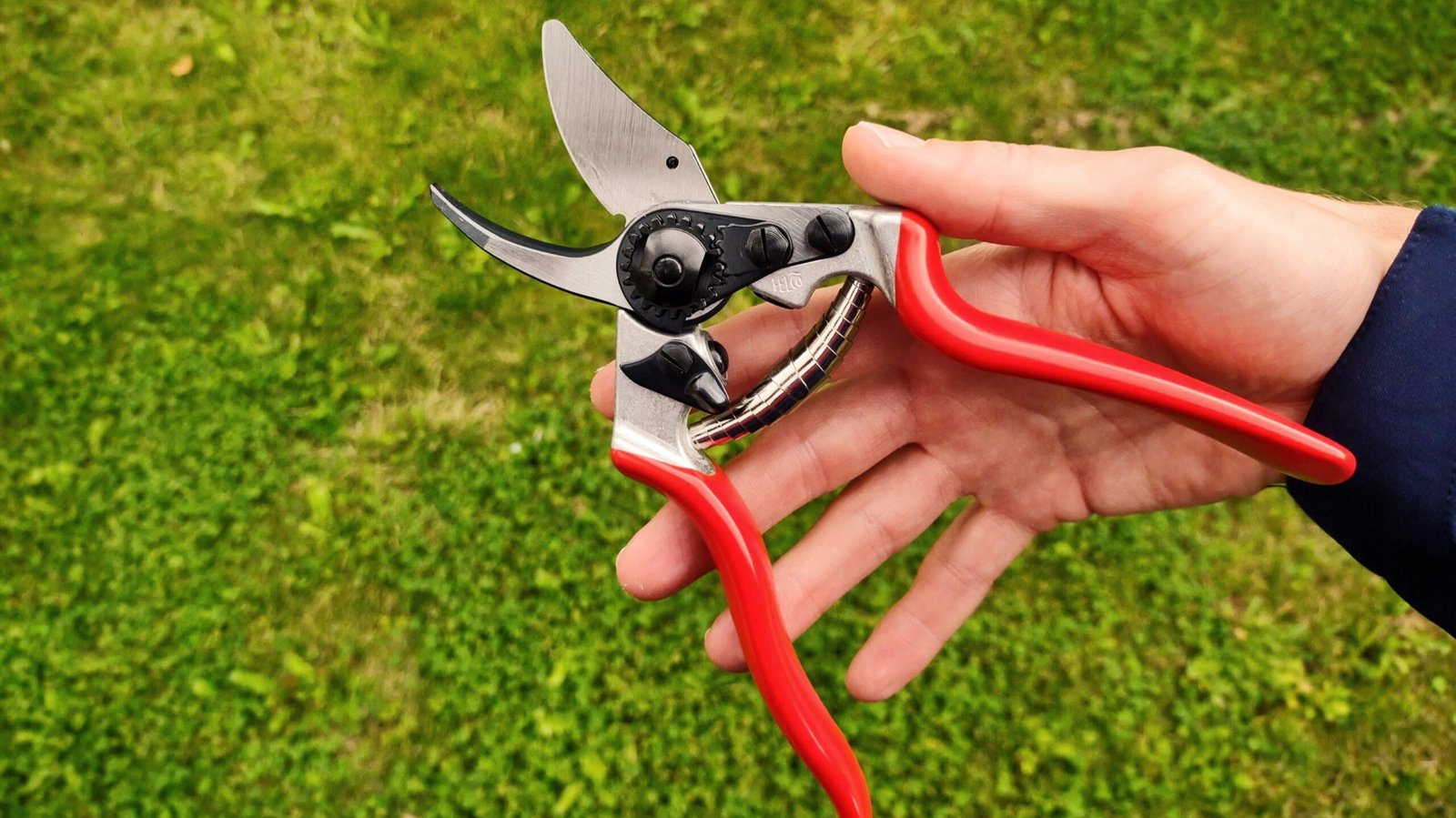
Healthy garden plants can still be damaged in a single afternoon when weather changes faster than they can adjust. A heat wave can scorch leaves and dry containers in hours. Strong wind can snap tall stems or pull moisture from foliage. A light frost can injure tender new growth even after several warm days.
The best protection is not to cover every plant whenever the forecast looks uncomfortable. It is to know which plants are vulnerable, understand the type of stress coming, and use the simplest protection that reduces the risk without creating a new problem.
This guide explains how to protect garden plants from heat, wind, and frost with practical methods such as shade cloth, mulch, watering, windbreaks, row covers, cloches, and better plant placement. It also shows what not to do, because poor protection can trap heat, block airflow, or damage plants more than the weather itself.
Start by Knowing the Plant’s Real Tolerance
A tomato seedling, mature rosemary shrub, lettuce plant, and dormant apple tree do not respond to the same weather in the same way. Before protecting a plant, confirm whether it is tender, hardy, drought tolerant, wind sensitive, or adapted to local conditions.
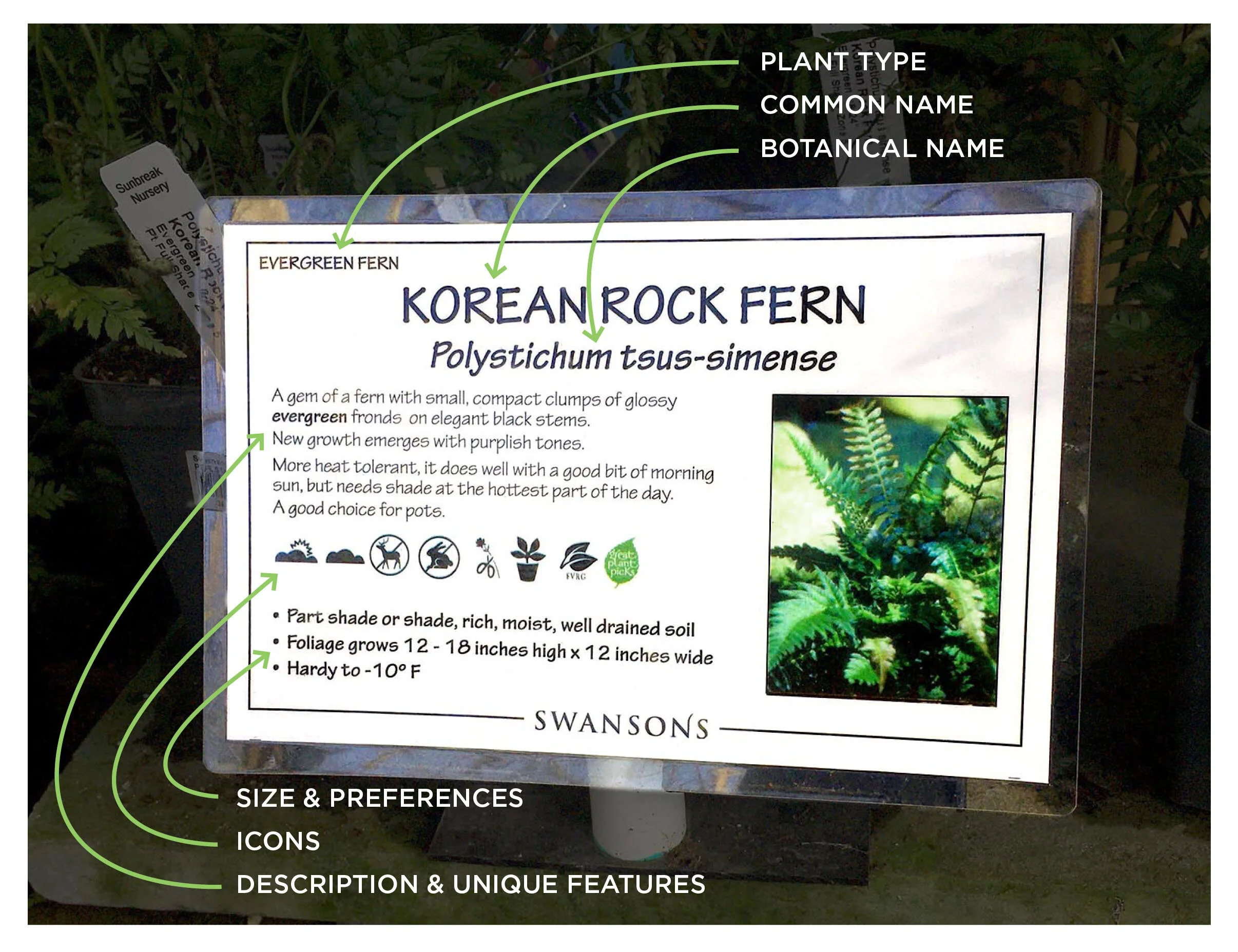
In the United States, the USDA Plant Hardiness Zone Map helps estimate long-term minimum winter temperature ranges. It is useful for choosing perennial plants, but it does not predict a specific frost night or heat wave.
Local forecasts, recent weather, plant age, and site exposure matter just as much.
Why Young Plants Need More Protection
New transplants have smaller root systems and less stored energy than established plants. They may also have been grown in a greenhouse or sheltered nursery where wind and sun were mild.
A plant that can tolerate full sun when mature may still scorch after being moved directly from a protected environment. This is why hardening off matters for seedlings and why newly purchased plants should be introduced to harsh conditions gradually.
Heat Stress: What Happens to Plants
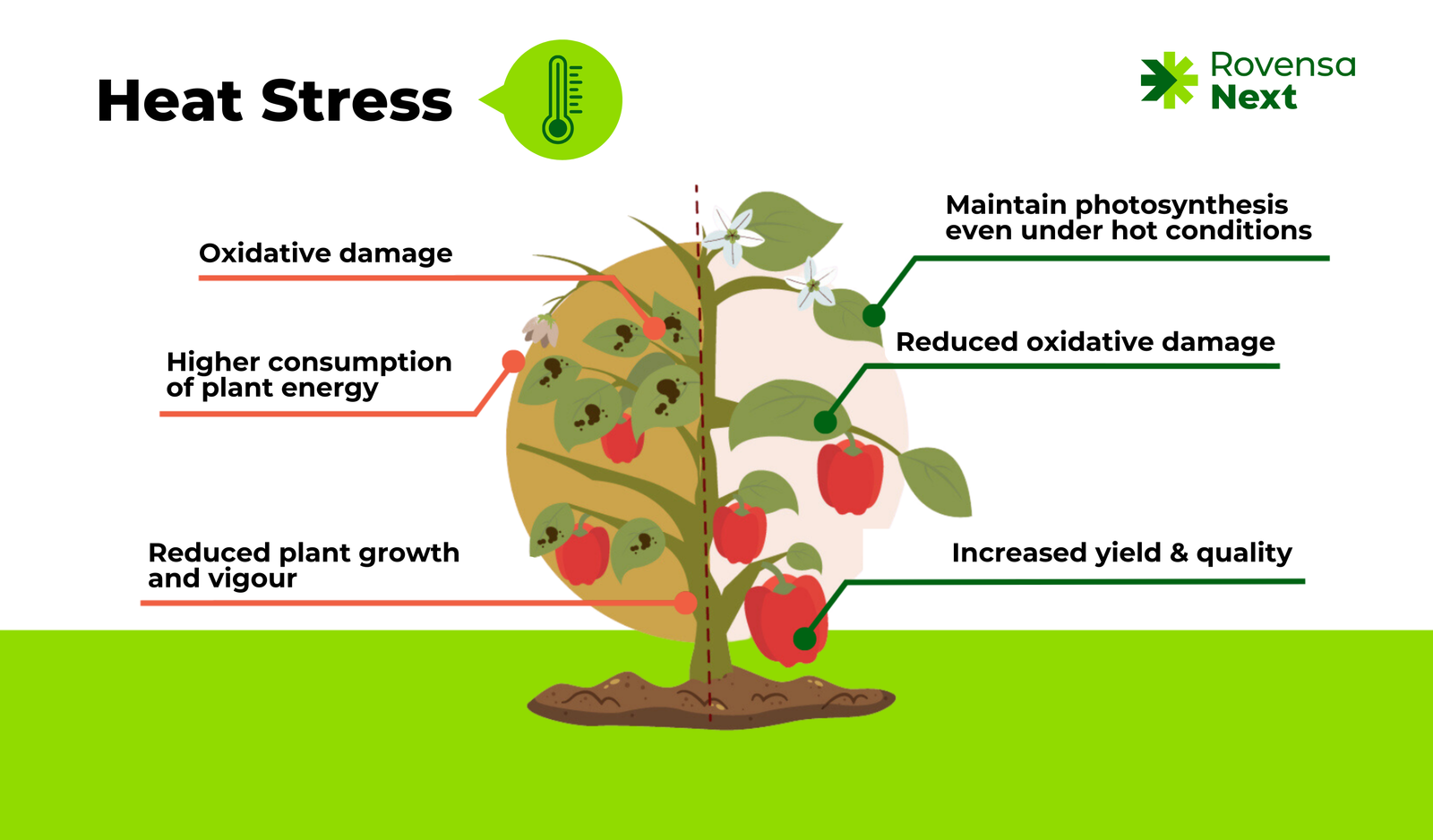
During hot weather, plants lose water through their leaves. When roots cannot replace that water fast enough, leaves wilt and growth slows. Extreme heat can damage pollen, flowers, fruit, and exposed leaf tissue.
Common signs of heat stress include:
- Leaves drooping during the hottest part of the day.
- Leaf edges becoming dry or scorched.
- Flowers dropping without setting fruit.
- Sunscald on fruits or stems.
- Containers drying much faster than usual.
- New growth becoming small or stalled.
Midday wilt does not always mean the soil is dry. Some plants temporarily wilt even when moisture is adequate. Check the root zone before adding water.
How to Protect Plants During a Heat Wave
Water deeply before the hottest period
If the soil is dry, water in the morning so roots have moisture available before peak heat. Aim water at the soil rather than spraying hot leaves repeatedly.
The EPA WaterSense watering guidance recommends adjusting irrigation to actual landscape conditions rather than relying on a fixed schedule.
Use mulch to reduce surface drying
A suitable mulch can slow evaporation and moderate soil temperature. Keep it away from plant stems and do not pile it excessively deep.
Add temporary shade
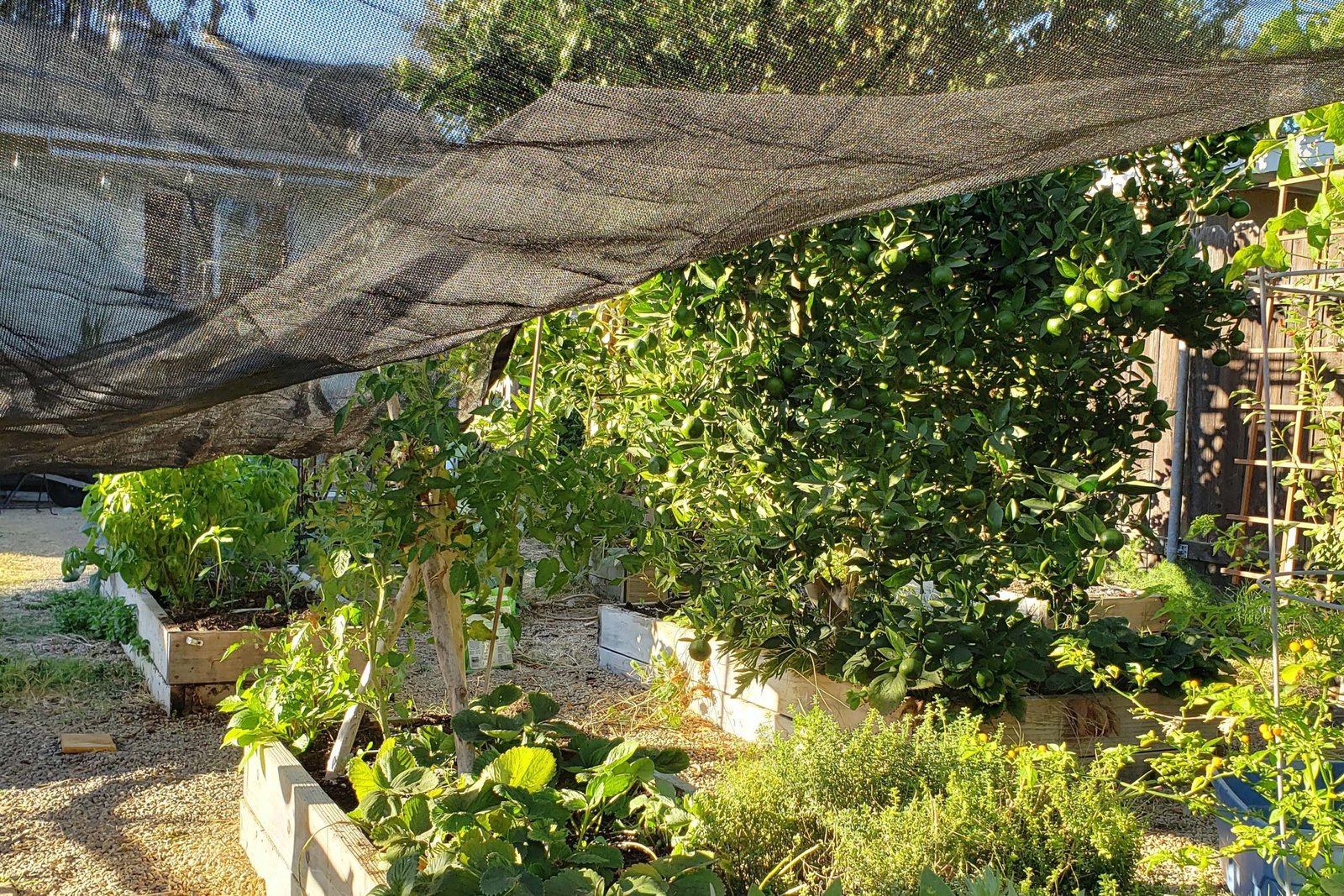
Shade cloth can protect vegetables, seedlings, and container plants during extreme heat. Support it above the plants so air can move underneath. Do not lay dark fabric directly on leaves.
Morning sun with afternoon shade is often useful for heat-sensitive crops during very hot periods.
Move containers
Containers are easy to reposition. Move vulnerable pots away from west-facing walls, dark paving, and reflective surfaces that increase heat.
Delay stressful work
A heat wave is a poor time for major pruning, transplanting, or heavy fertilizing. Keep plants stable until conditions improve.
What Not to Do During Extreme Heat
- Do not fertilize a severely wilted plant and expect instant recovery.
- Do not transplant large plants at midday if the job can wait.
- Do not cover plants with plastic in direct sun; temperatures can rise quickly underneath.
- Do not water only the soil surface if deeper roots remain dry.
- Do not assume every wilted plant needs more water.
Wind Damage: More Than Broken Stems
Wind can physically break plants, but it also increases water loss. Constant wind dries leaves, pots, and soil faster. Wind can damage flowers, rub branches together, and loosen newly planted roots.
Exposed rooftop gardens, balconies, open fields, coastal sites, and narrow gaps between buildings can be especially windy.
How to Reduce Wind Damage
Use a permeable windbreak
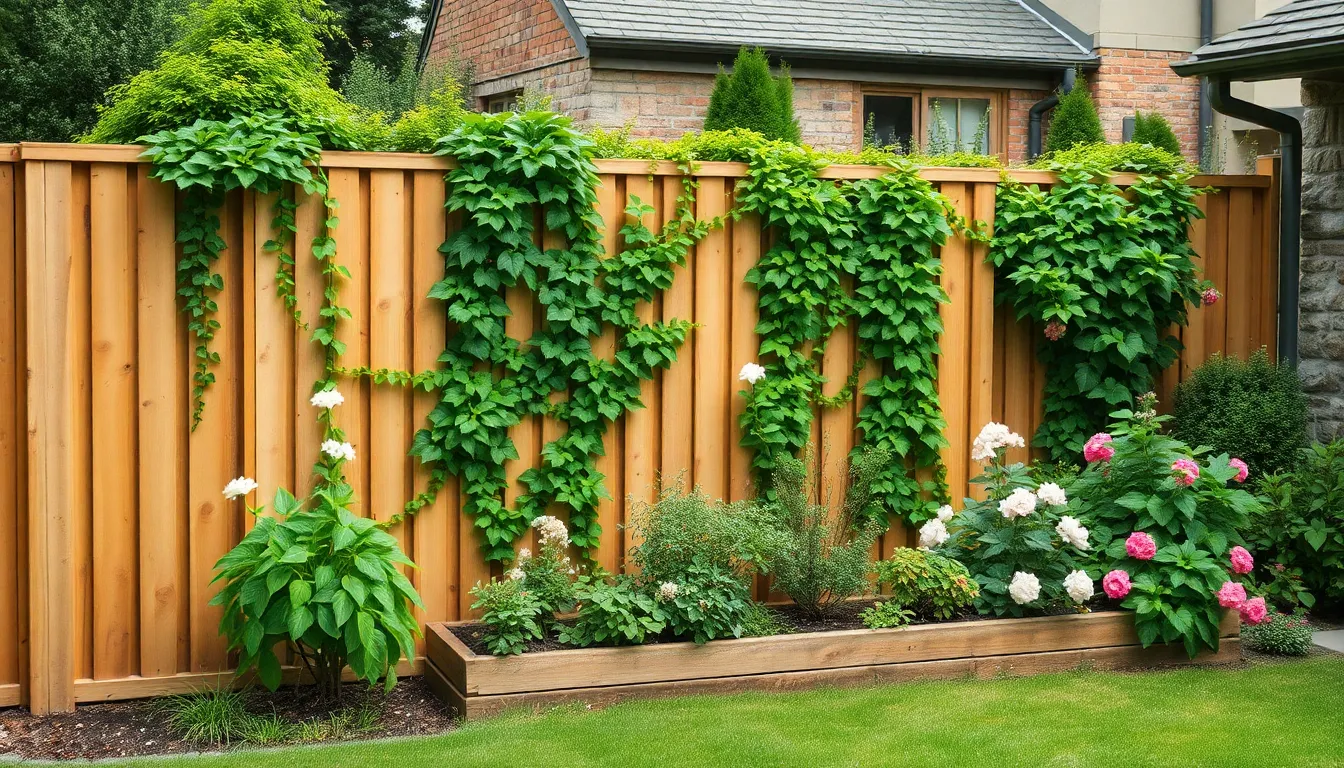
A solid wall can create turbulence on the sheltered side. A fence, hedge, or screen that allows some air through often reduces wind more gradually.
Stake only when needed
Tall vegetables and newly planted trees may need support, but ties should allow some movement. Overly rigid staking can prevent normal trunk development.
Support climbing crops early
Install trellises before vines become large. Make sure the structure itself is firmly anchored.
Group containers
Clusters of pots can shelter smaller plants from wind. Keep enough spacing for airflow and access.
Protect the root ball of new plants
Wind can rock a newly planted shrub and create gaps around roots. Firm the soil correctly and stake only if the plant truly needs temporary support.
Real-World Wind Example
A gardener grows peppers in five containers on an apartment balcony. The balcony receives good sun but strong afternoon wind. The leaves often tear and pots dry quickly.
Instead of moving the plants indoors every day, the gardener installs a securely fastened slatted screen on the windward side. The pots are grouped near the sheltered area, and tall plants receive loose soft ties to stakes. Watering is checked each morning rather than set to a fixed schedule.
The solution reduces wind speed without trapping the plants in stagnant air.
Understanding Frost
Frost forms when surfaces cool enough for water vapor to freeze. Tender plant tissue can be damaged near freezing temperatures even when frost is light.
Clear, calm nights often create strong radiational cooling. Cold air also settles in low areas, creating frost pockets.
Do not rely only on the daytime high temperature. Check the overnight low and local frost advisories.
Which Plants Need Frost Protection?
Warm-season vegetables and tropical ornamentals are commonly vulnerable. Tomatoes, peppers, basil, squash, and tender annual flowers can be damaged by cold temperatures.
Cool-season vegetables such as kale and some cabbages tolerate light frost better. Hardiness varies by variety and plant stage.
New spring growth on otherwise hardy perennials can also be damaged by a late freeze.
How to Cover Plants for Frost
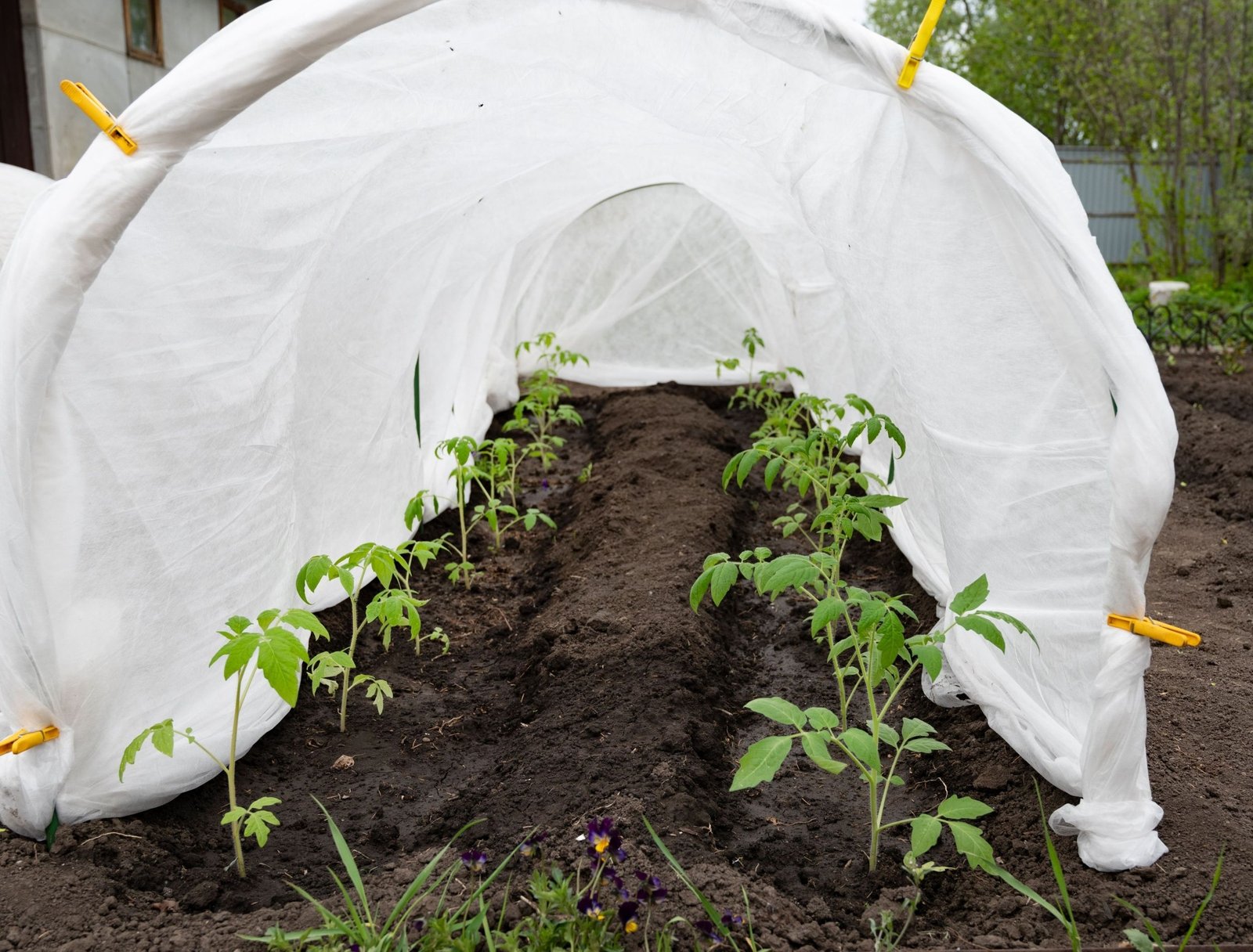
Use breathable frost cloth, horticultural fleece, sheets, or lightweight row cover. Support the cover where possible so delicate leaves are not crushed.
Extend the cover to the ground. The goal is to trap some warmth released by the soil overnight.
Remove or vent covers after temperatures rise in the morning. A cover that protects against frost overnight can overheat plants in daytime sun.
Using Cloches and Containers for Cold Protection
A cloche is a small protective cover placed over an individual plant. Commercial cloches, clear storage bins, buckets, or large nursery pots can provide temporary overnight protection.
If the cover is opaque, remove it in the morning. If it is clear plastic, ventilate it as soon as sunlight warms the air.
Never let plastic rest directly on tender leaves during a freeze because cold can transfer through the contact point.
Watering Before Frost
Moist soil can store more heat than very dry soil. If soil is dry, watering earlier in the day before a frost may help moderate temperature around plants.
Do not flood already wet soil. The purpose is healthy soil moisture, not saturation.
Protecting Container Plants From Frost
Roots in containers are more exposed to cold than roots in the ground. Small pots cool quickly.
- Move portable pots beside a sheltered wall.
- Group containers together.
- Wrap the outside of large pots with insulating material where appropriate.
- Move very tender plants into a garage or other protected space overnight.
- Do not bring pest-infested plants into living areas without inspection.
Cold Frames and Low Tunnels
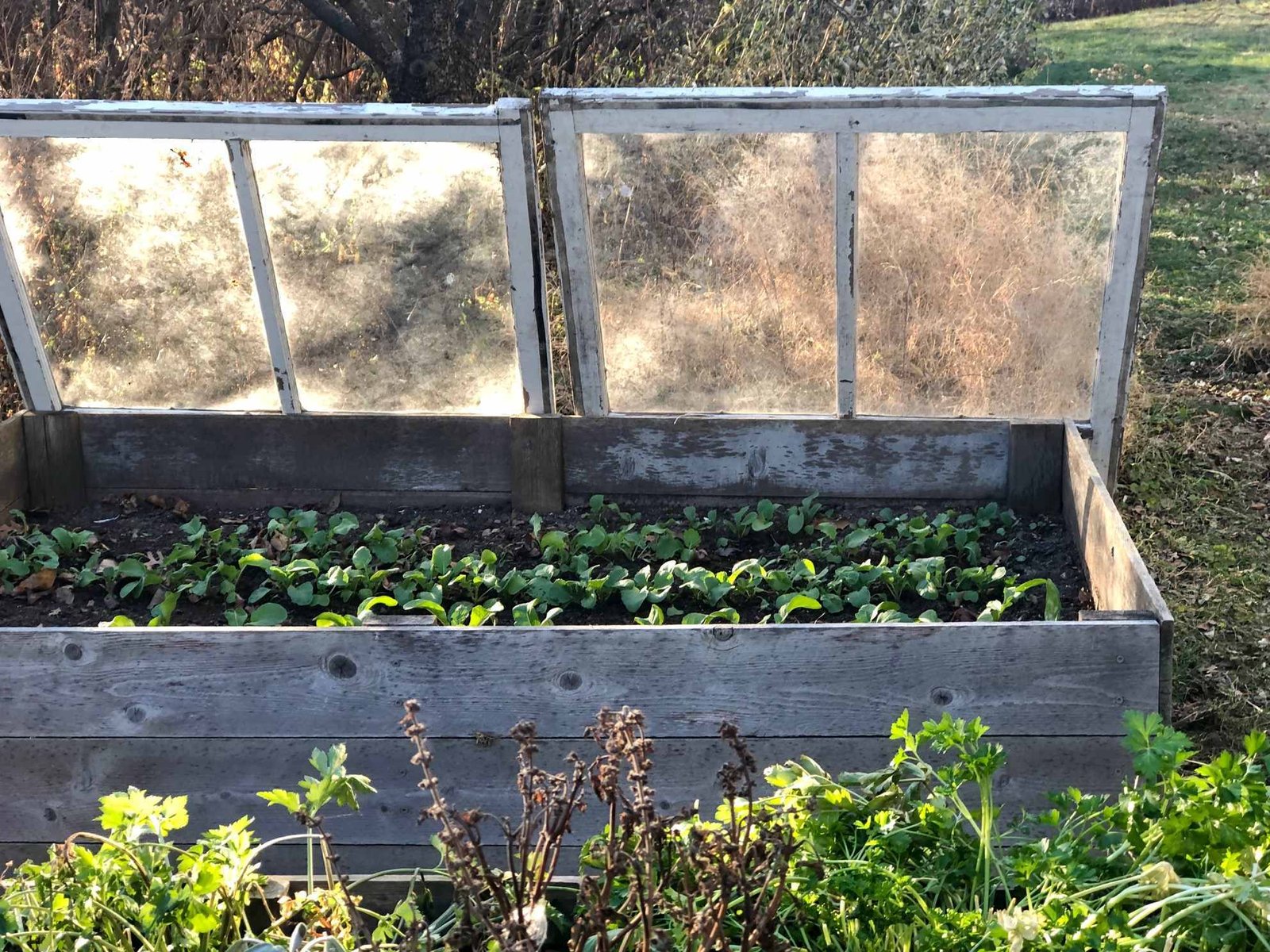
A cold frame is a low transparent structure that captures solar warmth and protects plants from wind. Low tunnels use hoops covered with row fabric or plastic.
Both can extend the growing season, but they require ventilation. Sunny days can make the inside much warmer than the outside.
Use a thermometer inside the structure until you learn how quickly it heats.
Sudden Temperature Swings
Plants often handle gradual seasonal cooling better than rapid changes. A warm spell can push new growth, followed by a cold snap that damages tender tissue.
Do not encourage excessive soft growth with high-nitrogen fertilizer late in the season. Keep plants healthy and let them acclimate naturally.
Build Weather Protection Into the Garden Layout
The best protection is sometimes good placement.
| Site Feature | Benefit | Risk |
|---|---|---|
| South-facing wall | Extra warmth | Heat buildup |
| Hedge | Wind reduction | Root competition |
| Tree canopy | Afternoon shade | Too little light |
| Low area | May stay moist | Frost pocket |
| Raised bed | Fast spring warming | May dry faster |
Use microclimates intentionally. Heat-loving plants may benefit from warm walls, while lettuce may perform better where late-afternoon shade reduces stress.
Emergency Weather Kit for Gardeners
Keep a few items ready instead of searching for them the night a frost warning arrives.
- Frost cloth or lightweight row cover
- Clips or clothespins
- Small stakes or hoops
- Soft plant ties
- Shade cloth
- Extra mulch material
- Thermometer
- Watering can or hose with gentle nozzle
Store covers dry and clean so they are ready when needed.
Weather Protection Checklist
Before heat
- Check soil moisture.
- Add temporary shade for vulnerable plants.
- Move containers from heat-reflecting surfaces.
- Delay major transplanting.
Before strong wind
- Secure trellises and stakes.
- Move lightweight pots.
- Tie tall plants loosely.
- Remove loose garden objects.
Before frost
- Identify tender plants.
- Water dry soil earlier in the day.
- Cover plants to ground level.
- Move tender containers into shelter.
- Plan to uncover in the morning.
Common Weather-Protection Mistakes
Leaving covers on all day
Frost cloth may be safe for longer periods depending on material, but plastic or enclosed covers can overheat quickly in sun.
Wrapping plants too tightly
Protection should not crush foliage or block all airflow for extended periods.
Overwatering during heat
Hot weather increases demand, but waterlogged roots still suffer. Check the soil.
Using solid wind barriers everywhere
Solid barriers can create strong turbulence. Permeable windbreaks are often more effective.
Covering hardy plants unnecessarily
Not every cool night is dangerous. Learn the tolerance of each plant and reserve protection for those that need it.
Frequently Asked Questions
Should I water plants every day during a heat wave?
Not automatically. Containers may need daily checks, while mulched in-ground beds may stay moist longer. Water when the root zone needs it.
Can a bedsheet protect plants from frost?
Yes, a lightweight sheet can provide temporary protection. Support it over delicate plants and remove it after temperatures rise.
Is plastic good for frost protection?
Plastic can trap heat, but it should not touch foliage and must be ventilated during the day. Fabric row cover is often easier for home gardens.
Should I prune wind-damaged plants immediately?
Remove dangerous or completely broken material, but wait to make major shaping cuts until you can clearly assess what tissue is still alive.
How much shade cloth should I use?
Shade cloth comes in different densities. Choose one suited to the crop and climate. Too much shade can reduce growth, while too little may not reduce heat stress.
Can mulch protect roots from cold?
Yes. Mulch can moderate soil temperature changes. Apply it around the root zone while keeping stems and crowns clear.
Conclusion: Protect Plants by Reducing Sudden Stress
Heat, wind, and frost do not require the same response, but the basic strategy is similar: reduce extreme stress while keeping normal growing conditions as stable as possible.
For heat, protect moisture and reduce intense sun. For wind, shelter plants without blocking all airflow. For frost, trap some ground warmth overnight and remove covers when the day warms.
Most importantly, choose plants that suit your climate and place them in the right microclimate. Temporary protection is useful during unusual weather, but good plant selection and site planning provide the strongest long-term defense.