Pruning can make a plant healthier, safer, and easier to manage, but only when each cut has a clear reason. Random trimming can remove flower buds, create weak regrowth, expose tender tissue to weather, or leave a shrub with an unnatural shape.
The safest way to prune is to start with a question: what problem are you trying to solve? You may need to remove dead wood, improve airflow, keep a path clear, reduce rubbing branches, renew an old shrub, or shape a young plant. Once the goal is clear, the correct cut becomes much easier to choose.
This guide explains how to prune garden plants without damaging healthy growth. It covers timing, tools, branch structure, thinning and heading cuts, flowering shrubs, common mistakes, and a practical decision process you can use before touching the plant.
What Pruning Is Supposed to Achieve
Pruning is the selective removal of stems, branches, shoots, flowers, or other plant parts. Good pruning is not about making every plant smaller. It is about directing growth and removing material that no longer serves the plant or the garden.
Common reasons to prune include:
- Remove dead, damaged, or diseased wood.
- Prevent branches from rubbing against each other.
- Improve access through paths and doorways.
- Reduce hazards from weak branches.
- Improve light and airflow inside a dense shrub.
- Encourage new flowering wood on certain plants.
- Maintain a plant at a practical size.
- Train a young plant into a strong framework.
The Royal Horticultural Society pruning guidance organizes pruning around plant type and timing. That is a useful reminder that one pruning calendar does not fit every shrub, climber, rose, fruit tree, and perennial.
Before You Prune: Identify the Plant
Do not prune an unknown shrub by guesswork. Different plants flower on different types of wood. Some bloom on shoots made in the current year. Others form flower buds on older stems months before flowering.
If you cut a spring-flowering shrub hard in late winter, you may remove most of the flower buds. The plant may survive, but the display can be lost for that season.
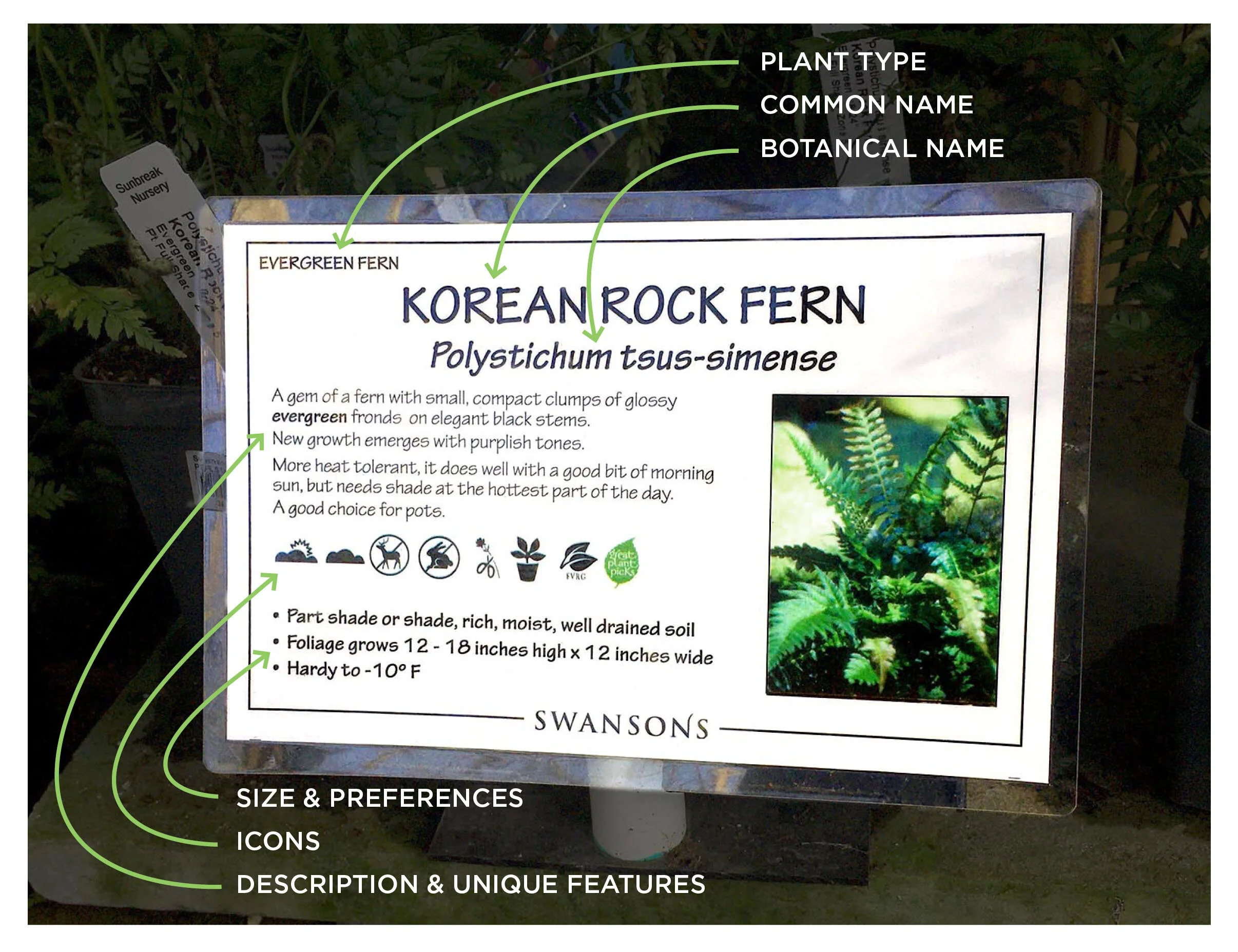
Use the plant label, a reliable nursery source, a botanical garden reference, or an extension service to confirm:
- Plant name
- Normal mature size
- Flowering period
- Whether it flowers on old or new wood
- Any special pruning needs
Choose the Right Tool for the Cut
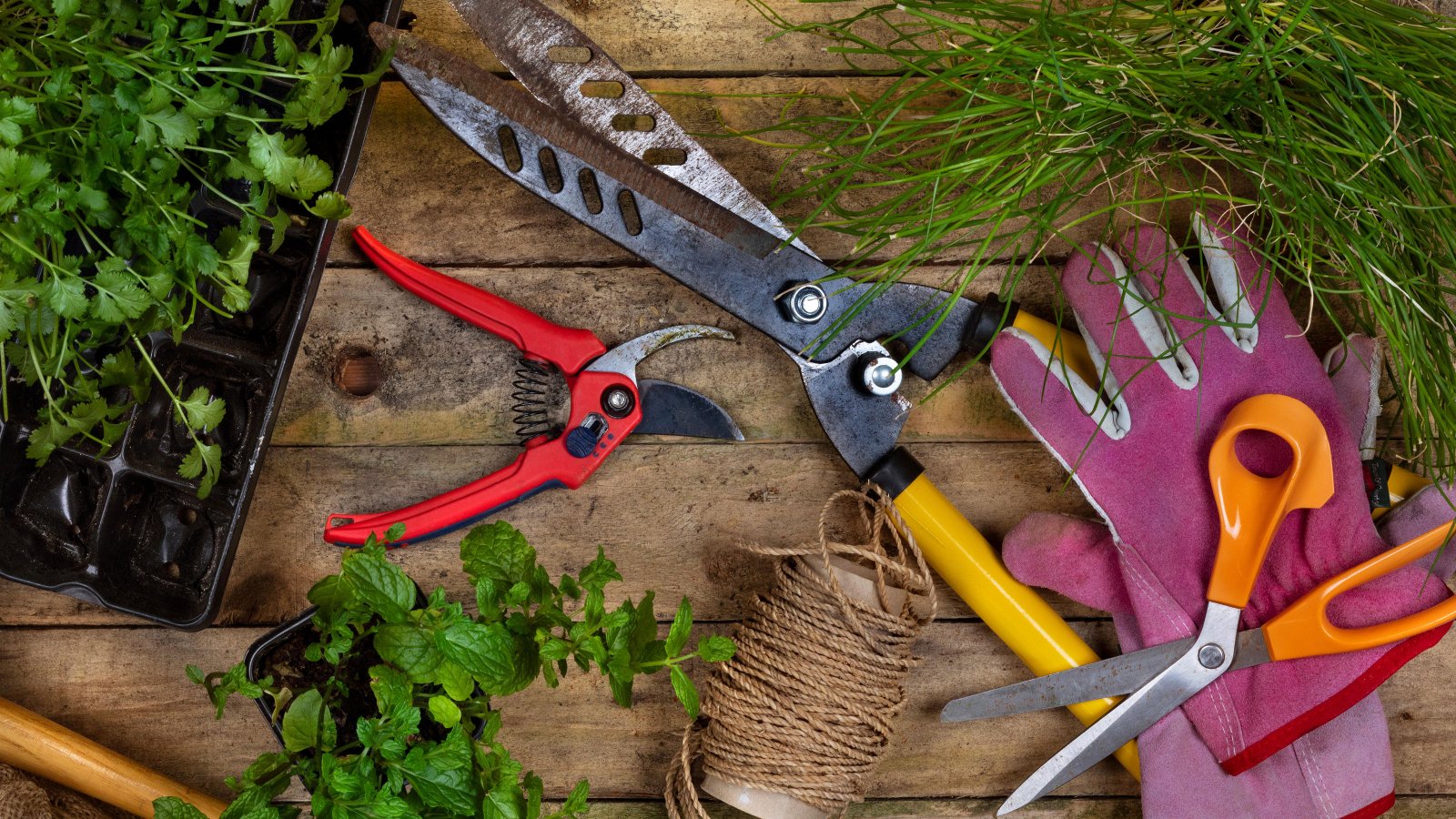
| Tool | Best For | Key Point |
|---|---|---|
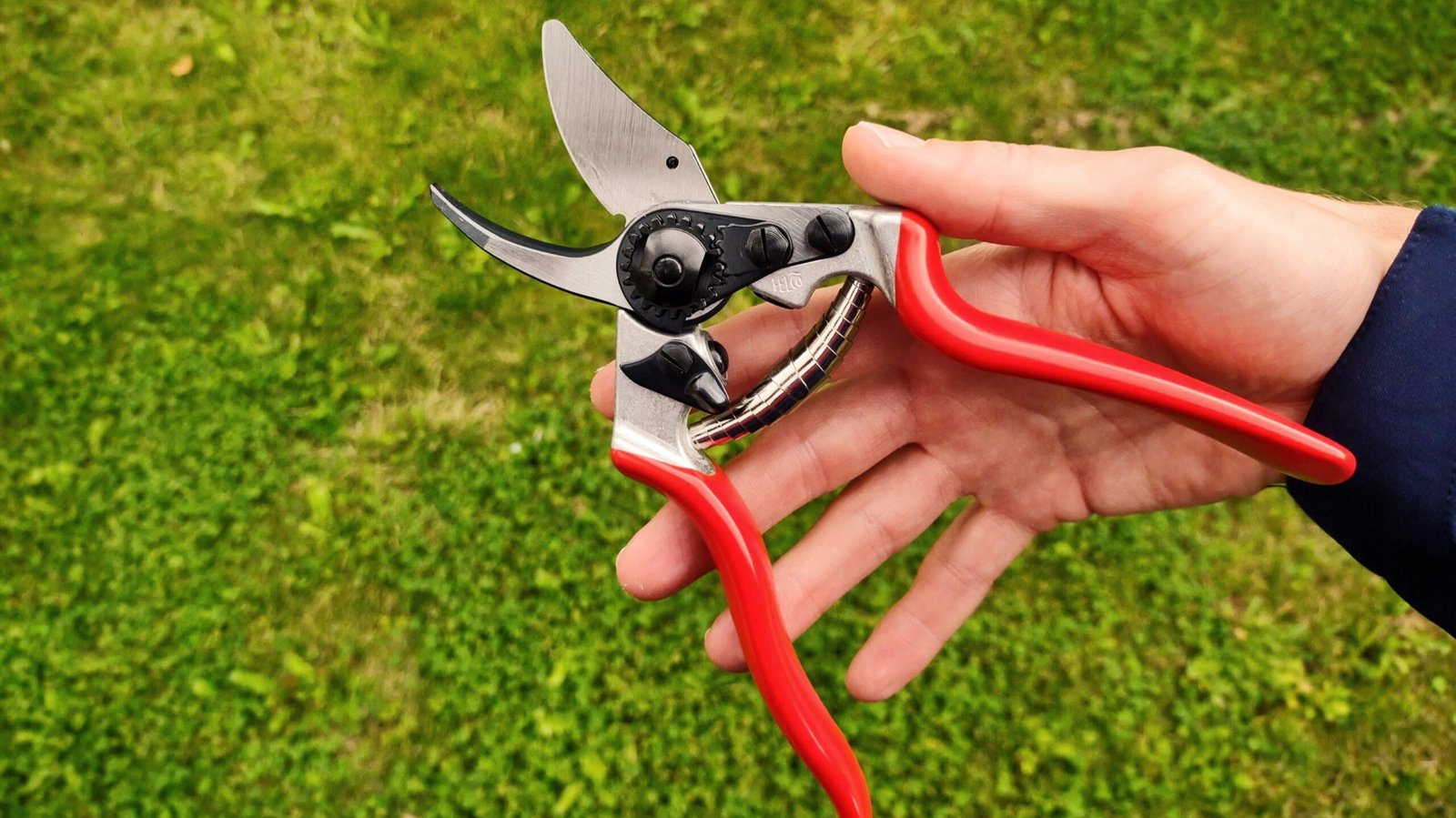
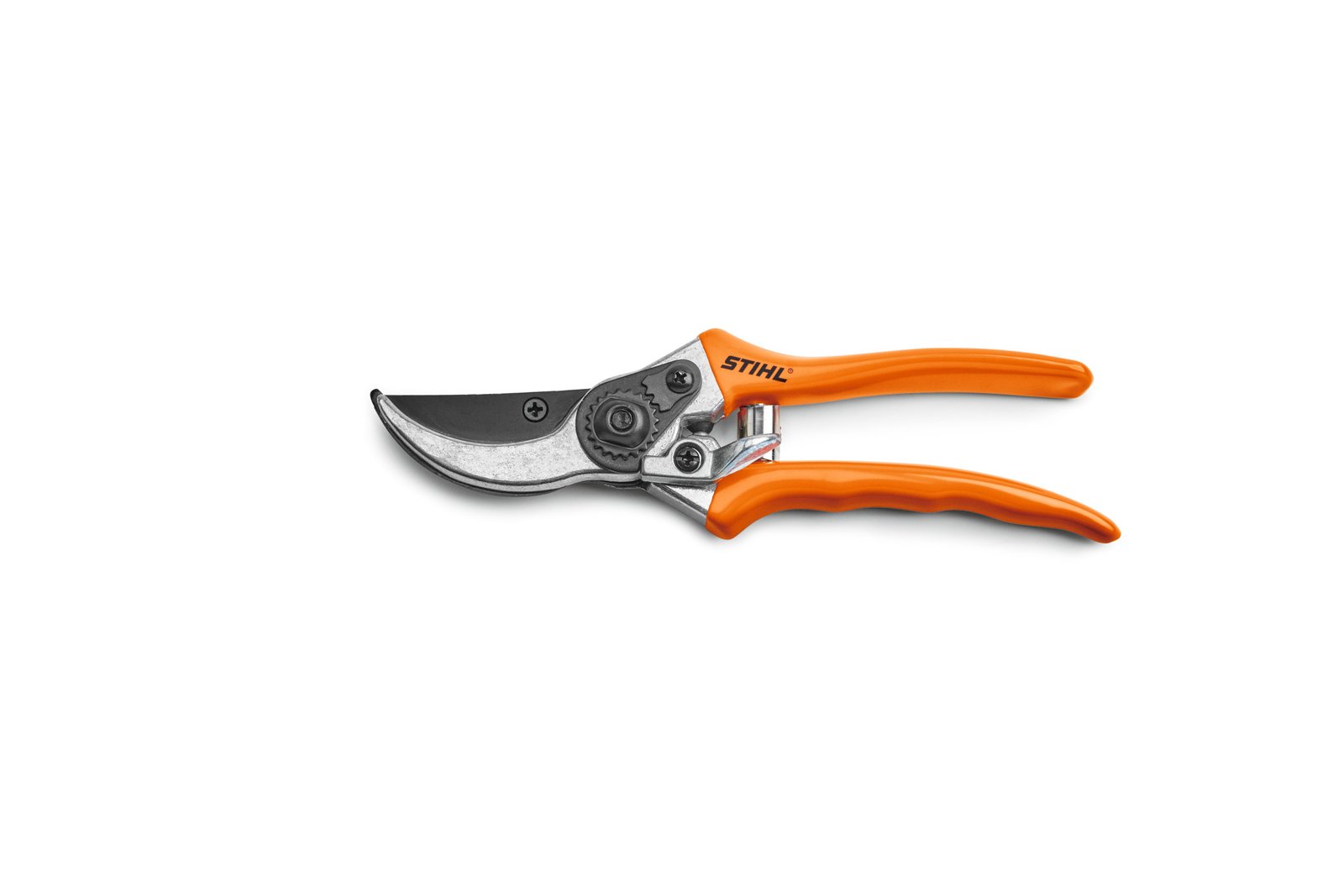
| Bypass hand pruners | Small live stems | Make clean cuts without crushing |
| Loppers | Medium branches | Long handles give more leverage |
| Pruning saw | Larger woody branches | Use when pruners require force |
| Hedge shears | Formal hedges | Not ideal for selective shrub pruning |
| Small scissors or snips | Soft stems and deadheading | Keep blades clean and sharp |
If you need both hands and excessive force to close a hand pruner, the branch is too large for that tool. Switch to loppers or a saw instead of twisting and crushing the stem.
Keep Pruning Tools Clean and Sharp
Dull blades tear tissue and make accurate cuts harder. Sharpen tools when they begin crushing rather than slicing.
Clean sap and plant debris from blades after use. If you are cutting visibly diseased material, disinfect tools between affected plants or between major cuts when disease spread is a concern. Follow the disinfectant label and protect metal surfaces from corrosion afterward.
Wear gloves and eye protection when working around thorny or springy branches. For overhead branches, large limbs, or work near power lines, hire a qualified arborist rather than taking unnecessary risks.
Learn the Difference Between Thinning and Heading Cuts
Thinning cut
A thinning cut removes a branch back to its point of origin or to a suitable side branch. It opens the plant without leaving a short stub. Thinning usually preserves a more natural outline.
Heading cut
A heading cut shortens a shoot partway along its length, usually just above a bud. It often stimulates several buds below the cut to grow.
Heading is useful in some situations, but repeated heading across an entire shrub can produce dense outer growth. That can block light from the interior and create a shell of foliage around bare inner stems.
How to Make a Clean Cut Near a Bud
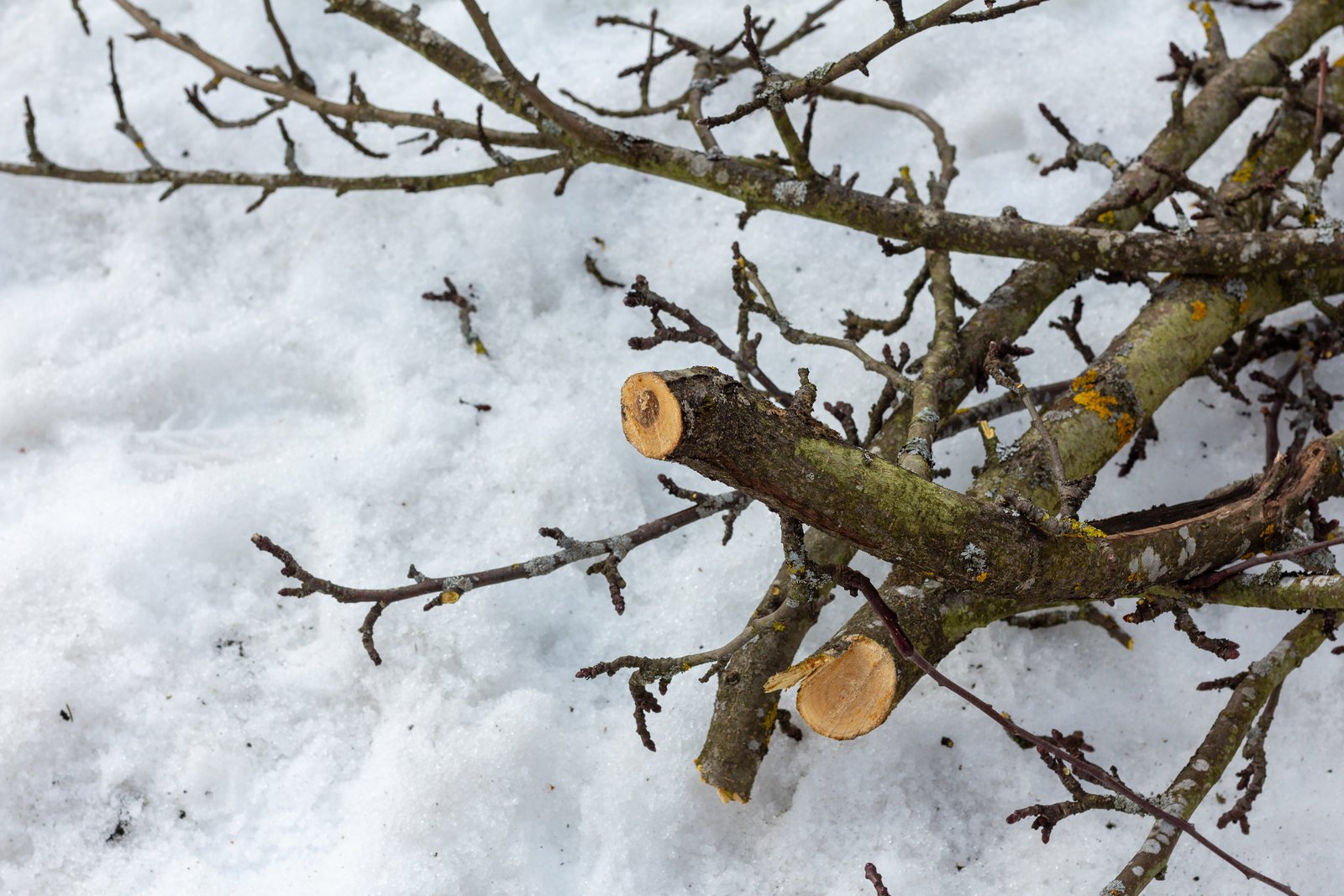
When shortening a small stem, choose a healthy bud pointing in the direction you want new growth to travel. Cut slightly above the bud. Do not leave a long dead stub, and do not cut so close that the bud is damaged.
A slight angle can help water run away, but there is no need for an extreme diagonal cut. Accuracy matters more than appearance.
How to Remove a Branch at Its Base
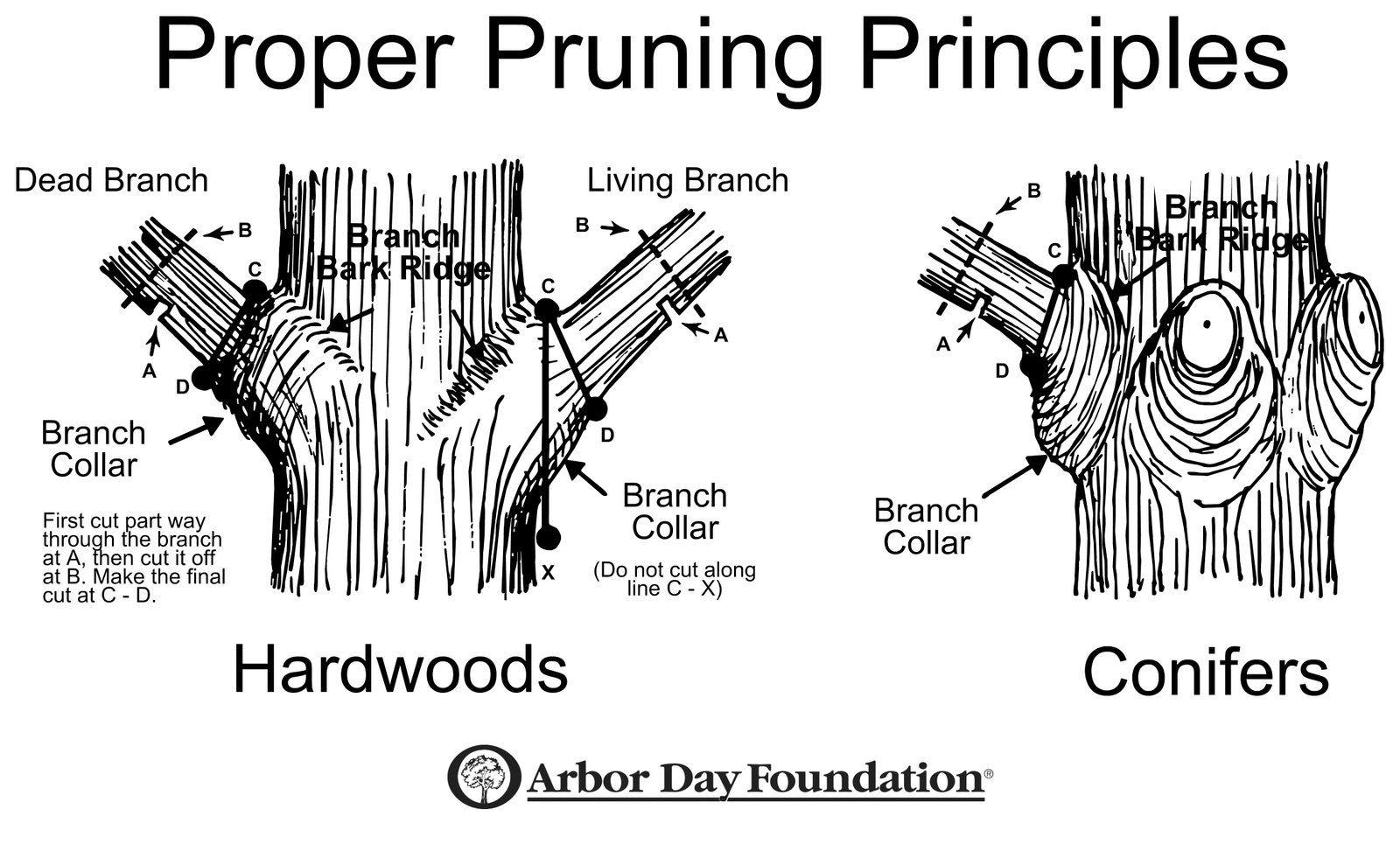
Branches often have a slightly raised collar where they join a larger stem. Make the final cut just outside this collar rather than cutting flush against the trunk.
For a large branch, do not make one top cut and let the weight tear bark down the trunk. Use the three-cut method:
- Make a small undercut several centimeters out from the final cut.
- Make a second cut from the top farther out to remove the branch weight.
- Make the final clean cut just outside the branch collar.
This technique reduces the chance of bark ripping as the branch falls.
Step-by-Step: A Safe Pruning Order
When you stand in front of an overgrown plant, the number of branches can feel overwhelming. Use this order.
1. Remove dead wood
Dead branches contribute nothing to the structure. Removing them also lets you see the plant more clearly.
2. Remove broken or dangerous branches
Deal with cracked, hanging, or badly damaged material next.
3. Remove obvious disease where appropriate
Identify the disease first. Some conditions need special disposal or timing. Do not compost infected material unless you know it is safe to do so.
4. Remove crossing and rubbing branches
Choose the better-positioned branch and remove the weaker or less useful one.
5. Remove inward-growing shoots
Where appropriate, reduce growth that points directly into the center and crowds the framework.
6. Step back
Do not keep cutting simply because the tools are in your hand. Walk several meters away and review the plant after each major stage.
7. Shape only if needed
Once health and structure are addressed, make limited size or shape adjustments.
How Much Can You Prune at One Time?
Removing too much foliage at once reduces the plant’s ability to make food and can trigger strong stress growth. For many established trees and shrubs, a conservative approach is safer than a drastic one.
If a plant needs major renovation, spread the work across several seasons unless reliable plant-specific guidance says it tolerates hard pruning.
There are exceptions. Some shrubs respond well to being cut very low during the correct season. Others recover poorly. Plant identification comes first.
When to Prune Spring-Flowering Shrubs
Many shrubs that flower in spring carry their flowers on growth made the previous year. A practical time to prune them is soon after flowering. That gives the plant time to make new shoots and form the next set of buds.
Examples often managed this way include many lilacs, forsythias, and spring-flowering spireas. Confirm the variety because pruning recommendations can differ.
When to Prune Summer-Flowering Shrubs
Many shrubs that bloom later in the season flower on new growth made that same year. They may be pruned during dormancy or early in the growing season, depending on the species and climate.
Again, do not use “summer flowering” as the only rule. Hydrangeas are a good example of why identification matters: different hydrangea types form flowers on different wood.
Pruning Hedges vs Pruning Shrubs
A formal hedge is maintained as a dense wall. Shearing can be appropriate because the goal is an even surface. A natural shrub has a different structure and often looks better with selective thinning.
When trimming a hedge, keep the base slightly wider than the top where possible. This helps light reach lower leaves. A hedge that is wider at the top can become bare near the ground.
Deadheading Is a Form of Pruning
Deadheading means removing spent flowers. It can improve appearance, prevent unwanted self-seeding, and encourage repeat flowering in some plants.
Not every plant needs deadheading. Seed heads can provide winter interest and food for wildlife. Decide based on the plant, your goal, and the season.
Pruning Young Trees
Young trees benefit more from small structural corrections than from heavy shaping. Focus on a strong branch framework and remove competing, damaged, or poorly attached branches where needed.
Do not automatically remove all lower branches from a young tree. Temporary lower branches can help trunk development. Avoid creating a tall bare trunk too early.
For significant tree pruning, especially large limbs, consult a qualified arborist. The International Society of Arboriculture TreesAreGood resource provides homeowner information on tree care and finding trained tree professionals.
What Not to Do to a Tree
Do not top trees
Topping removes large portions of the crown and leaves stubs. It can lead to weakly attached regrowth, decay, and long-term structural problems.
Do not use flush cuts
Cutting into the trunk removes tissue involved in natural wound response. Stay just outside the branch collar.
Do not paint every pruning cut
Routine wound paint is not recommended for most pruning cuts. There are limited disease-specific exceptions. Follow local professional advice when such an exception applies.
Real-World Example: An Overgrown Flowering Shrub
A homeowner has a mature shrub beside a walkway. It flowers well, but several stems lean into the path and the center is crowded.
Instead of cutting the whole shrub into a ball, the homeowner follows a selective plan:
- Identify the shrub and confirm that it flowers on old wood.
- Wait until flowering finishes.
- Remove one dead stem at ground level.
- Remove two crossing branches inside the shrub.
- Take out one of the oldest stems at the base to encourage renewal.
- Shorten one path-side branch back to a strong outward-facing side shoot.
- Stop and review the shape before making more cuts.
The plant remains full but no longer blocks the path. More light enters the center, and most healthy flowering wood stays in place.
Pruning Mistakes That Cause Problems
Pruning everything on the same date
Different plants need different timing. Build a plant-specific calendar instead.
Shearing every shrub
Shearing is useful for formal hedges, but it can ruin the natural structure of many flowering shrubs.
Leaving long stubs
Stubs die back and can interfere with natural sealing around the cut.
Cutting too close
Flush cuts damage tissue at the branch base. Cut just outside the collar.
Trying to keep a naturally large plant tiny
If a shrub must be pruned hard several times every year to fit the space, it may be the wrong plant for that location.
Removing too much at once
Major reductions can stress plants and create weak regrowth. Renovate gradually when possible.
Simple Pruning Checklist
- Identify the plant.
- Know why you are pruning it.
- Check flowering and growth habit.
- Choose the correct season.
- Use a sharp tool sized for the branch.
- Remove dead and damaged wood first.
- Remove crossing branches next.
- Cut outside branch collars.
- Keep mulch away from fresh stem wounds.
- Step back frequently.
- Stop before the plant looks stripped.
- Hire a professional for hazardous tree work.
Frequently Asked Questions
What happens if I prune at the wrong time?
You may remove flower buds, expose tender growth to cold, or reduce the plant’s energy reserves. Most healthy plants recover from a small timing mistake, but repeated poorly timed pruning can reduce performance.
Can I prune during rain?
It is usually better to prune in dry conditions, especially when disease is a concern. Wet conditions also make tools and ladders less safe.
Should I prune after transplanting a shrub?
Remove dead or broken branches, but do not automatically cut back a healthy transplanted shrub heavily. The plant needs foliage to support root establishment. Follow species-specific guidance.
How do I know if a branch is dead?
Dead branches may be brittle, leafless when the rest of the plant is active, or dry beneath the bark. A light scratch test on a small twig can reveal green tissue beneath living bark, but do not repeatedly damage stems just to test them.
Can I use hedge trimmers on flowering shrubs?
You can, but selective pruning usually preserves a more natural shape and flowering structure. Hedge trimmers are best for plants intentionally maintained as formal hedges.
When should I call an arborist?
Call a qualified professional when work involves large branches, climbing, chainsaws overhead, storm-damaged trees, branches near power lines, or a tree with possible structural failure.
Conclusion: Make Fewer, Better Cuts
Good pruning is deliberate. Identify the plant, choose the right time, remove obvious problems first, and use the correct tool. A few well-placed thinning cuts often improve a plant more than a large amount of random trimming.
Work slowly. Step back between cuts and look at the whole plant. Stop once the original problem is solved. You can always prune more later, but you cannot put a branch back.
The best long-term strategy is also good plant selection. When a shrub or tree naturally fits its space, pruning becomes occasional maintenance instead of a constant fight against its normal growth.