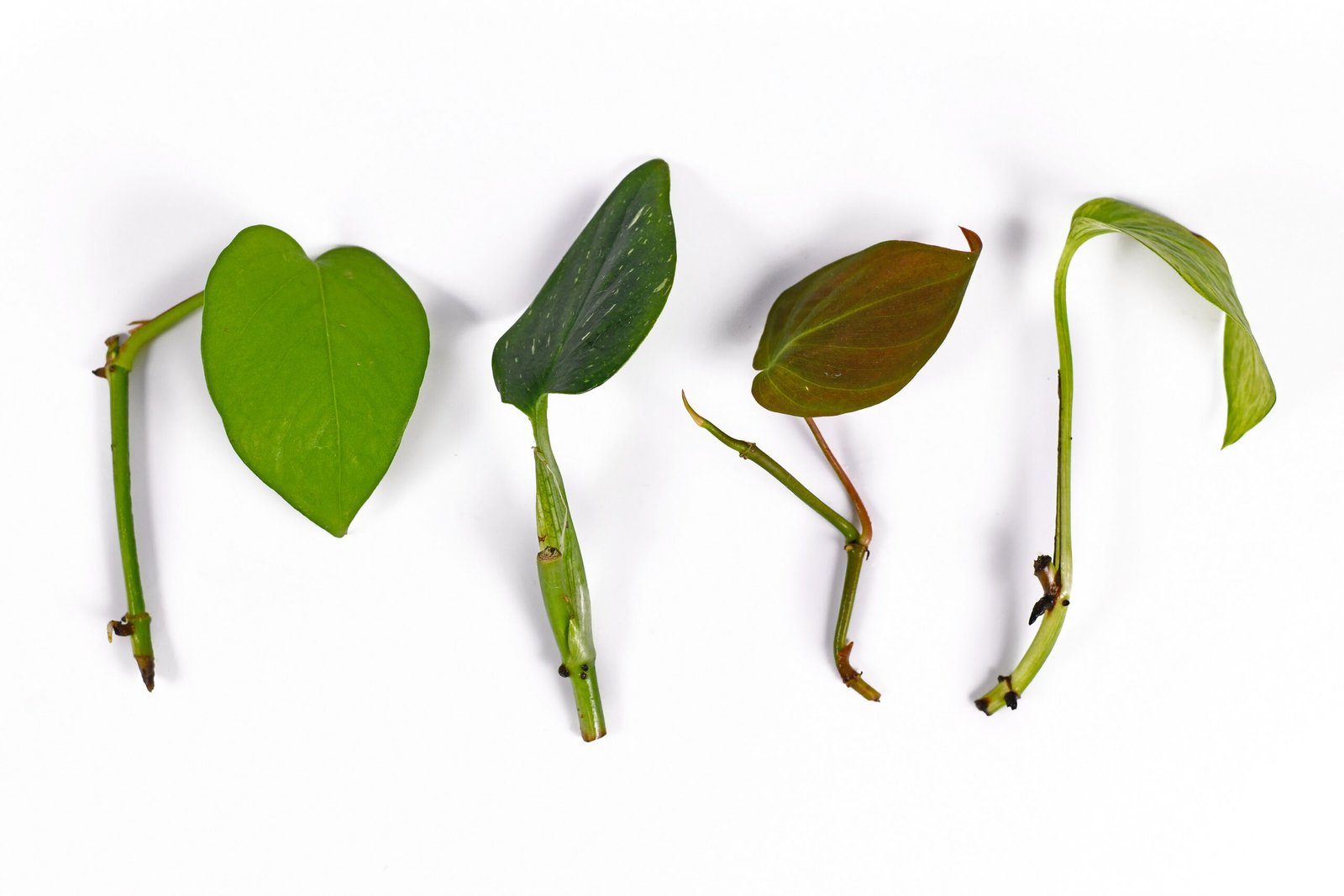
Plant propagation sounds technical, but many houseplants can be multiplied with one healthy stem, a clean pair of scissors, and a little patience. The difficult part is not making the cut. It is choosing the right piece of stem, keeping it from rotting, and moving it into normal potting mix at the right time.
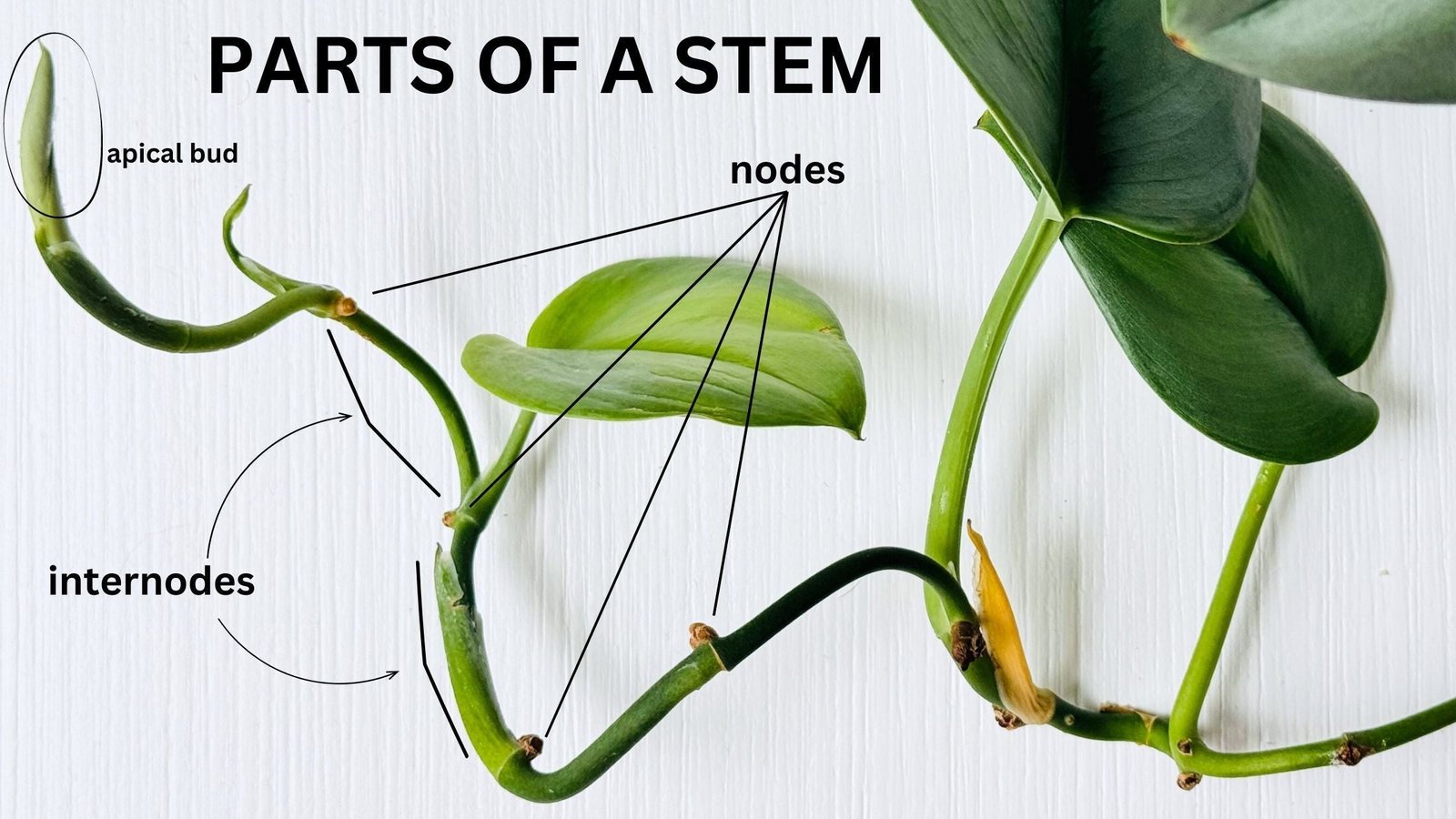
Stem-cutting propagation works because many plants can form new roots from nodes along their stems. Those nodes are the small joints where leaves, buds, or aerial roots appear. If your cutting includes a healthy node and receives the right moisture, light, temperature, and airflow, it may grow into a separate plant.
This guide explains how to propagate houseplants from stem cuttings in water and in potting mix. It also covers which plants respond well, how long rooting may take, how to handle common problems, and how to reduce stress when a rooted cutting becomes an independent plant.
Which Houseplants Are Good for Stem-Cutting Propagation?
Many vining and trailing plants are especially easy to propagate because they naturally root from stem nodes. Common examples include pothos, heartleaf philodendron, tradescantia, coleus, many peperomias, and some hoyas.
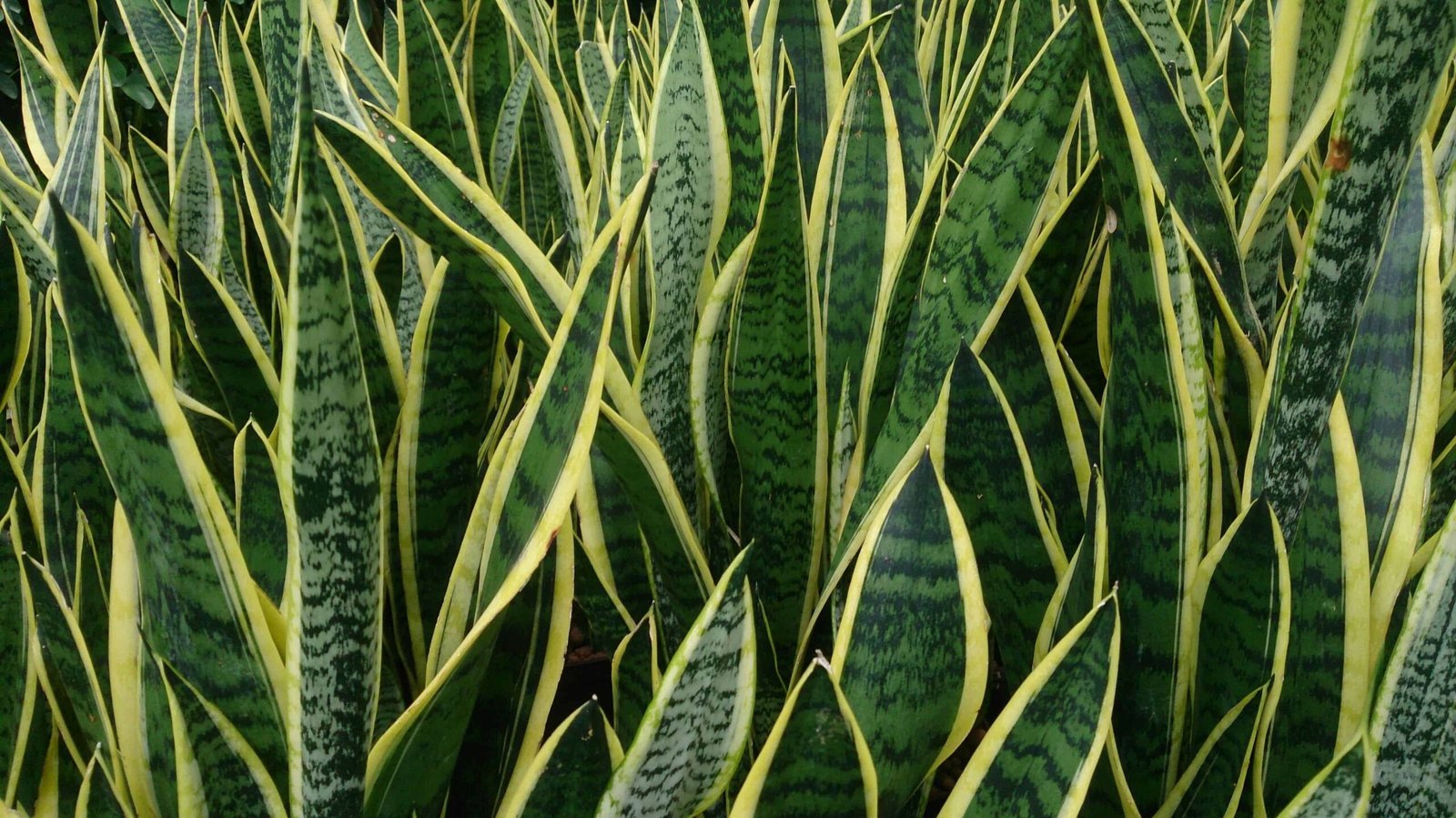
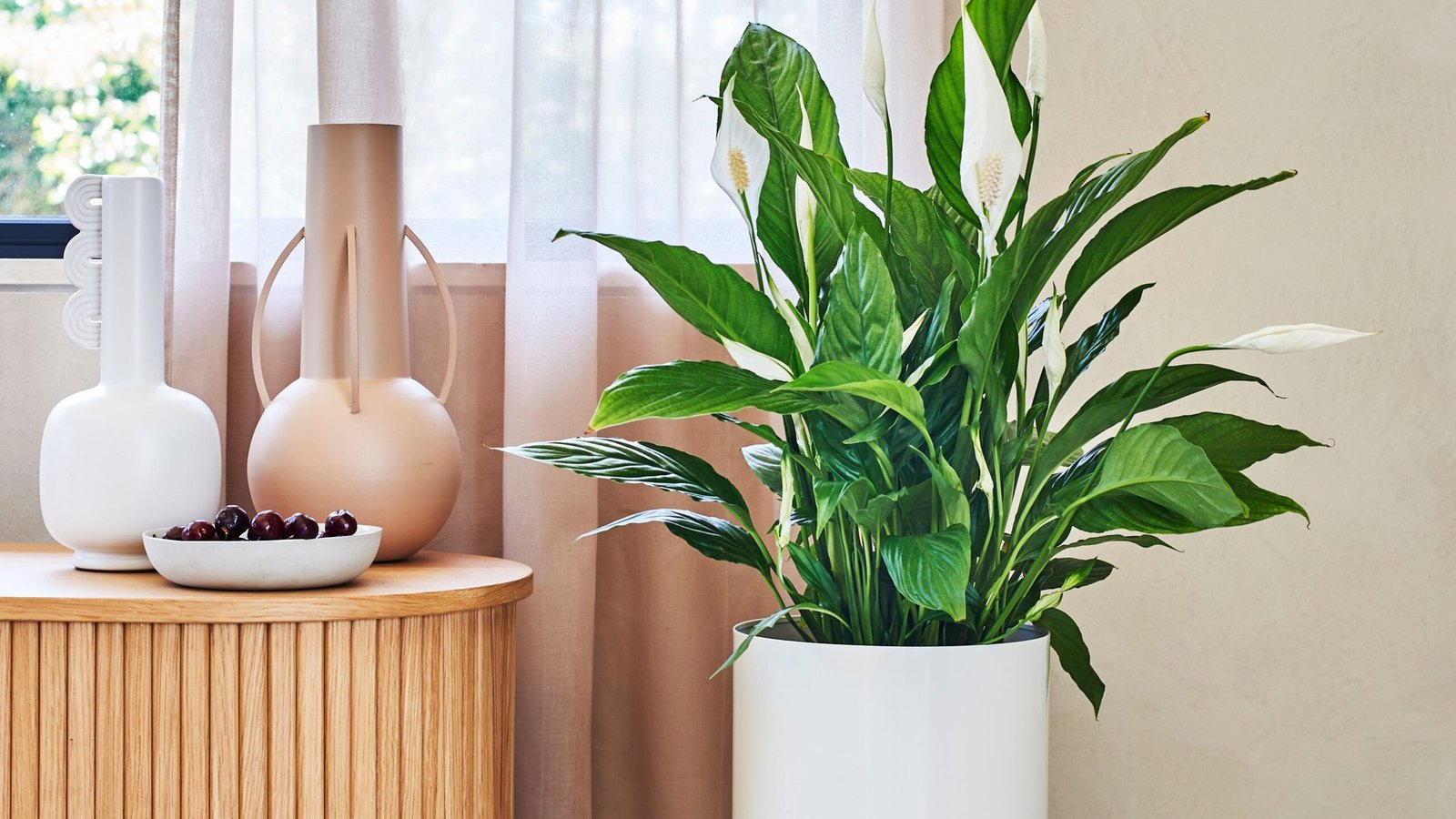
Other plants require different methods. Snake plants can be propagated by leaf cuttings or division. Spider plants are commonly propagated from plantlets. Peace lilies are usually divided rather than rooted from stem cuttings.
Always confirm the propagation method for the exact plant before cutting. The Royal Horticultural Society propagation guidance provides useful general information on cuttings, division, seed, and other propagation methods.
Understand Nodes Before You Cut
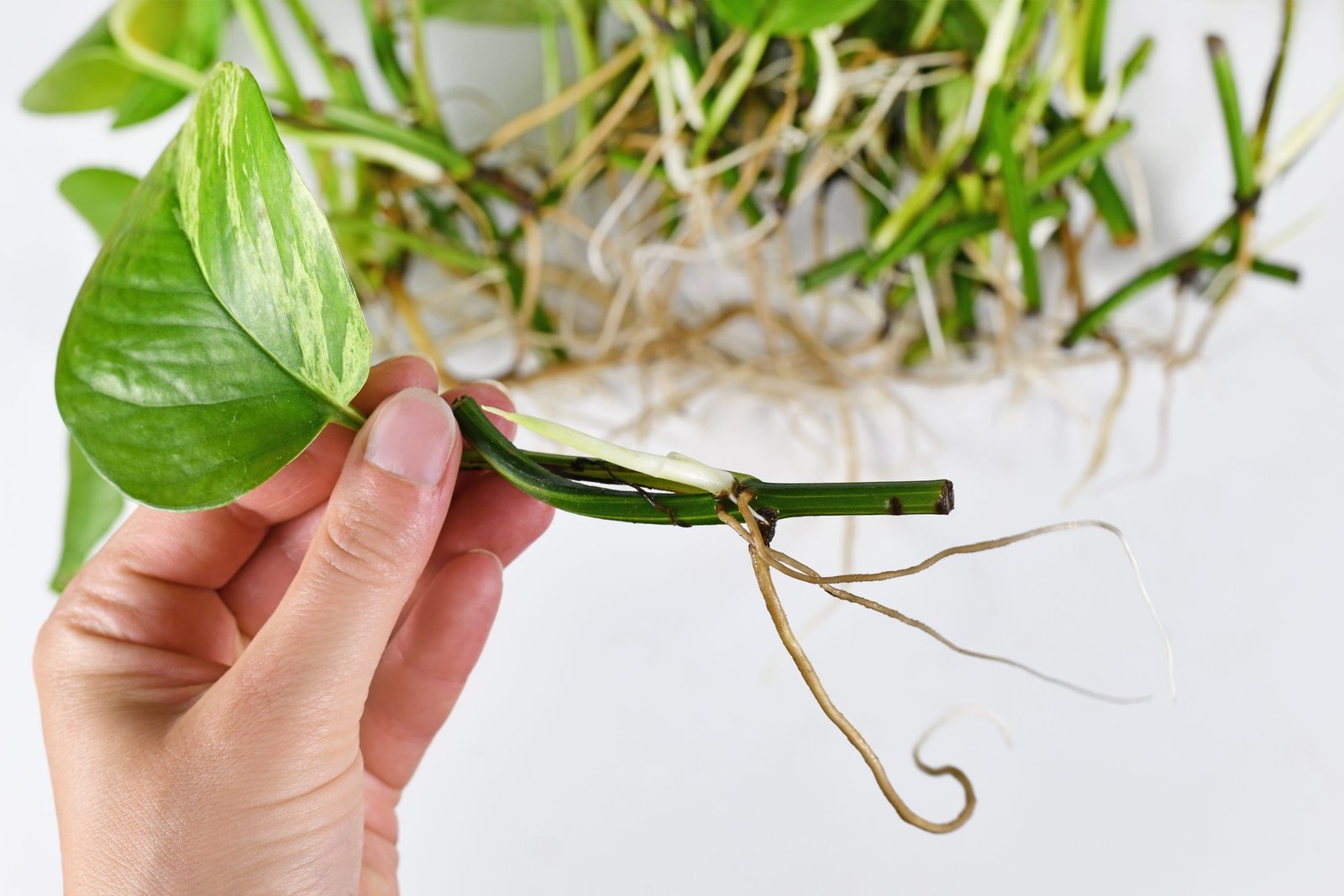
A node is the point on a stem where a leaf or bud emerges. On some vines, it appears as a small bump or ring. Roots usually develop from this area.
A cutting with only a leaf and no node may stay green for a long time but never become a complete new plant. This is why simply placing any leaf in water does not work for every species.
What to look for
- A healthy stem section with at least one clear node.
- No black, mushy, or damaged tissue.
- Leaves free from heavy pest damage.
- Active but not excessively soft growth.
Best Time to Take Houseplant Cuttings
Many indoor plants root most readily during active growth, often in spring and summer when light levels are higher. You can propagate at other times indoors, but rooting may take longer during cool, low-light months.
If a plant is severely stressed, recently repotted, pest-infested, or suffering root rot, do not take large numbers of cuttings unless you are trying to save healthy material. A strong parent plant usually gives stronger cuttings.
Tools and Materials
- Clean scissors, snips, or a sharp knife
- Small glass or jar for water propagation
- Small pot with drainage for soil propagation
- Fresh potting mix suited to the plant
- Plant label
- Clean water
- Optional clear propagation box or humidity dome
Clean the cutting tool before use. A sharp blade makes a cleaner cut and reduces crushed tissue.
Step-by-Step: Take a Healthy Stem Cutting
1. Choose the parent stem
Select a healthy stem with normal leaf color and no visible pests. Avoid very old woody sections unless the species is normally propagated that way.
2. Find the node
Locate a node below a leaf. For most common vining houseplants, include at least one node on the cutting.
3. Make a clean cut
Cut just below the node so the node remains on the cutting. A cutting around 8 to 15 centimeters long works for many plants, but the ideal size varies.
4. Remove lower leaves
Remove leaves that would sit underwater or be buried in potting mix. Leaves left submerged can rot.
5. Label the cutting
If you propagate several varieties, label them immediately. Many cuttings look similar after leaves are removed.
Method 1: Water Propagation
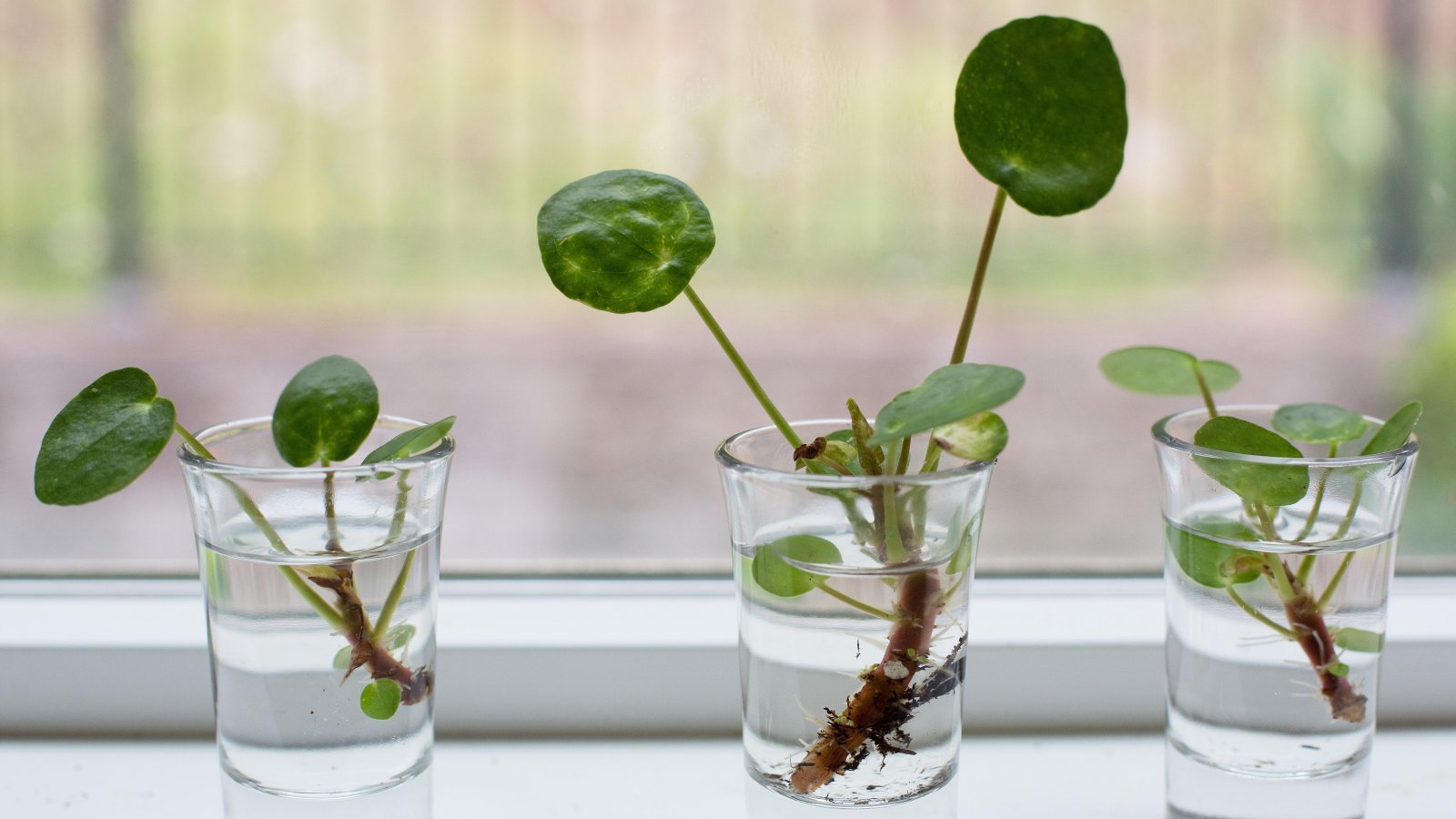
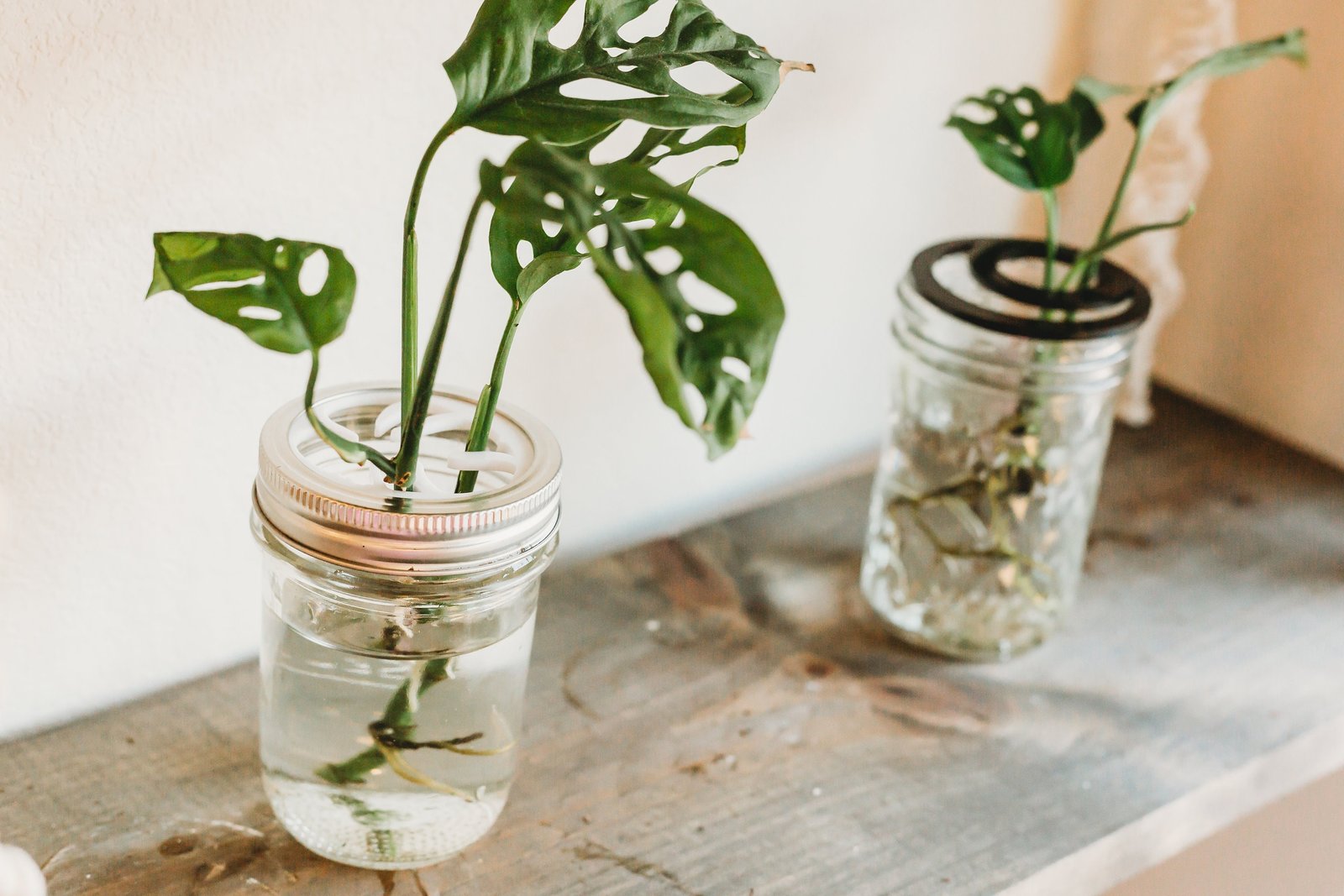
Water propagation is popular because you can watch roots form. It works well for pothos, many philodendrons, tradescantia, coleus, and other easy-rooting plants.
- Place the node below the water surface.
- Keep leaves above water.
- Place the container in bright indirect light.
- Change or refresh the water when it becomes cloudy or develops odor.
- Watch for new roots from the node.
Do not place the jar in intense hot sun. Clear glass can heat quickly and tender cuttings may lose water faster than new roots can replace it.
How Often Should You Change Propagation Water?
There is no fixed daily rule. If the water remains clear and fresh, a complete change every few days may not be necessary. Top it up when the level falls and replace it if it becomes cloudy, develops odor, or shows a heavy film.
Use a clean container. Do not add fertilizer to fresh cuttings unless reliable species-specific guidance recommends it. Roots begin forming from the cutting’s stored energy and normal plant processes.
Method 2: Rooting Cuttings Directly in Potting Mix
Rooting directly in mix avoids the transition from water roots to potting mix later. The disadvantage is that you cannot see root development.
- Fill a small pot with fresh, lightly moist potting mix.
- Make a planting hole with a pencil or finger.
- Insert at least one node into the mix.
- Firm the mix gently around the stem.
- Water lightly to settle the mix.
- Place in bright indirect light.
- Keep the mix slightly moist, not saturated.
A small pot is better than a very large one because excess wet mix around a tiny cutting can remain soggy.
Water vs Potting Mix: Which Is Better?
| Method | Advantage | Challenge |
|---|---|---|
| Water | Roots are visible | Cutting must later adapt to potting mix |
| Potting mix | No later medium change | Root growth is hidden |
| Perlite or propagation mix | Good air around roots | Moisture needs close monitoring |
Both methods can work. Choose the one that fits the plant and your ability to manage moisture.
How Much Light Do Cuttings Need?
Cuttings need light for photosynthesis but cannot handle the same stress as a fully rooted plant. Bright indirect light is a useful starting point for many houseplants.
If the cutting receives too little light, rooting and new growth may slow. If direct sun is too intense, leaves may scorch or wilt.
A grow light can help in dark rooms. Follow the manufacturer’s distance and duration recommendations.
Humidity: Helpful but Easy to Overdo
Cuttings have limited roots, so higher humidity can reduce water loss. A clear propagation box or loose plastic cover may help some species.
However, stagnant saturated air can encourage rot and fungal growth. Vent enclosed propagation spaces regularly. Leaves should not stay pressed against wet plastic.
How Long Do Houseplant Cuttings Take to Root?
Some fast plants show roots within one to two weeks. Others need a month or longer. Temperature, season, light, species, cutting age, and plant health all affect rooting speed.
Do not pull a soil-rooted cutting every few days to check. You can test gently after several weeks by giving the stem a very light tug. Resistance may indicate roots, but avoid damaging new tissue.
When Are Water Roots Ready for Potting?
Do not wait until the jar contains a huge tangled root mass. For many easy houseplants, several roots a few centimeters long are enough to begin the transition.
Very long water roots can become brittle and harder to arrange in a small pot.
Potting a rooted cutting
- Choose a small pot with drainage.
- Use fresh potting mix suited to the plant.
- Partly fill the pot.
- Spread the roots gently without forcing them straight.
- Add mix around the roots.
- Water thoroughly.
- Keep the plant in stable bright indirect light while it adjusts.
Why a Water-Rooted Cutting May Wilt After Potting
Roots formed in water developed in a very moist environment. Potting mix contains more air and changes moisture around the roots. A short adjustment period is normal.
Keep the mix more consistently moist than you would for a mature plant during the first stage, but do not keep it waterlogged. Gradually move toward the normal watering routine.
Can You Put Several Cuttings in One Pot?
Yes. Planting several rooted cuttings together creates a fuller plant faster. This is common with pothos, philodendron, tradescantia, and other trailing plants.
Make sure the pot is large enough for the group but not excessively oversized. Spread cuttings around the pot rather than clustering every stem in one spot.
Real-World Example: Propagating a Leggy Pothos
A pothos has long vines with leaves only near the ends. The owner wants a fuller pot.
They cut three long vines into shorter sections, making sure every section has a node. The top cuttings go into water, while several middle sections with one leaf and one node go directly into potting mix.
After three weeks, the water cuttings have several roots. The soil cuttings show new leaves, suggesting successful rooting. All rooted pieces are planted around the edge of the original pot.
Instead of buying another plant, the owner uses healthy growth to rebuild a fuller plant.
Common Propagation Problems
The cutting turns black at the base
This usually means tissue is rotting. Remove the cutting, trim back to firm healthy tissue with a clean tool, and restart if enough healthy stem remains.
Leaves yellow in water
One older leaf may yellow as the cutting redirects energy. Widespread yellowing can signal low light, poor water quality, rot, or a weak cutting.
Roots form but no new leaves appear
Rooting often happens before visible shoot growth. Give the cutting time, adequate light, and stable temperature.
The cutting wilts in potting mix
Check moisture and humidity. A newly planted cutting may lose water faster than its small root system can replace it.
White or brown film grows in the jar
Clean the container and replace the water. Remove any soft decaying material.
Do You Need Rooting Hormone?
Easy-rooting houseplants often do not need rooting hormone. It can be useful for plants that root slowly or inconsistently.
If you use a hormone product, follow the label. Pour a small amount into a separate container rather than dipping cuttings directly into the original package, which can contaminate the product.
Propagation Hygiene Checklist
- Use a healthy parent plant.
- Inspect for pests first.
- Clean cutting tools.
- Use clean jars and pots.
- Use fresh potting mix.
- Remove leaves that would stay underwater.
- Discard rotting cuttings promptly.
- Do not reuse cloudy propagation water.
What About Leaf Cuttings?
Some plants can grow from leaf cuttings. African violets, many begonias, and snake plants are examples. The method is different from stem-node propagation.
A pothos leaf without a node will not normally grow into a new pothos plant. This is why knowing the species and propagation method matters.
Frequently Asked Questions
Can I propagate houseplants in tap water?
Usually yes. If your tap water is extremely hard or treated in a way sensitive plants dislike, filtered water may help. Most common houseplants root successfully in normal household water.
Should I put fertilizer in propagation water?
Usually not at first. Fresh cuttings do not need strong fertilizer. Begin feeding only after the new plant is established and according to its normal care needs.
Can a cutting have too many leaves?
Yes. A large leafy cutting may lose water faster than new roots can replace it. Remove lower leaves and keep a manageable amount of foliage.
Why is my cutting not rooting?
Check whether it includes a node, whether the plant can be propagated by stem cuttings, and whether light, temperature, and moisture are suitable.
How long can a cutting live in water?
Some plants can live in water for a long time, but a cutting intended for soil is usually easier to transition before roots become extremely long and tangled.
Can I propagate a sick plant?
You can sometimes save healthy stems from a plant with root problems, but avoid propagating pest-infested or diseased tissue. Choose only firm, clean growth.
Conclusion: Focus on Healthy Nodes and Balanced Moisture
Houseplant propagation becomes predictable when you understand where new roots form. Choose a healthy stem, include at least one node, make a clean cut, and give the cutting bright indirect light with balanced moisture.
Water propagation lets you watch roots grow. Direct-to-mix propagation avoids a later transition. Neither method is automatically better for every plant.
Most failures come from missing nodes, stagnant water, soggy potting mix, weak light, or moving the cutting before roots are ready. Solve those basics and one healthy parent plant can become several strong new plants.