Many houseplant problems that look like watering or fertilizer issues begin with light. A plant in too little light may grow slowly, stay wet for longer, lose lower leaves, or stretch toward a window. A plant in too much direct sun may bleach, scorch, or wilt even when the potting mix is moist.
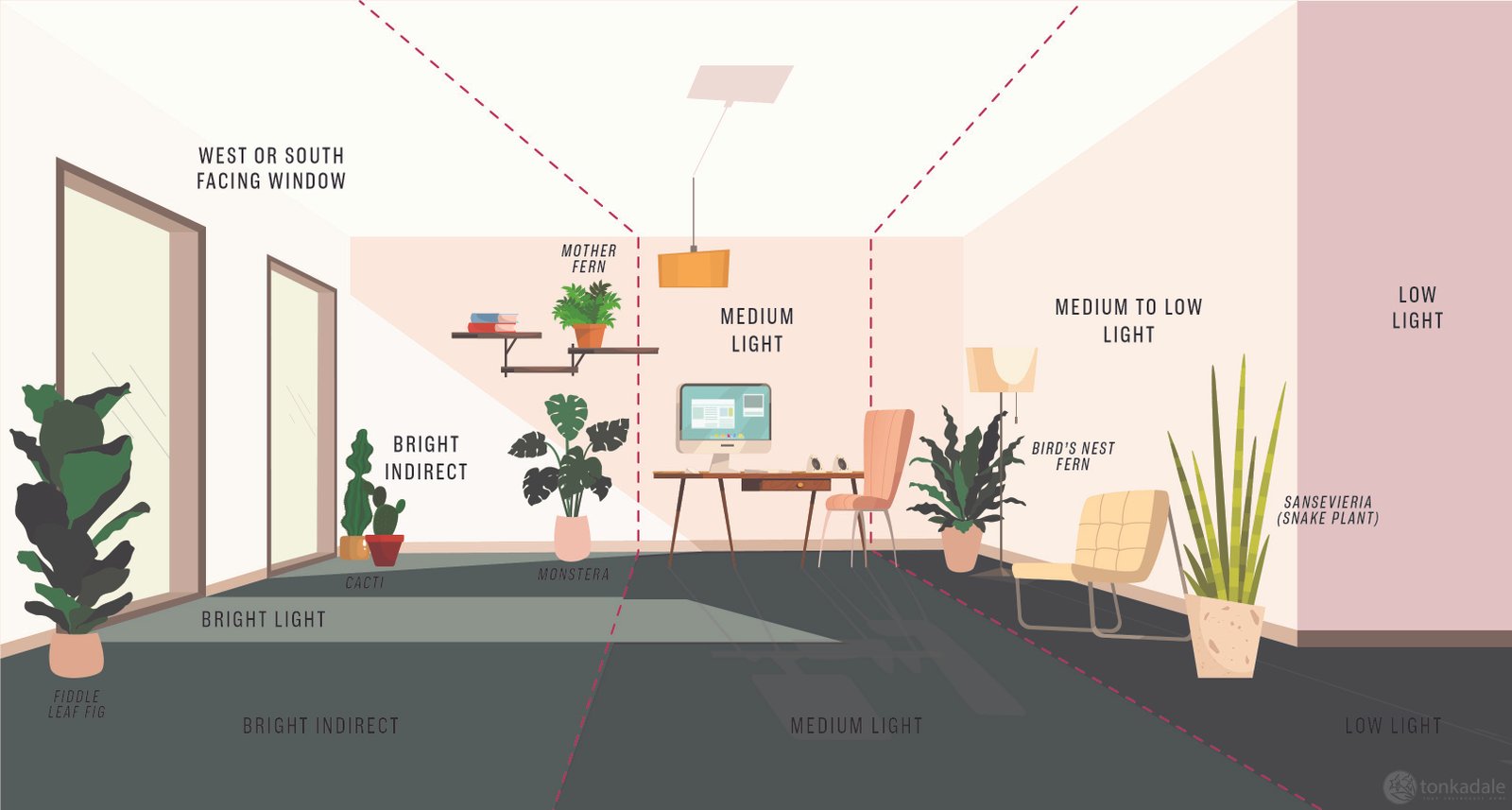
The challenge is that indoor light is difficult to judge by eye. A room can feel bright to a person while providing little useful light several meters from the window. Window direction, season, curtains, nearby buildings, trees, and even the height of the plant can change what it receives.
This houseplant light guide explains how to evaluate indoor light without expensive equipment, what common terms such as low light and bright indirect light mean, how to use grow lights, and how to move plants safely when conditions change.
Why Light Affects More Than Leaf Color
Plants use light to make energy through photosynthesis. When light drops, growth and water use usually drop too. That is why a plant that dried every six days in summer may remain moist for twelve days in winter.
Light also affects:
- Leaf size and spacing
- Stem strength
- Flowering
- Variegation
- Water use
- Fertilizer demand
- Resistance to some stress problems
The Royal Horticultural Society houseplant growing guide recommends matching indoor plants to suitable light, temperature, humidity, watering, and potting conditions rather than using one care routine for every species.
What Does “Bright Indirect Light” Mean?
Bright indirect light means a plant receives strong ambient light without long periods of harsh direct sun hitting the leaves. It is one of the most common recommendations for tropical foliage plants.
Examples include:
- Near an east-facing window with gentle morning sun.
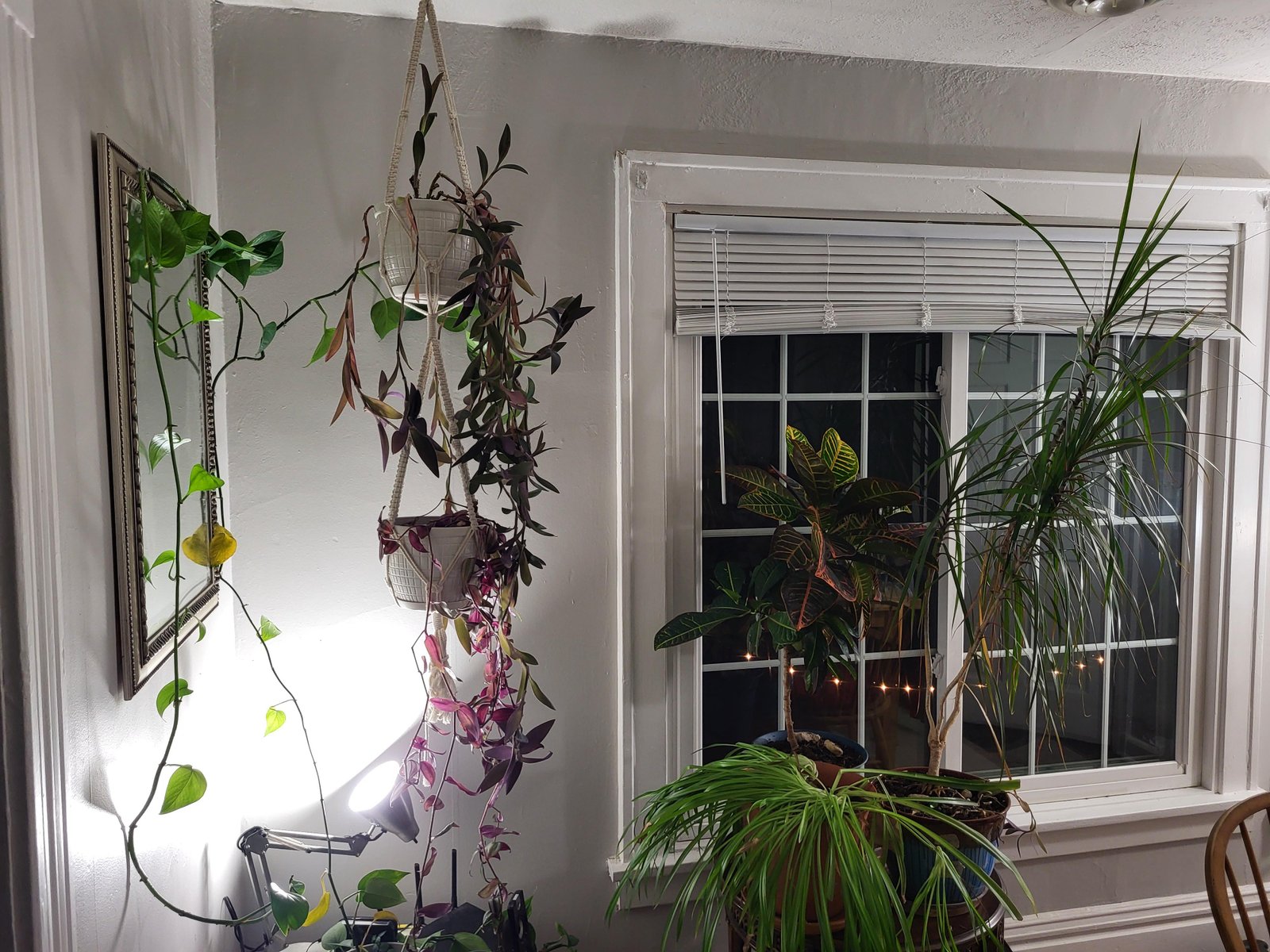
- A short distance back from a bright south- or west-facing window.
- Near a sunny window filtered by a sheer curtain.
- Beside, rather than directly in front of, a very bright window.
The exact distance depends on the window and room. Light intensity drops quickly as you move farther indoors.
Direct Sun Is Not Always Bad
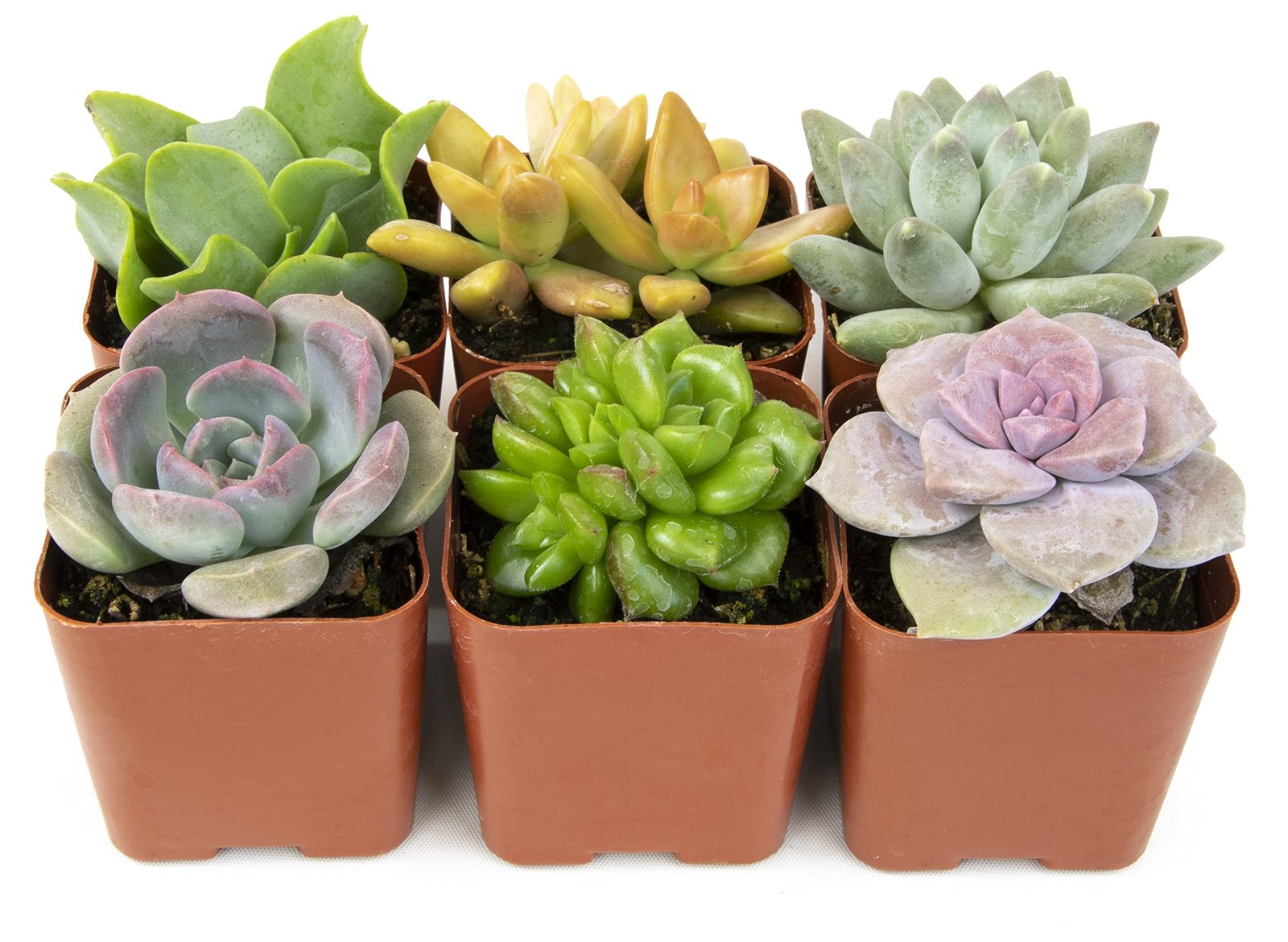
Some houseplants need or tolerate direct sun. Cacti, many succulents, citrus, and sun-loving herbs often perform poorly in weak indirect light.
The key is acclimation. A plant grown in a dim shop can scorch if placed immediately in intense afternoon sun. Increase direct exposure gradually over one to two weeks.
Understanding Window Direction
Window direction is a useful starting point, but local conditions matter.
| Window | Typical Light in Northern Hemisphere | Useful For |
|---|---|---|
| North | Soft, indirect light | Shade-tolerant foliage plants |
| East | Morning direct sun | Many tropical houseplants |
| South | Strongest total light | High-light plants with placement adjustment |
| West | Strong afternoon sun | Sun-tolerant plants; may need filtering |
In the southern hemisphere, north and south exposure are reversed. Buildings, balconies, trees, and tinted glass can also change the result.
Step 1: Observe the Shadow
A simple shadow test can help you compare spots in the room.
- A sharp dark shadow often indicates strong direct light.
- A soft but clear shadow suggests bright indirect light.
- A faint shadow suggests moderate or lower light.
- Almost no shadow indicates very low light.
This is not a scientific measurement, but it is useful for relative comparisons.
Step 2: Check the Spot at Several Times of Day
Do not judge a plant location at noon only. Check it in the morning, midday, and late afternoon.
A west window may be mild in the morning and extremely hot at 4 p.m. A neighboring building may shade a south window for several winter months.
Note whether direct sun touches the leaves and how long it lasts.
Step 3: Consider Seasonal Changes
Sun angle and day length change through the year. A plant that sits safely near a window in summer may receive stronger direct sun in winter when the sun is lower, or the opposite may happen depending on outdoor shading.
Deciduous trees also change indoor light. A room may be bright in winter after leaves fall and much darker in summer.
Low-Light Plants Still Need Light
“Low light” does not mean darkness. A plant that tolerates low light may survive farther from a window, but growth will usually be slower.
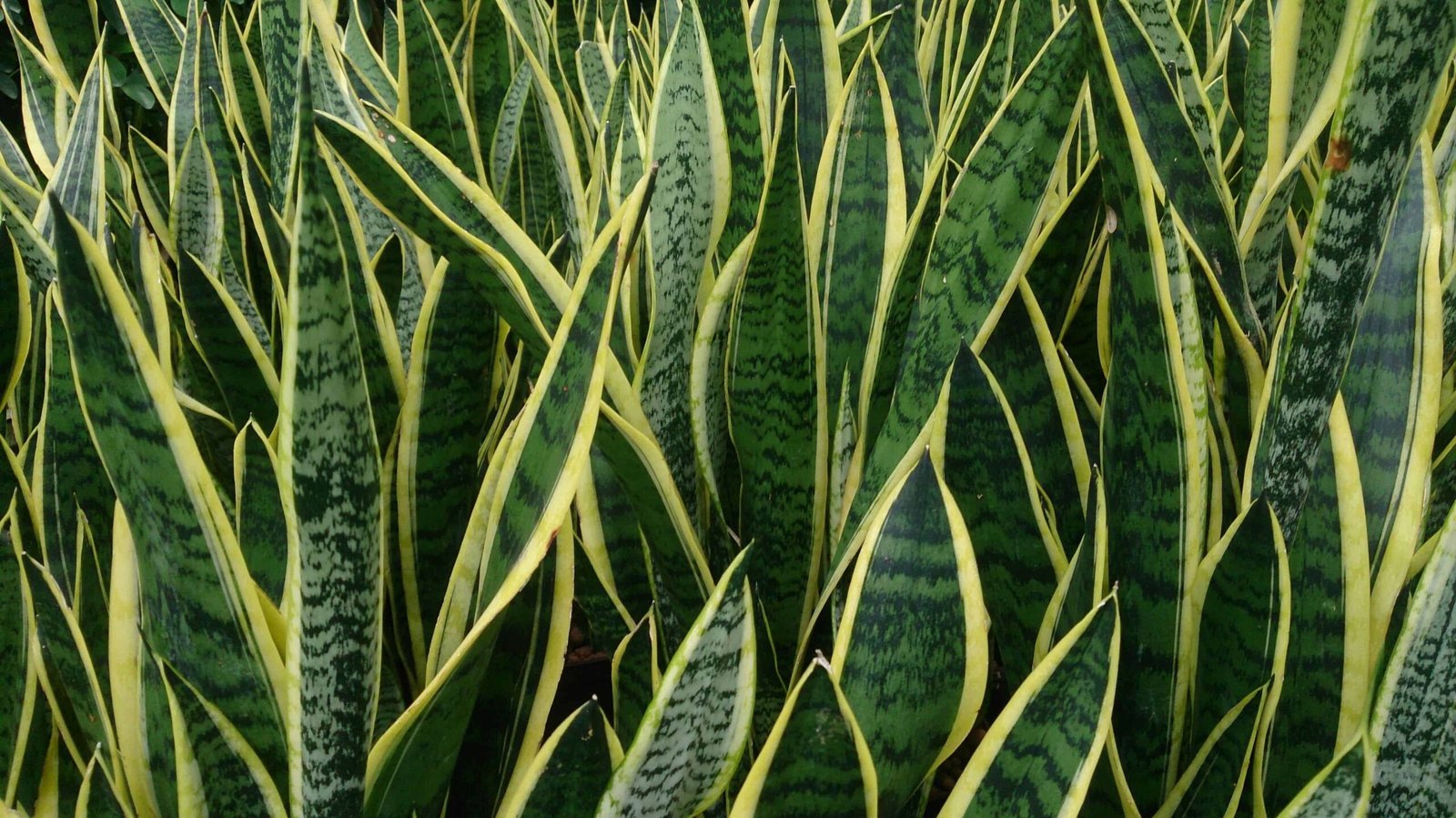
Common plants known for tolerating lower light include snake plant, ZZ plant, pothos, and some philodendrons. Even these plants generally grow better with brighter suitable light.
If you cannot comfortably read a book in the spot during daytime without turning on a lamp, the light may be too low for long-term plant growth.
Signs a Houseplant Needs More Light
- Long gaps develop between leaves.
- New leaves are smaller than old leaves.
- Stems lean strongly toward the window.
- Variegation becomes weaker.
- Flowering stops despite normal care.
- Soil stays wet much longer than before.
- Growth nearly stops during the active season.
One sign is not proof. Root problems and nutrient deficiencies can also affect growth. Look at the full care routine.
Signs a Houseplant Is Getting Too Much Direct Sun
- Bleached or pale patches on exposed leaves.
- Dry tan or brown scorch marks.
- Leaves curl during the hottest part of the day.
- Potting mix dries extremely fast near hot glass.
- Leaf color becomes washed out.
Sun damage usually appears on the side facing the window and often follows a move to stronger light.
How Far From a Window Can a Plant Be?
There is no universal distance. A large unobstructed south-facing window may provide useful light several feet into a room, while a small shaded window may not.
Instead of using a fixed distance, compare plant response. If growth becomes stretched or the pot stays wet for very long periods, move the plant closer.
For valuable or demanding plants, a light meter or smartphone lux app can help compare locations, though phone sensors are not laboratory instruments.
Using Grow Lights for Houseplants
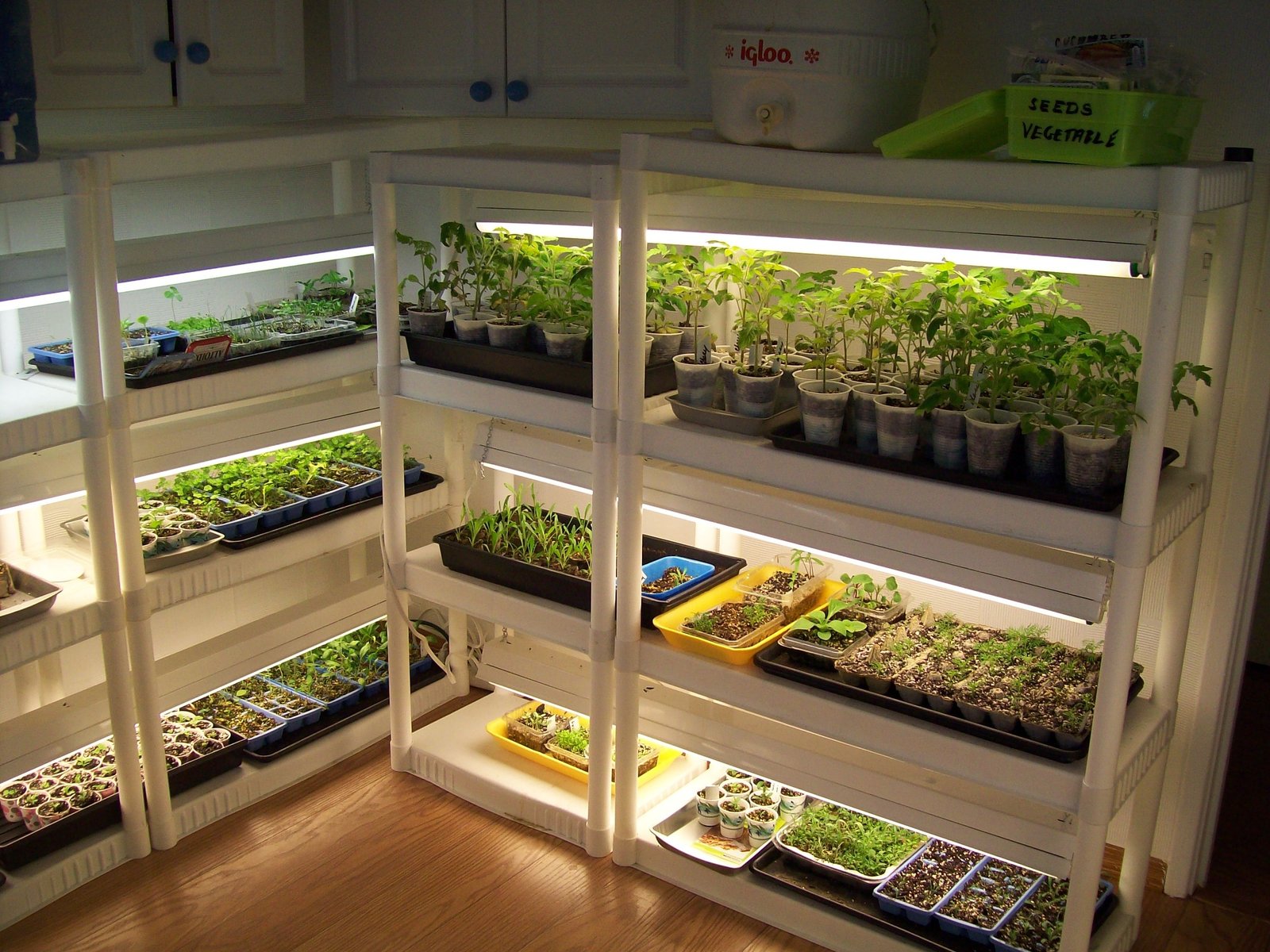
Grow lights are useful when natural light is limited or inconsistent. They can also support plants during winter.
Choose a practical fixture
For most home foliage plants, a full-spectrum LED grow light is efficient and produces less heat than older high-intensity lamps.
Follow distance guidance
Light intensity changes greatly with distance. A powerful lamp too close can scorch leaves; a weak lamp too far away may do little.
Use a timer
A consistent light period is easier than turning lights on and off manually. Many houseplants do well with roughly 10 to 14 hours under moderate grow lights, but species and light strength vary.
Give plants darkness
Plants have natural day-night cycles. Continuous 24-hour lighting is unnecessary for normal houseplant care.
Can Regular LED Bulbs Grow Plants?
Some bright white household LED bulbs can support low-demand plants if positioned close enough, but dedicated grow lights are designed to provide stronger plant-usable light over a predictable area.
The label “grow light” does not guarantee quality. Check actual power, coverage area, and manufacturer recommendations.
How to Move a Plant to Brighter Light Safely
Sudden light changes can scorch leaves, especially when moving from low indoor light to direct sun.
- Move the plant closer to the bright area but keep it out of direct sun for a few days.
- Add 30 to 60 minutes of gentle morning sun.
- Increase exposure every few days if leaves remain healthy.
- Stop and reduce exposure if bleaching or dry patches appear.
This gradual process is similar to hardening off outdoor seedlings.
Light and Watering Work Together
A plant in bright light generally uses water faster than the same plant in low light. This means watering schedules should change when you move a plant.
After moving a plant to brighter light, check the soil more often. After moving it to a darker winter location, expect the pot to dry more slowly.
Never increase watering simply because the plant receives more sun without checking actual moisture.
Light and Fertilizer Work Together Too
A plant that is barely growing in low light cannot use large amounts of fertilizer efficiently. Feeding heavily will not compensate for insufficient light.
Fix the light first. Resume normal feeding once the plant is actively growing.
Variegated Plants Often Need More Light
White, cream, or pink parts of variegated leaves contain less chlorophyll. Highly variegated plants often need brighter indirect light to maintain strong growth.
Too little light may cause larger green sections to dominate because green tissue produces more energy.
However, pale variegated sections can also scorch more easily in strong direct sun. Aim for bright filtered light.
Flowering Houseplants and Light
Many flowering indoor plants need more light than foliage plants. African violets, orchids, anthuriums, and holiday cacti each have different needs.
If a healthy plant grows leaves but never flowers, light is one factor to investigate. Temperature cycles and plant maturity may also matter.
Real-World Example: A Pothos in a Dark Living Room
A pothos sits four meters from a north-facing window. It survives for months, but new leaves become smaller and vines grow long spaces between leaves. The owner waters weekly, so the soil stays wet for almost two weeks.
They move the plant to a shelf one meter from an east-facing window where it receives bright morning light filtered by a sheer curtain.
They also stop watering by weekday and wait until the upper soil dries. Within two months, new leaves become larger and closer together.
The solution was not fertilizer. It was more usable light and a watering routine adjusted to the new conditions.
Plants for Different Indoor Light Levels
| Light Level | Examples | Important Note |
|---|---|---|
| Lower light | ZZ plant, snake plant, pothos | Growth will be slower |
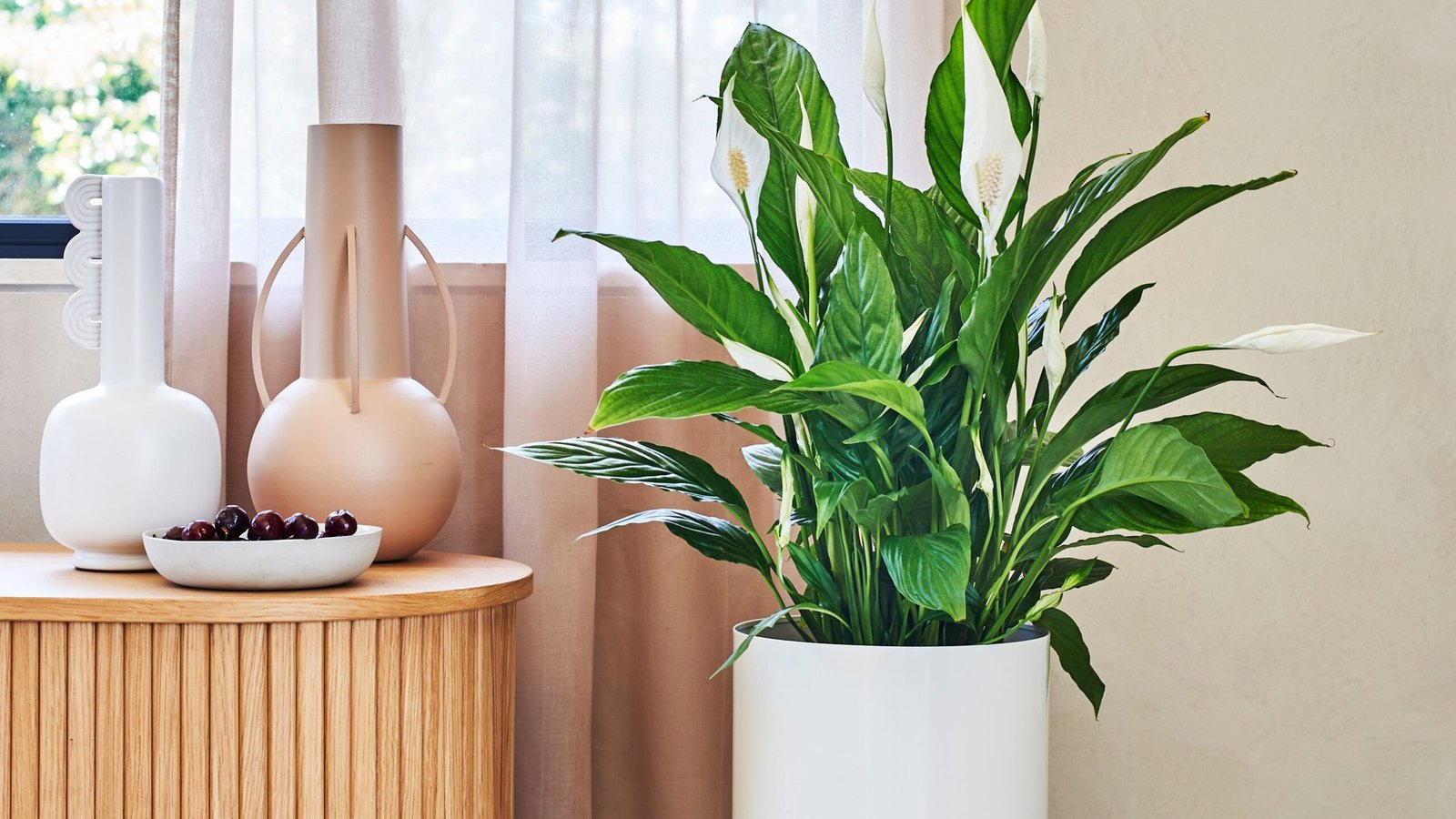
| Bright indirect | Monstera, philodendron, peace lily | Avoid harsh sudden sun |
| Bright with some direct sun | Ficus, hoya, many succulents | Acclimate gradually |
| High direct light | Cacti, many desert succulents | Still protect from abrupt change |
These are general categories. Check the specific species and cultivar.
Common Houseplant Lighting Mistakes
Putting a “low-light plant” in a windowless room
Tolerance is not the same as preference. Use a grow light if natural light is extremely limited.
Moving a plant straight into full sun
Acclimate gradually.
Keeping grow lights too far away
Even powerful lights become much weaker with distance.
Ignoring winter changes
Shorter days can reduce growth and water use.
Rotating plants too often
Occasional rotation keeps growth balanced, but constantly moving a sensitive plant can make it difficult to adjust.
Houseplant Light Checklist
- Identify the plant’s preferred light level.
- Check window direction.
- Observe direct sun duration.
- Check morning and afternoon conditions.
- Watch seasonal changes.
- Move low-light plants closer to windows when possible.
- Use grow lights if natural light is inadequate.
- Acclimate plants before strong direct sun.
- Adjust watering after moving plants.
- Watch new growth rather than judging old leaves.
Frequently Asked Questions
Is bright indirect light the same as shade?
No. Bright indirect light can be very bright even without direct sun. Deep shade is much lower light.
Can houseplants get too much light through glass?
Yes. Strong sun through south- or west-facing glass can scorch sensitive leaves and heat pots quickly.
Should I rotate houseplants?
Yes, for plants that lean strongly toward a window. Rotate a quarter turn every week or two rather than moving them constantly.
How long should grow lights stay on?
Many houseplants do well with 10 to 14 hours under moderate grow lights, but intensity and species matter. Use the fixture guidance and watch plant response.
Can a plant recover from low light?
Yes. New growth usually improves after the plant receives better light. Existing stretched stems will not shorten, so pruning may help reshape the plant.
Why did my plant burn after moving to a sunny window?
It likely received a sudden increase in direct light. Move it back slightly and reintroduce stronger sun gradually.
Conclusion: Judge Light by Plant Response, Not Room Brightness
Indoor light is one of the biggest factors in houseplant health, yet it is easy to underestimate. Start with window direction, then observe how long direct sun reaches the plant and how conditions change through the year.
Match the plant to the light rather than forcing a high-light plant to survive in a dark corner. Use grow lights where natural light is weak and acclimate plants before exposing them to stronger sun.
Finally, remember that light changes watering and feeding needs. Once a plant receives the right amount of usable light, many other care decisions become much easier.