Seeing aphids, caterpillars, or beetles in a garden does not always mean the garden is failing. A healthy outdoor space contains insects that eat plants, insects that pollinate flowers, and insects that prey on other insects. The goal is not to remove every bug. It is to prevent pest populations from reaching levels that seriously damage plants.
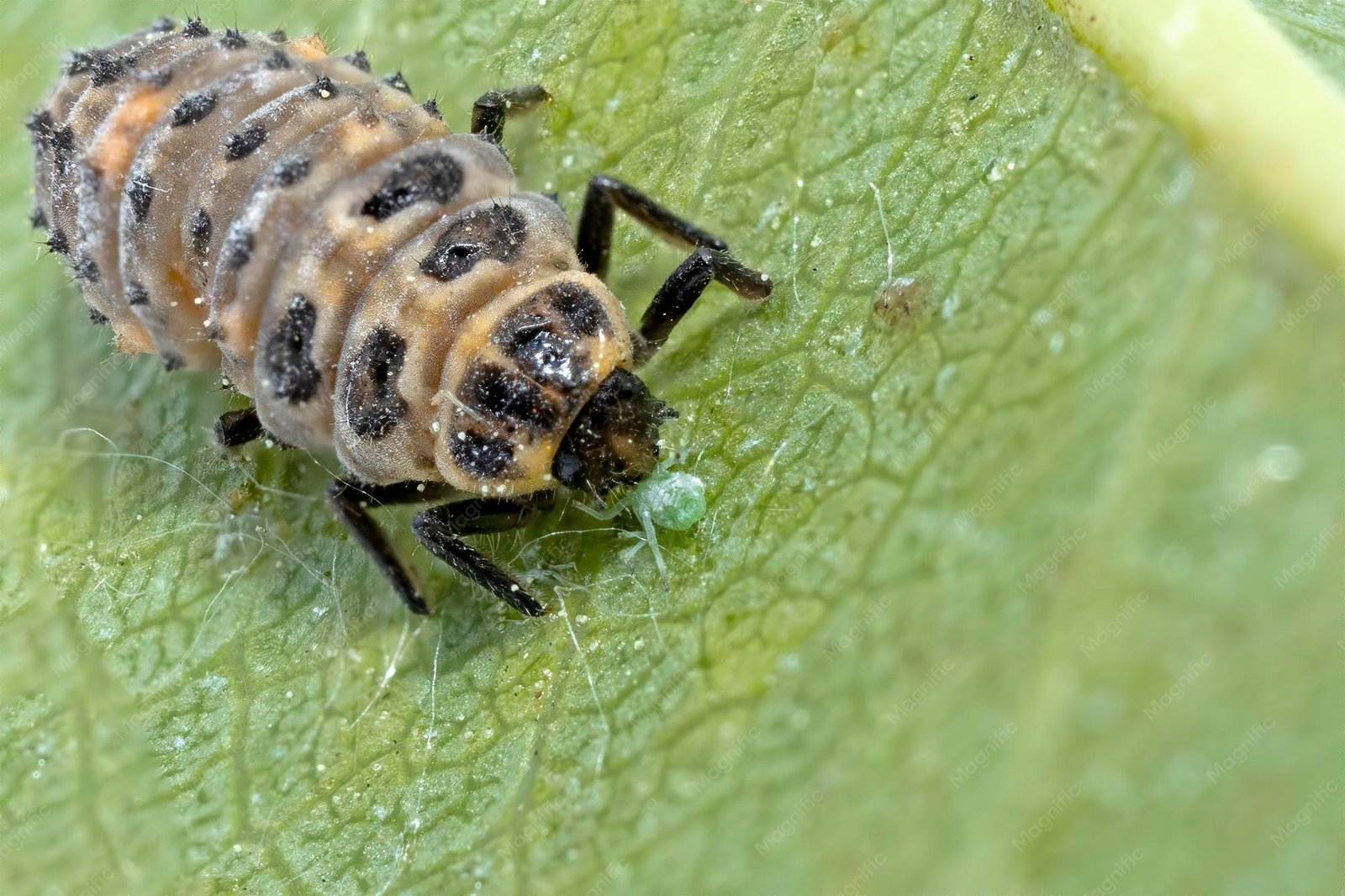
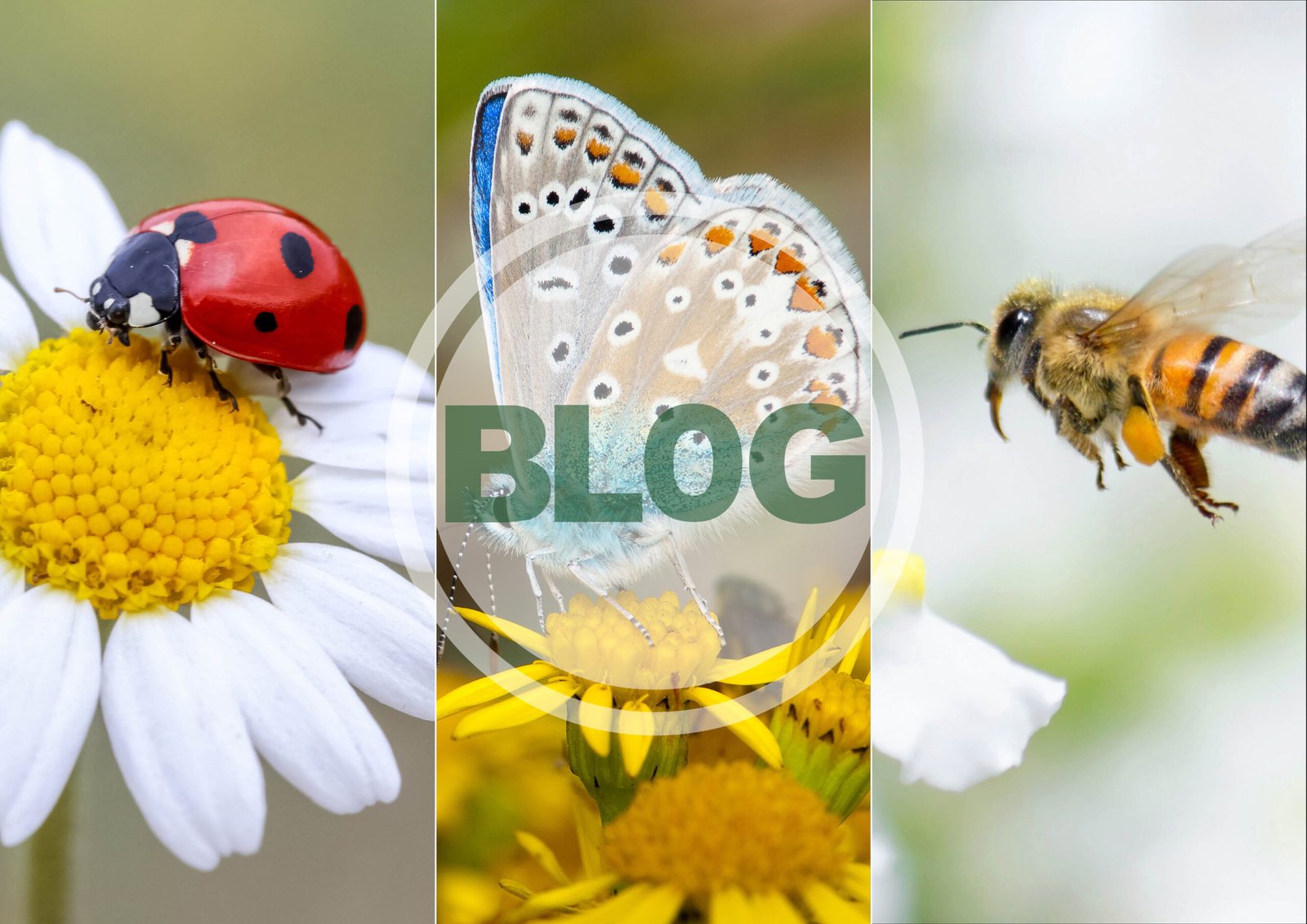
Beneficial insects can help. Lady beetles, lacewings, hoverflies, parasitoid wasps, ground beetles, predatory bugs, and many other species feed on pests or help pollinate crops. You cannot force them to stay, but you can make the garden more useful to them by providing flowers, shelter, water, reduced pesticide exposure, and prey.
This guide explains how to attract and keep beneficial insects without turning the garden into an unmanaged area. It covers plant choice, bloom timing, insect habitat, pesticide decisions, monitoring, water, mulch, winter shelter, and realistic expectations.
What Counts as a Beneficial Insect?
“Beneficial” depends on what the insect is doing in your garden. Some species pollinate crops. Others eat pests. Some break down organic material. Many do more than one job during different life stages.
Common beneficial groups include:
- Lady beetles: many species and larvae eat aphids and other soft-bodied pests.
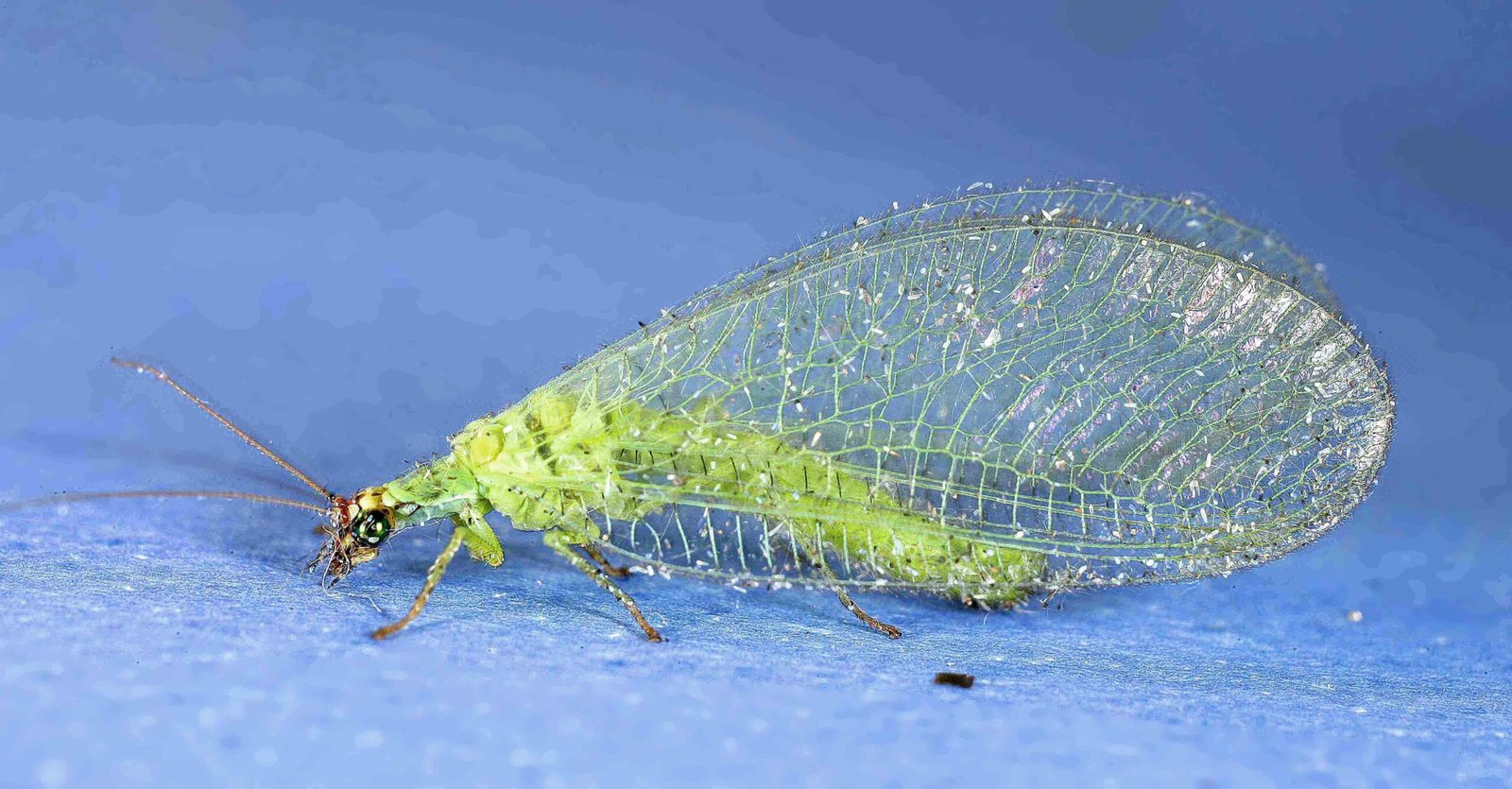
- Lacewings: larvae of several species are active predators.
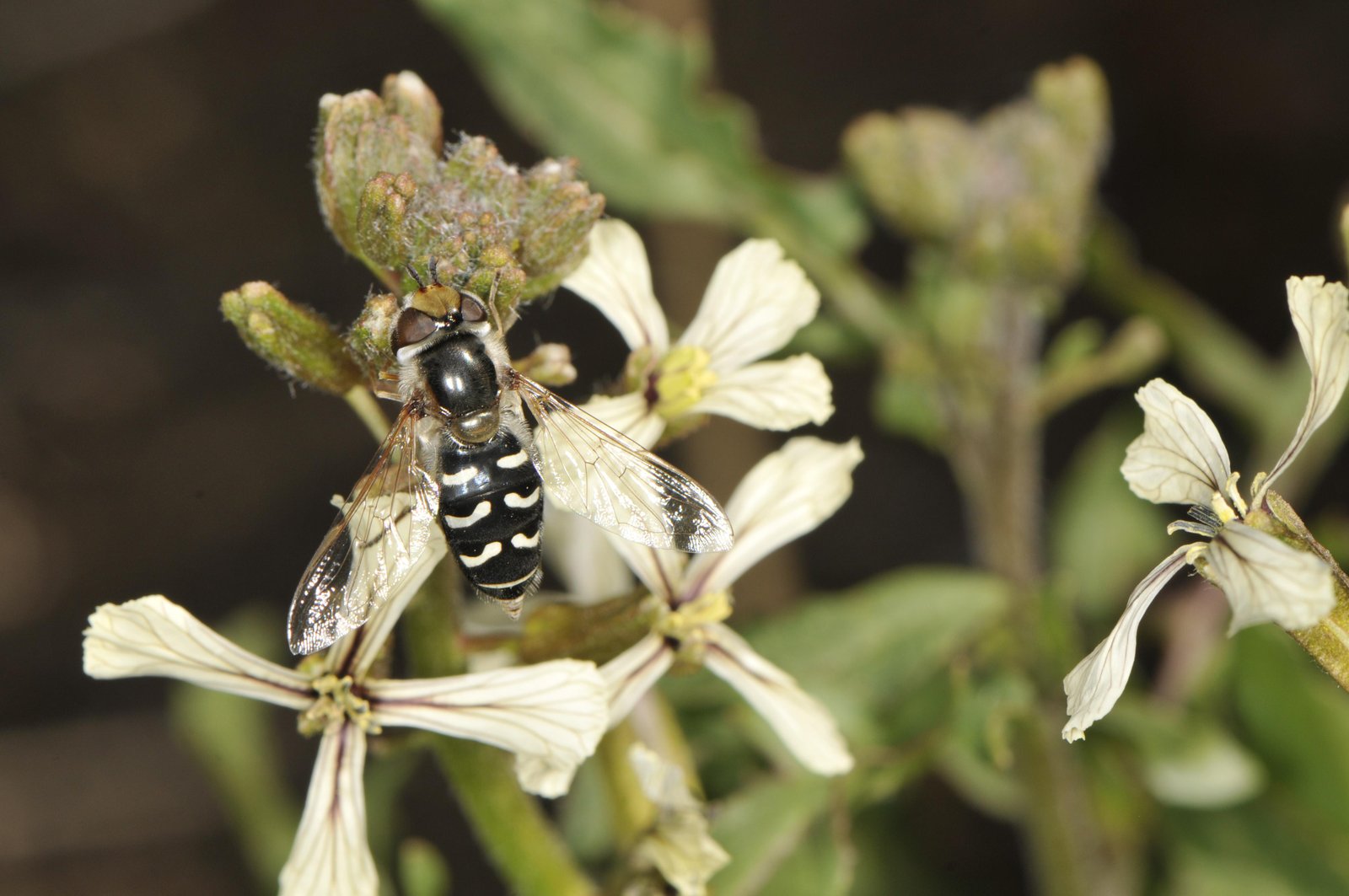
- Hoverflies: adults visit flowers while larvae of some species eat aphids.
- Parasitoid wasps: tiny wasps lay eggs in or on pest insects.
- Ground beetles: many hunt at soil level, often at night.
- Predatory bugs: several groups attack caterpillars, mites, thrips, or other prey.
- Native bees: important pollinators rather than pest predators.
The Xerces Society provides extensive information about pollinator and beneficial-insect habitat, including regional plant resources and pesticide-risk reduction.
Do Not Judge Insects by Appearance Alone
Some beneficial insect larvae look unfamiliar and are killed because gardeners assume they are pests. Lady beetle larvae, for example, look very different from adult lady beetles.
Before spraying or removing an insect:
- Photograph it clearly.
- Note what plant it is on.
- Look for actual feeding damage.
- Use a reliable extension or insect-identification resource.
- Decide whether control is needed.
Correct identification prevents unnecessary pesticide use and protects natural predators.
Grow Flowers That Provide Accessible Nectar and Pollen
Many predatory insects need nectar or pollen as adults even if their larvae eat pests. A garden with only large double flowers may provide less accessible food than one with a range of simple flower shapes.
Useful flower families often include plants with clusters of small flowers, open daisy-like forms, and shallow nectar sources.
Choose plants suited to your region and site. Examples may include:
- Yarrow.
- Dill.
- Fennel where non-invasive.
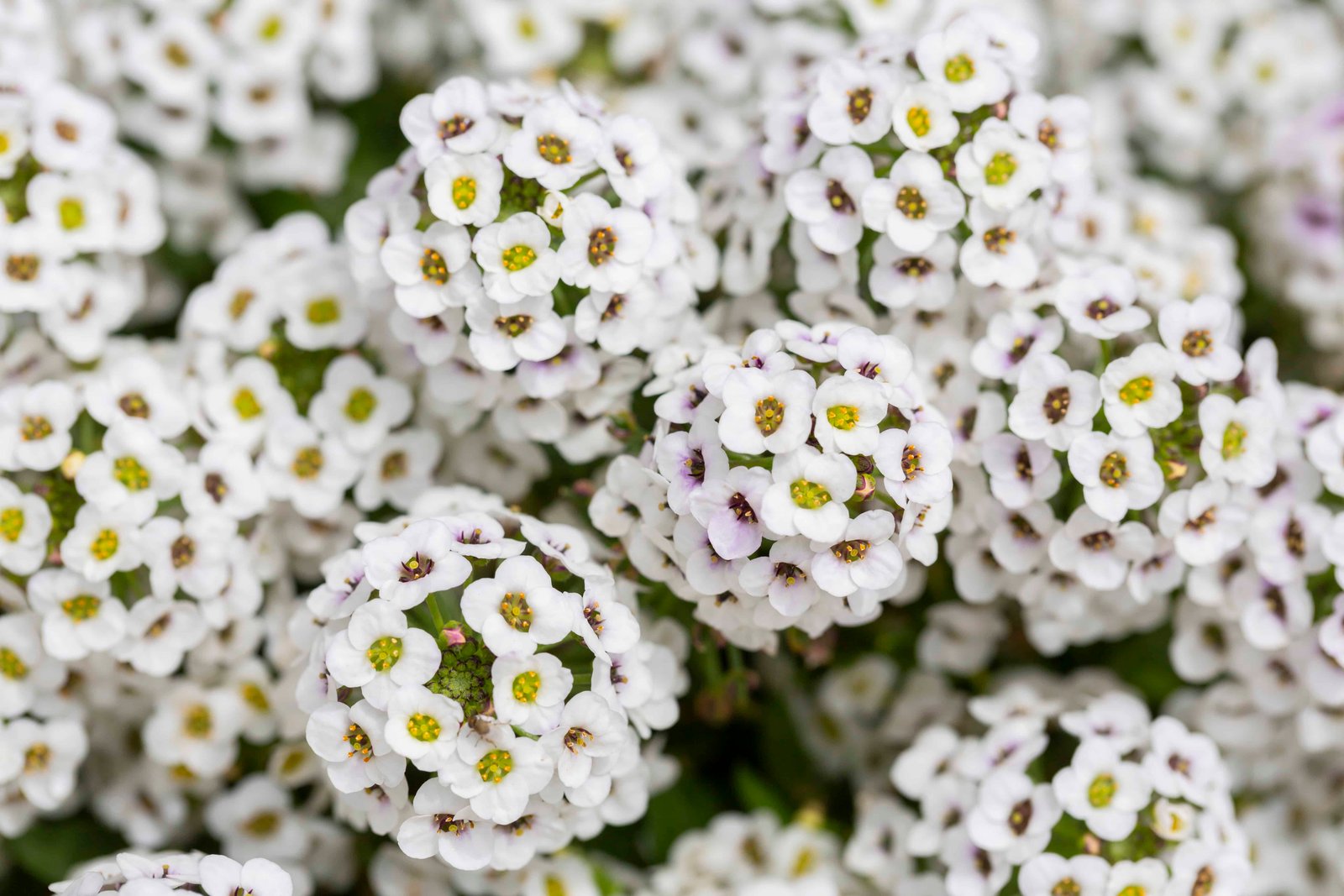
- Sweet alyssum.
- Coreopsis.
- Goldenrod species appropriate to your region.
- Asters.
- Calendula.
- Cilantro allowed to flower.
Check local invasive-species lists before planting anything that spreads aggressively.
Plan Flowers Across the Whole Growing Season
A single week of flowers does not create continuous habitat. Beneficial insects need food before and after your main vegetable crop blooms.
Build a bloom sequence
| Season | Goal | Example Approach |
|---|---|---|
| Early spring | Food for early emerging insects | Early native perennials and flowering herbs |
| Late spring | Bridge into vegetable season | Alyssum, herbs, early perennials |
| Summer | Continuous nectar and pollen | Mixed annuals and perennials |
| Autumn | Late-season support | Asters, goldenrods, regionally suitable late flowers |
Your exact plants should match climate, soil, and local ecology.
Use Native Plants as Part of the Mix
Native plants often support local insects because those species evolved together. Some insects can feed only on specific plant families.
However, a beneficial-insect garden does not have to contain only native plants. Culinary herbs, vegetables allowed to flower, and non-invasive ornamentals can also provide nectar and pollen.
A practical design combines regionally appropriate native plants with useful garden crops and herbs.
Let Some Herbs Flower
Gardeners often harvest or cut herbs before flowering, but small herb flowers can be excellent insect food.
Allow a few plants of:
- Dill.
- Cilantro.
- Parsley.
- Basil.
- Thyme.
- Oregano.
to flower after you have harvested what you need.
Do not let invasive or unwanted herbs seed throughout the garden. Cut flower heads before mature seed if self-sowing becomes a problem.
Create Insectary Strips Near Vegetables
An insectary strip is a small planted area designed to provide food and shelter for beneficial insects. It can run along a vegetable bed, fence, or path.
You do not need a large wildflower meadow. Even a one-meter-wide border can be useful if it contains several flower forms and bloom periods.
A simple strip might include:
- A low flowering edge such as alyssum.
- Flowering herbs in the middle.
- Native perennials for longer-term structure.
- Some grasses or ground-level cover for shelter.
Keep aggressive plants away from vegetable rows where they could become weeds.
Provide Shelter at Ground Level
Not all beneficial insects live on flowers. Ground beetles and other predators need protected soil-level habitat.
Useful features include:
- Organic mulch.
- Small stones with gaps.
- Low groundcovers.
- Leaf litter in managed corners.
- Logs or branches where pest and fire concerns allow.
Do not make the entire garden untidy. Concentrate habitat in selected areas while keeping paths and crop rows accessible.
Leave Some Hollow and Pithy Stems Through Winter
Some solitary bees and beneficial insects nest or overwinter in plant stems. Cutting every perennial to ground level in autumn can remove that habitat.
Where appropriate, leave healthy stems standing through winter and cut them later in spring.
If a plant had a serious disease that persists in stems, follow disease-management guidance instead.
Keep Some Bare Ground for Ground-Nesting Bees
Many native bee species nest in the ground. Thick mulch over every square centimeter can reduce nesting opportunities.
In a sunny, well-drained, low-traffic area, leave a small patch of bare soil if it does not create erosion or weed problems.
Avoid pesticide application to known nesting areas.
Offer Safe Water
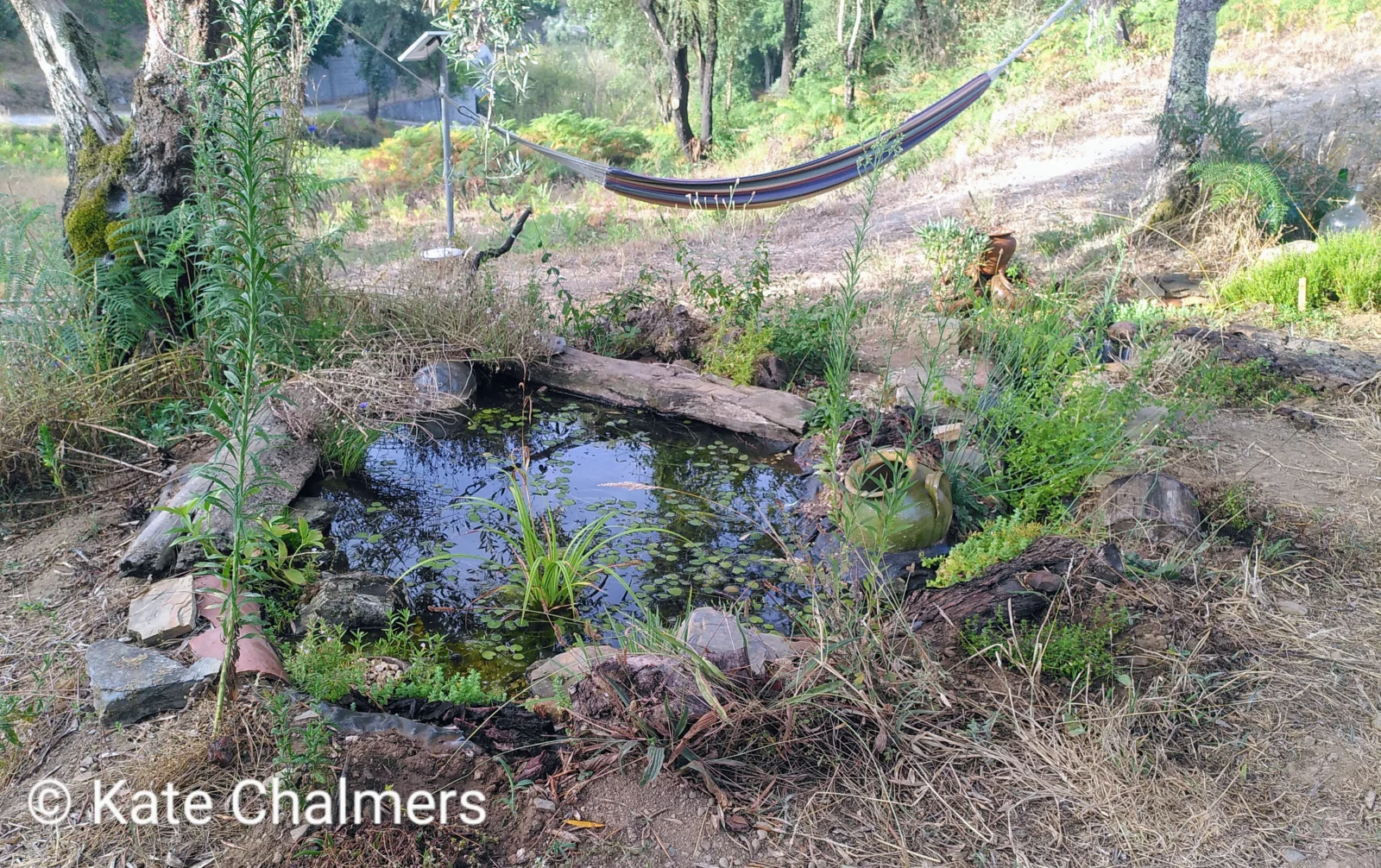
Insects need water, but deep open containers can become mosquito habitat or drowning hazards.
Simple water options
- A shallow dish with stones rising above the water.
- A birdbath with textured edges.
- A small wildlife pond with shallow access.
- Damp soil near a drip source.
Refresh shallow dishes frequently so mosquitoes do not develop.
Avoid Broad-Spectrum Pesticides When Possible
A broad-spectrum insecticide can kill predators and pollinators along with the target pest. If natural enemies disappear, pest populations may rebound quickly.
Integrated pest management, or IPM, uses monitoring and targeted action instead of automatic spraying. The EPA’s Integrated Pest Management principles emphasize prevention, monitoring, and choosing lower-risk control methods when action is needed.
Use a Pest-Control Ladder
Instead of jumping straight to a spray, move through increasingly strong responses.
Level 1: Confirm the pest
Identify the insect and make sure it is actually causing meaningful damage.
Level 2: Decide whether damage is acceptable
A few holes in kale leaves may not justify treatment. Plants can tolerate some feeding.
Level 3: Use physical control
Hand-pick caterpillars, prune a heavily infested shoot, or use row cover before pests arrive.
Level 4: Use targeted biological or low-impact control
If damage is increasing, choose a method specific to the pest and safe for beneficial species when used correctly.
Level 5: Use stronger controls only when justified
Follow the product label and apply at the right timing to minimize harm.
Never Spray Flowers When Pollinators Are Active Unless the Label Allows It
Many pesticide labels contain specific pollinator restrictions. Read them.
If a product is toxic to bees, avoid treating blooming plants and follow all timing requirements. Do not assume a product is safe because it is marketed as “natural” or “organic.” Some natural pesticides can still harm beneficial insects.
Use Row Covers Strategically
Fine insect netting can prevent pest problems without pesticides. It is especially useful against cabbage moths, flea beetles, carrot flies, and other pests where locally appropriate.
Install covers before pests lay eggs. Seal edges and support the fabric so it does not crush seedlings.
Remove or open covers when insect-pollinated crops begin flowering unless you provide another pollination method.
Accept Some Prey Insects
This may feel counterintuitive, but predators cannot live in a garden with no prey.
A small aphid colony on a non-critical plant can feed lady beetles, lacewing larvae, and hoverflies. If you eliminate every aphid immediately, predators may leave.
The goal is balance, not zero pests.
Plant Trap Crops With Caution
Trap crops are planted to attract pests away from a main crop. They can work in specific systems, but they are not magic.
A trap crop becomes a pest nursery if you never monitor or remove pests from it.
If you try one:
- Choose a known pest-crop combination.
- Place the trap crop intentionally.
- Inspect it often.
- Remove or treat pest buildup before insects move to the main crop.
Reduce Night Lighting
Bright outdoor lighting can disrupt nocturnal insects and draw moths away from normal behavior.
Use lighting only where needed for safety. Choose shielded fixtures, lower intensity, and timers or motion sensors.
Do Not Buy Beneficial Insects Without a Plan
Lady beetles, lacewings, predatory mites, and parasitoid wasps are sold commercially. They are valuable in greenhouses and controlled crop systems, but outdoor releases do not always stay where you put them.
Before buying:
- Identify the pest.
- Choose a predator known to attack that pest.
- Make sure temperature and humidity are suitable.
- Avoid pesticide residues that will kill the release.
- Follow supplier instructions.
For ordinary home gardens, habitat improvement is often a better long-term investment than repeated releases.
Monitor Plants Instead of Waiting for Severe Damage
Natural pest balance works best when you notice problems early.
Weekly scouting routine
- Look at new growth.
- Check leaf undersides.
- Inspect flowers and buds.
- Look for eggs, webbing, honeydew, or frass.
- Notice beneficial insects nearby.
- Record which plants have repeated problems.
Five minutes of scouting can prevent a minor pest colony from becoming a garden-wide outbreak.
Improve Plant Health to Reduce Pest Pressure
Beneficial insects are only one part of pest prevention. Stressed plants are often more vulnerable.
Support healthy growth through:
- Correct sunlight.
- Appropriate watering.
- Good drainage.
- Reasonable spacing.
- Balanced nutrition.
- Crop rotation where useful.
- Removing badly diseased plants.
Do not overfertilize with nitrogen. Very soft, lush growth can attract aphids and other sap-feeding pests.
Real-World Example: Aphids on a Pepper Bed
A gardener finds aphids on several pepper plants. In previous years, they sprayed immediately. This time they inspect first.
The infestation is light and mostly on two shoots. Hoverfly adults are visiting nearby alyssum, and several lady beetle larvae are already present.
The gardener pinches off the two most heavily infested tips and washes some aphids away with water. No insecticide is applied.
Over the next week, the aphid population stays stable and then declines. The peppers continue growing.
This does not mean every aphid outbreak will solve itself. It shows why monitoring and predator identification can prevent unnecessary treatment.
Design a Beneficial-Insect Bed
A small sunny border beside vegetables can provide season-long resources.
Example structure
- Front edge: low alyssum or another suitable compact flower.
- Middle: flowering dill, cilantro, calendula, and regionally suitable annuals.
- Back: native perennial flowers and grasses.
- Ground layer: partial mulch with selected bare-soil patches.
- Water: shallow stone-filled dish refreshed regularly.
Adjust plants for your region. Avoid species listed as invasive locally.
Beneficial-Insect Checklist
- Identify insects before controlling them.
- Grow simple flower forms.
- Plan blooms from spring through autumn.
- Include native plants.
- Let some herbs flower.
- Create shelter at ground level.
- Leave selected stems over winter.
- Provide safe water.
- Reduce broad-spectrum pesticide use.
- Use row covers where appropriate.
- Accept minor pest populations.
- Scout plants every week.
- Use outdoor lighting only when needed.
Frequently Asked Questions
How quickly will beneficial insects appear?
Some may arrive within days of flowering, while others depend on surrounding habitat and season. Building a diverse garden improves the chance of long-term populations.
Do lady beetles eat all garden pests?
No. Many eat aphids and other soft-bodied insects, but different predators specialize in different prey.
Should I buy lady beetles?
Outdoor releases may fly away quickly. Habitat and natural recruitment are often more reliable for home gardens.
Are wasps beneficial?
Many tiny parasitoid wasps are highly beneficial and rarely noticed by people. Larger social wasps can also hunt caterpillars but require caution around nests.
Do beneficial insects eliminate pesticides completely?
Not always. Severe pest problems may still require treatment. The goal is to reduce unnecessary applications and use targeted methods when control is justified.
Can I attract beneficial insects on a balcony?
Yes. Several containers with flowering herbs and compact nectar plants can support hoverflies, bees, and other insects, especially if pesticide use is limited.
Conclusion: Build a Garden Where Predators Can Stay
Beneficial insects are not a product you add once. They are part of a living garden. To support them, provide flowers through the season, safe water, shelter, overwintering habitat, and a lower-pesticide environment.
At the same time, keep monitoring your crops. Identify pests correctly, accept minor damage, and use physical or targeted controls before stronger treatments.
The result is not a pest-free garden. It is a garden where pest populations are more likely to be checked by predators and where you make control decisions based on actual damage rather than fear of every insect.
That balance is both practical and sustainable: healthier habitat, fewer unnecessary sprays, and a garden that works with natural relationships instead of trying to remove them all.