
Discover 12 proven aloe vera benefits for skin — from healing sunburn and fighting acne to anti-ageing and deep hydration. Science-backed, dermatologist-approved, and how to use it at home.
For thousands of years, people have been breaking open aloe vera leaves and applying the cool, clear gel to their skin.
Ancient Egyptians called it the “plant of immortality.” Cleopatra reportedly used it as part of her daily skincare routine. Traditional healers across Africa, Asia, and the Americas have relied on it for burns, wounds, and skin conditions for millennia.
And modern science agrees with them. Research published in Frontiers in Nutrition in 2025 confirms that aloe vera’s bioactive compounds — particularly acemannan and glucomannan — provide measurable benefits for skin health, wound healing, and tissue protection. A clear inner gel that houses more than 75 different active compounds including vitamins, minerals, enzymes, salicylic acids, and amino acids makes aloe vera one of the most complex and scientifically validated natural skincare ingredients available.
The aloe vera benefits for skin are not folk medicine. They are backed by clinical trials, peer-reviewed research, and increasingly, by dermatologists who recommend it to their patients.
This guide covers 12 proven aloe vera benefits for skin — what the science actually says, how each benefit works, and exactly how to use aloe vera at home for maximum effect.
Table of Contents
- What makes aloe vera so powerful for skin?
- Soothes and heals sunburn
- Deep hydration and moisturisation
- Fights acne and prevents breakouts
- Reduces inflammation and redness
- Anti-ageing and wrinkle reduction
- Fades dark spots and hyperpigmentation
- Heals minor burns and wounds
- Soothes eczema and psoriasis
- Natural exfoliation
- Reduces stretch marks
- Soothes razor burn and shaving irritation
- After-sun and skin repair
- How to use aloe vera for skin at home
- Fresh gel vs shop-bought — which is better?
- Safety, side effects, and who should be careful
1. What Makes Aloe Vera So Powerful for Skin? {#what-makes}
Before diving into the specific aloe vera benefits for skin, it helps to understand why this plant is so uniquely effective — because it’s not just one compound doing the work. It’s an extraordinary combination of active ingredients working together.
The clear inner gel of the aloe plant houses more than 75 (and perhaps up to 200) different active compounds, including vitamins, minerals, sugars, enzymes, salicylic acids, and amino acids.
Here are the key active components responsible for aloe vera benefits for skin:
Acemannan — a complex polysaccharide that stimulates skin cell production, accelerates wound healing, and has proven anti-inflammatory and antimicrobial properties. A 2025 review in Frontiers in Nutrition reported that aloe vera’s bioactive compounds — particularly acemannan and glucomannan — may improve gut mucosal integrity and similar mechanisms support skin barrier function.
Vitamins C and E — powerful antioxidants that protect skin from free radical damage, stimulate collagen production, and help prevent premature ageing. Both are well-established skincare actives independently — aloe vera delivers them together in a bioavailable form.
Vitamins B12 and folic acid — support healthy cell growth and skin renewal.
Enzymes (bradykinase) — reduce excessive inflammation when applied topically, directly responsible for aloe vera’s soothing effect on sunburned and irritated skin.
Salicylic acid — a natural exfoliant and antibacterial compound, the same active ingredient found in many acne treatment products.
Zinc — an astringent mineral with wound-healing and antibacterial properties.
Polyphenols and antioxidants — protect skin cells from oxidative damage and UV-related degradation.
This combination of compounds — hydrating, anti-inflammatory, antibacterial, antioxidant, and cell-regenerating — is what makes aloe vera benefits for skin so broad and so well-documented.
2. Soothes and Heals Sunburn {#sunburn}
Evidence level: ⭐⭐⭐⭐⭐ Strongest evidence — most well-documented aloe vera skin benefit
The most famous of all aloe vera benefits for skin is sunburn relief — and this is the benefit with the strongest scientific backing.
Topping the list of aloe vera’s well-known uses is soothing sunburned skin. Because of its naturally moisturizing properties and anti-inflammatory compounds, aloe vera provides rapid cooling relief and accelerates healing of UV-damaged skin.
The mechanism is well understood: sunburn involves UV-induced inflammation and oxidative damage to skin cells. Aloe vera’s bradykinase enzymes reduce the inflammatory response, its antioxidants neutralise free radical damage, its polysaccharides form a protective, moisture-retaining film over the skin, and its high water content provides immediate cooling and hydration.
Research published in ScienceDirect found that aloin — the main anthraquinone in aloe vera — can reduce photodamage caused by both UVA and UVB radiation, suggesting aloe vera benefits for skin go beyond simple cooling to actual cellular protection from UV damage.
How to use it for sunburn
Apply fresh aloe vera gel generously to sunburned skin as soon as possible after sun exposure. Reapply every 2–3 hours. Keep the gel in the fridge for additional cooling effect — cold aloe vera gel on sunburned skin is genuinely one of the most immediately soothing remedies available.
Do not use aloe vera as a substitute for sunscreen — it does not provide meaningful UV protection before sun exposure.
3. Deep Hydration and Moisturisation {#hydration}
Evidence level: ⭐⭐⭐⭐⭐ Excellent — clinically proven
One of the most proven aloe vera benefits for skin is deep hydration without clogging pores or leaving a greasy residue — making it suitable for virtually every skin type including oily and acne-prone skin.
Aloe vera gel is rich in water content, making it an excellent natural moisturiser for the skin. Its lightweight texture allows for quick absorption, leaving the skin feeling soft and hydrated without any greasy residue.
The hydration mechanism involves aloe vera’s mucopolysaccharides — long chain sugars that bind moisture to the skin and prevent transepidermal water loss (TEWL). This is the same mechanism used by many expensive hyaluronic acid-based skincare products — aloe vera provides it naturally and at a fraction of the cost.
A 2024 double-blind clinical trial found improvements in skin barrier function with regular aloe vera application, supporting its role as a skin hydration treatment beyond simple surface moisturisation.
Who benefits most
- Oily and combination skin — aloe vera hydrates without adding oil, making it ideal for people who find conventional moisturisers too heavy
- Dehydrated skin of any type — the lightweight gel penetrates quickly and effectively
- Sensitive skin — the anti-inflammatory compounds soothe while hydrating simultaneously
How to use it for hydration
Apply a thin layer of fresh or stabilised aloe vera gel to clean skin as a lightweight moisturiser. Allow to absorb for 2–3 minutes before applying any other products. For dry skin, layer a richer moisturiser on top to seal in the hydration.
4. Fights Acne and Prevents Breakouts {#acne}
Evidence level: ⭐⭐⭐⭐ Strong clinical evidence
Among aloe vera benefits for skin, the anti-acne properties are among the most scientifically supported — backed by multiple clinical trials and increasingly recommended by dermatologists.
Aloe’s acne-busting powers are backed by science: one study found that the topical use of aloe vera in combination with tretinoin cream was found to be effective in treating inflammatory and non-inflammatory acne. In addition to its antimicrobial and anti-inflammatory properties, aloe vera is also a natural source of salicylic acids, which can also help with breakouts such as blackheads and whiteheads.
Aloe vera attacks acne through four simultaneous mechanisms:
Antibacterial — compounds in aloe vera inhibit the growth of Cutibacterium acnes (formerly Propionibacterium acnes), the bacteria primarily responsible for inflammatory acne.
Anti-inflammatory — reduces the redness, swelling, and pain of active spots.
Salicylic acid — gently exfoliates inside pores, preventing the blockages that lead to blackheads and whiteheads.
Sebum regulation — aloe vera’s astringent zinc content helps regulate excess sebum production, reducing one of the primary causes of acne.
How to use it for acne
Apply a thin layer of pure aloe vera gel as a spot treatment directly to blemishes. Leave overnight for best results. For general acne-prone skin, use as a lightweight daily moisturiser — its non-comedogenic nature means it won’t block pores while its antibacterial properties work preventively.
5. Reduces Inflammation and Redness {#inflammation}
Evidence level: ⭐⭐⭐⭐⭐ Excellent — well-established mechanism
Reducing inflammation is one of the most fundamental aloe vera benefits for skin — and it underlies many of the other benefits on this list.
The primary anti-inflammatory compounds in aloe vera gel are bradykinase (an enzyme that breaks down inflammation-causing kinins in the skin), C-glucosyl chromone (a novel anti-inflammatory compound unique to aloe), and sterols (plant-based anti-inflammatory compounds similar in action to corticosteroids but without their side effects).
These compounds work together to reduce redness, calm reactive skin, and lower the inflammatory response that underlies conditions from acne to rosacea to eczema. Research consistently confirms this as one of the most reliable aloe vera benefits for skin inflammation management.
Conditions that benefit from aloe vera’s anti-inflammatory properties
- Rosacea — reduces the chronic redness and flushing
- Contact dermatitis — soothes skin reacting to an allergen or irritant
- Sunburn — reduces the inflammatory cascade triggered by UV exposure
- Insect bites — immediately reduces the inflammatory response at the bite site
- Post-procedure skin — commonly used after laser treatments and chemical peels
6. Anti-Ageing and Wrinkle Reduction {#anti-ageing}
Evidence level: ⭐⭐⭐⭐ Strong — multiple clinical studies
The anti-ageing aloe vera benefits for skin are well-documented and increasingly validated and represent one of the most exciting areas of current research.
Aloe vera contains antioxidants such as vitamins C and E, which help protect the skin from damage caused by free radicals. Regular use of aloe vera can help prevent premature ageing signs such as wrinkles and fine lines, keeping the skin youthful and radiant.
The anti-ageing mechanism works through several pathways simultaneously:
Collagen stimulation — aloe vera has been shown in clinical studies to stimulate fibroblasts (the skin cells responsible for producing collagen and elastin) to increase their production. A clinical study published in the Annals of Dermatology found that oral aloe vera gel supplementation significantly increased collagen production and improved skin elasticity in women over 45.
Antioxidant protection — vitamins C and E neutralise the free radicals generated by UV exposure, pollution, and metabolic processes that degrade collagen and damage skin cells.
Moisture retention — hydrated skin appears plumper and more youthful. Chronically dehydrated skin emphasises the appearance of fine lines.
Aloin’s UV protection — aloin, the main anthraquinone in aloe vera, can reduce the photodamage caused by UVA and UVB radiation — reducing one of the primary drivers of premature skin ageing.
How to use it for anti-ageing
Apply fresh aloe vera gel to clean skin morning and evening as part of your regular skincare routine. For maximum anti-ageing benefit, layer vitamin C serum underneath — the combination of aloe vera’s skin-penetration enhancement with vitamin C’s collagen-stimulating properties is particularly effective.
7. Fades Dark Spots and Hyperpigmentation {#dark-spots}
Evidence level: ⭐⭐⭐ Good — promising research
Among aloe vera benefits for skin, reducing hyperpigmentation is increasingly recognised and fade dark spots is one of the most sought-after — and one where the science continues to develop.
Aloe vera slows melanin production, reducing pigmentation with regular use.
The active compound responsible is aloesin — a naturally occurring compound in aloe vera that inhibits tyrosinase, the enzyme responsible for melanin production. By slowing melanin synthesis, regular aloe vera application gradually reduces the appearance of:
- Post-acne dark marks (post-inflammatory hyperpigmentation)
- Sun spots and age spots
- Melasma
- Uneven skin tone
Research shows that aloesin is effective at inhibiting UV-induced and post-inflammatory melanin production — making it most effective when used consistently over 4–8 weeks rather than as an occasional treatment.
How to use it for dark spots
Apply fresh aloe vera gel directly to areas of hyperpigmentation twice daily. Consistency is essential — aloe vera’s depigmenting effect builds gradually over weeks rather than providing immediate results. Combine with sun protection to prevent new pigmentation forming while treating existing spots.
8. Heals Minor Burns and Wounds {#burns}
Evidence level: ⭐⭐⭐⭐⭐ Excellent — strong clinical evidence
Wound healing is one of the best-known aloe vera benefits for skin — aloe vera benefits for skin injuries have been documented in multiple clinical trials across a range of wound types.
A systematic review of clinical studies found that aloe vera-treated wounds healed significantly faster than those treated with petroleum jelly gauze. The mechanism involves:
- Accelerating the proliferation of fibroblasts (cells that build new skin tissue)
- Stimulating collagen synthesis at the wound site
- Providing antimicrobial protection against wound infection
- Maintaining a moist wound environment that promotes faster healing
- Reducing inflammation that would otherwise slow the healing process
The evidence for aloe vera helping heal other types of wounds is inconclusive, but the research is promising.
How to use it for burns and wounds
Apply fresh aloe vera gel to clean minor burns (first degree only — never apply to open wounds or blisters) immediately after cooling the burn under cold running water. Reapply 3–4 times daily. Keep the area covered with a clean dressing.
Do not use aloe vera on deep burns, open wounds, or any injury requiring medical attention.
9. Soothes Eczema and Psoriasis {#eczema}
Evidence level: ⭐⭐⭐⭐ Strong — clinically supported
Skin conditions like eczema and psoriasis signal general inflammation and a compromised skin barrier — both of which can be helped by aloe vera. Skin with a broken barrier is also more prone to fungal and bacterial infections, and aloe vera can be considered an antiseptic acting against fungi, bacteria, and viruses. According to the Mayo Clinic, using aloe vera cream on psoriasis may also help reduce the scaling, redness, and irritation caused by the disorder.
The aloe vera benefits for skin conditions like eczema and psoriasis work through multiple mechanisms:
Skin barrier repair — aloe vera’s polysaccharides help restore the damaged skin barrier that characterises both conditions, reducing moisture loss and sensitivity.
Anti-inflammatory relief — reduces the chronic inflammation that drives both conditions, providing relief from itching and redness.
Antimicrobial protection — the compromised skin barrier in eczema makes affected skin more vulnerable to secondary infection — aloe vera’s antimicrobial properties provide natural protection.
Gentle hydration — both conditions benefit from consistent, gentle hydration without harsh chemical additives.
How to use it for eczema and psoriasis
Apply pure, fragrance-free aloe vera gel to affected areas 2–3 times daily. Look for products with high aloe vera content and minimal additives. Always patch test first — while aloe vera is generally well-tolerated, some people with very sensitive skin may react to other compounds in the gel.
10. Natural Exfoliation {#exfoliation}
Evidence level: ⭐⭐⭐⭐ Good — well-understood mechanism
Aloe vera contains enzymes that gently exfoliate the skin, removing dead cells and impurities to reveal a brighter complexion.
The exfoliating aloe vera benefits for skin come from two sources:
Proteolytic enzymes — naturally present in aloe vera gel, these enzymes break down the keratin protein that holds dead skin cells to the surface, gently loosening and removing them without the abrasion of physical scrubs.
Salicylic acid — aloe vera’s natural salicylic acid content provides gentle chemical exfoliation inside pores, making it effective for preventing blackheads and congestion as well as surface dead cell accumulation.
This gentle dual-exfoliation makes these aloe vera benefits for skin particularly valuable for sensitive skin types that cannot tolerate harsher exfoliating products — the action is gradual and gentle rather than aggressive.
How to use it for exfoliation
Apply fresh aloe vera gel to clean skin and leave for 10–15 minutes before rinsing. Use 2–3 times per week rather than daily — even gentle exfoliation can cause sensitivity if overdone.
11. Reduces Stretch Marks {#stretch-marks}
Evidence level: ⭐⭐⭐ Moderate — promising but limited research
Aloe vera promotes the regeneration of skin tissue, making it effective in reducing the appearance of scars and stretch marks. Its ability to increase collagen production helps improve skin elasticity and texture, leading to smoother and more even-toned skin over time.
The aloe vera benefits for skin stretch marks work through collagen stimulation and skin elasticity improvement rather than direct removal of existing marks. Regular application to stretch-prone areas — during and after pregnancy, during periods of rapid growth or weight change — may help reduce the severity of stretch marks by maintaining skin elasticity.
For existing stretch marks, results require consistent application over several months and are more pronounced on newer, reddish marks than on older, silver-white ones.
How to use it for stretch marks
Massage fresh aloe vera gel into stretch-prone or affected areas twice daily. For maximum benefit, use in combination with a vitamin E oil — applying aloe vera first and then massaging in vitamin E oil while the skin is still slightly damp.
12. Soothes Razor Burn and Shaving Irritation {#razor-burn}
Evidence level: ⭐⭐⭐⭐ Good — well-supported by anti-inflammatory evidence
Razor burn — the redness, inflammation, and irritation that follows close shaving — responds extremely well to aloe vera application. This is one of the most practically useful immediate aloe vera benefits for skin in everyday life.
The mechanism is the same as for other inflammatory skin conditions: aloe vera’s bradykinase enzymes reduce the acute inflammatory response at the skin surface, while its antimicrobial compounds protect the micro-abrasions created by shaving from bacterial infection, and its moisturising polysaccharides restore hydration to the stripped skin barrier.
Many commercial after-shave balms use aloe vera as a primary active ingredient for exactly this reason — the fresh gel works just as effectively and far more economically.
How to use it for razor burn
Apply fresh or pure aloe vera gel to freshly shaved skin immediately after rinsing. Allow to absorb fully. Reapply if irritation persists. For face shaving, use as an after-shave balm instead of alcohol-based products that strip and irritate.
13. After-Sun and Skin Repair {#after-sun}
Evidence level: ⭐⭐⭐⭐⭐ Excellent
Beyond sunburn, the broader after-sun aloe vera benefits for skin involve repairing the cumulative damage that UV exposure causes — even on days when you don’t burn.
UV radiation creates oxidative stress in skin cells daily — even on cloudy days, UVA radiation penetrates and degrades collagen, damages DNA in skin cells, and triggers low-level inflammation that accumulates over time into visible ageing.
Applying aloe vera gel to skin after any significant sun exposure — not just after sunburn — helps neutralise this oxidative stress, reduce the inflammatory response, and support the skin’s natural repair processes overnight.
This is why aloe vera is increasingly included in after-sun formulations beyond simple burn treatments — it supports daily skin repair from UV damage, not just emergency sunburn care.
14. How to Use Aloe Vera for Skin at Home {#how-to-use}
From a home-grown plant
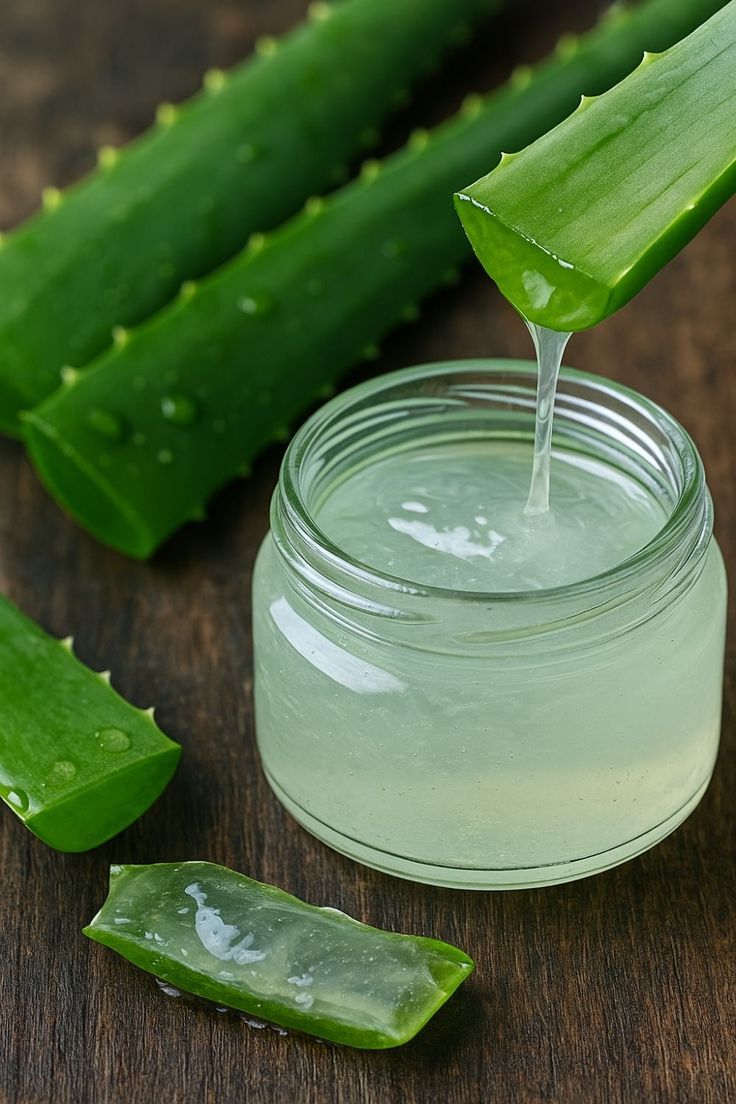
Growing your own aloe vera gives you the freshest, most active gel possible — with no preservatives, stabilisers, or fillers. Here’s how to harvest correctly:
- Select a mature outer leaf at least 7–10cm long
- Cut cleanly at the base with clean scissors or a sharp knife
- Stand the cut leaf upright for 10–15 minutes to drain the yellow latex (which should not be applied to skin in large quantities)
- Lay flat, cut off the serrated edges, and slice lengthways
- Scoop out the clear gel with a spoon
- Use immediately or refrigerate in an airtight container for up to one week
Fresh gel can be applied directly to skin. Store unused gel in the fridge — cool gel is particularly soothing for sunburn and inflammation.
Simple home use routines
Daily moisturiser: Apply a thin layer to clean skin morning and/or evening. Allow to absorb before applying other products.
Spot treatment: Dab pure gel directly onto blemishes before bed. Leave overnight.
Face mask: Apply a generous layer to clean skin. Leave for 15–20 minutes. Rinse with cool water. Use 2–3 times weekly.
After-sun treatment: Apply generously to sun-exposed skin after coming indoors. Allow to absorb fully. Reapply as needed.
Scalp treatment: Massage gel into the scalp 30 minutes before washing hair. Rinse thoroughly with shampoo.
15. Fresh Gel vs Shop-Bought — Which Is Better? {#fresh-vs-bought}
This is one of the most common questions about aloe vera benefits for skin — and the honest answer involves some nuance.
Fresh gel from a home-grown plant
Advantages: Maximum potency of active compounds, no preservatives or stabilisers, completely free if you grow your own, zero packaging waste.
Disadvantages: Short shelf life (1 week refrigerated), can cause allergic reactions in some people due to unprocessed compounds including aloin, variable concentration depending on plant age and health.
Commercial aloe vera gel
Advantages: Standardised concentration, longer shelf life, often combined with complementary ingredients, convenient.
Disadvantages: Many products contain very little actual aloe vera despite prominent labelling. The aloe vera content is often diluted with water, preserved with alcohol, and supplemented with synthetic ingredients.
How to choose a good commercial product
For safe use, always choose decolorized, inner-leaf aloe products verified by reputable manufacturers.
Look for:
- “Inner leaf” or “inner leaf gel” on the label — not whole leaf extract
- Aloe vera as the first or second ingredient — if water is listed first and aloe vera is fifth, the product is mostly water
- IASC certification (International Aloe Science Council) — a quality standard for aloe vera products
- Minimal additional ingredients — the fewer additives, the purer the product
- No alcohol high on the ingredients list — alcohol strips skin
16. Safety, Side Effects, and Who Should Be Careful {#safety}
Aloe vera benefits for skin are well-established — but like any active ingredient, it requires some caution.
Patch test first
Always patch test before applying aloe vera to large areas of skin — particularly if you have sensitive skin or known plant allergies. Apply a small amount to the inner wrist or behind the ear. Wait 24 hours. If no redness, itching, or swelling occurs, it is safe to use more widely.
The latex warning
The yellow latex layer just beneath the outer skin of the aloe vera leaf is different from the inner clear gel. The latex contains aloin — a compound with strong laxative properties that can also cause skin irritation in some people. Always drain this off (by standing the cut leaf upright for 10–15 minutes) before harvesting the gel.
Who should be especially careful
- People with latex allergies — there may be cross-reactivity with aloe vera
- Those taking certain medications — aloe vera applied topically rarely causes drug interactions, but oral consumption can interact with diabetes medications and diuretics
- Pregnant women — topical use is generally considered safe; oral consumption of aloe vera is not recommended during pregnancy
- Anyone with open wounds or severe burns — seek medical attention rather than relying on home remedies
What aloe vera cannot do
Be honest about the limits of aloe vera benefits for skin:
- It cannot replace sunscreen
- It cannot treat severe burns or open wounds
- It cannot cure chronic skin conditions — it manages symptoms
- It cannot provide results overnight — consistency over weeks is required for anti-ageing and pigmentation benefits
Final Thoughts
The aloe vera benefits for skin listed in this guide are not marketing hype — they are documented, science-backed, and increasingly recognised by dermatologists worldwide. From the most well-established (sunburn relief, hydration, wound healing) to the emerging (anti-ageing, hyperpigmentation, skin barrier repair), aloe vera is one of the most versatile and effective natural skincare ingredients available.
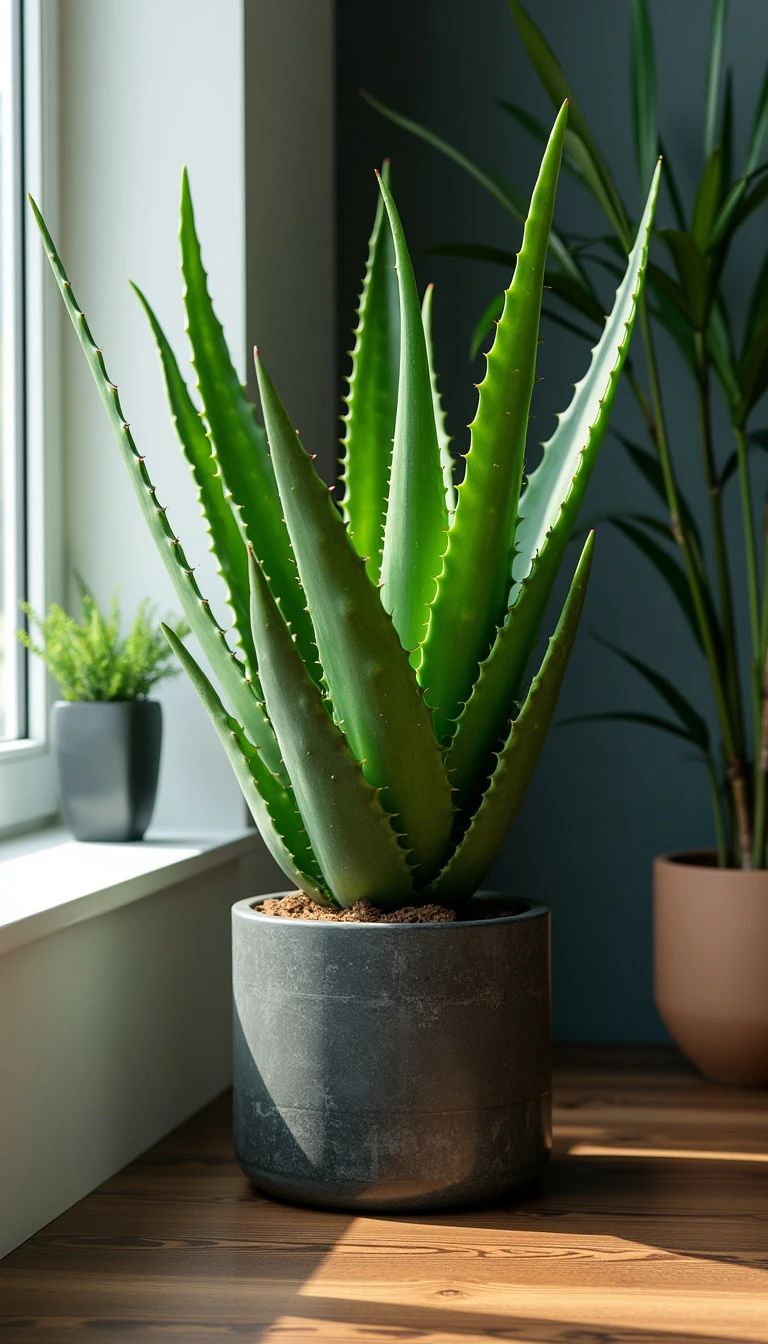
And if you grow your own plant at home — which is easier than most people think — you have a free, fresh, zero-waste supply of one of nature’s most proven skincare ingredients growing on your windowsill.
Apply it consistently. Be patient with longer-term benefits. Patch test before widespread use. And enjoy the extraordinary aloe vera benefits for skin that humans have relied on for thousands of years — now backed by modern science.
Happy growing and glowing, Sajjad
Read these next:
- How to Grow Aloe Vera at Home: The Complete Beginner’s Guide (2026)
- Best Air Purifying Plants for Bedroom: 12 Plants That Clean Your Air While You Sleep
- Best indoor plants for air quality — science-backed guide
- 10 zero-waste swaps you can make at home this week