
Everything about aloe vera gel — how to make it at home, 20 uses for skin, hair and health, how to store it, and which shop-bought products are actually worth buying. Complete 2026 guide.
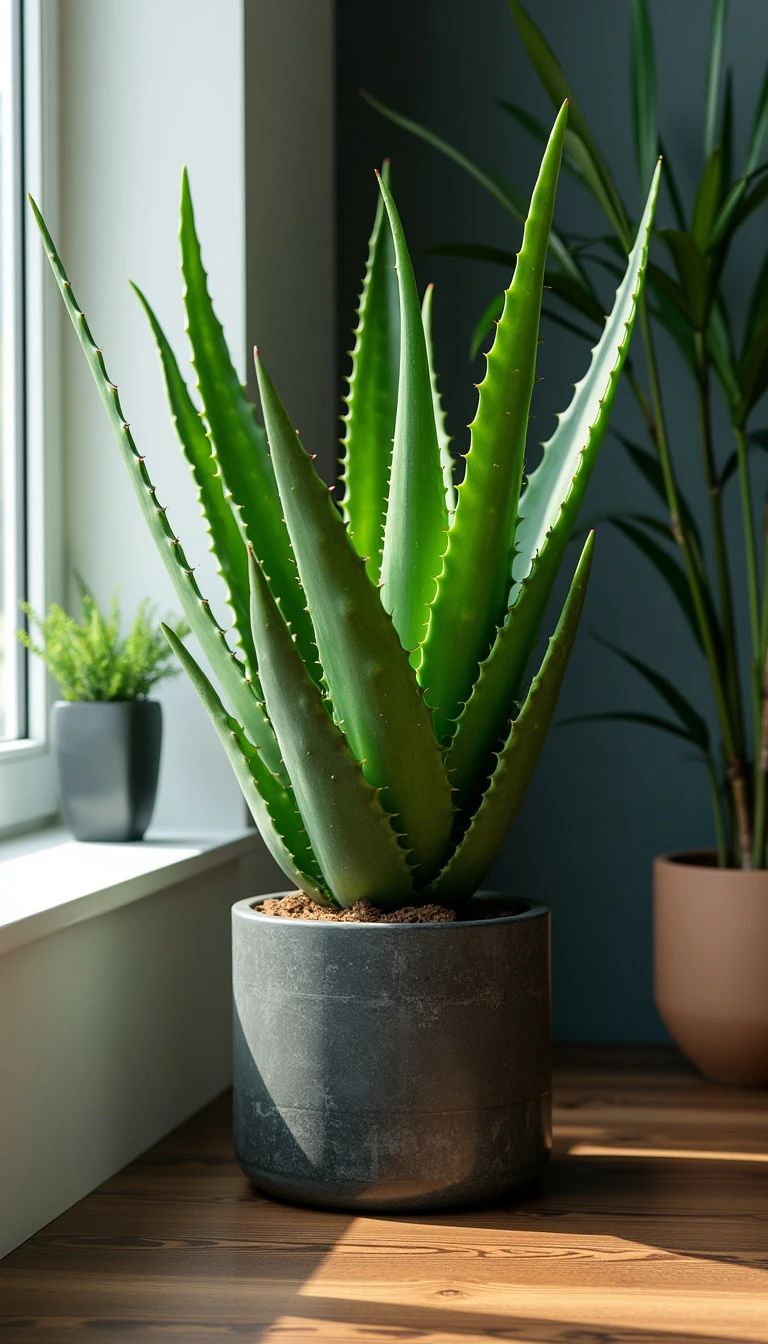
There is a plant sitting on windowsills across the world right now, quietly storing one of nature’s most versatile substances inside its thick, fleshy leaves.
Aloe vera gel — the clear, cool, slightly viscous gel found inside every aloe vera leaf — has been used by humans for over 6,000 years. Ancient Egyptians called it the plant of immortality. Greek physicians prescribed it for wounds and hair loss. Traditional healers across Asia, Africa, and the Americas have relied on it for centuries for burns, skin conditions, and digestive complaints.
And modern science keeps validating them. Aloe vera gel contains over 75 active compounds including vitamins A, C, E, and B12, minerals, enzymes, polysaccharides, salicylic acids, and amino acids — a combination that gives it genuinely extraordinary versatility for skin, hair, and body.
Aloe vera gel for skin provides a nutrient-rich boost that deeply hydrates, calms irritation, and supports anti-ageing by stimulating collagen production.
But aloe vera gel is far more than a sunburn remedy. This complete guide covers everything — what aloe vera gel actually is, how to make it fresh at home from your own plant, 20 proven uses for skin, hair, and body, how to store it correctly, and how to choose a genuinely good commercial product when you need one.
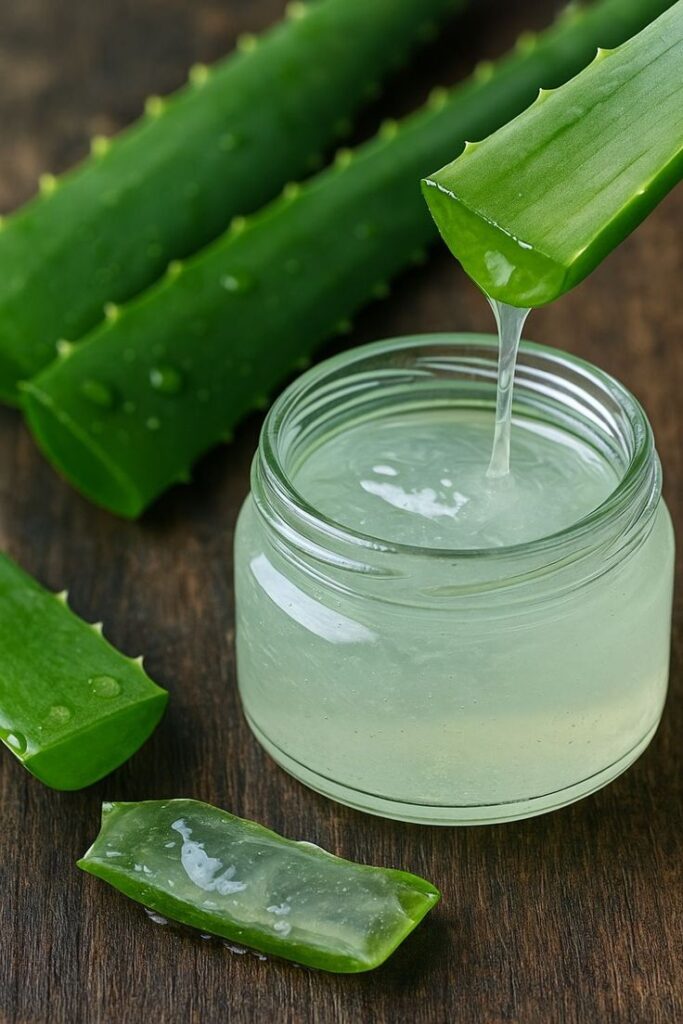
Table of Contents
- What is aloe vera gel?
- What’s actually in aloe vera gel?
- How to make aloe vera gel at home
- How to store aloe vera gel
- Aloe vera gel for face and skin
- Aloe vera gel for hair
- Aloe vera gel for body
- Aloe vera gel in the garden
- DIY aloe vera gel recipes
- Fresh vs commercial aloe vera gel
- How to choose a good commercial aloe vera gel
- Aloe vera gel safety and side effects
- Aloe vera gel FAQs
1. What Is Aloe Vera Gel? {#what-is}
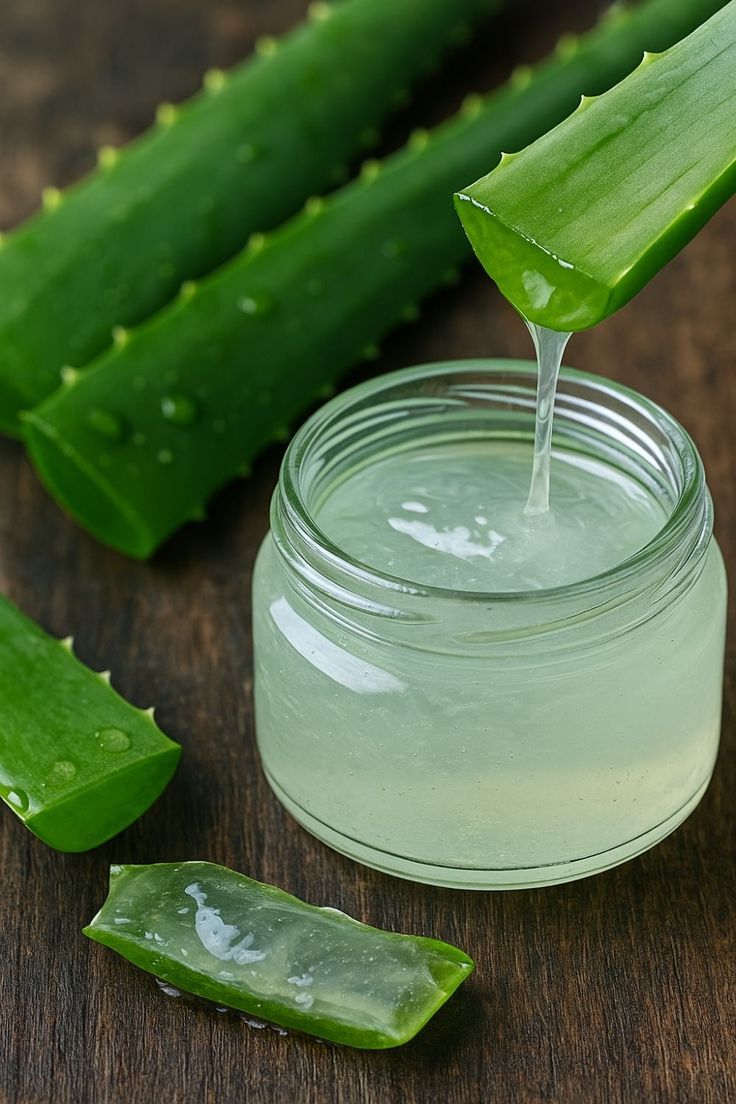
Aloe vera gel is the clear, jelly-like substance found in the inner layer of aloe vera leaves — specifically the parenchyma tissue, the thick, fleshy inner portion of each leaf.
Aloe vera plants make two substances used in healthcare products — clear gel and yellow latex. People mainly put aloe vera’s clear gel on skin to treat burns, the skin condition psoriasis, and even acne.
It is important to understand from the start that aloe vera gel and aloe vera latex are two completely different substances from the same plant:
Aloe vera gel — the clear, transparent inner gel. This is what this guide is about. Safe for topical use, and generally safe in small quantities orally in its purified form.
Aloe vera latex — a yellow, bitter liquid found just beneath the outer skin of the leaf. Contains aloin — a powerful laxative compound. Should be drained away before using the gel. Not safe for regular oral consumption.
When people refer to aloe vera gel in a skincare, haircare, or home remedy context, they always mean the clear inner gel — not the latex.
2. What’s Actually in Aloe Vera Gel? {#whats-in-it}
Understanding the composition of aloe vera gel explains why it has so many proven uses. Aloe vera’s leaves produce a gel that is rich in vitamins A, C, E, and B12. But those vitamins are just the beginning.
Here is what fresh aloe vera gel actually contains:
Vitamins
- Vitamin A (beta-carotene) — supports skin cell renewal and repair
- Vitamin C — stimulates collagen production, powerful antioxidant
- Vitamin E — protects skin cells from oxidative damage, supports wound healing
- Vitamin B12 — rare in plant sources; supports healthy cell growth
- Folic acid — essential for cell division and tissue repair
Minerals
- Calcium, magnesium, zinc, selenium, chromium, manganese, sodium, potassium — zinc in particular provides astringent and antibacterial properties directly relevant to skin health
Enzymes
- Bradykinase — breaks down inflammation-causing compounds when applied topically; directly responsible for aloe vera gel’s soothing effect on irritated skin
- Aliiase, alkaline phosphatase, amylase, lipase — support breakdown of fats and sugars
Sugars and Polysaccharides
- Acemannan — the most important polysaccharide in aloe vera gel; stimulates skin cell regeneration, accelerates wound healing, has proven antiviral and immunostimulating properties
- Glucomannan — supports skin barrier function and moisture retention
- Mucopolysaccharides — bind moisture to the skin, preventing transepidermal water loss
Other Active Compounds
- Salicylic acid — natural exfoliant and antibacterial; same active ingredient as in many acne products
- Anthraquinones — including aloin (concentrated in the latex layer); analgesic and antimicrobial
- Sterols — anti-inflammatory plant steroids
- Amino acids — 20 of the 22 human-required amino acids, including 7 of the 8 essential ones
This extraordinary combination of compounds explains why aloe vera gel has such a broad range of proven and evidence-supported uses.
3. How to Make Aloe Vera Gel at Home {#how-to-make}
Fresh, homemade aloe vera gel is the most potent, most natural, and most economical form of aloe vera gel available. Here is exactly how to make aloe vera gel at home from your own plant.
What you need
- A mature aloe vera plant (at least 2–3 years old — older leaves contain higher concentrations of active compounds)
- A clean, sharp knife
- A cutting board
- A spoon or spatula
- A clean airtight container or ice cube tray
- Optional: blender, vitamin C powder, vitamin E oil (as natural preservatives)
Step-by-step: how to make aloe vera gel
Step 1 — Choose the right leaf Select a mature, outer leaf — thick, plump, and at least 15–20cm long. Outer leaves are older and contain more gel than younger inner leaves. You’ll need a mature plant that’s at least a few years old. This ensures a higher concentration of the active ingredients. You’ll also want to wait a few weeks before cutting leaves from the same plant.
Step 2 — Cut the leaf cleanly Use a sharp, clean knife to cut off a leaf from the plant as near to the root as possible. A clean cut minimises damage to the plant and reduces contamination of the gel.
Step 3 — Drain the latex This is the step most people skip — and it matters. Rinse the leaf and lightly pat dry. Place the cut side down in a bowl and leave it for about 15 minutes to allow the yellow aloe vera latex to drain out, and discard it. The yellow latex contains aloin — a compound that can cause skin irritation in some people and has laxative effects if consumed.
Step 4 — Remove the outer skin Cut the narrow pointed end off from the top of the leaf. Cut the spines off both sides of the plant as close to the edge as possible. Lay the leaf flat and slice it down the center from tip to tip, or for bigger leaves, cut the outer green layer off.
Step 5 — Scoop out the gel Use a spoon to scrape the gel into a container. The clear gel should come away cleanly from the outer skin. Discard the green outer skin.
Step 6 — Optional: blend for smooth consistency If you want smooth aloe vera gel, after separating the aloe from the exterior part of the leaf, you can put the aloe into a blender and then strain the substance to remove the pulp. Blending gives you a smoother, more uniform gel that’s easier to apply.
Step 7 — Add natural preservatives (optional but recommended) Fresh aloe vera gel oxidises and degrades quickly without preservatives. To extend its life:
- Add 500mg crushed vitamin C per cup of gel (acts as a natural preservative and antioxidant)
- Add the contents of 1–2 vitamin E capsules per cup of gel
- Blend thoroughly to combine
Step 8 — Store correctly Transfer to a clean, airtight glass container. Store the container of gel in the refrigerator for up to 2 weeks, or freeze the aloe vera gel in ice cube trays.
Freezing aloe vera gel — the best storage method
Freezing aloe vera gel in ice cube trays is one of the most practical storage solutions. Each cube provides a convenient single-use portion — pop one out, allow it to melt slightly, and apply to skin. Frozen aloe vera gel cubes keep for up to 6 months and the cool temperature adds an extra soothing effect when applied to sunburn or irritated skin.
4. How to Store Aloe Vera Gel {#how-to-store}
Correct storage is essential for maintaining the potency and safety of aloe vera gel. Fresh gel without preservatives degrades quickly.
Refrigerator storage
- Fresh gel without added preservatives: 5–7 days
- Gel with added vitamin C and E: up to 2 weeks
- Always store in a clean, airtight glass container
- Keep away from strong-smelling foods — aloe vera gel can absorb odours
Freezer storage
- Up to 6 months
- Freeze in ice cube trays for convenient single-use portions
- Transfer frozen cubes to a sealed freezer bag once solid
- Thaw individual cubes as needed at room temperature
Signs aloe vera gel has gone off
- Colour change from clear to pink, orange, or brown
- Unpleasant or sour smell (fresh gel smells mild and slightly herbal)
- Slimy or stringy texture beyond normal gel consistency
- Visible mould growth
Discard and make a fresh batch if any of these signs appear.
5. Aloe Vera Gel for Face and Skin {#for-skin}
Aloe vera gel is one of the most versatile skincare ingredients available — suitable for virtually every skin type and effective for a remarkable range of skin concerns.
Daily moisturiser
Apply a thin layer of aloe vera gel to clean, damp skin as a lightweight daily moisturiser. Its mucopolysaccharides bind moisture to the skin surface, providing hydration without the heaviness or pore-clogging risk of conventional moisturisers. Ideal for oily, combination, and acne-prone skin types.
Sunburn treatment
The most famous use of aloe vera gel — and the one with the strongest scientific backing. Apply generously to sunburned skin immediately after sun exposure. The bradykinase enzymes reduce the inflammatory response, the antioxidants neutralise UV-induced free radical damage, and the cooling water content provides immediate relief. Refrigerated or frozen aloe vera gel cubes are particularly effective.
Acne treatment
Aloe’s acne-busting powers are backed by science: one study found that the topical use of aloe in combination with tretinoin cream was found to be effective in treating inflammatory and non-inflammatory acne. In addition to its antimicrobial and anti-inflammatory properties, aloe vera is also a natural source of salicylic acids, which can also help with breakouts such as blackheads and whiteheads.
Apply a thin layer of pure aloe vera gel as a spot treatment or all-over facial treatment for acne-prone skin.
Face mask base
Use aloe vera gel as the base for homemade face masks — see the DIY recipes section below for specific formulations for different skin concerns.
Eye area care
The delicate skin around the eyes responds well to aloe vera gel — its gentle, fragrance-free formula rarely causes irritation. Apply a small amount around the eye area to reduce puffiness, particularly after refrigerating the gel for extra cooling effect.
Razor burn and shaving
Apply aloe vera gel immediately after shaving as a natural aftershave balm. Its anti-inflammatory and antimicrobial properties reduce redness, soothe razor burn, and protect micro-abrasions from infection — more effectively and at a fraction of the cost of commercial aftershave balms.
Eczema and psoriasis
Skin conditions like eczema and psoriasis signal general inflammation and a compromised skin barrier — both of which can be helped by aloe vera. According to the Mayo Clinic, using aloe vera cream on psoriasis may also help reduce the scaling, redness, and irritation caused by the disorder.
Anti-ageing treatment
Apply aloe vera gel morning and evening as part of an anti-ageing routine. Its collagen-stimulating acemannan and antioxidant vitamins C and E work together to protect skin from oxidative damage and support the production of new collagen over time.
6. Aloe Vera Gel for Hair {#for-hair}
Aloe vera gel for hair is very beneficial as it might make hair strong and shiny and can also be used as hair gel for styling. It increases blood circulation, thus improving the growth of hair. Additionally, one of the notable benefits of aloe vera for hair care is its effectiveness in getting rid of dandruff.
Scalp treatment for dandruff
Massage pure aloe vera gel directly into the scalp. Leave for 20–30 minutes then rinse thoroughly. The antifungal properties of aloe vera gel target the Malassezia fungus associated with dandruff, while its anti-inflammatory compounds soothe the scalp irritation that causes flaking.
Deep conditioning hair mask
For a nourishing hair treatment, mix aloe vera gel with a few drops of your preferred essential oil. Apply the mixture to damp hair, ensuring even coverage, and leave it on for approximately 30 minutes before washing. This natural concoction helps condition the hair and can contribute to reducing dandruff.
Natural styling gel
Pure aloe vera gel works as a lightweight, alcohol-free styling gel — providing hold and definition without the crunch, flaking, or scalp irritation of commercial styling products. Apply to damp hair and style as usual.
Scalp massage for hair growth
The increased blood circulation from regular scalp massage with aloe vera gel may support healthier hair growth over time. Massage gently for 5 minutes before shampooing, 2–3 times per week.
Frizz control
Apply a small amount of aloe vera gel to dry hair as a finishing product to smooth frizz and flyaways without weighing hair down.
7. Aloe Vera Gel for Body {#for-body}
Beyond face and hair, aloe vera gel has an impressive range of uses for the body:
Minor burn treatment
Applying a layer of aloe vera to minor burns and sunburned skin might help the skin heal faster and reduce redness, itching, and pain. Aloe also helps prevent burns from getting infected.
Apply immediately to cooled minor burns (first degree only). Never apply to open blisters or second/third degree burns — seek medical attention.
Insect bite relief
Apply aloe vera gel directly to insect bites and stings for immediate cooling relief. The anti-inflammatory bradykinase enzymes reduce swelling and itching within minutes of application.
Stretch mark treatment
Regular application of aloe vera gel to stretch-prone areas — particularly during pregnancy or periods of rapid growth — helps maintain skin elasticity through collagen stimulation. Consistent application to existing stretch marks over several months may reduce their appearance, particularly newer reddish marks.
Dry and cracked heels
Apply a generous layer of aloe vera gel to clean feet before bed. Cover with socks overnight. The gel’s humectant properties draw moisture into the thickened skin of heels, gradually softening and healing cracked, dry areas.
After waxing or hair removal
Aloe vera gel applied immediately after waxing soothes the inflammation and redness caused by hair removal and reduces the risk of ingrown hairs through its gentle exfoliating salicylic acid content.
Muscle and joint relief
While evidence is limited, many people use aloe vera gel topically on sore muscles and joints for its cooling and mild anti-inflammatory effect. The cooling sensation alone provides comfort — whether through direct biochemical action or the cooling temperature of the gel.
Deodorant
Pure aloe vera gel can be used as a gentle natural deodorant — its antibacterial properties inhibit the bacteria responsible for body odour. Apply a small amount to clean underarms. Less effective than commercial deodorants for heavy sweating, but genuinely effective for everyday light use.
8. Aloe Vera Gel in the Garden {#in-garden}
One of the most overlooked applications of aloe vera gel — and one that connects perfectly with eco gardening — is its use in the garden itself.
Natural rooting hormone
Aloe vera gel contains salicylic acid and other compounds that stimulate root development in plant cuttings. Dip the cut end of plant cuttings in fresh aloe vera gel before inserting into rooting medium. Studies have shown aloe vera gel to be as effective as commercial rooting hormones for many plant species.
Seedling drench
Dilute one tablespoon of fresh aloe vera gel in one litre of water. Use this solution to water newly transplanted seedlings. The acemannan in aloe vera gel appears to support beneficial soil microorganism activity and may help seedlings establish faster with less transplant shock.
Natural fungicide
Diluted aloe vera gel (1 part gel to 5 parts water) sprayed onto plant leaves may help prevent and manage some fungal diseases — particularly powdery mildew. The salicylic acid content triggers the plant’s own natural defence responses.
Soil drench for beneficial microbes
The polysaccharides in aloe vera gel support the activity of beneficial soil bacteria and mycorrhizal fungi. A monthly aloe vera gel drench (1 tablespoon per litre of water) applied to vegetable beds can contribute to a more biologically active, productive soil ecosystem.
9. DIY Aloe Vera Gel Recipes {#diy-recipes}
Soothing sunburn gel
Mix 4 tablespoons fresh aloe vera gel with 2 drops lavender essential oil and 2 drops peppermint essential oil. Store in a glass bottle in the refrigerator. Apply liberally to sunburned skin. The lavender adds additional anti-inflammatory benefit; the peppermint provides extra cooling sensation.
Aloe vera brightening face mask (for dull skin)
Mix 2 tablespoons aloe vera gel with 1 teaspoon raw honey and 1 teaspoon fresh lemon juice. Apply to clean skin, avoid eye area. Leave 15 minutes. Rinse with cool water. The vitamin C in lemon juice brightens; honey is antibacterial and humectant; aloe vera gel provides the anti-inflammatory, hydrating base. Note: Lemon juice increases photosensitivity — use only at night or apply SPF before going outdoors.
Aloe vera acne spot treatment
Mix 1 tablespoon aloe vera gel with 1–2 drops tea tree essential oil (no more — tea tree is potent). Apply directly to blemishes with a cotton swab before bed. The combination of aloe vera gel’s antibacterial salicylic acid with tea tree’s antimicrobial properties targets acne bacteria effectively.
Aloe vera and oat soothing mask (for sensitive/eczema-prone skin)
Blend 2 tablespoons aloe vera gel with 1 tablespoon finely ground oats (colloidal oats) and 1 teaspoon almond or jojoba oil. Apply gently to sensitive areas. Leave 10 minutes. Rinse with cool water. Intensely soothing for eczema flares and reactive skin.
Aloe vera hair mask for shine and strength
Mix 3 tablespoons aloe vera gel with 1 tablespoon coconut oil (melted), 1 tablespoon castor oil, and 5 drops rosemary essential oil. Apply to damp hair from roots to tips. Cover with a shower cap. Leave 30–60 minutes. Shampoo out thoroughly. Deeply conditioning and strengthening.
Aloe vera and rosewater toner
Mix equal parts fresh aloe vera gel and rosewater (or distilled water with 2–3 drops rose essential oil). Shake well before each use. Apply to clean skin with a cotton pad as a hydrating, anti-inflammatory toner. Suitable for all skin types including sensitive and acne-prone.
Aloe vera natural deodorant
Mix 2 tablespoons aloe vera gel with 1 tablespoon witch hazel and 5 drops each of tea tree and lavender essential oils. Apply to clean underarms with a cotton pad. Effective for everyday use; apply more frequently in hot weather.
10. Fresh vs Commercial Aloe Vera Gel {#fresh-vs-commercial}
This is one of the most common questions about aloe vera gel — and the answer is more nuanced than most guides admit.
Fresh aloe vera gel from your own plant
Advantages:
- Maximum potency — all active compounds fully intact, nothing degraded by processing
- No preservatives, stabilisers, or synthetic additives
- Completely free if you grow your own plant
- Zero packaging waste — the most eco-friendly option
- You know exactly what you’re getting
Disadvantages:
- Very short shelf life (5–7 days without added vitamin C/E, up to 2 weeks with)
- Can cause reactions in some people due to naturally occurring aloin if not properly drained
- Requires a healthy, mature plant (2–3 years minimum for best gel concentration)
- Consistency varies between leaves and plants
Commercial aloe vera gel
Advantages:
- Convenient — ready to use immediately
- Standardised aloe vera concentration
- Longer shelf life
- Often formulated with complementary ingredients
- Widely available
Disadvantages:
- Many products contain very little actual aloe vera despite prominent labelling
- Preservatives, thickeners, and synthetic additives dilute the pure product
- Expensive relative to growing your own
- Packaging waste
- Quality varies enormously between brands
The honest verdict
For immediate topical use — sunburn relief, spot treatment, daily moisturiser — fresh gel from a home-grown plant is unambiguously superior in potency and purity. For convenience, travel, or situations where a home-grown plant isn’t available, a quality commercial product is a perfectly acceptable alternative — if you choose it carefully.
11. How to Choose a Good Commercial Aloe Vera Gel {#choose-commercial}
The commercial aloe vera gel market is unfortunately full of products that use aloe vera as a marketing term while containing very little of the actual plant. Here’s how to choose wisely:
Read the ingredients list carefully
Ingredients are listed in descending order by concentration. Aloe vera gel should be the first or second ingredient — not water, not carbomer (a synthetic thickener), not alcohol.
If the ingredients list reads: “Water, Carbomer, Triethanolamine, Aloe Barbadensis Leaf Juice…” — that product is mostly water with a synthetic gel base and a small amount of aloe. Avoid it.
Look for “inner leaf” or “whole leaf” specification
Inner leaf aloe vera gel — derived only from the clear inner gel. Higher purity, lower aloin content, generally more suitable for sensitive skin.
Whole leaf aloe vera extract — processed from the entire leaf including the latex layer. Must be decolorised and have aloin content reduced to safe levels (<10ppm for oral products). For safe use, always choose decolorized, inner-leaf aloe products verified by reputable manufacturers.
Check the IASC certification
The International Aloe Science Council (IASC) certifies aloe vera products for purity and concentration. An IASC seal on a product provides meaningful assurance of quality — look for it on labels.
Avoid these red flags
- Alcohol high on the ingredients list — alcohol strips and dries skin, negating aloe vera gel’s hydrating benefits
- Heavy fragrance — synthetic fragrances can irritate sensitive skin and mask poor quality ingredients
- Green or intensely coloured gel — natural aloe vera gel is clear to very pale yellow. Bright green colour means added colouring
- Very cheap products — quality aloe vera processing costs money. Extremely cheap products almost always contain very little actual aloe
12. Aloe Vera Gel Safety and Side Effects {#safety}
Aloe vera gel is one of the gentlest and most widely tolerated natural skincare ingredients — but some cautions are important.
Always patch test first
Apply a small amount of aloe vera gel to the inner wrist or behind the ear. Wait 24 hours. If no redness, itching, or swelling occurs, proceed with use. Some people — particularly those with latex allergies — may react to aloe vera gel.
The latex warning
Aloe vera comes as a gel that you can apply to your skin and as a juice or gel that you can drink. The leaf also contains a yellow liquid called aloe latex. Always drain this yellow latex completely before using the inner gel — particularly if applying to large areas of skin or using orally.
Oral use caution
Aloe — in gel, latex, or whole leaf extract form — when taken by mouth may be unsafe during pregnancy and while breastfeeding. If you’re considering using aloe vera while pregnant or breastfeeding, consult your health care provider.
For oral consumption, only use products specifically formulated and labelled for internal use — not topical gels.
Drug interactions
If you take any type of medicine, talk with your health care provider before using aloe vera or other herbal products; some herbs and medicines interact in harmful ways. This particularly applies to oral consumption of aloe vera products.
When not to use aloe vera gel
- On deep burns or open wounds — seek medical attention
- On infected skin — aloe vera supports healing but is not a treatment for established skin infections
- As a replacement for medical treatment of chronic skin conditions
13. Aloe Vera Gel FAQs {#faqs}
Can I use aloe vera gel on my face every day? Yes — pure aloe vera gel is gentle enough for daily use on most skin types. Apply morning and/or evening as a moisturiser or treatment layer.
Can I leave aloe vera gel on my face overnight? Yes — aloe vera gel is completely safe to leave on skin overnight. It absorbs fully and provides ongoing hydration and anti-inflammatory benefit while you sleep.
Does aloe vera gel expire? Fresh homemade gel without preservatives lasts 5–7 days refrigerated. With added vitamin C and E, up to 2 weeks. Frozen, up to 6 months. Commercial products have a printed expiry date — discard if exceeded or if any signs of degradation appear.
Can aloe vera gel remove dark spots? Regular application of aloe vera gel can help gradually fade dark spots through its aloesin content, which inhibits melanin production. Results require consistent use over 4–8 weeks. Not as fast-acting as clinical treatments but safe for all skin types with no side effects.
Is aloe vera gel good for sunburn? Yes — this is one of the most well-evidenced uses of aloe vera gel. Apply generously to cool, sunburned skin. Refrigerated gel provides extra soothing relief.
Can I use aloe vera gel on my hair every day? As a leave-in treatment, yes — diluted in water. As a scalp treatment, 2–3 times per week is sufficient. Daily heavy application to hair without rinsing may build up over time.
Does aloe vera gel help with hair growth? Aloe vera gel increases blood circulation, thus improving the growth of hair. Evidence for direct hair growth stimulation is limited but its scalp-soothing and circulation-promoting properties create a healthier environment for hair growth.
Can I eat aloe vera gel? The inner gel from a properly prepared aloe vera leaf can be consumed in small amounts and is used in some foods, drinks, and smoothies. Ensure all latex is drained first. You can add aloe gel to food, smoothies, and drinks. To make aloe juice, use 1 cup of liquid for every 2 tablespoons of aloe gel.
Final Thoughts
Aloe vera gel is one of those rare natural substances that genuinely earns its reputation. Backed by thousands of years of traditional use and increasingly supported by modern science, it offers an extraordinary range of proven benefits for skin, hair, and body — at minimal cost, with minimal environmental impact, and with maximum versatility.
The best version of aloe vera gel is the free, fresh gel from a plant growing on your own windowsill. If you don’t already have one, our guide on how to grow aloe vera at home will have you set up within an afternoon.
Apply it consistently, store it correctly, and patch test before widespread use. The rest — the soft skin, the soothed scalp, the healed sunburn — takes care of itself.
Happy growing and glowing, Sajjad
Read these next:
- How to Grow Aloe Vera at Home: The Complete Beginner’s Guide (2026)
- Aloe vera benefits for skin — 12 science-backed reasons
- Best air purifying plants for bedroom
- 10 zero-waste swaps you can make at home this week