
The Complete Beginner’s Guide to Growing Food at Home Everything you need to start a kitchen garden in 2026 — what it is, how to plan it, what to grow, layouts for every space, and expert tips to harvest fresh food steps from your kitchen door.
Imagine walking out of your kitchen door, snipping a handful of fresh basil, picking a few ripe cherry tomatoes still warm from the sun, and pulling a bunch of spring onions from the soil — all in the space of two minutes, moments before dinner.
That is the kitchen garden. And it is one of the most satisfying, practical, and genuinely rewarding things you can create at home.
Unlike a traditional vegetable garden — which is often tucked away at the bottom of the garden and visited on weekends — a kitchen garden is designed around one simple idea: grow what you actually eat, as close to your kitchen as possible.
Gardens used to be about growing food — plain and simple. But now, as we move into 2025, they’ve evolved into so much more. A garden could be a space for wellness, creativity, sustainability, and community. The kitchen garden sits at the heart of this shift — practical, beautiful, and deeply connected to the way you eat and live.
This guide covers everything. What a kitchen garden is, how to plan one for your space, the best layouts, what to grow first, and how to keep it producing fresh food from spring through winter.
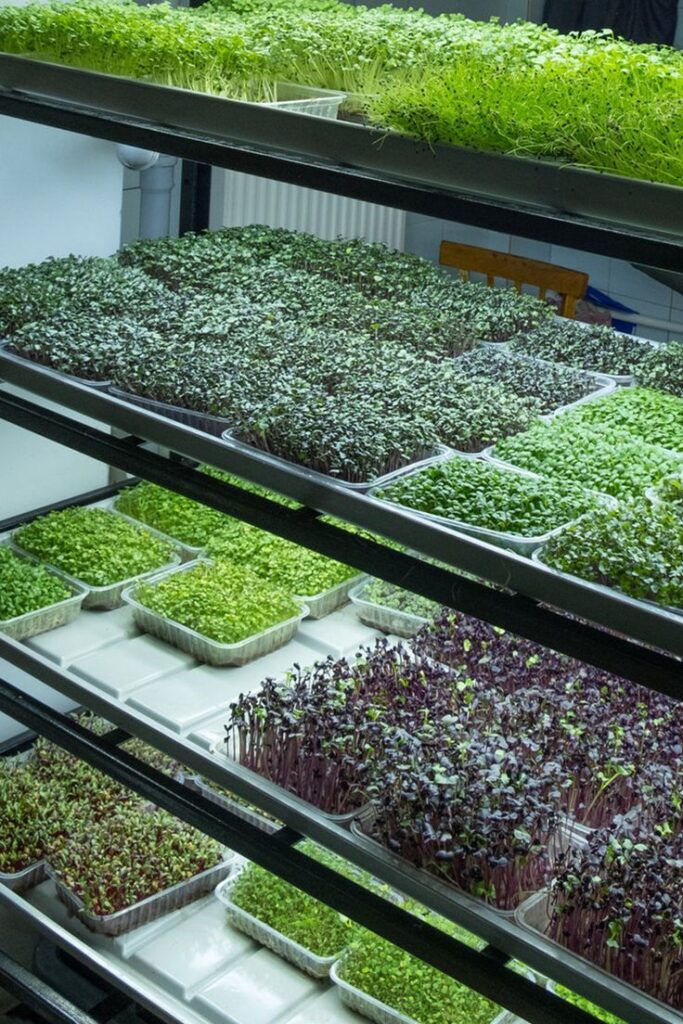
Table of Contents
- What is a kitchen garden?
- Kitchen garden vs vegetable garden — what’s the difference?
- Benefits of a kitchen garden
- Planning your kitchen garden
- Best kitchen garden layouts for every space
- What to grow in your kitchen garden
- Kitchen garden ideas for small spaces
- Herbs for your kitchen garden
- Vegetables for your kitchen garden
- Edible flowers — the finishing touch
- Kitchen garden design tips
- Seasonal kitchen garden calendar
- Common kitchen garden mistakes to avoid
- Your kitchen garden starter checklist
1. What Is a Kitchen Garden?
A kitchen garden — also called a potager (the French term), a cook’s garden, or simply a food garden — is a growing space dedicated to producing herbs, vegetables, fruit, and edible flowers specifically for use in your kitchen.
The defining feature is purpose and proximity. A kitchen garden is planted with the meals you cook in mind, and positioned as close to your kitchen as practically possible — ideally just steps from your back door.
When thinking of a kitchen garden, think of a mix of edible plants including herbs, vegetables, fruit, edible flowers, and flowers for cutting — a personal creation that every year can be something new.
It’s also, at its best, genuinely beautiful. Unlike the utilitarian rows of a traditional vegetable plot, kitchen gardens blend productive growing with attractive design — raised beds in neat geometric patterns, climbing plants on elegant arches, herbs spilling over brick edging, edible flowers adding colour between the crops.
The potager is more than a kitchen garden — it is a philosophy of living that is dependent on the seasons and the immediacy of the garden.
But don’t let that put you off. Your kitchen garden can be a single raised bed beside the back door, three containers on a sunny balcony, or a window box of herbs on a kitchen sill. Scale is irrelevant. The philosophy — growing what you eat, close to where you cook — is everything.
2. Kitchen Garden vs Vegetable Garden — What’s the Difference?
The terms are often used interchangeably, but there are real differences in philosophy and design:
| Kitchen Garden | Vegetable Garden | |
|---|---|---|
| Purpose | Grow what you cook with daily | Grow vegetables (often in larger quantities) |
| Location | Close to the kitchen door | Often at the bottom of the garden |
| Scale | Typically smaller, more curated | Can be very large |
| Contents | Herbs, veg, fruit, edible flowers | Primarily vegetables |
| Design | Often decorative as well as functional | Primarily functional |
| Harvest style | Little and often — daily snippets | Weekly or batch harvests |
| Personality | Personal to the cook | General food production |
The kitchen garden is, in essence, a vegetable garden designed around the cook rather than the grower. It answers the question: what do I actually want to walk out and pick this evening?
3. Benefits of a Kitchen Garden
Food that tastes completely different
There is genuinely no comparison between a tomato picked ripe from your own plant and one bought from a supermarket. Shop-bought produce is harvested before ripeness, chilled, transported, and often stored for days before you buy it. Food this fresh is more delicious and nutritious — cultivating a garden full of your favourite vegetables also makes meal planning a snap and inspires new, healthier ways of eating and living.
You save money — significantly
A single packet of basil seeds (costing less than £1) produces dozens of plants. A cherry tomato plant produces pounds of fruit from a £2 seedling. The savings on fresh herbs alone — those overpriced, half-dead supermarket packets — are immediate and substantial.
You reduce food waste
When you grow your own food, you harvest exactly what you need, exactly when you need it. No more buying a bunch of parsley for one tablespoon and throwing the rest away a week later. Snip what the recipe calls for and leave the rest growing.
It’s deeply satisfying
Cooking and gardening go together — gathering a basketful of herbs and vegetables at their peak of flavour, fresh-picked and unsprayed, bringing them to the kitchen just a few steps from the garden has been a giant plus for happiness.
It connects you to the seasons
A kitchen garden teaches you to eat seasonally — naturally and joyfully, rather than through effort or willpower. You eat strawberries in June because that’s when they’re ready. You eat squash in October because that’s when yours ripen. Food becomes tied to the rhythm of the year in a way that deepens your relationship with what you eat.
It’s beautiful
Beautiful and functional, kitchen gardens provide both delicious backyard crops and an enjoyable and satisfying pastime. A well-designed kitchen garden is genuinely one of the most attractive features you can add to an outdoor space — raising the aesthetic and practical value of your home simultaneously.
4. Planning Your Kitchen Garden
Good planning before a single seed is sown makes an enormous difference to how productive and enjoyable your kitchen garden becomes.
Step 1: Observe your sunlight
To get started, observe how the sun falls in your garden and for how long. Most food plants need at least 6 hours of direct sun daily — so spend a day noting which parts of your outdoor space receive full sun, partial shade, and deep shade throughout the day.
South-facing spots are ideal. North-facing walls are challenging for most food crops — save those for shade-tolerant herbs like mint and parsley.
Step 2: Choose your location
The golden rule of kitchen garden placement: as close to the kitchen as possible.
Building your herb garden directly beside your kitchen door transforms daily cooking from ordinary meal prep into fresh, flavorful experiences — positioning herbs within a few steps of your kitchen entrance eliminates barriers to using fresh ingredients daily.
The further your kitchen garden is from your kitchen, the less you’ll use it. This sounds obvious but is consistently overlooked. A tiny raised bed three steps from your back door will be harvested daily. A large vegetable patch at the bottom of a 30-metre garden will be visited on weekends, if that.
If you lack a good sunny location in the backyard, your kitchen garden will look good enough to grow out front. Don’t dismiss the front garden — many beautiful kitchen gardens now face the street, growing food where neighbours can admire it.
Step 3: Decide on your scale
Resist the temptation to start large. A simple raised bed that’s 12 x 12 feet is manageable, not overwhelming — small spaces can be surprisingly productive.
For most beginners, a single 1.2m x 2.4m raised bed plus a few containers of herbs is an excellent starting point. You can always expand once you understand what you’re growing and how much space it needs.
Step 4: Plan around what you actually cook
This is the most important planning step of all — and the one most beginners skip.
Plan your kitchen garden with your favourite foods in mind. Sit down with your weekly meal plan and ask: what fresh ingredients do I use constantly? What do I buy at the supermarket every week that I could grow instead?
Grow what you love and what you can eat or save or give away — that forces you to come to terms with your garden and not grow three zucchini plants!
Step 5: Check access to water
Your kitchen garden will need regular watering. Before committing to a location, check that a water source — a tap, outdoor spigot, or water butt — is within reasonable reach. Dragging a hose across the entire garden every day becomes a chore that quietly discourages you from gardening.
5. Best Kitchen Garden Layouts for Every Space
There are dozens of ways to plot out your kitchen garden space — the design elements combine to create a flawless fusion of both form and function. Here are the most practical layouts for different situations:
The Single Raised Bed (best for beginners)
One well-built raised bed — 1.2m x 2.4m x 30cm deep — positioned in the sunniest spot close to the kitchen door. Plant with a mix of salad crops, one or two tomato plants, a courgette, and a row of herbs along the edge.
Simple, manageable, and genuinely productive for a first kitchen garden. Expand to a second bed next year once you’ve learned how the first one performs.
The Herb Border (best for immediate impact)
A long, narrow bed running alongside a path, fence, or wall near the kitchen door, planted entirely with herbs. Rosemary, thyme, sage, and oregano at the back (they get large). Chives, parsley, and basil in the middle. Creeping thyme or chamomile along the edge.
Low maintenance, beautiful, and provides an immediate, daily harvest. The most practical kitchen garden layout for people who cook regularly but don’t want a complex growing system.
The Four-Bed Classic (best for serious growing)
Four raised garden beds — like four walls to a room — creates something that feels like an escape from the ordinary, using the timeless simplicity of untreated cedar boards and arch trellises to tie the space together.
Four beds arranged in a square with paths between them, ideally with a central feature (a focal point plant, a water feature, or a decorative obelisk). This layout allows crop rotation between beds — essential for long-term soil health and pest prevention.
Each bed is dedicated to a different plant family: bed 1 (legumes — peas, beans), bed 2 (brassicas — kale, cabbage), bed 3 (roots — carrots, beetroot), bed 4 (alliums and everything else — onions, garlic, tomatoes, courgettes).
The Potager Style (best for beauty and function)
The traditional French potager blends vegetables, herbs, fruit, and flowers in geometric beds separated by neat paths — decorative and productive in equal measure. Raised beds in formal geometric patterns, obelisks for climbing plants, edging of herbs or low box hedging.
One of the warmest and most inviting kitchen garden styles — a keyhole garden with steel beds and wide, accessible edges makes tending and harvesting easy while creating a beautiful central space.
The Border Garden (best for maximising space)
A border garden maximises growing space while maintaining a large area of the backyard for outdoor seating and activities — one of the most popular layouts because it can fit naturally into almost any space and makes the most of previously underused areas.
Raised beds or planting strips running along fences and walls, leaving the central garden area open. Excellent for families who need outdoor play space alongside a productive garden.
The Balcony or Container Kitchen Garden (best for small spaces)
No outdoor space? No problem. Container gardening offers the perfect entry point into kitchen gardening, especially when working with limited space or wanting to test your green thumb before committing to larger projects.
A collection of containers on a sunny balcony or patio can produce a genuinely impressive amount of food — cherry tomatoes, herbs, salad leaves, spring onions, peppers, and even courgettes all grow well in containers of appropriate size.
6. What to Grow in Your Kitchen Garden
The honest answer: grow what you eat. But here are the plants that deliver the best return on investment — maximum flavour, maximum yield, minimum fuss — for a beginner kitchen garden.
7. Kitchen Garden Ideas for Small Spaces
Limited space is no barrier to a productive kitchen garden. Here are the best strategies for making the most of what you have:
Go vertical
Try growing vertically — trellises can hide eyesores while supporting vining crops such as tomatoes, cucumbers, and squash.
A simple trellis, obelisk, or arch against a sunny fence or wall provides several square metres of additional growing space without taking up any ground area. Climbing beans, cucumbers, tomatoes, and peas all grow happily upward.
Hanging planters and wood pallet gardens efficiently utilise vertical space — allowing you to grow more plants in limited square footage while maintaining easy access.
Use containers cleverly
Selecting containers that match your plants’ root systems ensures healthy growth and abundant harvests. Small herbs like basil, oregano, and thyme thrive in 6–8 inch pots, while leafy greens such as lettuce, spinach, and kale need containers at least 6–8 inches deep with a 12-inch diameter.
Use large containers (at least 5 gallons / 23 litres) for tomatoes and peppers. Root vegetables like carrots and beetroot need containers 6–8 inches deep. Radishes thrive in just 4–6 inches of depth.
Succession plant for continuous harvests
Practice succession planting every 2–3 weeks to ensure a continuous supply throughout the growing season.
Rather than sowing all your lettuce seeds at once (producing a glut you can’t eat, followed by nothing), sow a short row every 2–3 weeks. The same applies to radishes, spring onions, and coriander. Staggered sowings produce a continuous, manageable harvest.
Grow the most expensive things first
Prioritise crops that cost the most at the supermarket and take up the least space. Fresh herbs top this list — a pot of basil on the windowsill saves more money per square inch than almost any other plant you can grow. Salad leaves, spring onions, and cherry tomatoes follow closely.
Use every sunny windowsill
Even apartment-dwelling gardeners can maximise their growing space with vertical gardens, standing planters, microgreens kits, and hydroponic gardens. A south-facing windowsill is prime growing real estate — use it for herbs, microgreens, or even a compact tomato variety.
8. Herbs for Your Kitchen Garden
Herbs are the backbone of any kitchen garden — high value, low space, and used constantly in cooking. These are the essential herbs for a beginner kitchen garden:
Must-grow herbs
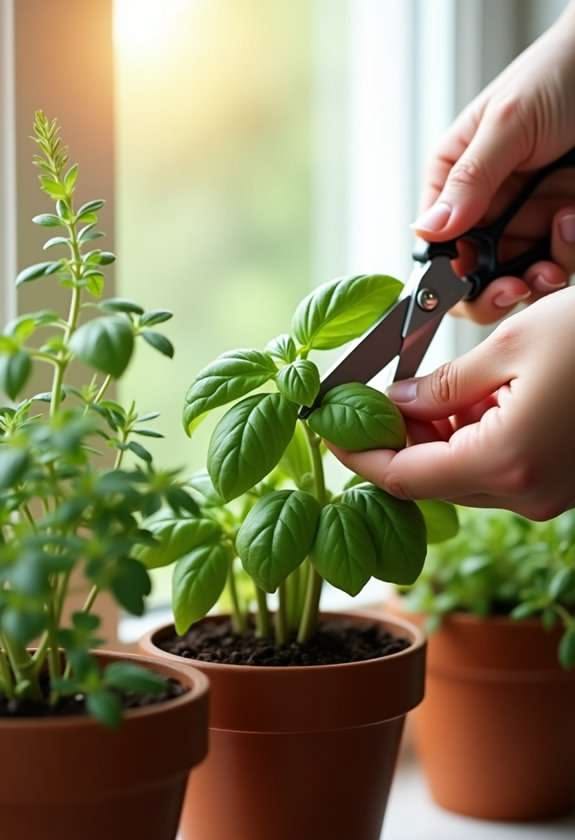
Basil — the kitchen garden essential. Grows in a sunny spot or south-facing windowsill. Use constantly in pasta, pizza, salads, and pesto. Pinch out flowers to keep it producing leaves.
Chives — the most low-maintenance herb you can grow. Tolerates partial shade, regrows vigorously after cutting, and produces beautiful edible purple flowers. Use on eggs, potatoes, salads, and soups.
Flat-leaf parsley — more flavourful than curly parsley and grows reliably in most conditions. Harvest outer stems first and it produces continuously for months.
Mint — almost impossible to kill and endlessly useful — teas, cocktails, desserts, sauces, salads. Always grow in its own container — it spreads aggressively if planted in a bed.
Rosemary — a beautiful, drought-tolerant perennial that grows into a substantial shrub over time. Essential for roast lamb, potatoes, focaccia, and marinades. Prefers full sun and well-drained soil.
Thyme — compact, evergreen, and flavourful year-round. Excellent with roast chicken, soups, and slow-cooked dishes. Plant at the edges of beds where it spills attractively.
Coriander — fast-growing and enormously useful in Asian and Mexican cooking. Sow small amounts every 3–4 weeks rather than one large batch, as it bolts quickly.
Grouping herbs strategically
Group herbs according to their growing needs to prevent overwatering some while underwatering others. Mediterranean herbs like thyme, oregano, and sage thrive in well-draining soil with less frequent watering — plant these together. Moisture-loving herbs such as parsley, cilantro, and mint require more consistent watering and slightly richer soil conditions — create separate planting areas for these groups.
9. Vegetables for Your Kitchen Garden
Choose vegetables based on three factors: what you actually eat, how much space you have, and how quickly you want results.
Fast-growing crops (results in under 6 weeks)
Radishes — one of the fastest-growing options, ready for harvest in just 21–30 days from planting, with a peppery bite perfect for salads. Sow a short row every 2–3 weeks for continuous supply.
Spring onions (scallions) — deliver fresh flavour in approximately 20–30 days when grown directly in the ground. Harvest continuously by cutting the green tops while leaving the roots intact for regrowth.
Salad leaves and lettuce — cut-and-come-again varieties can be harvested from as early as 4 weeks after sowing. Sow every 2–3 weeks for a continuous supply of fresh salad.
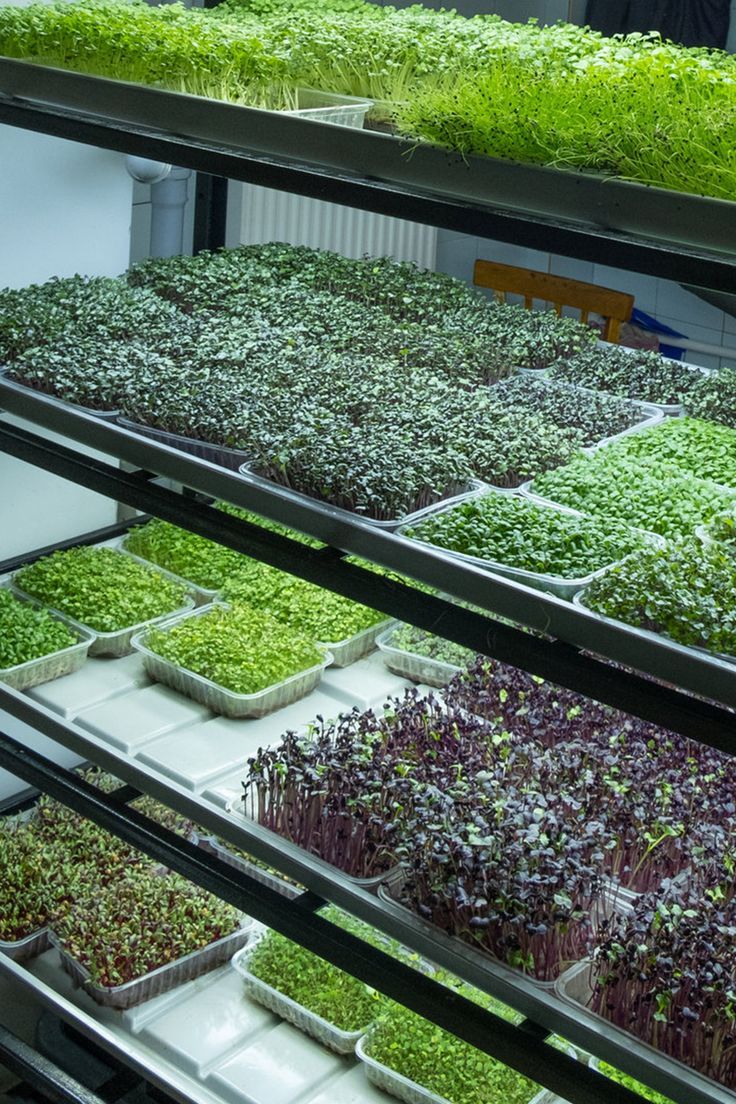
Microgreens — the fastest kitchen garden crop of all. Sow densely in a shallow tray, and harvest the tiny seedlings at just 7–14 days old. Extraordinary flavour and nutrition in minimal space.
Medium-term crops (6–10 weeks)
Courgettes (zucchini) — impossibly productive once established. One plant produces more courgettes than most families can eat. Harvest at 15–20cm for best flavour.
Peas — sweet, fast, and incredibly satisfying to pick straight from the pod. Grow up a simple twig support.
Beans — both climbing and dwarf varieties are easy and productive. Climbing beans make excellent use of vertical space.
Spinach and chard — cut-and-come-again leaves for salads and cooking. Swiss chard is particularly decorative with its colourful stems.
Long-term stars (10+ weeks but worth every day)
Cherry tomatoes — the single most rewarding plant in a kitchen garden. Nothing tastes like a home-grown cherry tomato eaten warm from the vine. Choose compact varieties like Tumbling Tom for containers.
Cucumbers — fast-growing once established, enormously productive in warm weather, and dramatically better tasting than shop-bought.
Chillies and peppers — slow to start but extraordinarily productive over a long season. Grow in the sunniest, most sheltered spot available.
Garlic — plant in autumn and harvest the following summer. Low maintenance, takes up little space, and home-grown garlic is incomparably better than shop-bought.
10. Edible Flowers — The Finishing Touch
Edible flowers elevate a kitchen garden from purely productive to genuinely beautiful — and they earn their place on the plate as well as in the border.
Nasturtiums — the easiest edible flower to grow. Peppery leaves and flowers in vivid orange, red, and yellow. Scatter over salads, use as a garnish, or stuff with cream cheese for a stunning canapé. Sow directly in poor soil (too rich and they produce leaves at the expense of flowers).
Calendula (pot marigold) — cheerful orange and yellow flowers with a mild, slightly spicy flavour. Excellent as a garnish and traditionally used to colour butter and cheese. Also a brilliant companion plant — attracts beneficial insects and deters aphids.
Borage — beautiful star-shaped blue flowers that taste faintly of cucumber. Float them in cocktails, freeze them in ice cubes, or scatter over salads. Self-seeds generously — plant once and it appears every year.
Chive flowers — the purple pompom flowers of chive plants are entirely edible and taste of mild onion. Beautiful scattered over a salad or potato dish.
Viola and pansy — delicate, pretty, and mild-tasting. Perfect for decorating cakes, desserts, and summer drinks.
11. Kitchen Garden Design Tips
A beautiful kitchen garden is not accidental — it’s designed. Here are the principles that make the difference:
Position tall plants to the north
Plan your layout so taller plants (tomatoes, beans, corn) are at the northern end of beds, ensuring they don’t shade shorter crops. Cascading or low-growing plants belong at the southern edges where they receive maximum sun.
Use vertical structures for drama and productivity
Arch trellises marry raised beds and give plenty of vertical space for vining vegetables like cucumbers, tomatoes, and beans to grow. An arch or obelisk in a kitchen garden bed is both beautiful and productive — a focal point that doubles as a trellis.
Plant in odd numbers
Groups of three or five plants look more natural and attractive than even numbers. This applies to both ornamental and edible planting — three basil plants in a cluster look more deliberate than two or four.
Let herbs spill and soften
Hard lines of raised beds are softened beautifully by herbs planted at the edges — thyme, creeping rosemary, chives, and parsley that spill gently over the sides. This blurs the boundary between the structured garden and the planting inside it.
Include something for pollinators
One of the most exciting kitchen garden trends of 2025 is surrounding food gardens with native plant and pollinator-friendly spaces — native plants and wildflowers require way less water, don’t need mowing, and do real good for the climate by feeding pollinators and increasing biodiversity.
Interplanting edible flowers (calendula, borage, nasturtium) among your vegetables attracts pollinators — which is essential for fruiting crops like tomatoes, courgettes, and beans — and adds extraordinary colour and life to the garden.
Keep paths wide enough to work in
Paths between beds should be at least 60cm wide — enough to kneel comfortably, wheel a barrow through, and work without trampling adjacent plants. Narrow paths become a frustration quickly.
12. Seasonal Kitchen Garden Calendar
A kitchen garden produces through most of the year when planned correctly. Here’s a simple seasonal guide:
Spring (March–May)
Sow indoors: Tomatoes, peppers, chillies, courgettes, basil, cucumbers Sow outdoors (after last frost): Peas, radishes, spring onions, lettuce, spinach, chard Plant out: Herb plants from the garden centre Harvest: Overwintered herbs, early radishes, spring onions
Summer (June–August)
Sow: Succession sowings of lettuce, radishes, spring onions, coriander every 3 weeks Plant out: Tomatoes, courgettes, cucumbers, beans (after last frost) Harvest: The main season — lettuce, radishes, courgettes, peas, beans, tomatoes, cucumbers, herbs, edible flowers Key tasks: Water daily in hot weather, feed tomatoes weekly, harvest courgettes before they become marrows
Autumn (September–November)
Sow: Winter salad leaves, spinach, kale, garlic (October–November) Harvest: Late tomatoes, beans, courgettes, squash, garlic, kale, chard Key tasks: Clear spent crops, add compost to beds, plant garlic before first frost
Winter (December–February)
Harvest: Kale, chard, winter herbs (rosemary, thyme, sage, chives survive frost beautifully) Indoors: Start planning next year’s garden, order seeds, begin tomatoes on heat mat from late February Key tasks: Rest and restore beds with compost, protect tender herbs with fleece, plan crop rotation
13. Common Kitchen Garden Mistakes to Avoid
Planting too far from the kitchen
The most common kitchen garden mistake by a distance. If your garden is inconvenient to access, you won’t harvest daily — and daily harvesting is what keeps plants productive and meals fresh.
Growing what looks good rather than what you eat
Huge pumpkins, exotic gourds, and giant cabbages look impressive but rarely make it into everyday cooking. Grow what you cook with every week — herbs, salad, tomatoes, courgettes — and supplement with the occasional interesting variety.
Not succession sowing
Planting all your lettuce and radishes at once produces a glut followed by nothing. Sow small amounts every 2–3 weeks for a continuous, manageable harvest across the whole season.
Ignoring companion planting
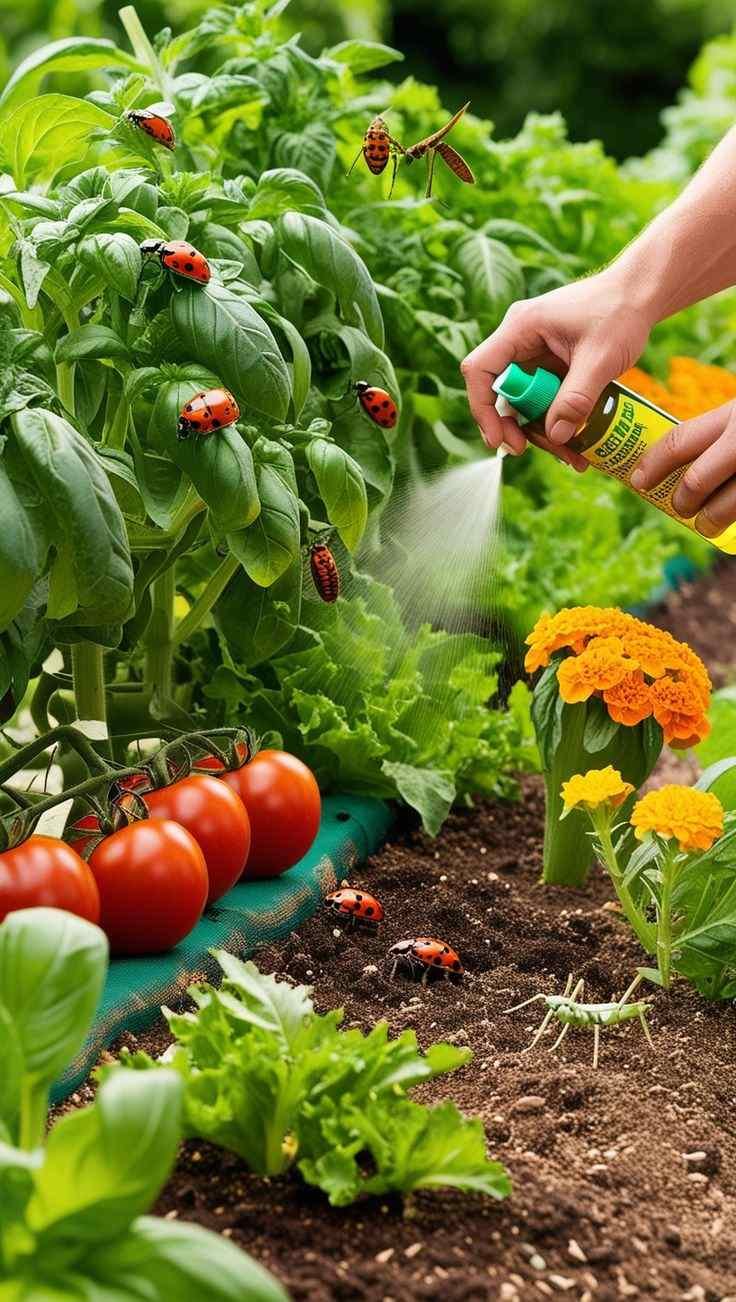
Some plants actively help their neighbours. Basil planted near tomatoes is said to improve flavour and deter pests. Calendula attracts aphids away from vegetables (and then attracts the ladybirds that eat the aphids). Nasturtiums deter whitefly. Interplanting edible flowers among vegetables is one of the most effective natural pest control strategies available.
Letting things bolt without harvesting
Lettuce, coriander, rocket, and basil all bolt (go to flower and then seed) if left too long without harvesting. Once bolted, leaves become bitter and the plant stops producing. Harvest regularly — even if you don’t need it — to keep plants in leaf production.
Overcomplicating it
A kitchen garden does not need to be complex. Your kitchen garden journey doesn’t require perfection from day one — pick one or two ideas that match your available space and time commitment, then build from there.
14. Your Kitchen Garden Starter Checklist
Use this before your first seeds go in:
Planning
- [ ] Identified the sunniest spot close to the kitchen door
- [ ] Decided on layout — single raised bed, containers, or larger design
- [ ] Listed the 5–8 crops I actually cook with most
- [ ] Checked last frost date for my area
Setup
- [ ] Raised bed built or containers sourced (with drainage holes)
- [ ] Good quality growing mix prepared (compost + topsoil)
- [ ] Access to water source confirmed
- [ ] Basic tools ready — trowel, watering can, labels, gloves
Planting
- [ ] Seeds and/or plants sourced
- [ ] Succession sowing plan made (new row every 2–3 weeks)
- [ ] Herb group planted close to kitchen door
- [ ] Vertical support in place for climbing plants
Ongoing
- [ ] Committed to checking the garden daily
- [ ] Compost bin set up for kitchen scraps
- [ ] Feeding plan in place for tomatoes and heavy feeders
Final Thoughts
A kitchen garden is not a project — it’s a practice. Something you tend a little each day, harvest from constantly, and adapt each season based on what you learned the last.
It will not be perfect in its first year. Nothing is. But it will produce food that tastes better than anything you’ve bought, teach you more about growing than any book can, and give you a relationship with your kitchen and your meals that deepens every season.
Start small. Grow what you eat. Keep it close to your kitchen door. And harvest something — however small — every single day.
That is the kitchen garden. And once you’ve had one, you’ll never want to cook without one again.
Happy growing, Eco Sara
Read these next:
- How to Start a Vegetable Garden from Scratch (Complete Beginner’s Guide) 2026
- How to Grow Herbs Indoors All Year Round
- Raised Bed vs In-Ground Garden: Which Is Better for Beginners?
- Container gardening 101: grow food on a balcony or small space