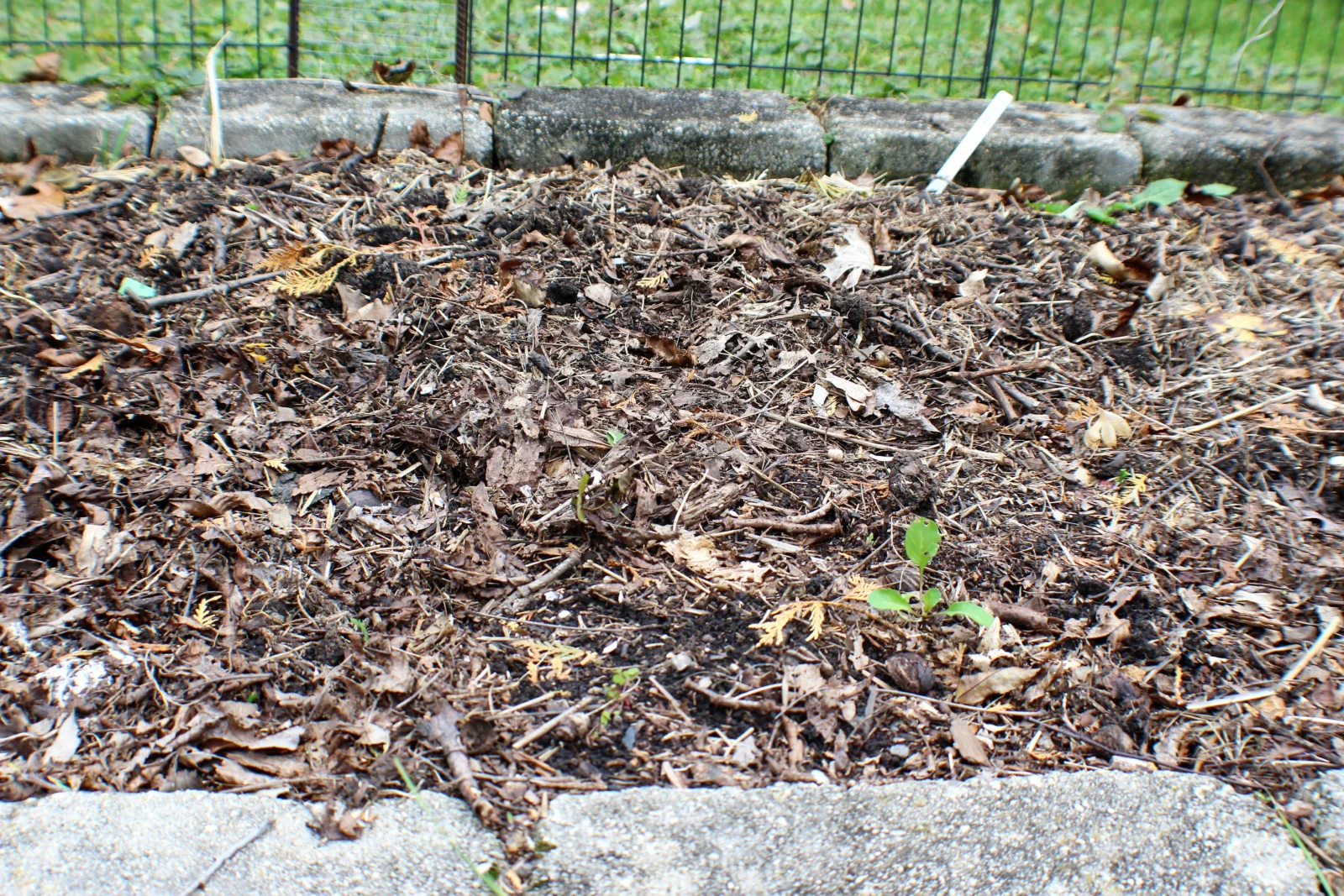
Garden cleanup can produce bags of leaves, grass clippings, stems, twigs, spent annuals, and prunings. Much of that material still has value. Leaves can become mulch or leaf mold. Grass can feed a compost pile. Woody prunings can become path material or habitat. Healthy crop residues can return organic matter to the soil.
The key word is healthy. Not every piece of plant debris should stay in the garden. Diseased plants, invasive weeds, treated wood, thorny material, and seed-filled weeds may need different handling. Sustainable reuse works when you know what the material is and choose a method that does not spread future problems.
This guide explains how to reuse common garden waste safely and practically. It covers leaves, grass, twigs, woody prunings, spent plants, weeds, diseased material, composting, leaf mold, mulch, habitat piles, municipal green-waste programs, and common mistakes.
Start by Sorting Garden Waste
Do not throw every garden material into one pile. Sort it by what it can safely become.
| Material | Useful Options | Main Caution |
|---|---|---|
| Healthy dry leaves | Mulch, leaf mold, compost | Matting if applied too thickly |
| Fresh grass clippings | Thin mulch, compost | Can turn slimy in thick layers |
| Small twigs | Habitat, chipping, compost carbon | Slow decomposition |
| Woody branches | Chips, stakes, habitat pile | Do not use diseased wood blindly |
| Healthy annual plants | Compost, chop-and-drop | Remove mature seed heads first |
| Invasive weeds | Special disposal | Can spread from roots or seed |
| Diseased debris | Depends on disease | May need removal from site |
The U.S. Environmental Protection Agency provides home-composting guidance and explains how organic materials can be diverted from disposal and returned to soils.
Use Fallen Leaves as Mulch
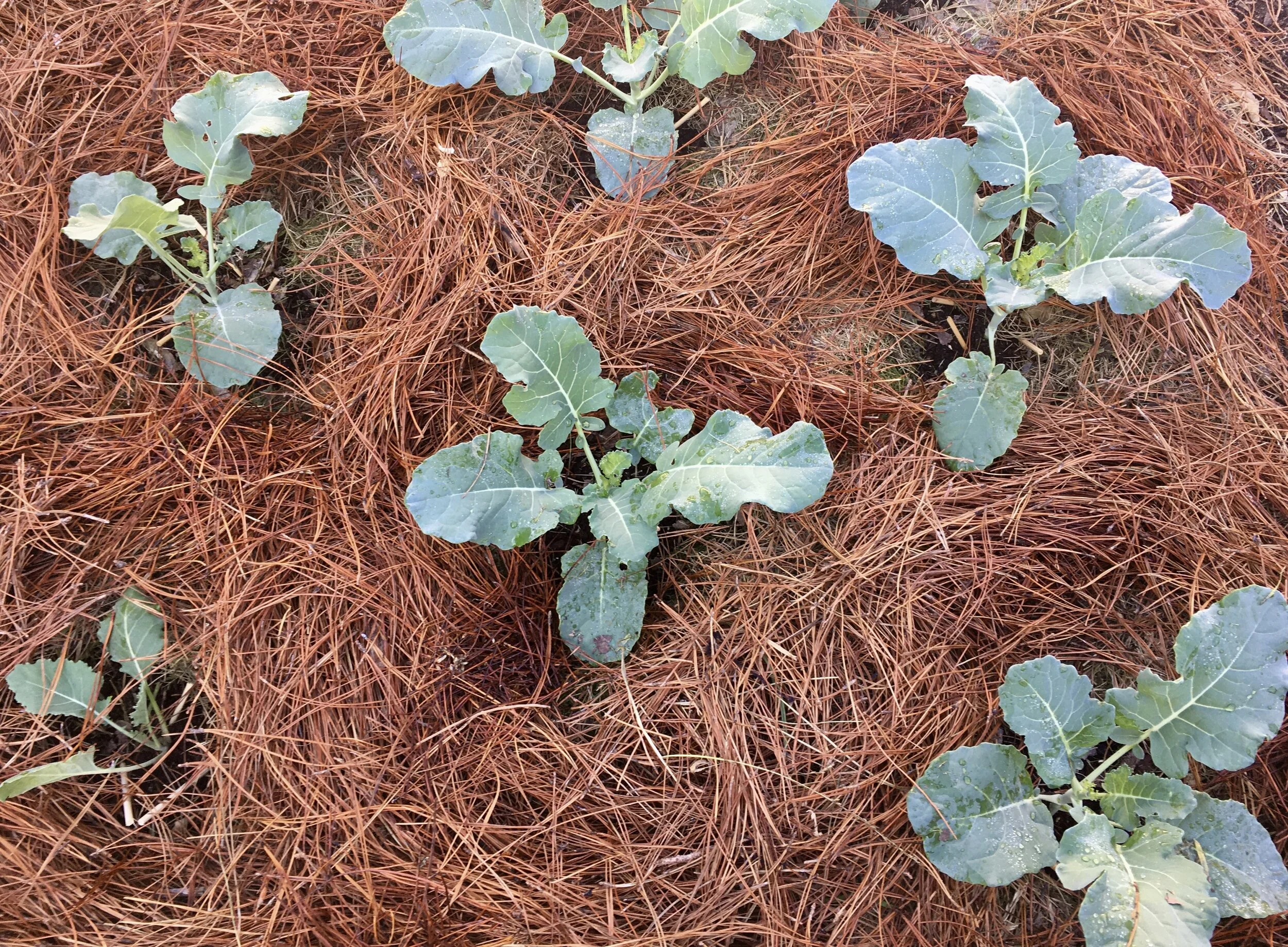
Leaves are one of the easiest materials to reuse. In forests, they protect the soil surface, reduce evaporation, and slowly return organic matter.
In a garden, shredded leaves work well around shrubs, perennials, trees, and some vegetable beds.
How to use leaf mulch
- Remove leaves that show serious disease if local guidance recommends disposal.
- Shred large, tough leaves with a mower or leaf shredder if available.
- Spread them over moist soil.
- Keep leaves away from direct contact with plant crowns and tree trunks.
- Use a moderate layer rather than a deep wet blanket.
Whole leaves can mat together, especially large flat species. Shredding improves airflow and helps them stay in place.
Make Leaf Mold for Soil Improvement
Leaf mold is partially or fully decomposed leaves. It differs from finished mixed compost because it is made mostly from leaves and breaks down largely through fungal activity.
Leaf mold is excellent for improving soil structure and water-holding capacity. It is not usually a concentrated fertilizer.
Simple leaf mold method
- Collect healthy autumn leaves.
- Shred them if possible.
- Moisten dry leaves.
- Place them in a wire cage, breathable bag, or simple pile.
- Keep the pile damp but not waterlogged.
- Wait as the leaves break down.
Depending on leaf type and climate, useful leaf mold may take many months or longer than a year. The process is slow but requires little work.
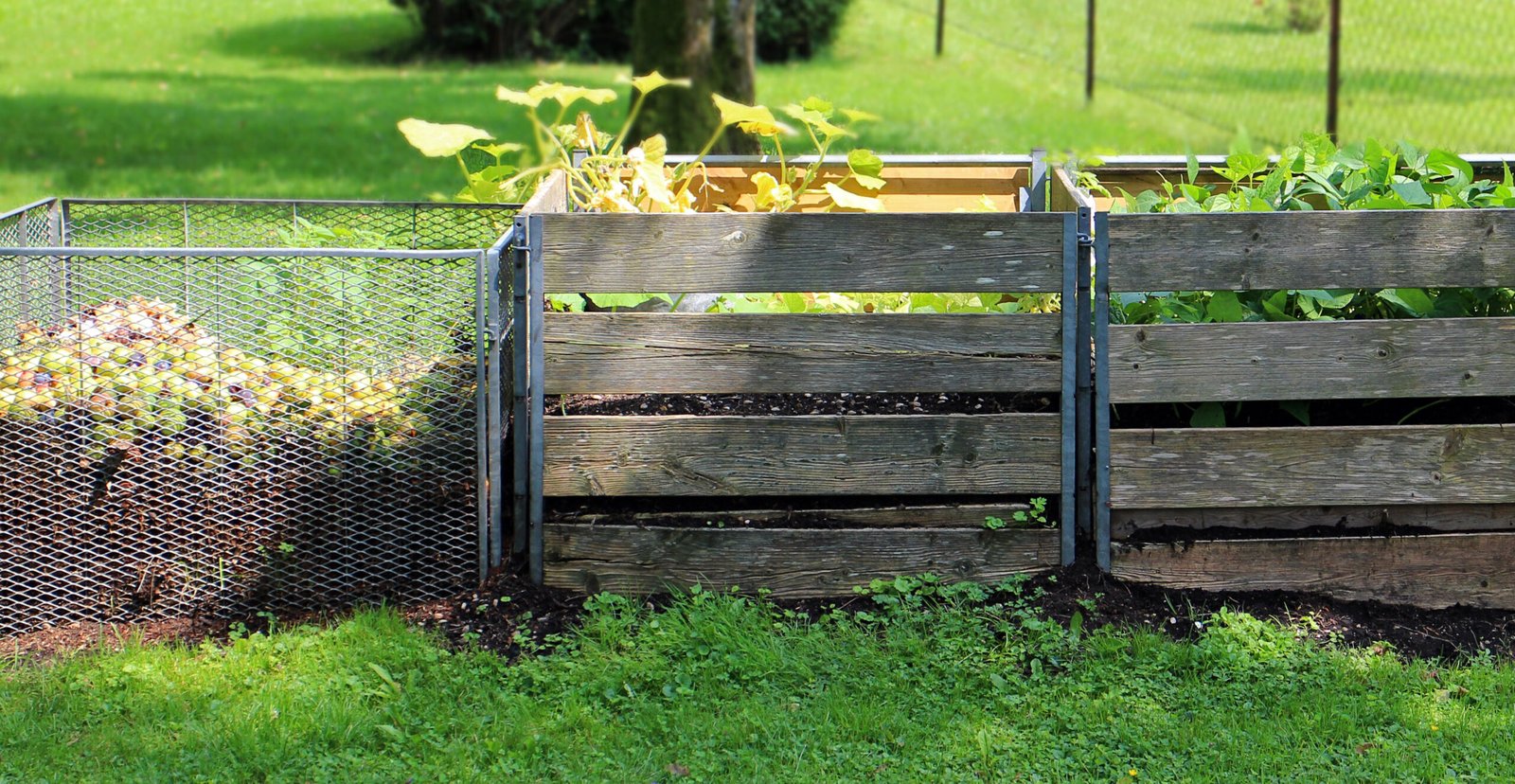
Add Leaves to a Compost Pile
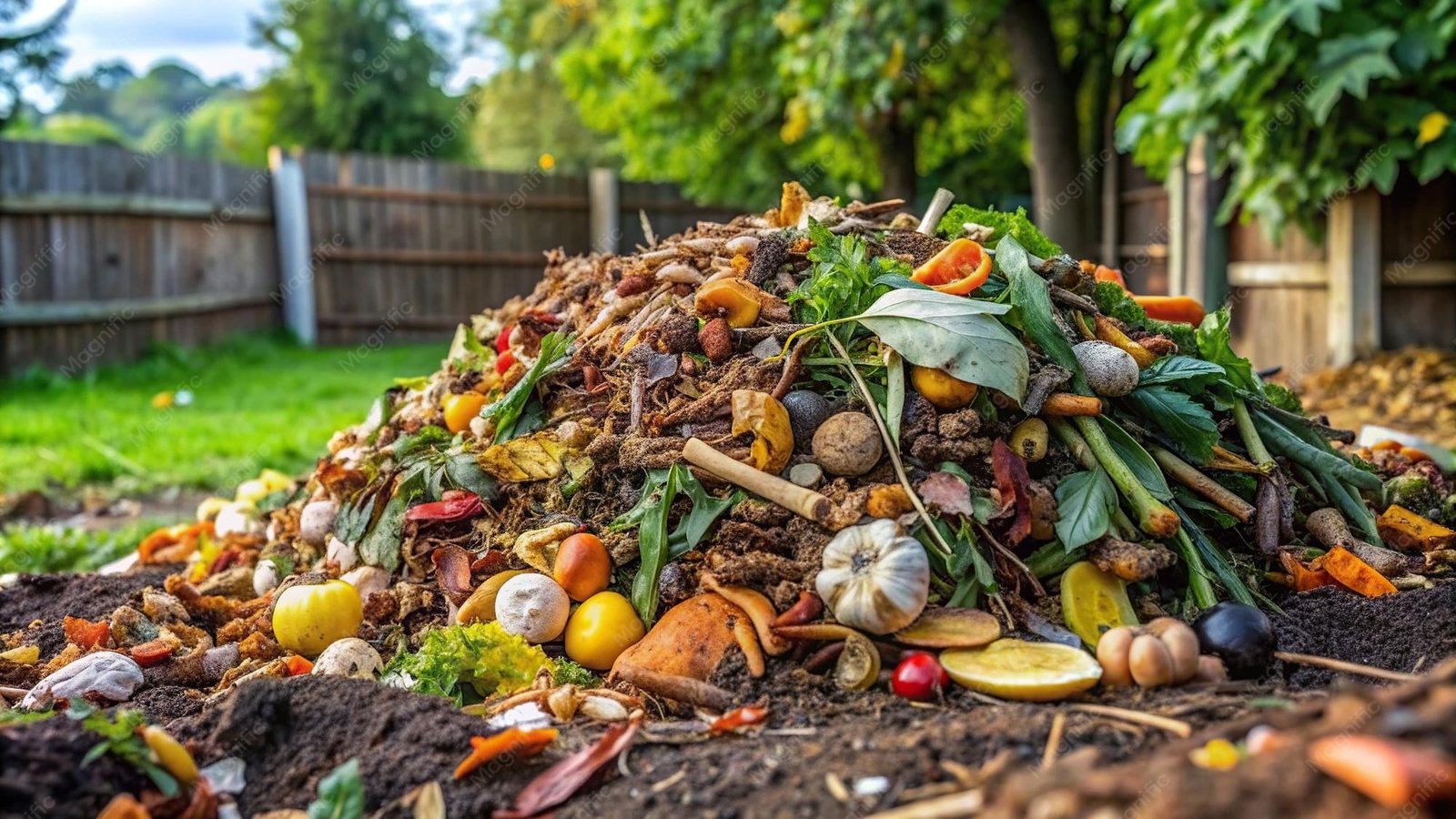
Dry leaves are a useful carbon-rich compost ingredient. Save some autumn leaves in bags or bins so you have a brown material to mix with grass clippings and kitchen scraps later.
A compost pile works best when it contains a mix of moist nitrogen-rich materials and drier carbon-rich materials. Exact ratios are less important for home gardeners than avoiding extremes.
If the pile is wet and smelly
Add dry leaves, shredded cardboard, or other carbon-rich material and turn the pile for airflow.
If the pile is dry and inactive
Add moisture and fresh green material, then mix.
Do not compost meat, dairy, grease, pet waste, or other materials unless your composting method and local guidance specifically support them.
Reuse Grass Clippings Carefully
The simplest use for grass clippings is often to leave them on the lawn. Short clippings decompose quickly and return nutrients.
If collecting clippings, add them to compost in thin layers mixed with dry materials. A thick pile of wet grass can compact, heat, and smell.
Grass as garden mulch
Untreated grass clippings can be used in thin layers around established plants. Let fresh clippings dry slightly before adding more.
Do not use clippings in edible gardens if the lawn was recently treated with a herbicide or pesticide unless the product label clearly permits that use and the required interval has passed.
Turn Small Twigs Into Useful Material
Small twigs decompose slowly, but they can still be useful.
Options include:
- Cutting them into small pieces for slow composting.
- Using them at the base of habitat piles.
- Chipping them for paths or around woody plants.
- Bundling straight pieces as simple supports.
Do not bury large amounts of fresh woody material directly in annual vegetable root zones unless you are using a specific tested method. Wood breaking down in close contact with soil can change nitrogen availability near the decomposition zone.
Chip Woody Prunings for Paths and Mulch
A small chipper or arborist service can turn branches into wood chips. Fresh mixed wood chips are especially useful for paths and around established trees and shrubs.
Keep chips away from trunks. A wide ring of mulch is useful, but a deep pile against bark can hold moisture and encourage problems.
Wood chips decompose over time and may need topping up. On paths, this is helpful because the material slowly improves the soil below while maintaining a soft walking surface.
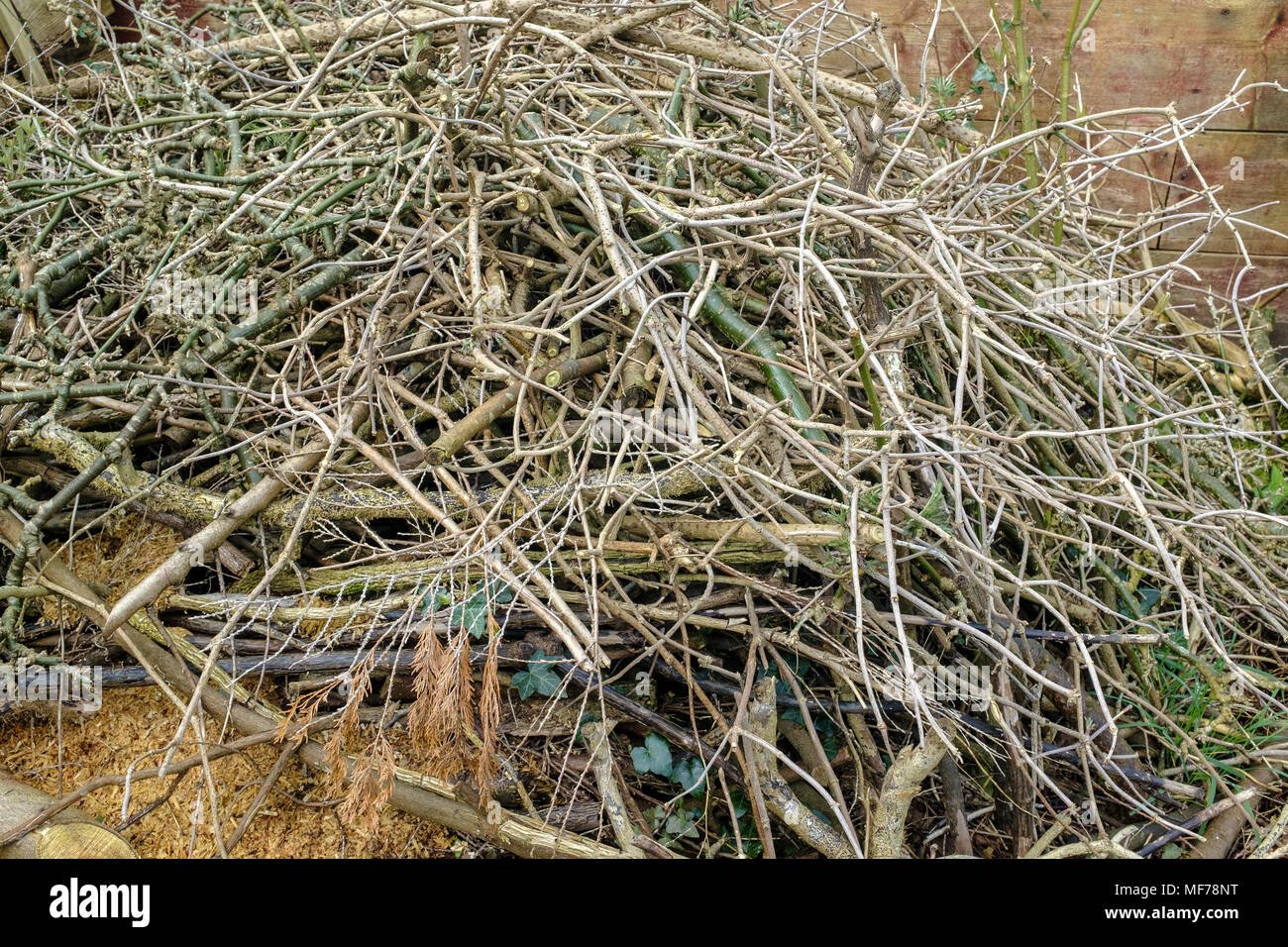
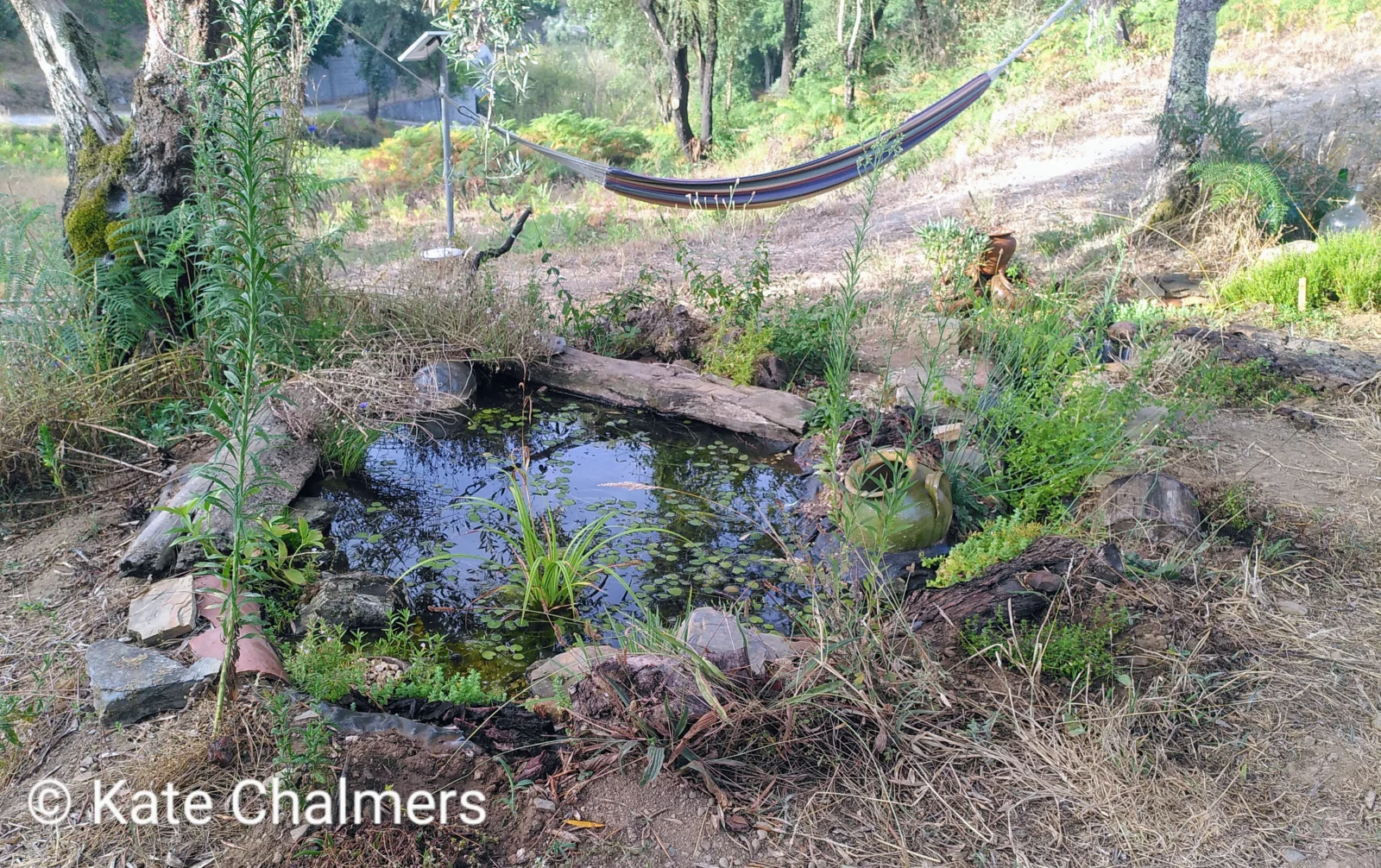
Create a Small Habitat Pile
Not every branch needs to be composted. A tidy pile of logs and branches in a quiet corner can provide shelter for insects, fungi, and other small wildlife.
The Xerces Society encourages habitat practices that provide nesting and overwintering resources for invertebrates.
Build a safe habitat pile
- Place it away from buildings if termites or fire are local concerns.
- Use untreated wood.
- Stack material so it cannot roll into paths.
- Mix log sizes to create gaps.
- Allow some leaf litter nearby.
Local fire codes and pest risks should guide where woody habitat is appropriate.
Reuse Straight Prunings as Garden Supports
Straight branches can become pea sticks, row markers, temporary stakes, or simple supports for lightweight plants.
Choose sturdy, disease-free wood. Avoid species with irritating sap, sharp thorns, or brittle stems where people may brush against them.
Natural stakes will eventually decay, which is fine for temporary seasonal use.
Chop and Drop Healthy Plant Residues
At the end of the season, healthy annual plants can sometimes be cut into smaller pieces and left on the soil surface as mulch.
This is most useful for soft, disease-free material that does not contain mature weed or crop seeds.
Do not chop and drop when:
- The plant has a serious disease that survives in debris.
- The plant is invasive.
- Seeds are mature and likely to germinate.
- Stems are thick enough to create a pest shelter where that is a problem.
If uncertain about a disease, check your local extension service before returning debris to the bed.
Leave Healthy Roots in the Soil
When an annual crop finishes, cutting the stem at ground level and leaving healthy roots in place can reduce soil disturbance. The roots decompose and leave small channels that help air and water movement.
Pull the roots if you need to inspect for root disease, nematodes, or other problems. A no-dig approach should not prevent diagnosis.
Use Spent Annuals in Compost
Healthy annual flowers and vegetables are excellent compost material. Cut large stems into shorter pieces so they break down faster.
Remove plastic labels, string, clips, and synthetic ties before composting. These items are easy to miss and can leave fragments in finished compost.
What to Do With Weeds
Young weeds without seed can usually be composted. Mature weeds need more caution.
Seed-filled annual weeds
A hot, well-managed compost pile may kill many seeds, but home piles often do not reach uniform temperatures. If you cannot guarantee treatment, dispose of heavy seed heads separately.
Perennial weeds with spreading roots
Plants that regrow from root or rhizome fragments can survive cool composting. Dry them completely, use a controlled method, or follow local green-waste guidance.
Invasive plants
Follow local invasive-species disposal advice. Some should never be placed in municipal compost or moved off-site without containment.
Diseased Plant Material Needs a Diagnosis
There is no universal rule that every diseased leaf must be burned or thrown away. Some diseases survive poorly in compost, while others persist in crop residue for years.
The correct decision depends on the pathogen, compost temperature, crop, and local recommendations.
For example, if a vegetable crop has a known soilborne disease, returning infected roots to the same bed may increase future risk. If leaves only have a mild cosmetic issue that does not overwinter in debris, removal may be unnecessary.
Identify the problem before choosing disposal.
Do Not Reuse Treated or Painted Wood as Mulch
Old fencing, painted lumber, pressure-treated boards, and construction scraps are not garden mulch. They may contain preservatives, coatings, nails, screws, or other contaminants.
Use clean plant-derived woody material instead.
Turn Pruned Herbs Into Useful Household Material
Healthy rosemary, lavender, mint, sage, and other herbs can sometimes be dried for culinary use, scent sachets, or garden crafts if the plants were not treated with products that prevent such use.
Always identify the plant correctly and know its treatment history before bringing garden material into the kitchen.
Use Seed Heads for Wildlife Where Appropriate
Not every perennial needs to be cut down in autumn. Seed heads from sunflowers, coneflowers, grasses, and other suitable plants can provide food and shelter through winter.
Leave healthy stems in selected areas and cut them back later when new growth begins.
Do not leave seed heads from invasive plants or species you are trying to control.
Build a Brush Barrier Carefully
In large gardens, branches can sometimes be woven into low dead hedges or brush barriers. These structures can define boundaries and provide habitat.
Keep them away from roads, utility access, wildfire-prone structures, and places where sharp branches create hazards.
Use Municipal Green-Waste Programs
You do not have to reuse everything on-site. Municipal collection can be a sustainable option when materials are processed into compost, mulch, or energy.
Use local programs for:
- Large branches you cannot chip.
- Excess grass or leaves.
- Materials not suitable for your compost system.
- Seasonal cleanup overflow.
Check what the program accepts. Plastic bags, soil, rocks, treated wood, and invasive species may have separate rules.
How to Set Up a Simple Garden-Waste Station
A small sorting area prevents useful material from becoming one messy pile.
Create four zones
- Compost: soft green material and kitchen scraps.
- Dry carbon: bagged leaves and shredded cardboard.
- Wood: branches waiting for chipping or habitat use.
- Special disposal: invasive, diseased, or treated material.
Label bins if several people use the garden.
Real-World Example: Autumn Cleanup Without Bags
A gardener normally fills fifteen plastic bags with autumn leaves and prunings. This year, they sort the material.
Clean leaves are shredded with the mower. Half become mulch under shrubs. The rest go into a wire leaf-mold cage.
Grass clippings are mixed with dry leaves in the compost pile. Straight branches become pea supports for spring. Larger branches are chipped and placed on paths.
A tomato plant with suspected soilborne disease is removed separately rather than composted. Mature bindweed roots are also kept out of the home pile.
By the end of cleanup, only a small amount needs municipal disposal. The garden keeps most of its own organic material without creating a giant compost pile.
Garden Waste Reuse Checklist
- Sort material before reuse.
- Shred leaves for mulch.
- Save dry leaves for compost carbon.
- Leave short grass clippings on the lawn when practical.
- Use wood chips on paths and around woody plants.
- Leave healthy roots in place where appropriate.
- Compost healthy annual plants.
- Keep invasive weeds out of cool compost.
- Diagnose diseases before recycling debris.
- Never mulch with painted or treated wood.
- Use habitat piles where safe.
- Use municipal green-waste services for excess material.
Frequently Asked Questions
Can I compost all garden weeds?
Young weeds without seed are usually fine. Mature seeds, invasive roots, and persistent rhizomes may survive home composting, so handle them separately.
Can grass clippings be used around vegetables?
Yes, in thin layers if the grass was not treated with products that restrict garden reuse. Thick wet clippings can become slimy and reduce airflow.
Are fresh wood chips safe around plants?
They are widely used as surface mulch around trees and shrubs. Keep them on the surface and away from trunks. Avoid mixing large amounts into annual vegetable soil.
Should I remove all leaves from flower beds?
No. A managed layer of healthy leaves can protect soil and provide habitat. Remove excessive mats and leaves carrying diseases that local guidance says should be discarded.
Can I compost diseased plants?
Sometimes, but the answer depends on the disease and compost process. Identify the disease and follow local plant-health advice.
Is burning garden waste sustainable?
Open burning creates smoke and is restricted or illegal in many areas. Composting, chipping, mulching, or municipal green-waste processing is usually more useful where available.
Conclusion: Treat Garden Waste as a Material Stream, Not Trash
The easiest way to reduce garden waste is to stop treating every leaf, clipping, and branch the same way. Sort materials by what they can become.
Use leaves for mulch and leaf mold. Mix grass with dry carbon in compost. Turn branches into chips, stakes, or habitat. Leave healthy roots in the ground. Keep invasive weeds and serious disease material separate when necessary.
You do not need to reuse every piece on-site. Municipal green-waste programs are valuable for materials your garden cannot handle safely.
Over time, this approach reduces hauling and purchased inputs while returning useful organic matter to the landscape. The result is not a garden with no waste at all, but a garden where most plant material has a planned next use.