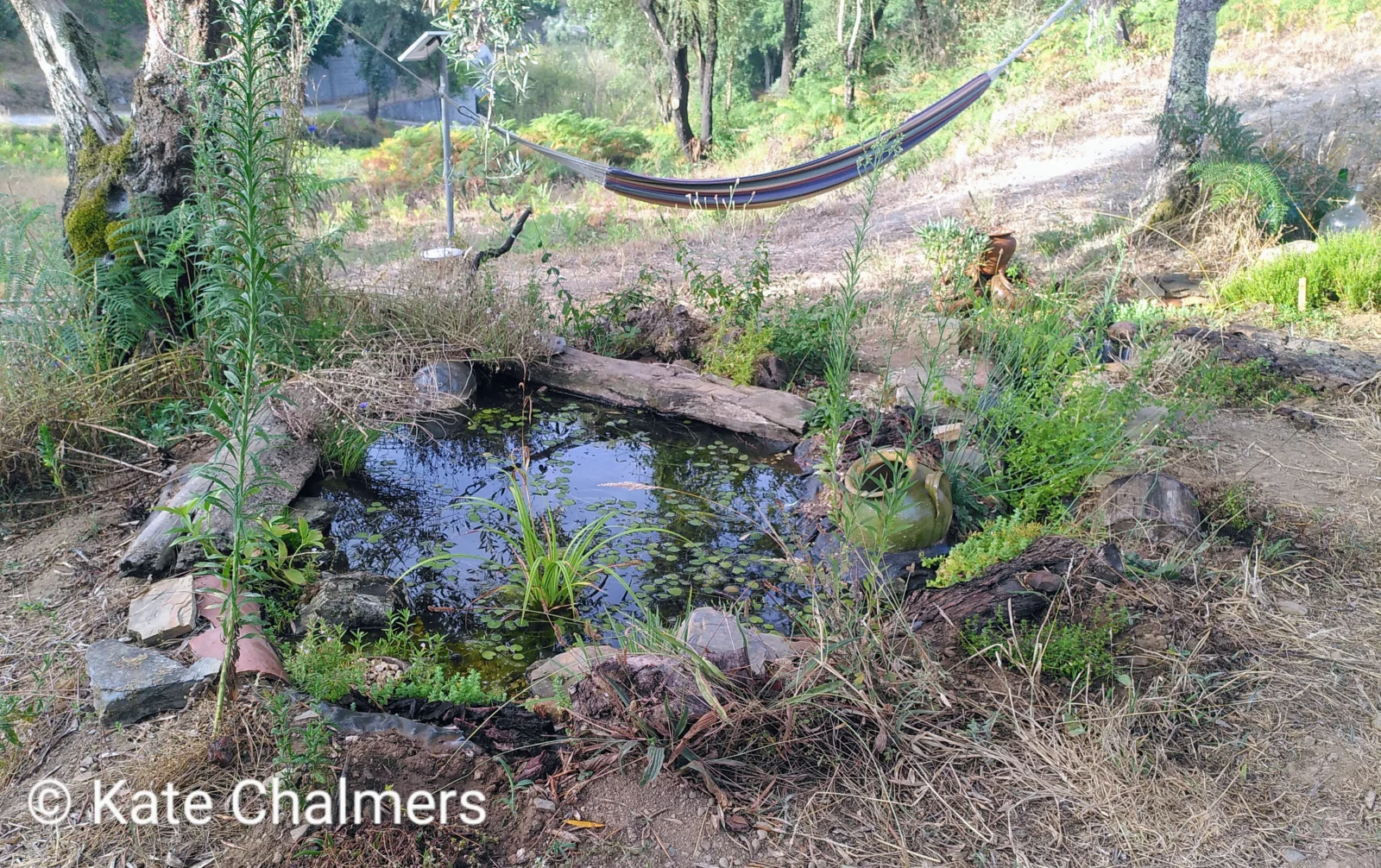
A small wildlife pond can add more life to a garden than many expensive landscape features. Even a modest container pond or shallow lined pond can attract insects, birds, amphibians, and other wildlife when water is clean, access is safe, and plants provide shelter.
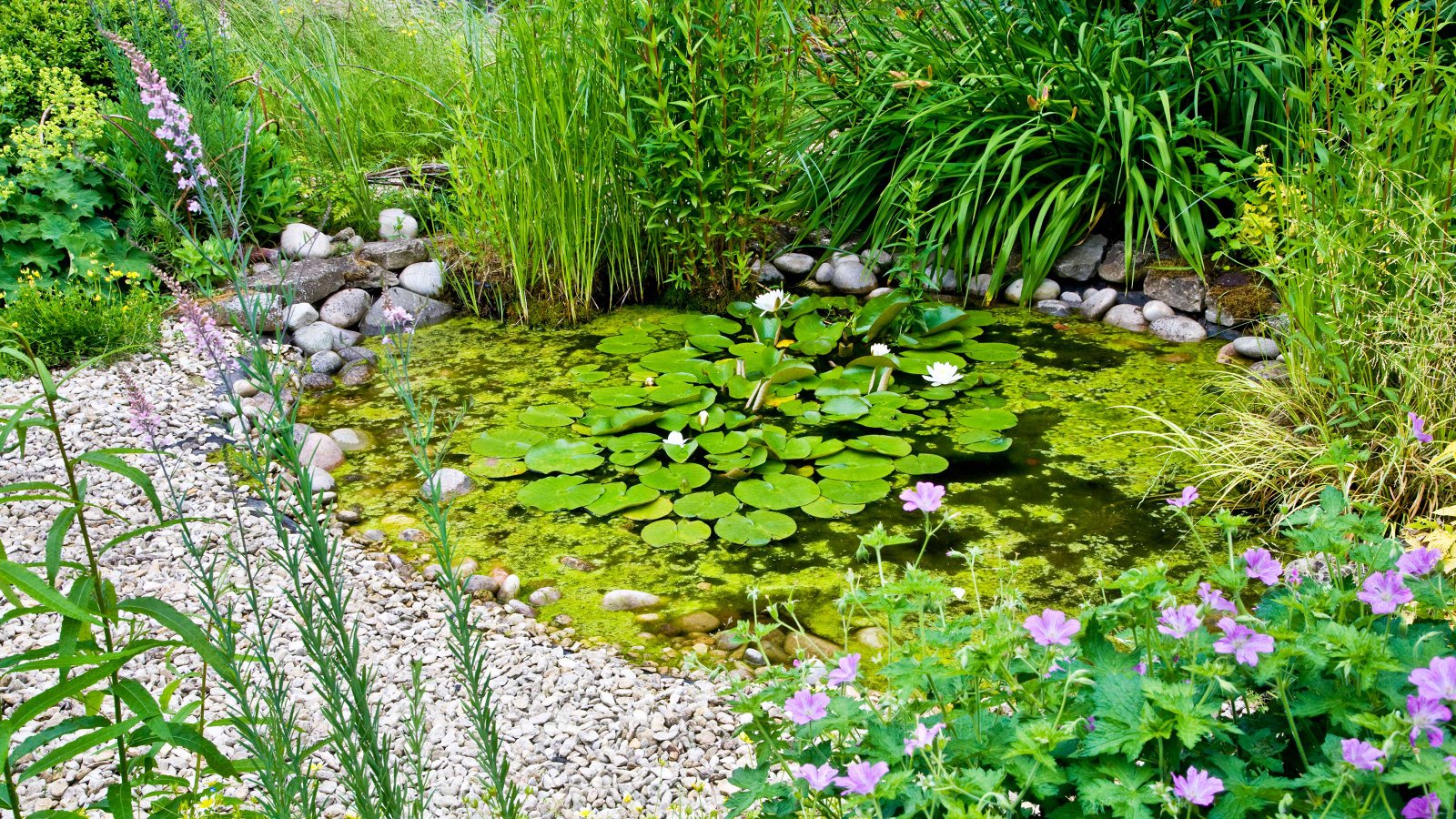
The goal is not to build a decorative pool that depends on constant chemicals and cleaning. A wildlife pond works best when it behaves like a small ecosystem: some open water, some planted edges, different depths, places for animals to enter and escape, and enough patience for the water to settle.
This guide explains how to choose a location, plan size and depth, create safe edges, install a liner or container, select plants, manage algae and mosquitoes, protect wildlife, and maintain the pond through the seasons.
Why Add a Wildlife Pond?
Water is one of the most valuable habitat features a garden can offer. A pond may support dragonflies, bees, birds, frogs, toads, beetles, and other species depending on your region.
The Xerces Society emphasizes habitat diversity for invertebrates, and water features can complement flowering plants, shelter, and pesticide reduction.
A wildlife pond can provide:
- Drinking water for birds and insects.
- Breeding habitat for some amphibians and aquatic insects.
- Water for beneficial predators such as dragonflies.
- A cooler, more humid microclimate nearby.
- Educational value for children and adults.
Not every animal will use every pond. Local wildlife, climate, surrounding habitat, water quality, and pond design all matter.
Check Safety and Local Rules First
Any open water can create safety concerns, especially around children and pets. Local rules may require barriers, fencing, depth limits, or permits for certain water features.
Before digging:
- Check local regulations.
- Call utility-location services where required.
- Consider child and pet access.
- Plan a stable edge that does not collapse.
- Avoid areas over buried services.
If open water is not safe for your property, consider a shallow container pond placed securely or a bird-water feature that can be cleaned frequently.
Choose the Right Location
A wildlife pond needs enough light for plants but does not have to sit in full sun all day. Intense all-day sun can warm a small pond quickly and encourage algae. Deep shade may limit plant growth.
Look for a site that:
- Receives part sun or morning sun.
- Is visible enough that you will monitor it.
- Is away from heavy foot traffic.
- Is not directly beneath a tree that drops large amounts of leaves.
- Is not in a low point contaminated by lawn fertilizer or road runoff.
- Connects naturally with planted habitat.
A pond beside a pollinator border or shrub bed often functions better than an isolated pond surrounded by bare paving.
Decide Between a Container Pond and an In-Ground Pond
| Feature | Container Pond | In-Ground Pond |
|---|---|---|
| Cost | Lower | Moderate to high |
| Installation | Fast | Requires digging and liner work |
| Wildlife access | Needs escape ramps | Can include natural shallow edges |
| Temperature stability | Lower | Better with adequate depth |
| Maintenance | Easy to empty | More stable but harder to rebuild |
| Best for | Patios and small gardens | Permanent habitat features |
If you are uncertain, start with a container pond. It teaches you how water plants and wildlife behave before you commit to excavation.
Plan Different Water Depths
A flat-sided hole is less useful than a pond with shelves and slopes. Different depths support different plants and give wildlife safer access.
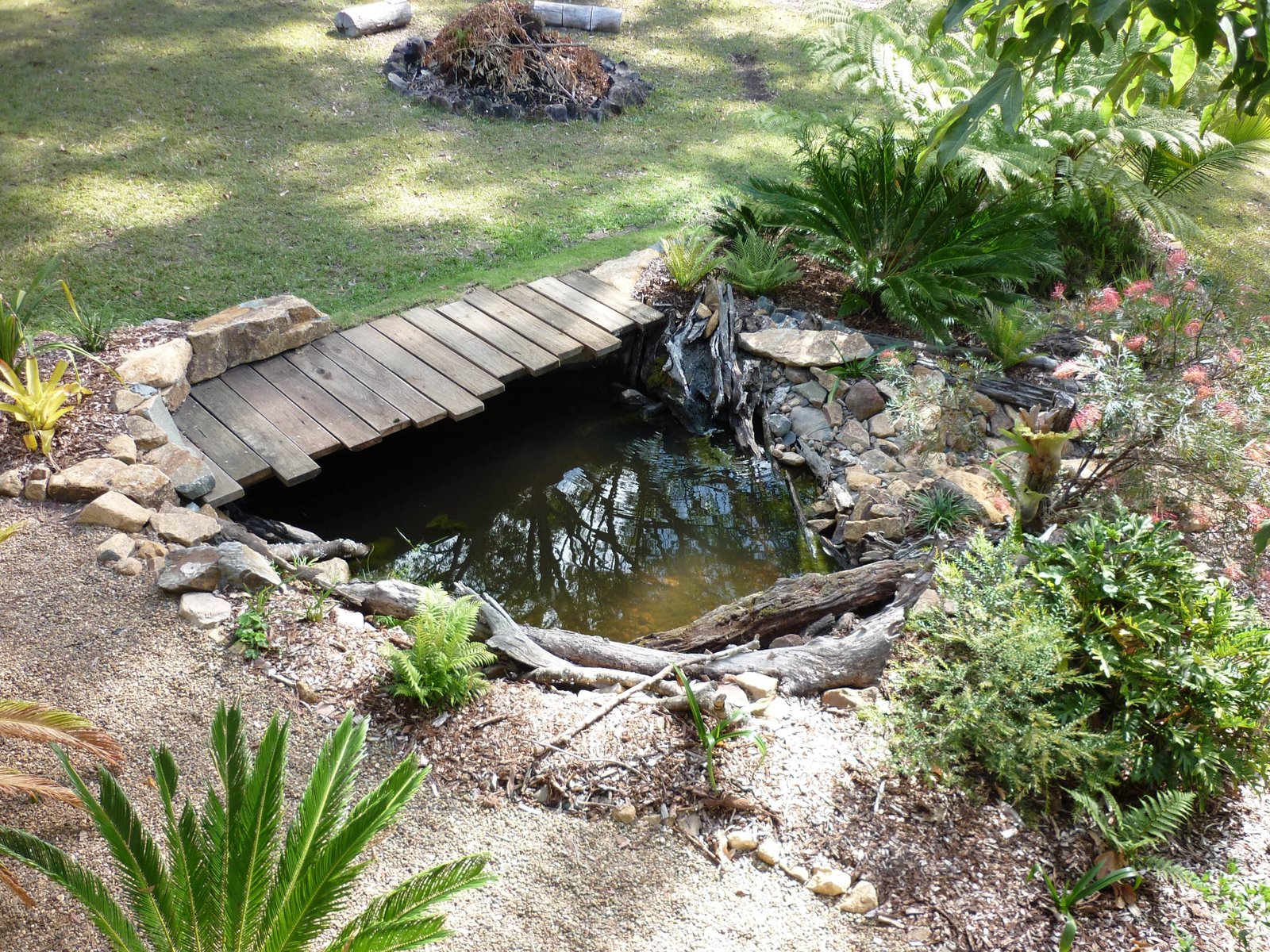
A small in-ground pond might include:
- A very shallow edge for insects and birds.
- A planted shelf for marginal plants.
- A deeper central area that stays cooler.
- A gentle exit route for animals that fall in.
The exact depth depends on climate, intended wildlife, freezing conditions, and local safety requirements.
Make Every Edge Escape-Friendly
Wildlife can drown in steep-sided water features. Provide rough stones, branches, planted shelves, or purpose-built ramps so small animals can climb out.
In a container pond, place a rough branch or stacked stones from the water surface to the rim. Make sure the structure is stable and cannot trap animals.
For an in-ground pond, slope at least one edge gradually rather than making every side vertical.
How to Build a Simple Lined Wildlife Pond
Step 1: Mark the shape
Use a hose or rope to outline the pond. Simple curves are easier to line than complicated narrow shapes.
Step 2: Dig shelves and a deeper zone
Remove soil gradually. Keep shelves broad enough to hold plant baskets or stones securely.
Step 3: Remove sharp objects
Stones, roots, glass, and building debris can puncture a liner.
Step 4: Add underlay
Use pond underlay or another material recommended by the liner manufacturer to protect the membrane.
Step 5: Install the liner
Lay the liner loosely so it can settle into corners as water is added. Do not stretch it tight.
Step 6: Fill slowly
Add water in stages and adjust folds. If using tap water, local water treatment may affect sensitive aquatic life. Allowing water to stand and using appropriate water conditioners may be recommended depending on local supply.
Step 7: Finish the edge
Hide liner edges with stable stones, soil, or planting while preventing surrounding soil from washing directly into the pond.
Choose Pond Plants for Function, Not Just Appearance
A balanced small pond benefits from several plant roles.
Marginal plants
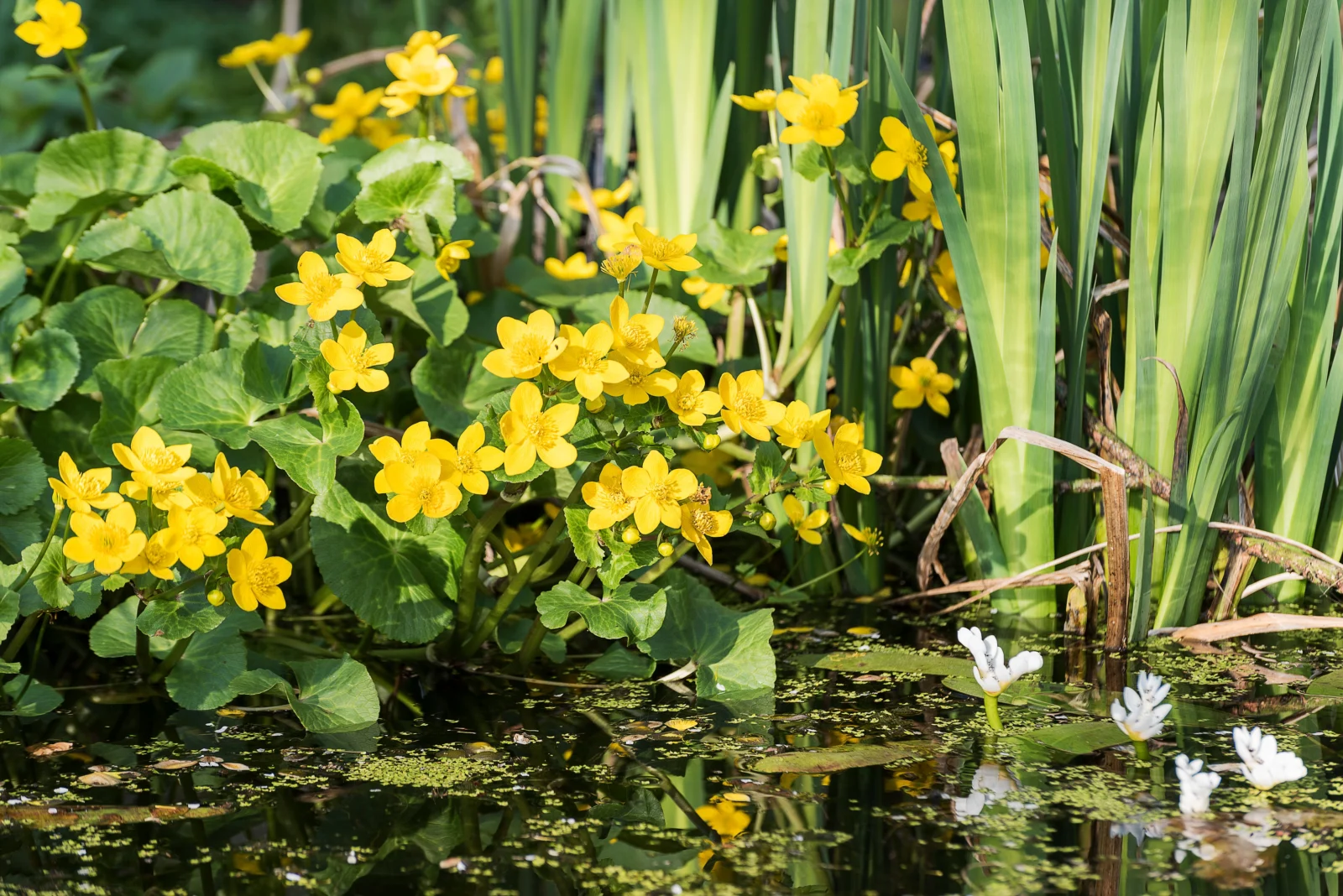
These grow at the wet edge or in shallow water and provide cover.
Floating-leaved plants
Leaves on the water surface create shade and reduce excessive light penetration.
Submerged plants
These grow under water and provide structure for aquatic life. Their value varies by species and climate.
Choose plants that are native or non-invasive in your region. Aquatic plants can spread easily through waterways, so never release unwanted pond plants into natural water.
Local native-plant societies, extension offices, and conservation agencies can help identify suitable species.
Avoid Invasive Aquatic Plants
A plant sold for ponds is not automatically safe everywhere. Some aquatic plants become serious invasive species when fragments escape into streams or wetlands.
Before buying:
- Check your regional invasive-species list.
- Buy from reputable nurseries.
- Know the scientific name.
- Dispose of unwanted plants in trash or compost only when locally recommended.
- Never dump pond contents into natural waterways.
Do You Need a Pump or Filter?
A wildlife pond does not always need mechanical filtration. A well-planted pond with reasonable nutrient levels can function without a pump.
However, pumps can improve circulation in ornamental systems or where stagnant water is a concern. If you use one, protect wildlife from intake suction with a suitable guard.
A fountain may make the pond attractive to people but can disturb some quiet-water wildlife. Decide whether habitat or decorative movement is the priority.
How to Manage Mosquitoes
People often worry that a wildlife pond will become a mosquito nursery. Healthy ponds with predators can support dragonfly larvae and other organisms that consume mosquito larvae, but small stagnant containers can still produce mosquitoes.
Reduce mosquito risk by:
- Designing a balanced pond rather than an unplanted bucket.
- Removing small accidental containers of stagnant water nearby.
- Encouraging aquatic predators.
- Using circulation where appropriate.
- Following local mosquito-control guidance if larvae become a problem.
Do not add pesticides or chemicals casually. Products can harm the same aquatic insects you are trying to support.
Do Not Add Fish Automatically
Fish can eat mosquito larvae, but they also consume amphibian eggs, tadpoles, aquatic insects, and other wildlife. A pond designed for frogs and invertebrates may support more biodiversity without fish.
Never release aquarium fish into natural waterways. In many regions, escaped ornamental fish can become invasive.
Keep Nutrient Levels Low
Excess nutrients can trigger algae. Common sources include fertilizer runoff, lawn clippings, decomposing leaves, fish food, and rich soil washing into the pond.
Prevent nutrient buildup
- Do not fertilize directly beside the pond unless plants require it and runoff is controlled.
- Remove large amounts of fallen leaves.
- Do not overfeed fish if fish are present.
- Keep lawn clippings out.
- Use aquatic planting media rather than loose rich compost where appropriate.
What to Do About Algae
Some algae is normal. A new pond often goes through green-water phases while plants establish.
Before buying an algaecide, check the causes:
- Too much direct sun.
- Very few aquatic plants.
- Excess nutrients.
- Large amounts of decomposing material.
Manually remove string algae where practical and allow plants time to grow. Chemical algaecides can affect wildlife and should not be the first response in a habitat pond.
Use Rainwater Carefully
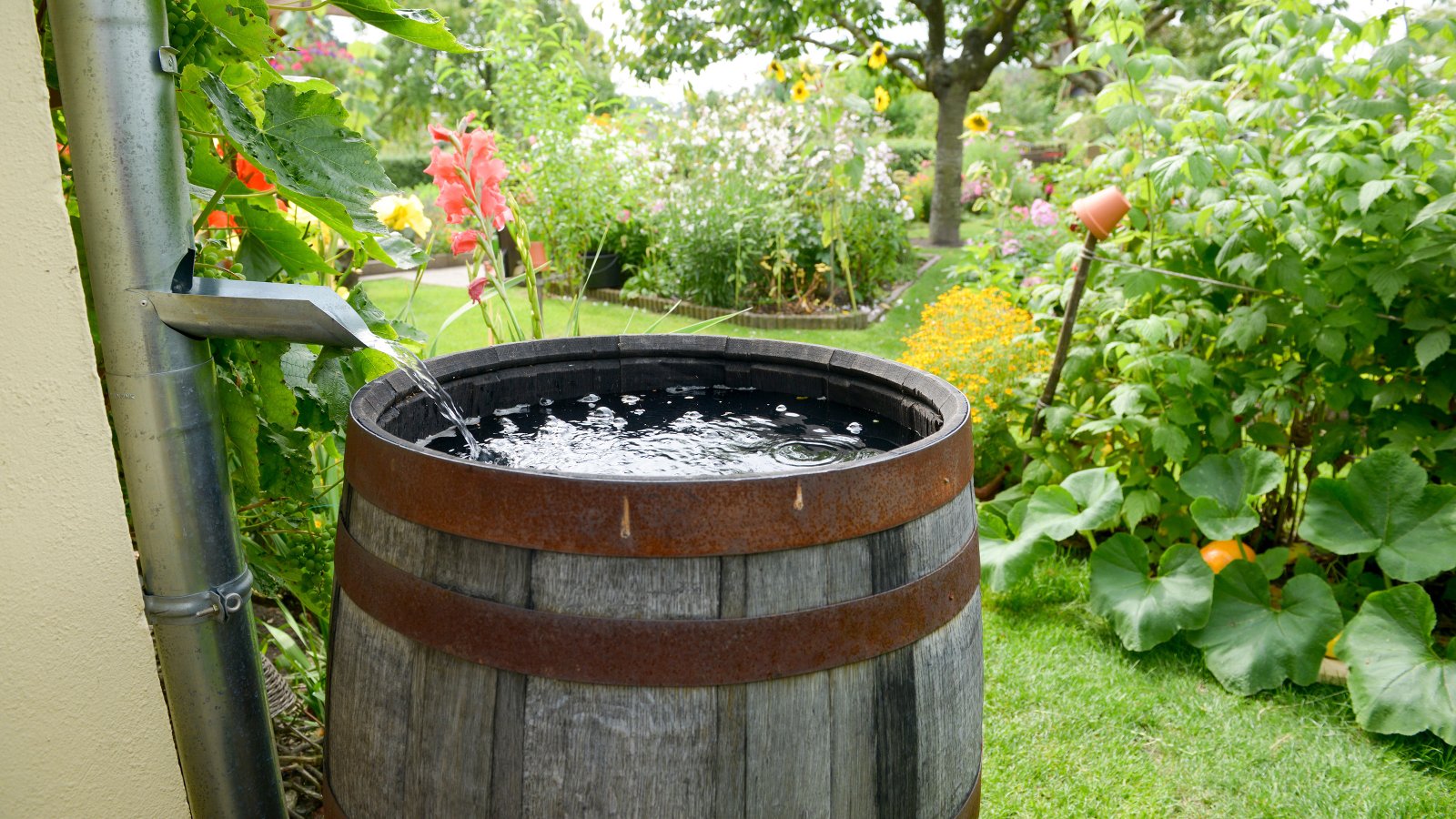
Rainwater can help top up a pond, but roof runoff may contain contaminants depending on roofing, gutters, bird droppings, and air quality. Direct rainfall is simpler than stored roof runoff.
If using collected roof water, check local guidance and understand your roof materials. Do not add visibly dirty or contaminated water.
What About Tap Water?
Tap-water chemistry varies. Chlorine may dissipate with time, while chloramine is more persistent. If your local water uses disinfectants that can affect aquatic life, follow local water-provider or aquarium guidance for safe treatment.
For routine topping up, adding small amounts slowly can reduce sudden changes in temperature and chemistry.
Create Habitat Around the Pond
The water itself is only part of the habitat. Wildlife also needs shelter nearby.
Add:
- Native grasses and flowering plants.
- Low shrubs.
- Rocks with gaps.
- A small log pile where appropriate.
- Leaf litter in managed corners.
A pond surrounded by diverse planting is more useful than one isolated in a large paved area.
Use Lighting Carefully
Bright landscape lights beside water can disrupt nocturnal insects and amphibians. If lighting is needed for safety, use low-intensity, shielded fixtures and turn them off when not required.
Seasonal Maintenance
Spring
- Remove obvious winter debris.
- Check liner edges.
- Divide aggressive plants if needed.
- Leave enough cover for wildlife.
Summer
- Top up water gradually.
- Watch for algae and mosquito larvae.
- Thin plants if the surface becomes fully covered.
- Keep nearby fertilizer out of the pond.
Autumn
- Remove excessive fallen leaves.
- Leave some stems and habitat around the edge.
- Check overflow before heavy seasonal rain.
Winter
- Follow regional guidance for frozen ponds.
- Avoid smashing ice violently because shock can disturb aquatic life.
- Protect pumps according to manufacturer instructions.
Real-World Example: A One-Meter Wildlife Pond
A gardener has a small back corner that receives morning sun and afternoon shade. They mark a pond roughly one meter across, with a shallow sloping edge and a deeper center.
After checking utilities, they dig the pond, install underlay and liner, and fill slowly. Flat stones secure the shallow edge, and a rough branch gives additional escape access.
They plant two locally appropriate marginal species and one floating-leaved plant. No fish are added. The surrounding bed contains native flowers and grasses.
During the first month, green algae appears. Instead of adding chemicals, the gardener removes excess string algae by hand and waits for plants to establish. By midsummer, dragonflies visit regularly and birds drink from the shallow edge.
The pond remains simple because the gardener focused on habitat rather than equipment.
Wildlife Pond Checklist
- Check local safety rules.
- Locate underground utilities.
- Choose part sun where possible.
- Create shallow access and escape routes.
- Use a reliable liner or safe container.
- Select non-invasive aquatic plants.
- Avoid unnecessary fish.
- Keep fertilizer and clippings out.
- Manage mosquitoes through habitat and local guidance.
- Remove excess leaves.
- Provide nearby shelter.
- Use night lighting sparingly.
Frequently Asked Questions
How small can a wildlife pond be?
Even a large watertight container can provide useful water habitat if it has safe access, plants, and mosquito management. Larger ponds are usually more temperature-stable.
Do I need fish to control mosquitoes?
No. Fish can reduce mosquitoes but may also eat other wildlife. A balanced fish-free pond can support aquatic predators such as dragonfly larvae.
Should a wildlife pond have a fountain?
Not necessarily. A fountain can add oxygen and movement but may disturb species that prefer calm water. Choose based on your goals.
How do frogs find a new pond?
If frogs live in the surrounding area and can reach your garden, they may discover suitable habitat on their own. Do not move wild amphibians from other sites without local guidance.
Can I use tap water?
Yes in many situations, but local disinfectants and water chemistry matter. Add gradually and follow local recommendations if sensitive aquatic life is present.
Is algae always bad?
No. Some algae is a natural part of pond ecology. Excessive algae can signal too much light or nutrients, but a completely sterile pond is not the goal.
Conclusion: Build Habitat, Then Let the Pond Mature
A good wildlife pond is not defined by expensive pumps or perfect clear water. It is defined by safe access, varied depth, appropriate plants, low nutrient pollution, and connection to the rest of the garden.
Start small. Choose a safe location, make at least one shallow exit, keep invasive plants out, and avoid adding fish unless they fit your specific goal. Surround the pond with flowers, grasses, rocks, and shelter.
Expect the pond to change during its first year. Algae may appear, plants will expand, and different wildlife will visit at different times. Maintain it lightly rather than constantly resetting it.
With good design and patience, a small pond can become one of the most active and useful habitat features in the garden.