A water-efficient garden does not mean a dry garden. The goal is to give plants the water they need while losing less to evaporation, runoff, leaks, overspray, and poor timing. In many home gardens, the biggest savings come from simple changes: fixing irrigation problems, grouping plants by need, improving soil, adding mulch, and checking moisture before watering.
This matters in dry climates, but it is also useful in places with regular rain. Water is still a resource, and unnecessary irrigation can create plant problems such as root stress, fungal disease, nutrient loss, and weak growth.
This guide shows how to make an existing garden more water-efficient without replacing every plant or installing an expensive system. You will learn how to audit your current watering, improve soil, reduce evaporation, choose irrigation methods, adjust for seasons, and decide where drought-tolerant planting makes sense.
Start With a Water Audit, Not New Equipment
Before buying drip lines, smart controllers, or rain barrels, observe where water is going now. A simple audit often reveals the largest opportunities.
The EPA WaterSense program recommends efficient outdoor water use and regular irrigation-system checks. That principle applies to gardens of every size.
Check these areas first
- Leaking hose connections and fittings.
- Sprinklers watering paths, fences, or driveways.
- Drip emitters that are blocked or missing.
- Low spots where water runs and collects.
- Containers that drain straight onto pavement.
- Automatic watering that runs after rain.
- Different plant types sharing one irrigation schedule.
Write down what you find. The best water-saving plan starts with actual waste, not assumptions.
Group Plants by Similar Water Needs
One of the hardest gardens to irrigate efficiently is a mixed bed where thirsty vegetables, drought-tolerant perennials, young shrubs, and containers all receive the same amount of water.
Instead, create practical watering zones. Plants in each zone should have broadly similar needs.
| Zone | Typical Plants | Watering Approach |
|---|---|---|
| High-use zone | Vegetables, new transplants, fruiting annuals | Frequent moisture checks and targeted irrigation |
| Moderate-use zone | Established mixed borders | Deep watering when root zone dries |
| Low-use zone | Adapted drought-tolerant plants | Less frequent irrigation after establishment |
| Containers | Potted herbs, flowers, vegetables | Separate checks because pots dry faster |
You do not need separate plumbing for every group. Even manual watering becomes more efficient when you stop treating the whole garden as one zone.
Improve Soil So Water Moves and Stays Where Roots Need It
Healthy soil helps water enter, spread, drain, and remain available to roots. Both very sandy and heavily compacted soils can waste water, but for opposite reasons.
Sandy soil
Water can move through it quickly. Organic matter can improve water-holding capacity and nutrient retention.
Compacted or clay-rich soil
Water may enter slowly and run off before soaking in. Avoid working wet soil, reduce foot traffic, and build organic matter gradually. If drainage is severely poor, correct the physical problem rather than simply watering less.
The USDA Natural Resources Conservation Service emphasizes soil cover, organic matter, living roots, and reduced disturbance as important soil-health practices.
Use Mulch to Reduce Evaporation
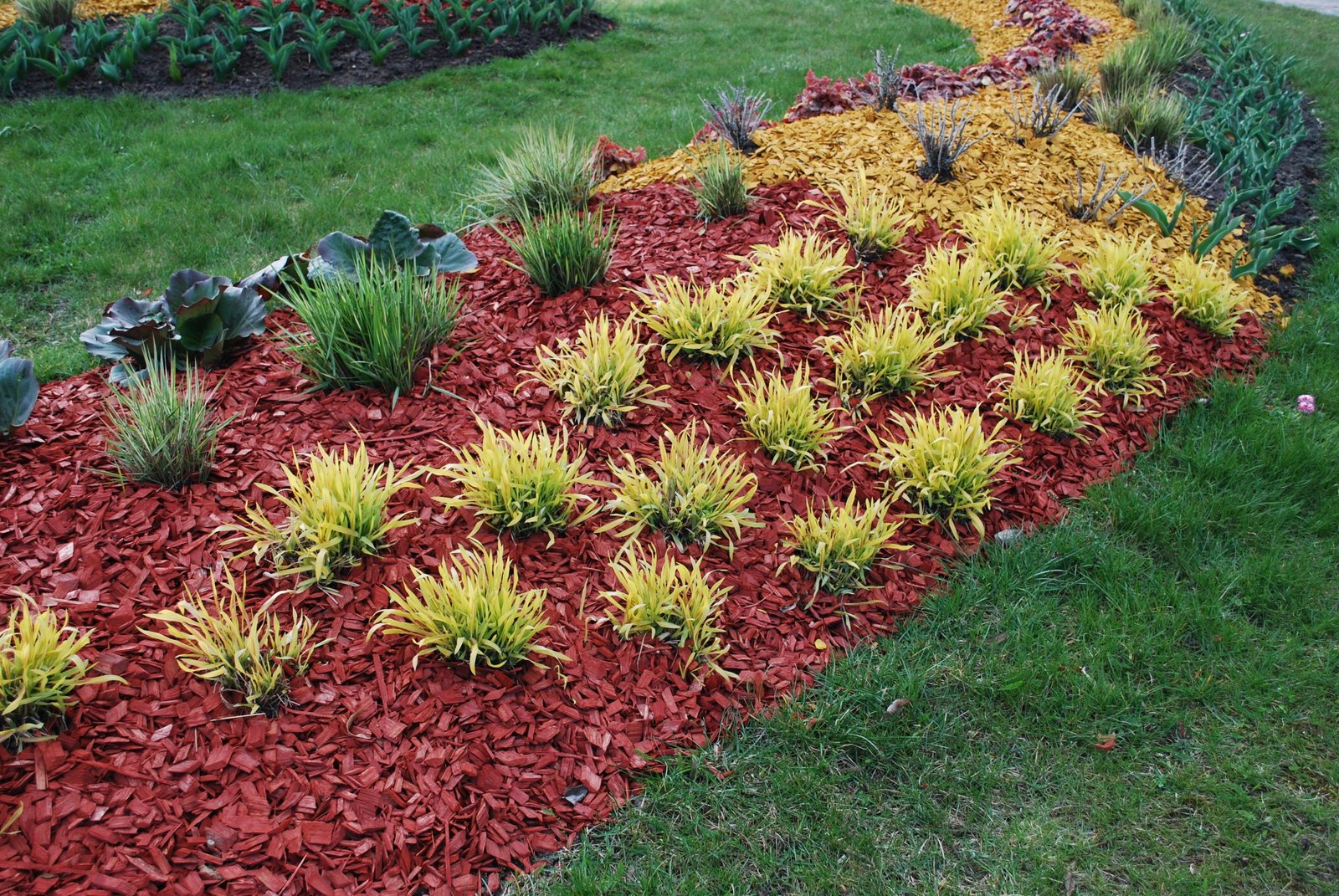
Mulch shades the soil surface, reduces direct evaporation, slows weed growth, and can reduce soil splash onto leaves.
Useful organic mulches include shredded leaves, clean straw, composted bark, and wood-based materials suited to the planting area.
Apply mulch correctly
- Water dry soil before covering it.
- Spread mulch evenly rather than piling it in thick mounds.
- Keep mulch away from direct contact with stems and trunks.
- Check below the mulch before watering again.
- Refresh only when the layer has broken down or thinned.
Too much mulch can keep crowns wet or prevent light rain from reaching soil efficiently. Use enough to cover the surface, not enough to bury plants.
Choose Targeted Irrigation Where It Helps
Drip irrigation
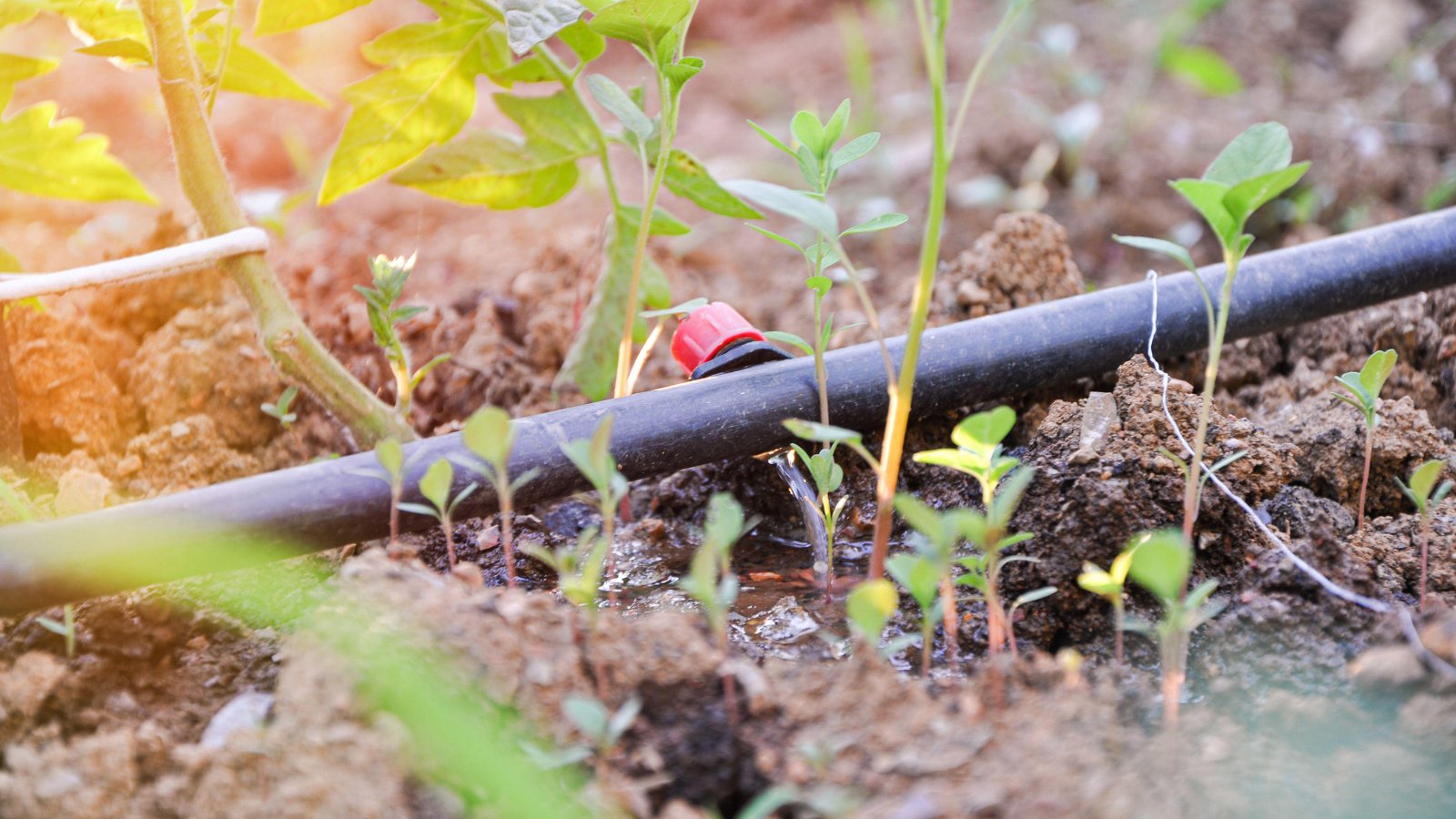
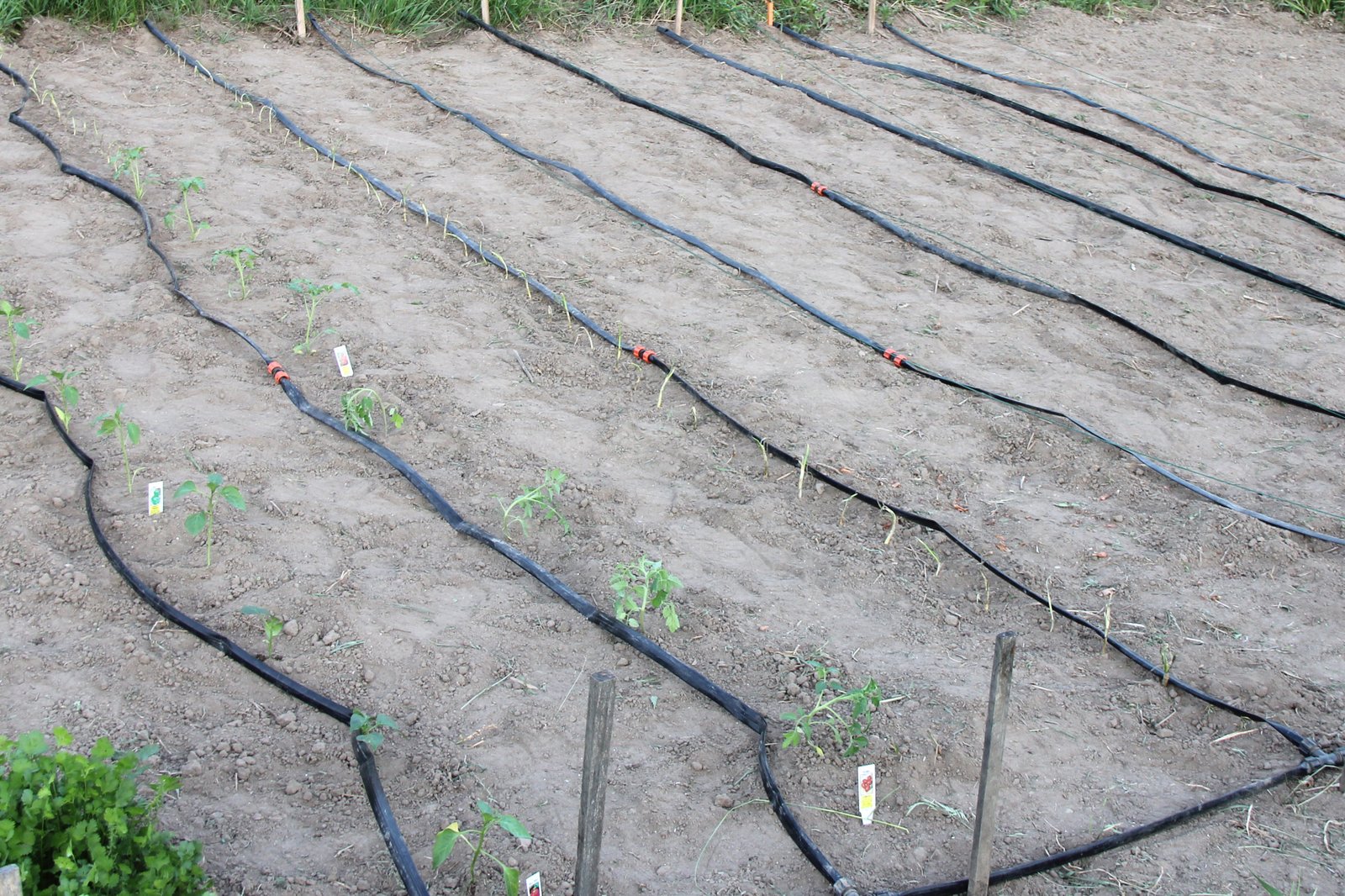
Drip lines and emitters place water close to root zones. They work well in vegetable beds, shrub borders, and rows. Their main weakness is that blocked emitters are easy to miss, so inspect them regularly.
Soaker hoses
These can be useful in simple beds. Water pressure and hose length affect distribution. Check soil along the line rather than assuming every section gets equal water.
Hand watering
A watering wand is efficient in small gardens if you water slowly at the soil rather than spraying leaves and paths. The challenge is consistency. Time how long it takes to wet the root zone so you do not stop after only dampening the surface.
Sprinklers
Sprinklers are useful for lawns, newly seeded areas, and some larger beds, but wind and evaporation can reduce efficiency. Aim them carefully and avoid watering hard surfaces.
Water More Deeply and Less Automatically
Many gardens are watered too often but not deeply enough. A short daily sprinkle may wet only the surface. Established plants can then develop shallow roots that dry quickly.
Deep watering means applying enough water to wet the active root zone. The exact depth depends on the plant. Seedlings need moisture near the surface. Established shrubs have deeper roots.
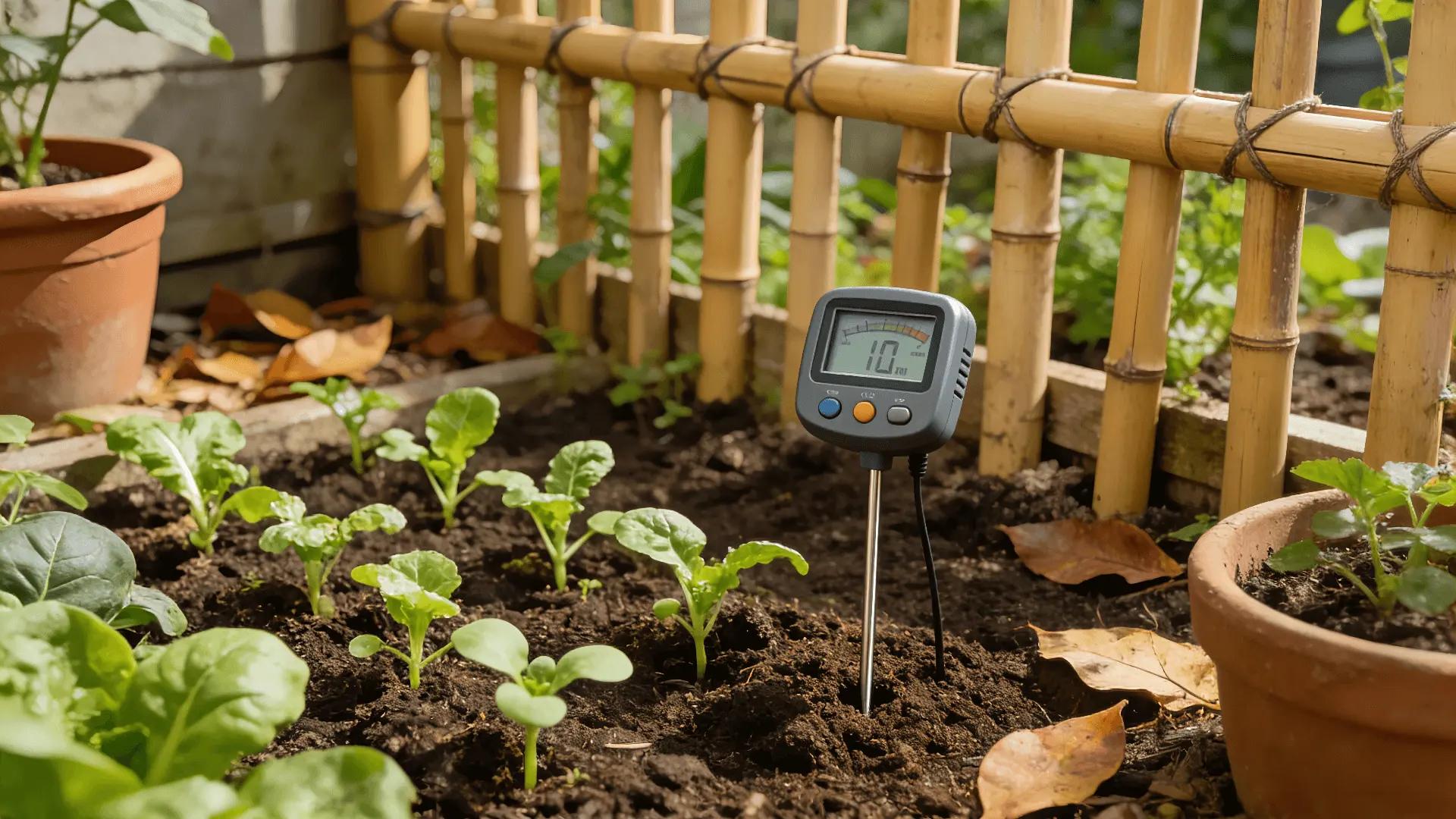
Use a simple moisture check
- Water the area at your normal rate.
- Wait for water to move into the soil.
- Use a trowel to inspect moisture below the surface.
- Note how deep the wet zone extends.
- Adjust duration or flow next time.
This test is more useful than blindly following a timer because soil type, water pressure, mulch, and plant size all change the result.
Water at a Practical Time of Day
Morning is usually a good choice because temperatures are cooler and wind may be lower. Plants also have access to water before midday heat.
That does not mean you should let a severely dry plant wilt until morning. If a plant needs water now, water it. Efficiency should support plant health, not override it.
When overhead irrigation is necessary, morning watering can help foliage dry sooner than late-night watering in humid climates.
Use Rainfall Before Irrigation
Automatic systems should not run simply because the calendar says so. After useful rainfall, check the root zone before starting irrigation.
A rain gauge is inexpensive and helps you understand how much rain actually reached the garden. Tree canopies, roof overhangs, and nearby walls can create surprisingly dry pockets even after a storm.
If you have a smart controller or rain shutoff device, test it periodically. Technology does not remove the need to inspect the soil.
Capture Rainwater Where It Is Legal and Practical
A rain barrel can collect roof runoff for ornamental beds or other suitable uses, depending on local rules and roof materials. Local regulations and food-garden safety guidance vary, so check before using roof water on edible crops.
Keep rainwater systems covered to reduce mosquitoes and debris. Include overflow that directs excess water away from foundations.
Rainwater harvesting works best as one part of a broader plan. A small barrel will not supply a large vegetable garden through a long dry period, but it can reduce treated-water use for containers and small beds.
Choose Plants That Fit the Site
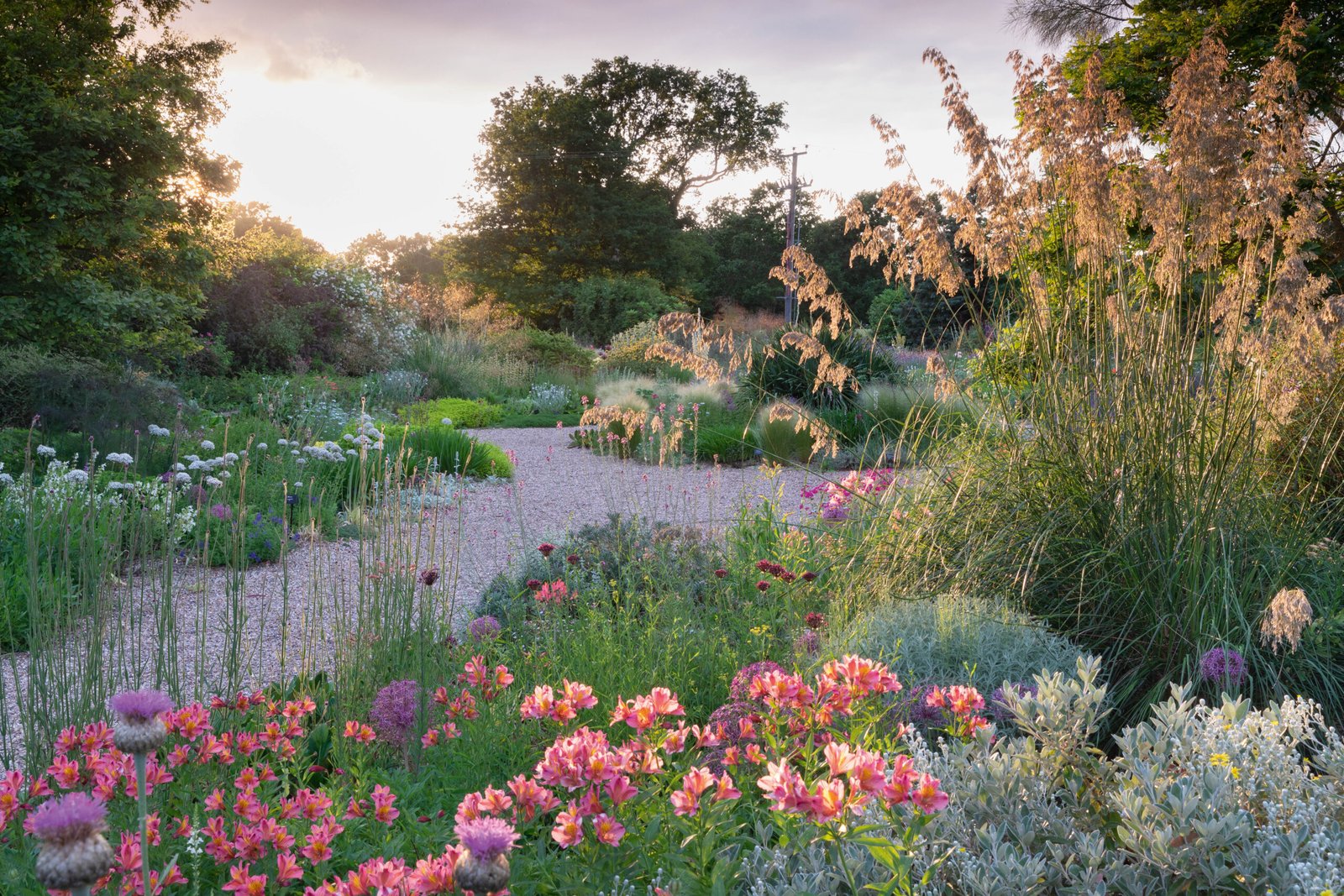
Water efficiency improves when plants are matched to sun, soil, climate, and available moisture. A plant that constantly struggles in a hot, dry site may require more water and care than one naturally suited to those conditions.
Native and regionally adapted plants can be useful, but “native” does not automatically mean drought-tolerant. Wetland natives may need moist soil. Choose based on the plant’s actual habitat and the conditions in your garden.
Local botanic gardens, extension offices, and organizations such as the Xerces Society provide plant lists that can help you select regionally appropriate options.
Reduce Lawn Where It Uses More Water Than You Want to Provide
Lawns can be useful for play, pets, walking, and open space. The goal is not to remove all grass. Instead, ask whether every lawn area has a purpose.
A narrow strip beside a fence, a steep slope, or an unused front corner may be easier to manage as a mulched planting bed, meadow-style area, groundcover, or hardscape.
When replacing lawn, choose plants suited to the site and plan weed control first. A poorly planned conversion can become more work than the original lawn.
Manage Containers Separately
Containers lose water faster because they have limited soil volume and exposed sides. A water-efficient in-ground schedule may leave pots dry.
Improve container efficiency
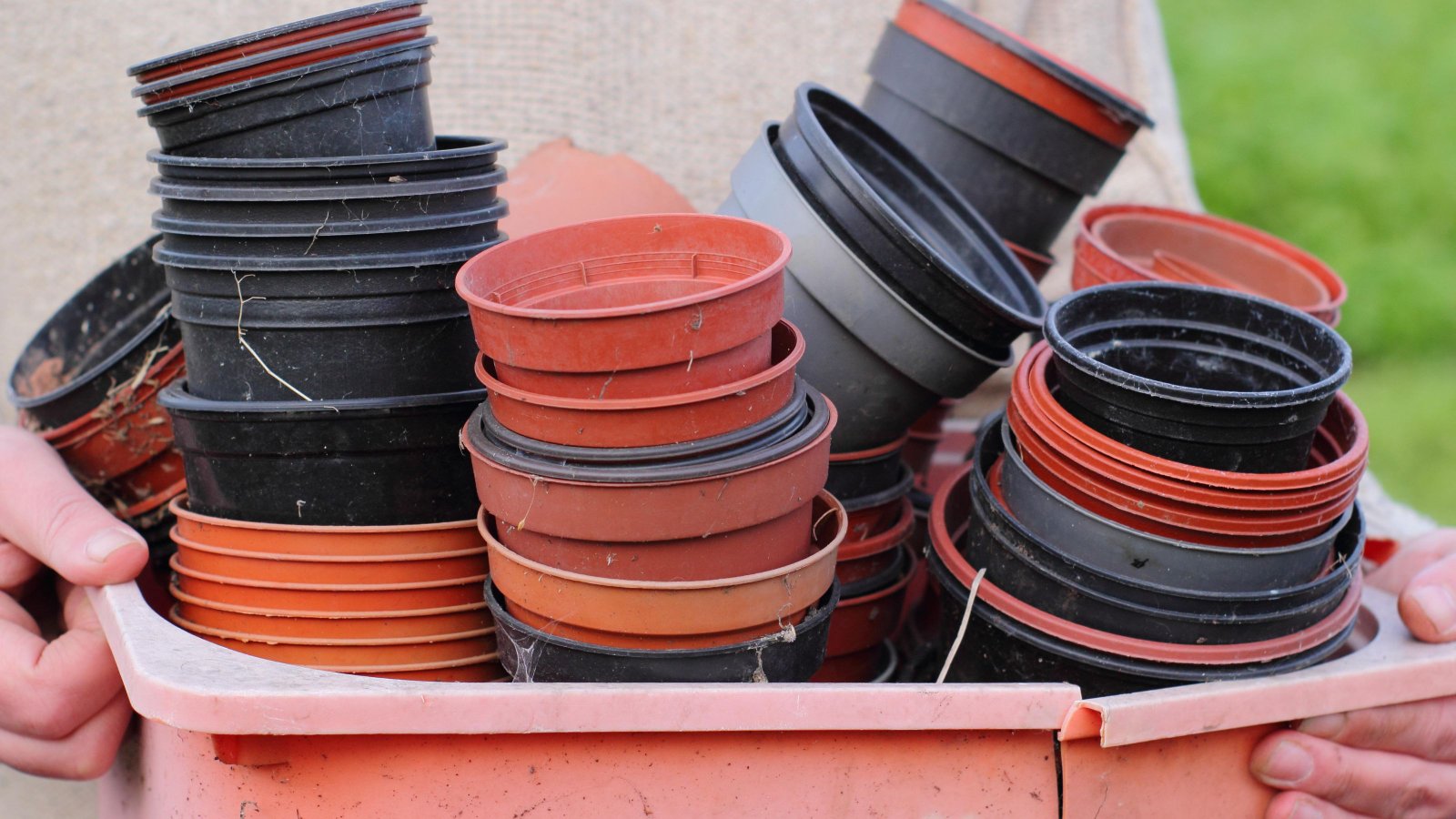
- Use pots large enough for mature root systems.
- Choose a quality potting mix that holds moisture while draining well.
- Group containers where practical.
- Move sensitive pots out of harsh afternoon sun if light needs allow.
- Add a thin mulch layer to large containers.
- Use saucers only where standing water will not damage roots or create mosquitoes.
Self-watering containers can work well, but they still need correct filling and occasional inspection.
Control Weeds Early
Weeds compete with garden plants for water. Small weeds are much easier to remove than established plants with deep roots.
Check beds frequently and remove weeds before they flower. Mulch and dense planting can reduce new weed growth, but neither eliminates it completely.
Use Shade Strategically During Extreme Heat
Temporary shade cloth can reduce stress on young transplants and cool-season crops during severe heat. It should reduce harsh sun without blocking all useful light.
Place shade high enough for airflow. Remove it when the heat event ends if the crop normally needs full sun.
Shade is not a substitute for water. A dry root zone still needs irrigation.
Fix Runoff Instead of Increasing Watering Time
If water runs off a slope or compacted bed, a longer irrigation cycle may simply waste more water.
Try cycle-and-soak watering:
- Apply water for a shorter period.
- Pause so it can soak in.
- Apply another short cycle.
- Check the root zone.
On slopes, contour planting, terraces, swales, or other landscape design may improve infiltration. Use appropriate erosion-control guidance for larger sites.
Adjust Irrigation by Season
A schedule that works in July may be wasteful in April or October. Plant size, temperature, daylight, rainfall, and wind all change water demand.
| Seasonal Change | Likely Adjustment |
|---|---|
| Cool spring | Check before watering; soil may stay moist longer |
| Hot summer | Check more often and water deeply when needed |
| Rainy period | Pause automatic irrigation |
| Autumn cooling | Reduce frequency as evaporation slows |
| Winter dormancy | Water only where climate and plant type require it |
Real-World Example: Cutting Water Waste in a Mixed Backyard
A homeowner has a lawn, two vegetable beds, a shrub border, and twelve containers. Everything is watered with one sprinkler for 20 minutes every morning.
The first change is an audit. The homeowner discovers that the sprinkler waters a patio and misses part of the vegetable bed. Several containers are still dry after the cycle, while the shrub border remains wet for days.
They divide the garden into zones. The lawn keeps sprinkler irrigation but runs less often and more deeply. Vegetable beds receive drip lines. Shrubs are watered separately only when the deeper soil begins to dry. Containers are checked by hand.
Mulch is added to the vegetable and shrub beds. A rain shutoff is tested. Two unused lawn corners become planted beds with adapted perennials.
No single change is dramatic, but together they reduce waste while plants receive more appropriate moisture.
Water-Efficient Garden Checklist
- Repair leaks and broken emitters.
- Stop watering hard surfaces.
- Group plants by water need.
- Improve soil organic matter where needed.
- Use mulch correctly.
- Check moisture below the surface.
- Water deeply rather than automatically every day.
- Pause irrigation after useful rain.
- Adjust schedules by season.
- Choose plants suited to the site.
- Manage containers separately.
- Remove weeds before they become large.
Frequently Asked Questions
Does drip irrigation always save water?
It can, but only if designed and maintained correctly. A leaking line, blocked emitter, or excessively long run time can still waste water.
How often should a water-efficient garden be watered?
There is no single number. Check root-zone moisture and adjust for soil, weather, mulch, plant type, and establishment stage.
Is gravel better than organic mulch for saving water?
Both can reduce evaporation, but they behave differently. Gravel stores heat and is difficult to modify later. Organic mulch also breaks down and contributes organic matter. Choose based on climate and plant needs.
Should drought-tolerant plants never be watered?
No. Newly planted drought-tolerant species need regular establishment watering. Mature plants may need much less, depending on climate and species.
Can I water vegetables with collected rainwater?
It depends on roof material, storage, local regulations, and food-safety guidance. Check local recommendations before using roof runoff on edible crops.
Do smart irrigation controllers replace soil checks?
No. They improve scheduling but cannot see every blocked emitter, dry pocket, or plant-specific problem. Inspect the garden regularly.
Conclusion: Make Every Watering Decision More Intentional
A water-efficient garden is built through many small decisions. Fix leaks first. Group plants by need. Improve soil structure, keep it covered, and use targeted irrigation where it makes sense.
Then stop treating the timer as the final authority. Check moisture, respond to rainfall, and adjust for seasonal changes. Give young plants enough water to establish, then reduce irrigation as their root systems mature if the species allows.
You do not need to convert the whole landscape at once. Start with the area that wastes the most water, make one practical improvement, measure the result, and move to the next zone. Over time, the garden becomes easier to water and healthier because each plant receives moisture based on its real needs.