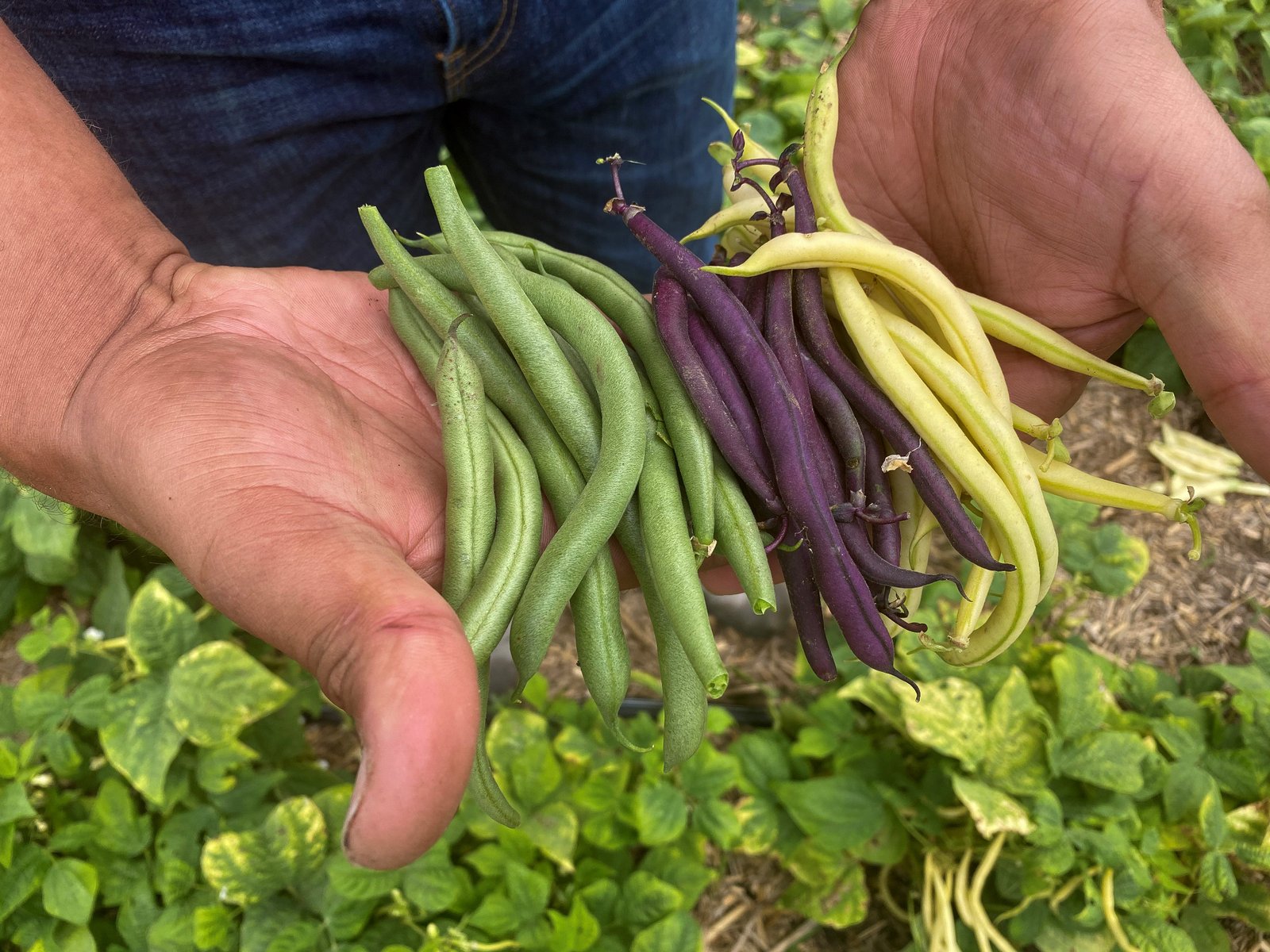
Green beans are one of the easiest vegetables to sow directly in the garden. Seeds are large, seedlings grow quickly, and plants begin producing within two months. The main decision is whether to grow bush beans or pole beans.
Bush beans stay compact and produce most of their crop within a few weeks. Pole beans climb 2 to 3 meters and continue producing for months if you harvest regularly. Both need warm soil, full sun, and consistent moisture during flowering and pod development.
This guide explains how to grow green beans from seed, including variety selection, planting depth, spacing, trellising, watering, fertilizer, common pests and diseases, and the best time to harvest tender pods.
Bush Beans vs Pole Beans
| Feature | Bush Beans | Pole Beans |
|---|---|---|
| Height | 40–60 cm | 2–3 m |
| Support | None needed | Trellis required |
| First harvest | 45–55 days | 55–70 days |
| Harvest period | 2–3 weeks | 6–8 weeks |
| Best for | Small beds, succession planting | Vertical gardens, long harvests |
Bush beans are easier for beginners. Pole beans produce more food from less ground space.
The Royal Horticultural Society vegetable-growing resources provide general guidance for beans and other home vegetables.
When to Plant Green Beans
Beans are warm-season plants and do not tolerate frost. Wait until soil temperatures reach at least 16°C (60°F) and nights stay above 10°C (50°F).
Plant one to two weeks after the last frost. Cold wet soil causes seeds to rot before germination.
For continuous bush bean harvests, sow a new row every two to three weeks until eight weeks before your first expected fall frost.
Step 1: Choose a Sunny Location
Beans need six to eight hours of direct sun for good flowering and pod production.
Choose soil that drains well. Beans tolerate average fertility and often grow poorly in heavily fertilized beds because excess nitrogen creates leaves instead of pods.
Step 2: Prepare the Soil
Loosen soil 15 to 20 centimeters deep and mix in 2 to 5 centimeters of finished compost.
Beans prefer soil pH between 6.0 and 7.0.
Do not add fresh manure before planting. Excess nitrogen delays flowering and increases disease.
Step 3: Plant Bean Seeds Directly
Beans dislike root disturbance, so direct sowing is better than transplanting.
Bush beans
- Plant 2.5 centimeters deep.
- Space seeds 7 to 10 centimeters apart.
- Rows 45 to 60 centimeters apart.
Pole beans
- Plant 2.5 centimeters deep.
- Space seeds 10 to 15 centimeters apart.
- Plant along a trellis or teepee.
Water gently after planting and keep soil moist until seedlings emerge in 7 to 10 days.
Step 4: Install Pole Bean Support Before Planting
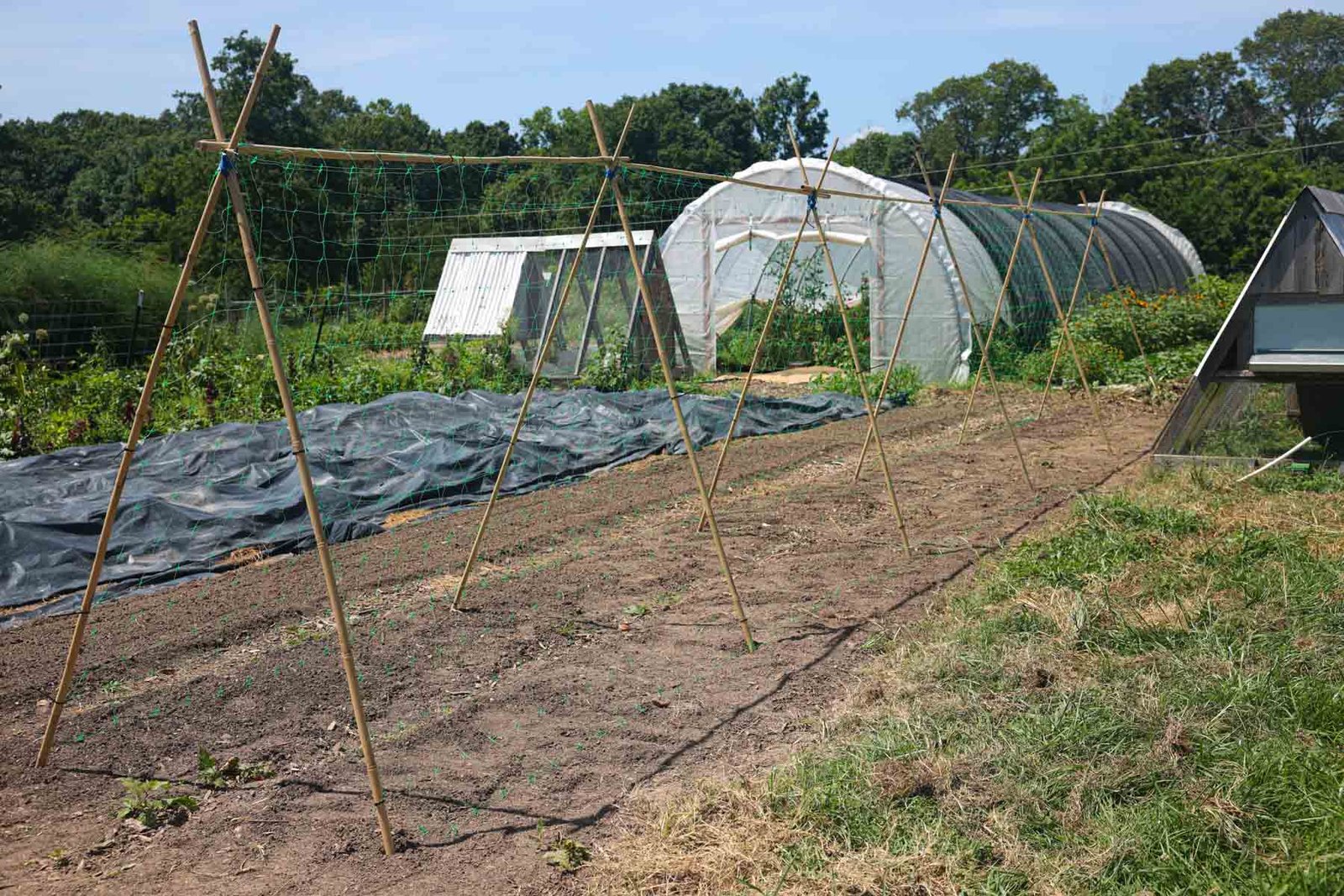
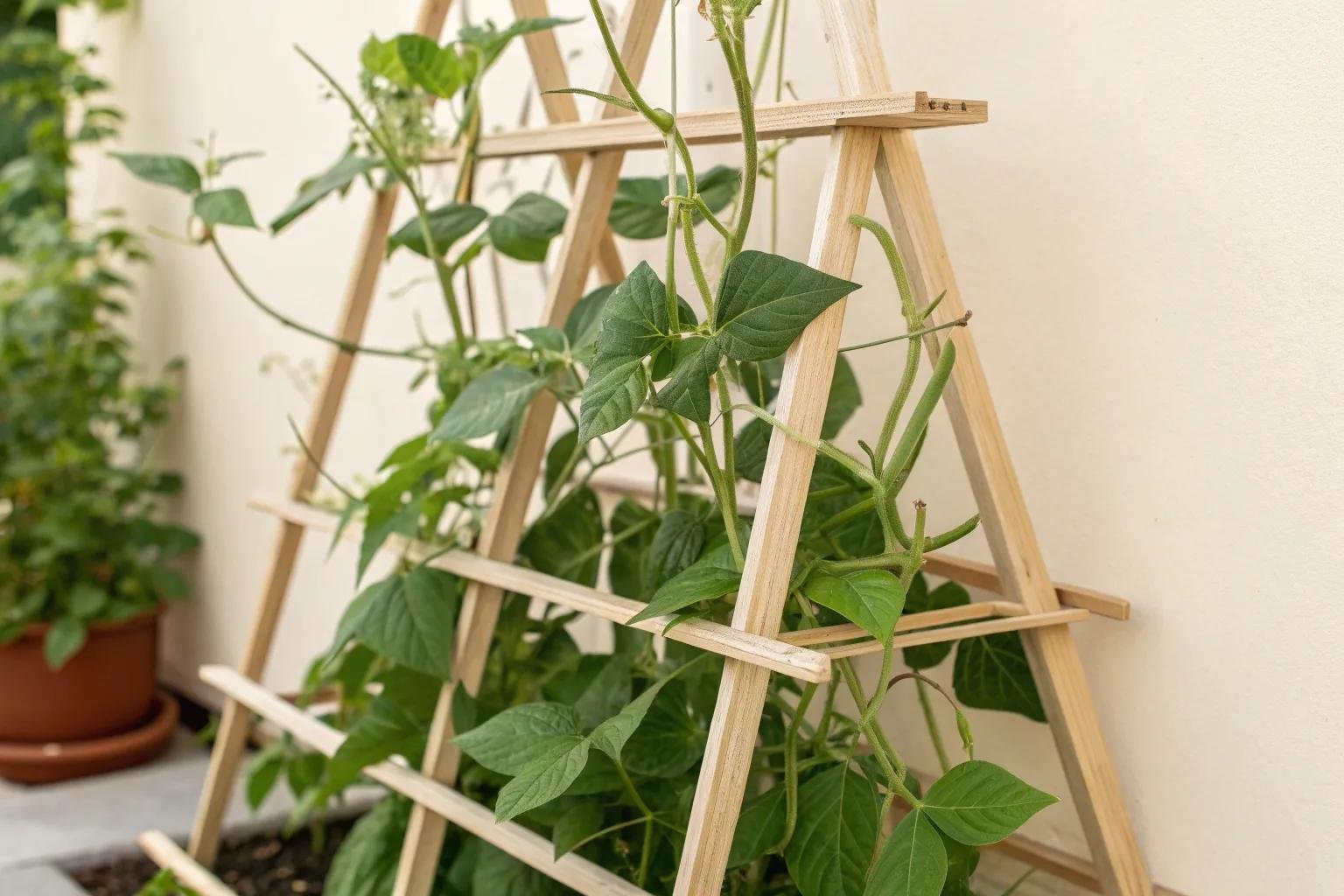
Pole beans climb by twining stems around supports. They need a strong trellis 2 to 2.5 meters tall.
Good options include:
- Bamboo teepees
- Cattle panels
- Wire fencing
- String trellises
- Wooden A-frames
Install support before planting to avoid damaging roots later.
Watering Green Beans
Beans need consistent moisture, especially when flowering and forming pods.
Water deeply when the top 3 to 5 centimeters of soil dry. Aim for about 2.5 centimeters of water per week, including rain.
Increase to 4 centimeters during hot weather.
Drip irrigation or soaker hoses keep leaves dry and reduce fungal disease.
Mulching Beans
Apply 5 to 8 centimeters of straw or shredded leaves after seedlings reach 10 centimeters tall.
Mulch keeps soil moisture stable and prevents soil from splashing onto leaves.
Keep mulch 5 centimeters away from stems to prevent rot.
Do Beans Need Fertilizer?
Beans are legumes and form a partnership with nitrogen-fixing bacteria in their roots. Healthy plants usually need little additional nitrogen.
If soil is poor, apply a balanced vegetable fertilizer at planting according to the label.
Do not use high-nitrogen lawn fertilizer.
Should You Inoculate Bean Seeds?
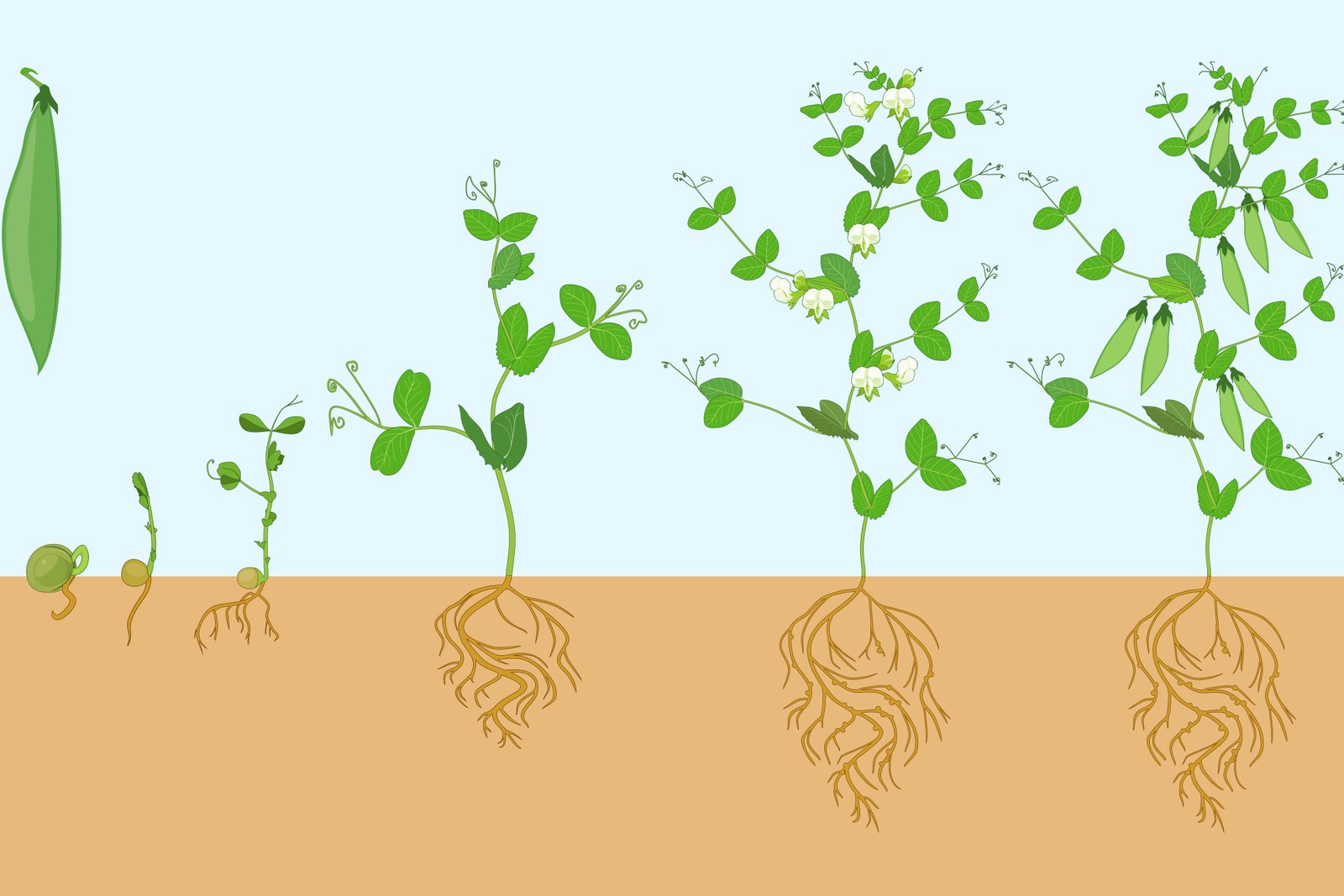
Bean inoculant contains Rhizobium bacteria that help roots form nitrogen-fixing nodules.
Inoculation is useful in new gardens where beans have never been grown. It is less important in established soil.
Coat damp seeds with inoculant immediately before planting.
Green Bean Flowers and Pollination
Bean flowers are self-pollinating and do not require bees to produce pods, though pollinators often visit them.
Flowers drop without pods when temperatures are extremely hot or plants are drought-stressed.
Keep soil evenly moist during flowering.
Common Green Bean Pests
Mexican bean beetles
Yellow-orange beetles with black spots chew leaves. Larvae look like yellow spiny blobs.
Hand-pick adults and crush yellow egg clusters under leaves. Row covers protect young plants before flowering.
Aphids
Small insects cluster on new growth. Spray with water or use insecticidal soap.
Spider mites
Tiny mites cause yellow stippling during hot dry weather. Increase watering consistency and rinse leaf undersides.
Cutworms
Larvae cut seedlings at soil level. Use cardboard collars around young plants.
Common Bean Diseases
Bean rust
Rust-colored spots appear on leaves. Improve airflow and avoid overhead watering.
Anthracnose
Dark sunken lesions develop on stems and pods. Use disease-free seed and rotate crops.
Bacterial blight
Water-soaked spots appear on leaves. Avoid working with wet plants and remove infected debris.
Mosaic virus
Leaves develop yellow-green patterns and become distorted. Remove infected plants and control aphids.
Why Bean Leaves Turn Yellow
Yellow leaves can result from:
- Overwatering
- Nitrogen deficiency in poor soil
- Root rot
- Spider mites
- Natural aging
Check soil moisture and inspect leaf undersides before adding fertilizer.
Growing Beans in Containers
Bush beans grow well in pots at least 30 centimeters deep.
Use a 20-liter container for three to four bush bean plants.
Pole beans need a 30-liter pot with a strong trellis.
Container beans dry quickly, so check moisture daily during hot weather.
How to Harvest Green Beans
Harvest pods while they are young and tender, before seeds bulge inside.
Most beans are ready when pods are 10 to 15 centimeters long.
Pick every two to three days during peak production. Regular harvesting encourages new flowers.
Use two hands: hold the stem with one hand and pull the bean gently with the other to avoid breaking branches.
When to Harvest Dry Beans
If you grow beans for dried seeds, leave pods on the plant until they turn brown and brittle.
Harvest before heavy rain to prevent mold.
Shell the beans and dry them for another one to two weeks before storage.
Real-World Example: Pole Beans on a Fence
A gardener has a narrow 60-centimeter strip along a sunny fence. Bush beans would take too much ground space, so they choose pole beans.
They attach nylon netting to the fence and plant eight seeds 15 centimeters apart.
By June, vines reach the top. Flowers appear in July, and the gardener harvests a handful of beans every other day for eight weeks.
The vertical crop produces more than 10 kilograms of beans from less than two square meters of ground.
Successive Planting for Bush Beans
Bush beans produce heavily for a short period. Plant small batches every three weeks for a longer harvest.
| Planting | Sow Date | Harvest Window |
|---|---|---|
| First | May 15 | July 1–20 |
| Second | June 5 | July 25–August 15 |
| Third | June 25 | August 15–September 5 |
Common Bean-Growing Mistakes
Planting in cold soil
Seeds rot before sprouting.
Overfertilizing
Too much nitrogen creates leaves instead of pods.
Letting plants dry during flowering
Flowers drop without setting beans.
Waiting too long to harvest
Pods become tough and plants stop producing.
Handling wet plants
Working among wet foliage spreads disease.
Green Bean Growing Checklist
- Choose bush or pole type.
- Wait for 16°C soil.
- Plant seeds 2.5 cm deep.
- Space bush beans 7–10 cm apart.
- Install trellis for pole beans.
- Provide 6–8 hours of sun.
- Water consistently.
- Avoid high-nitrogen fertilizer.
- Check for beetles weekly.
- Harvest every 2–3 days.
Frequently Asked Questions
How many beans does one plant produce?
A bush bean plant produces 0.25 to 0.5 kilograms of beans. Pole beans produce more over a longer period.
Can beans grow in partial shade?
They need at least six hours of sun for good production.
Why are my bean flowers falling off?
Heat above 32°C, drought stress, or excess nitrogen causes flower drop.
Do green beans need a trellis?
Bush beans do not. Pole beans require support.
Can I plant beans after peas?
Both are legumes and share some diseases. Rotate with unrelated crops when possible.
How long do bean seeds stay viable?
Properly stored bean seeds remain viable for three to four years.
Choose Bush or Pole Beans Based on How You Cook
The best type is not only about garden space. Think about harvest pattern. Bush beans are useful if you want one large batch for freezing, canning with a tested recipe, or a family meal. Pole beans are better if you prefer a smaller basket every few days for fresh cooking.
A gardener with limited time may prefer two short bush-bean rows planted three weeks apart. A gardener who checks the garden daily may get more value from pole beans because frequent picking keeps them productive.
Anchor Trellises for the Weight of Wet Vines
A pole-bean trellis that feels strong in May can fail in July. Mature vines carry hundreds of leaves and can become heavy after rain. Push posts deep into firm soil, brace lightweight frames, and inspect string or netting before vines reach the top.
Place the trellis where it will not shade sun-loving low crops unnecessarily. Leave room to reach both sides, because beans often hide behind foliage. A stable structure also prevents root disturbance caused by trying to repair supports late in the season.
When Bean Inoculant Is Worth Using
Inoculant is most useful when beans or closely related legumes have not been grown in the soil before, or when the bed contains new sterile growing media. In a long-established vegetable garden, compatible bacteria may already be present, so inoculant often makes less difference.
Do not treat inoculant as fertilizer. Beans still need phosphorus, potassium, micronutrients, water, and healthy soil structure. If plants are pale, first check drainage and root health. Pulling one mature plant at the end of the season can show whether nodules formed on the roots; active nodules are often pinkish inside.
How to Handle Flower Drop During Hot Weather
Beans may look healthy yet stop setting pods during extreme heat. If flowers fall when temperatures climb, keep the soil evenly moist and avoid adding high-nitrogen fertilizer. Use mulch to reduce rapid drying and wait for cooler conditions.
Do not assume a lack of pods means poor pollination. Common green beans are generally self-pollinating. Temperature and moisture stress are often more important. Once conditions improve, new flowers can begin setting normally.
Use Harvest Frequency to Control Pod Quality
A tender green bean should snap easily and have seeds that are still small. Once seeds bulge strongly inside the pod, texture becomes tougher. During peak production, check pole beans every day or two and bush beans every two to three days.
If you miss several pods, remove the overmature ones anyway. Leaving mature pods on a plant signals that seed production is succeeding and can reduce new flowering. Regular harvesting is one of the simplest ways to extend the crop.
Save Seed Only From Healthy Plants
If you grow an open-pollinated bean variety and want seed for next year, select pods from vigorous, disease-free plants. Let chosen pods dry fully on the vine when weather allows, then shell and dry the seeds further before storage.
Keep seed in a cool, dry, labeled container. Do not save seed from plants showing mosaic virus, serious bacterial disease, or unexplained poor growth. Some bean diseases can travel on seed.
End the Crop Cleanly
After production stops, remove heavily diseased vines and clean reusable supports. Healthy bean roots can be cut at soil level and left to decompose if there is no root disease concern. The remaining roots add organic matter and small channels to the soil.
Record the sowing date and first harvest. That simple information helps you decide whether next year’s crop should be planted earlier, later, or in smaller succession batches.
Conclusion: Warm Soil and Regular Harvests Create Productive Beans
Green beans are one of the simplest vegetables to grow directly from seed. Wait for warm soil, plant at the correct depth, and give plants full sun.
Bush beans provide quick harvests, while pole beans save space and produce for months. Keep soil evenly moist during flowering and avoid excess nitrogen.
Most importantly, harvest pods every few days. Regular picking keeps plants flowering and turns a small row into weeks of fresh beans.