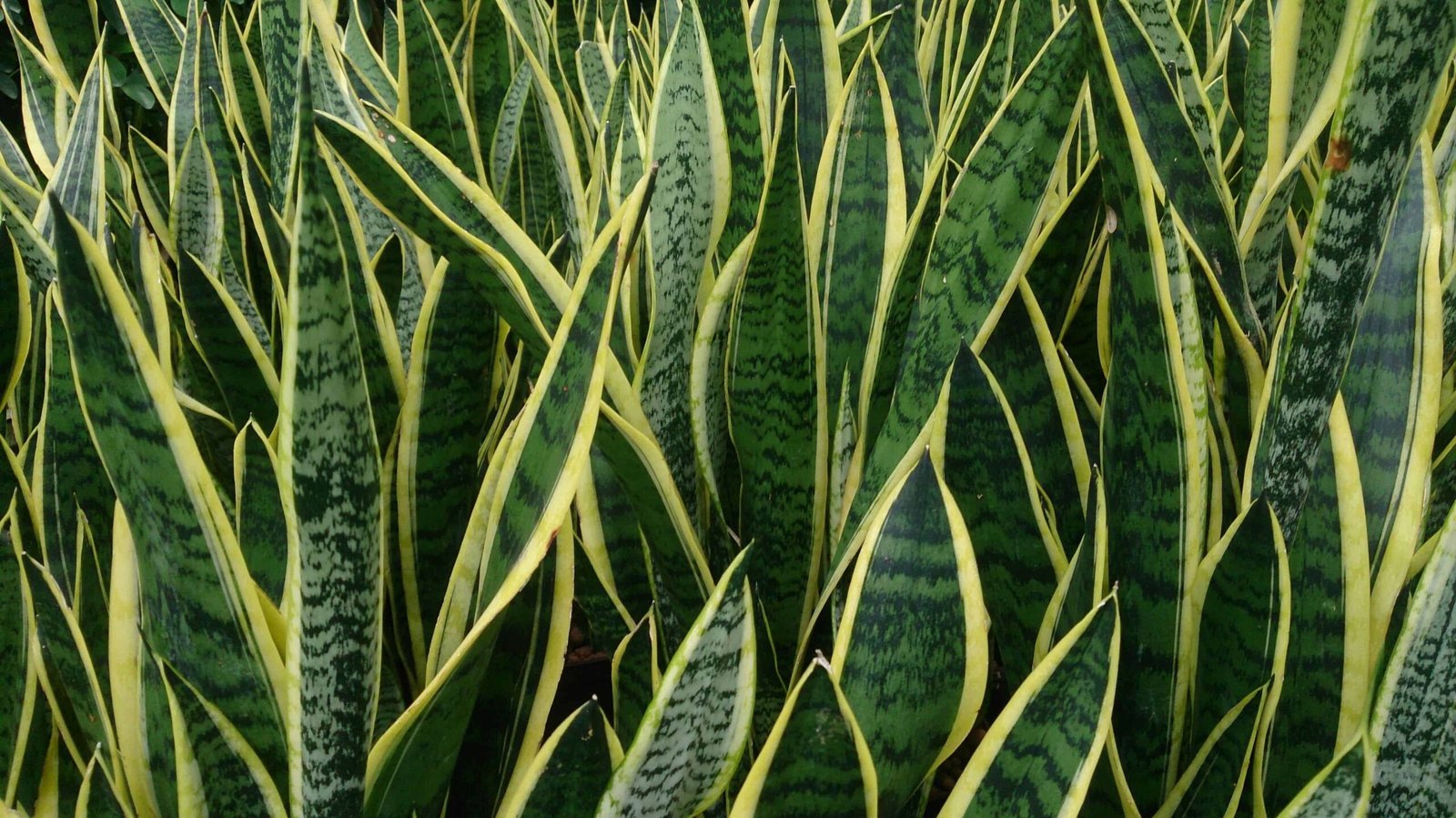
Snake plants are famous for surviving neglect, but “hard to kill” is not the same as “impossible to damage.” The most common problems come from a simple mismatch: the plant grows slowly in low indoor light, yet it is watered as often as a fast-growing tropical plant. The pot stays wet, roots lose oxygen, and leaves eventually soften or collapse.
Healthy snake plant care is based on restraint. Give the plant enough light to grow well, let the potting mix dry between waterings, use a container with drainage, and avoid placing it in an oversized pot. Once those basics are right, snake plants need little attention.
This guide covers light, watering, potting mix, fertilizer, repotting, propagation, and common snake plant problems such as curling leaves, brown tips, leaning growth, mushy bases, and a plant that seems to have stopped growing.
Snake Plant Basics
Snake plants were long classified in the genus Sansevieria and are now generally placed within Dracaena. You may still see both names on nursery labels.
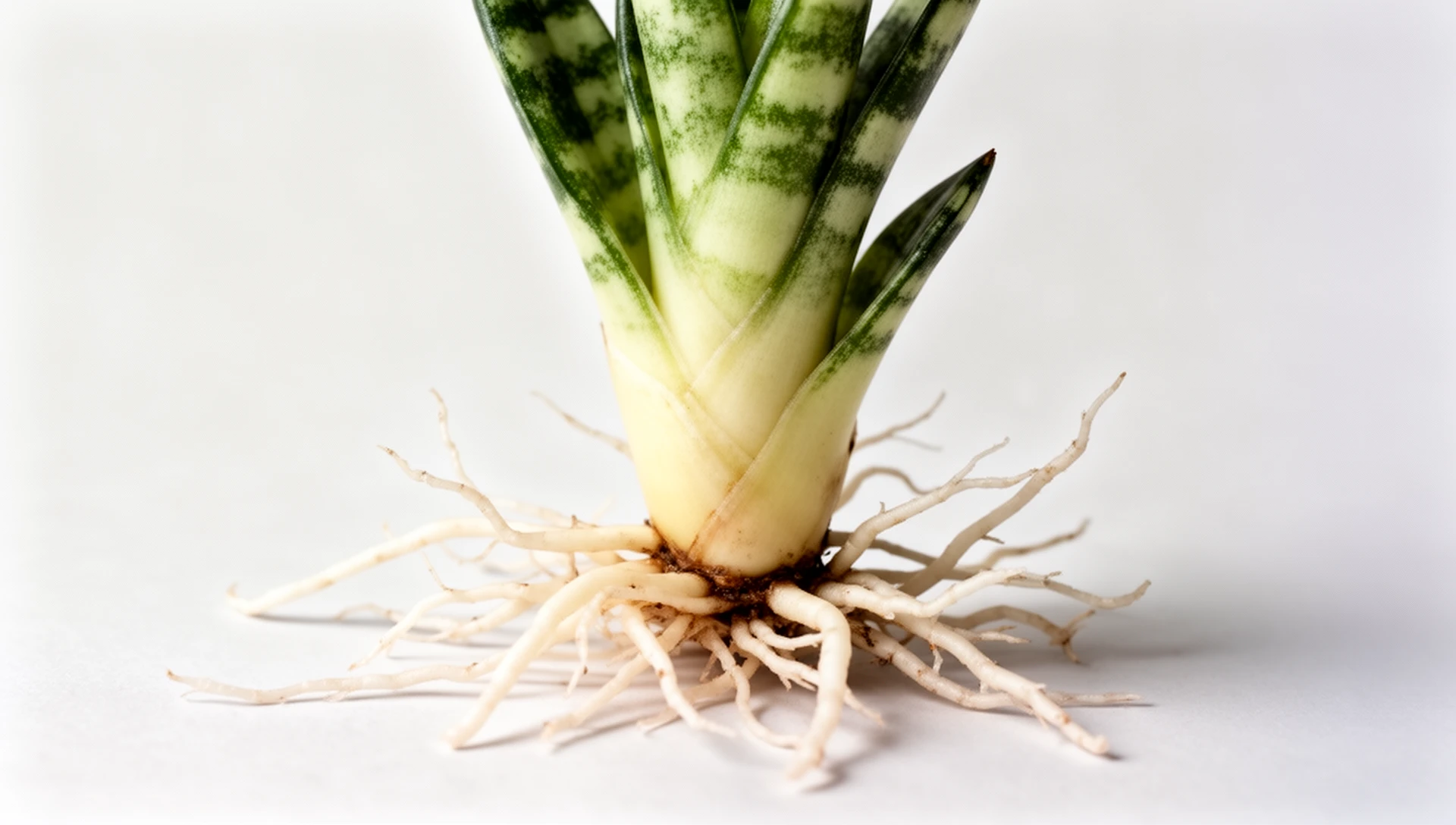
They store water in thick leaves and underground rhizomes. That storage helps them tolerate dry periods, but it also makes prolonged wet soil a major risk.
| Care Factor | Practical Starting Point |
|---|---|
| Light | Bright indirect light; tolerates lower light |
| Water | Allow mix to dry between waterings |
| Soil | Fast-draining potting mix |
| Pot | Drainage holes, not oversized |
| Temperature | Warm indoor conditions |
| Fertilizer | Light feeding during active growth |
The Royal Horticultural Society houseplant growing guide emphasizes matching watering and growing conditions to plant needs rather than using one routine for all indoor plants.
Best Light for Snake Plants
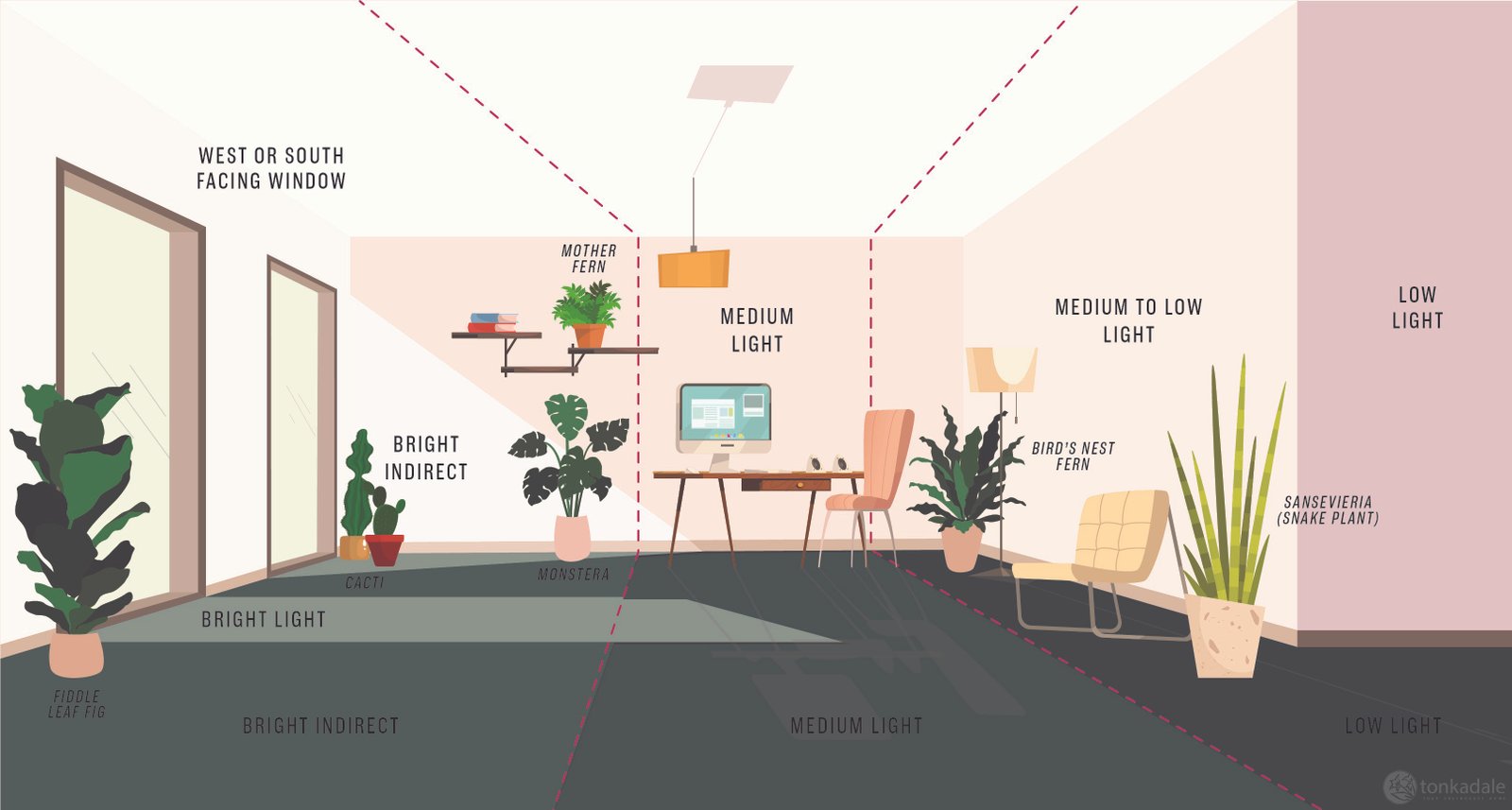
Snake plants tolerate low light better than many houseplants, but they usually grow faster and produce stronger leaves in bright indirect light.
A spot near an east-facing window or several feet from a bright south- or west-facing window works well for many varieties. Some direct morning sun is usually fine after acclimation.
Signs of too little light
- Very slow or no new growth
- Leaves leaning toward a window
- Variegated patterns becoming less distinct
- Potting mix taking a long time to dry
Signs of too much sudden sun
- Pale bleached patches
- Dry tan scorch marks
- Leaf edges burning on the window-facing side
Move a low-light snake plant to stronger sun gradually over one to two weeks.
How to Water a Snake Plant
Let most or all of the potting mix dry before watering again. How long that takes depends on light, temperature, pot size, pot material, and season.
- Check moisture several centimeters below the surface.
- Lift the pot and compare its weight with a recently watered pot.
- If the mix is dry, water thoroughly.
- Let excess water run from the drainage holes.
- Empty the saucer or cachepot.
- Do not water again until the mix dries.
A plant in bright summer light may need water every one to two weeks. The same plant in a cool winter room may go three or four weeks or longer. The calendar is not the deciding factor.
Why Snake Plants Rot So Easily
Snake plant roots and rhizomes are adapted to periods of dryness. When wet potting mix surrounds them continuously, oxygen levels fall and decay can begin.
Risk increases when:
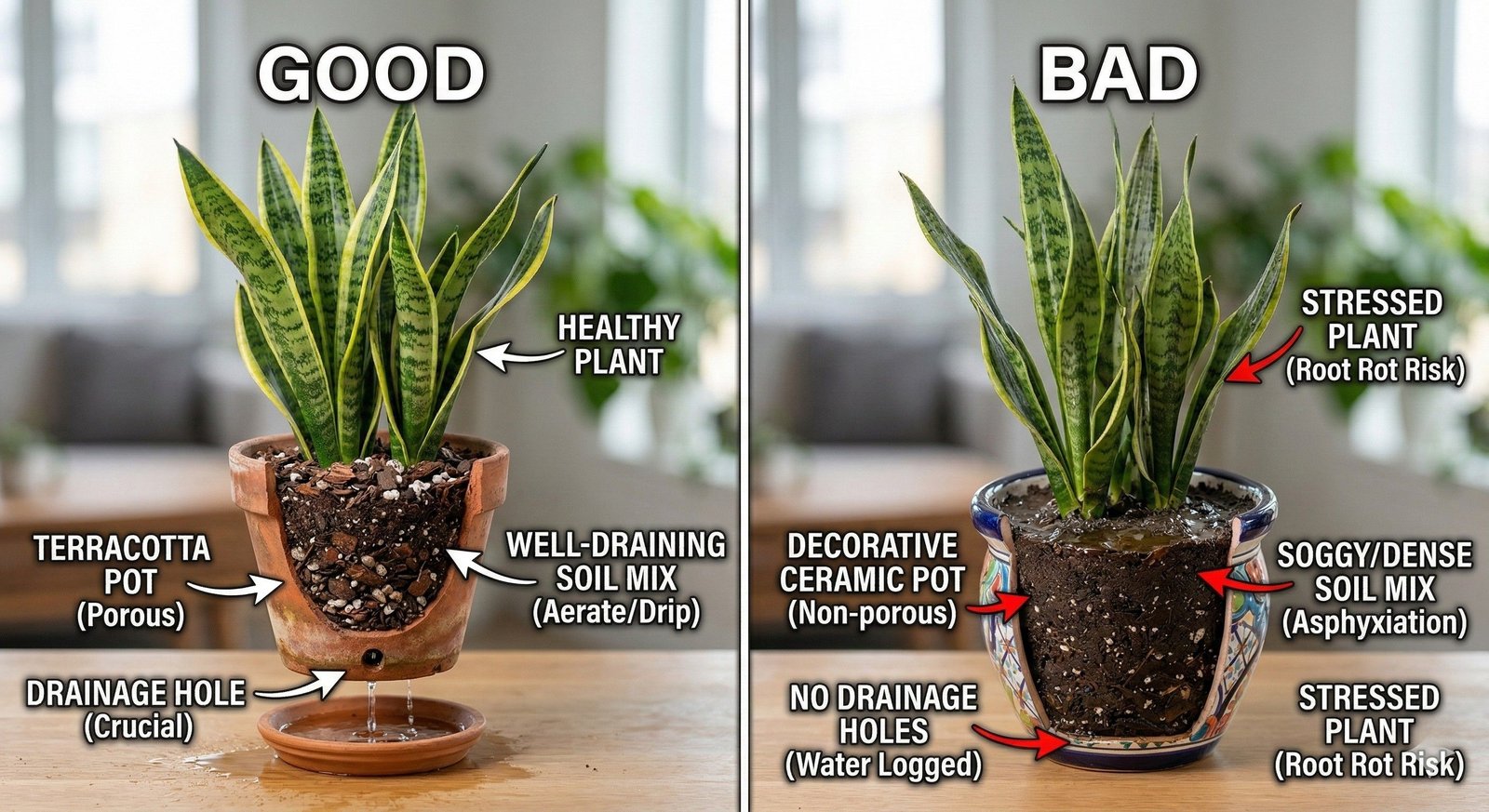
- The pot has no drainage.
- The plant sits in standing water.
- The container is much larger than the root system.
- The soil is dense and moisture-retentive.
- Light is very low.
- Temperatures are cool.
Fixing root rot means changing these conditions, not simply watering less for one week.
Best Soil for Snake Plants
Use a fast-draining mix. A commercial cactus or succulent blend is a useful starting point. You can improve airflow with coarse perlite, pumice, or fine orchid bark depending on the base mix.
Avoid dense garden soil in indoor pots. It can compact and hold too much water.
The mix should absorb water evenly but begin drying within a reasonable time after irrigation.
Choosing the Right Pot
Snake plants often prefer being slightly snug. Their rhizomes can even crack thin plastic pots when the plant becomes crowded.
Choose a pot only 2 to 5 centimeters wider than the root ball when repotting.
Terracotta
Terracotta dries faster and can be useful for gardeners who tend to overwater.
Plastic or glazed ceramic
These retain moisture longer. They work well if you check soil carefully before watering.
Drainage holes matter most
Pot material is secondary. A drainage hole gives you a safe way to water thoroughly.
When to Repot a Snake Plant
Snake plants do not need frequent repotting. Consider it when:
- Rhizomes are pushing against or breaking the pot.
- Roots fill the entire container.
- The plant becomes unstable and top-heavy.
- The potting mix has broken down and stays wet too long.
- Water runs straight around a dense root mass.
Spring and early summer are convenient times because growth is active.
How to Repot Step by Step
- Let the mix become mostly dry.
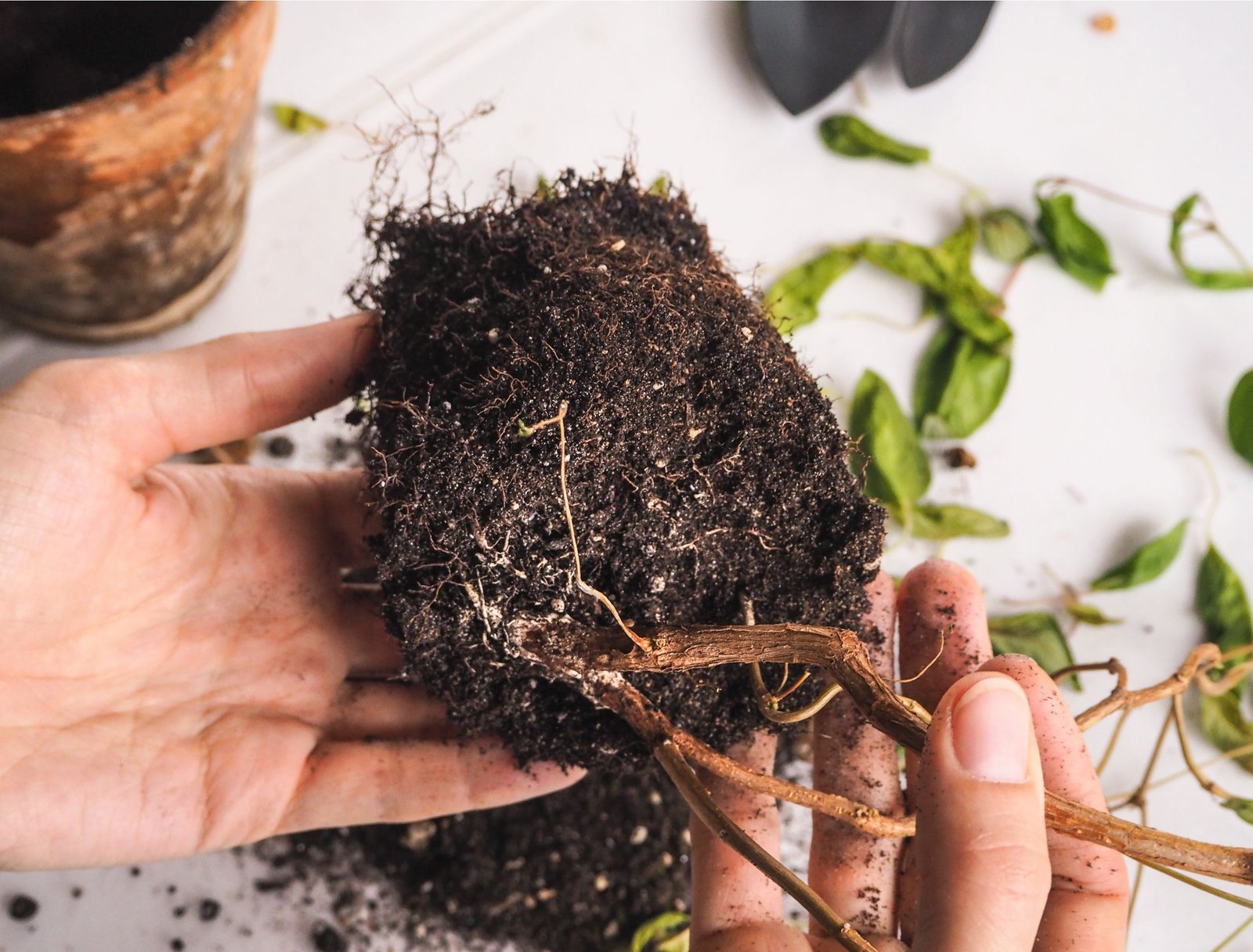
- Slide the root ball out gently.
- Inspect roots and rhizomes for soft dark tissue.
- Trim only rotten sections with a clean blade.
- Choose a pot slightly larger than the old one.
- Add fresh fast-draining mix.
- Place the plant at the same depth.
- Firm the mix lightly.
- Wait a few days before watering if roots were damaged; otherwise water according to the mix and plant condition.
Do not bury the leaf bases deeply.
How to Fertilize Snake Plants
Snake plants are light feeders. A balanced liquid houseplant fertilizer at half strength once a month during spring and summer is enough for many plants.
If growth is slow in winter, pause feeding. Fertilizer cannot compensate for low light.
Too much fertilizer can create salt buildup and brown leaf tips.
Why Your Snake Plant Is Not Growing
Slow growth can be normal, especially during winter. If there has been no new growth for many months, check:
- Light level
- Root health
- Pot size
- Temperature
- Whether the plant is severely root-bound
- Whether fertilizer has been absent for a very long time
Move the plant to brighter indirect light before increasing fertilizer.
Why Snake Plant Leaves Curl
Curling leaves can signal dehydration, root damage, cold stress, or pests such as thrips.
Check the soil first. If it is dry and the pot is light, water thoroughly. If the soil is wet and leaves are curling or soft, inspect roots.
Also inspect leaf folds and bases for insects.
Brown Tips on Snake Plants
Brown tips are usually permanent once they form. Common causes include:
- Long periods of drought
- Fertilizer salt buildup
- Physical damage
- Cold drafts
- Very hard water
- Low humidity combined with other stress
Trim only the dry brown part if appearance bothers you. Follow the natural leaf shape and avoid cutting deep into healthy tissue.
Mushy or Collapsing Leaves
Soft, translucent, or mushy leaf bases usually indicate excess moisture or cold damage.
If several leaves collapse near the soil line:
- Stop watering.
- Remove the plant from the pot.
- Inspect rhizomes and roots.
- Cut away black mushy tissue.
- Allow clean cuts to dry briefly.
- Repot healthy sections in dry fast-draining mix.
If only one leaf is damaged but the rhizome is firm, remove that leaf and correct watering.
Leaning Snake Plant Leaves
Leaves can lean because of low light, uneven growth, physical damage, or a crowded pot.
Rotate the pot a quarter turn every one to two weeks so light reaches all sides.
If one leaf is permanently bent or creased, it will not become straight again. You can leave it or cut it at the base.
How to Propagate Snake Plants by Division
Division is the fastest method and preserves variegation.
- Remove the plant from its pot.
- Find natural clusters connected by rhizomes.
- Cut the rhizome between clusters with a clean knife.
- Let cut surfaces dry for several hours.
- Pot each division in a small container.
- Wait a few days before watering if cuts are large.
How to Propagate Snake Plants From Leaf Cuttings
Cut a healthy leaf into 5- to 8-centimeter sections. Mark the bottom of each section because upside-down pieces may not root correctly.
Let cut ends dry for a day or two, then insert the bottom into moist succulent mix. Keep in bright indirect light and water sparingly.
Variegated varieties may lose their yellow or white margins when propagated from leaf cuttings. Use division if you want to preserve the exact pattern.
Snake Plant Pests
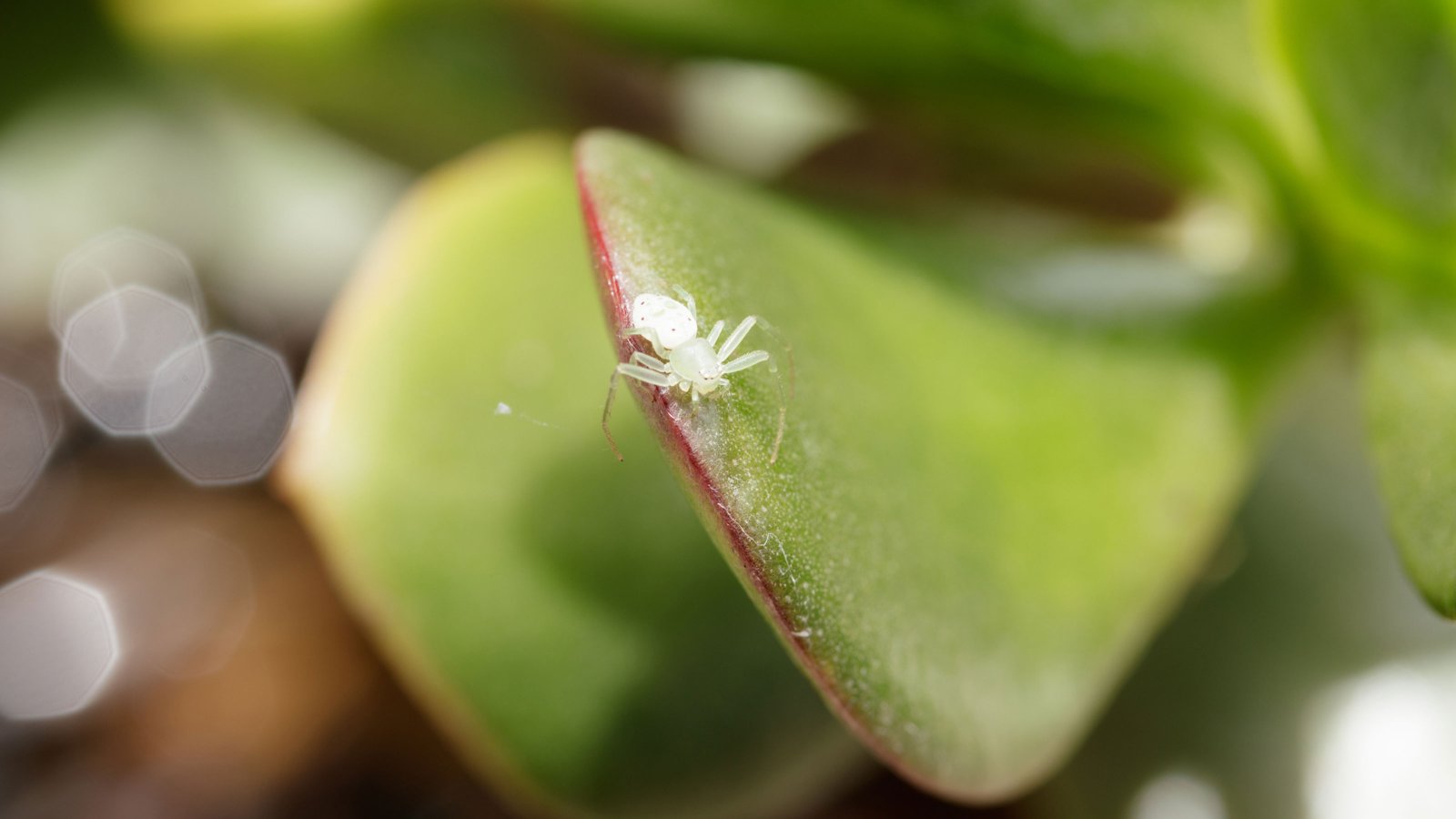
Snake plants can develop mealybugs, spider mites, and thrips, though they are generally pest resistant.
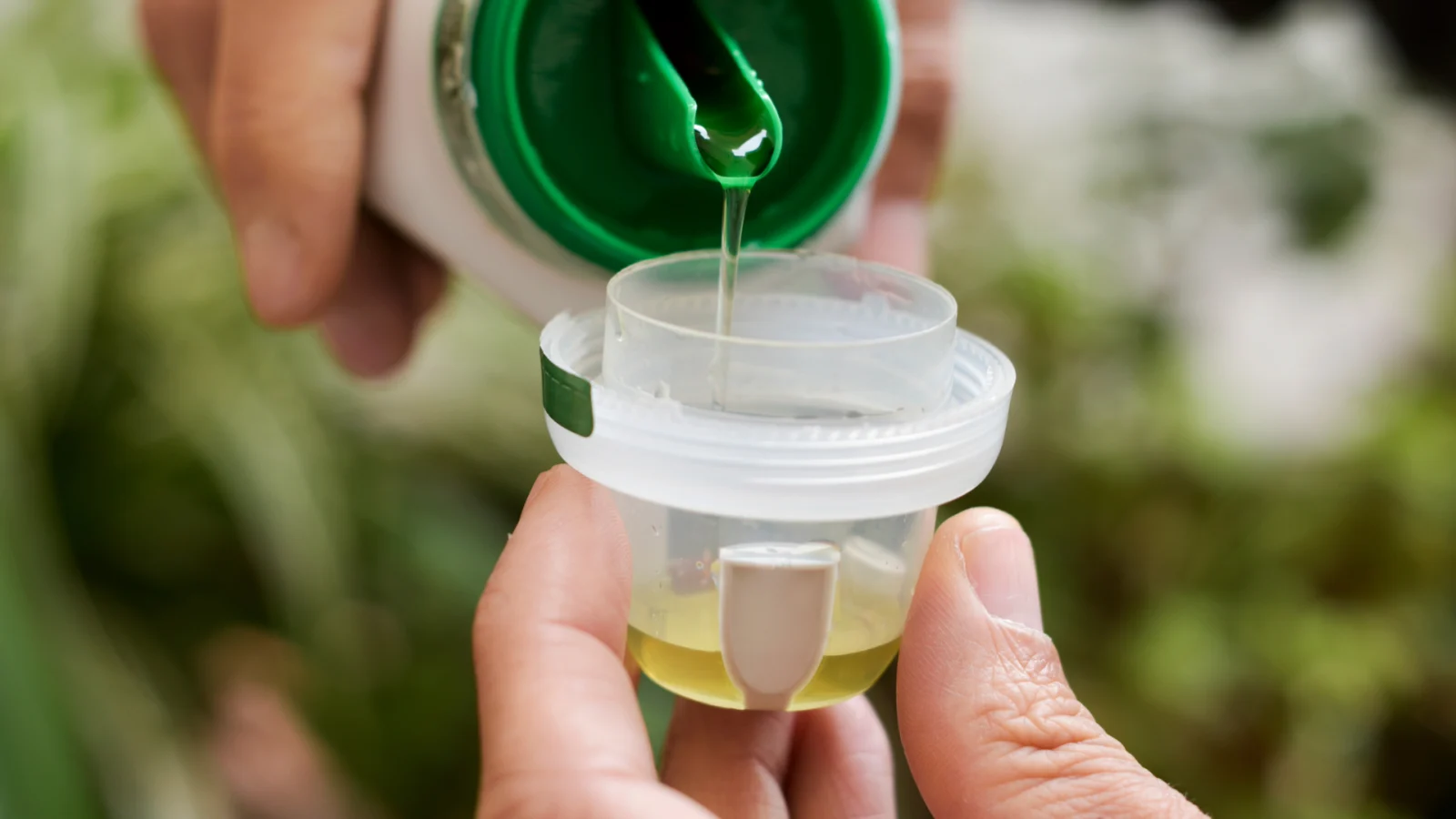
Inspect leaf bases and folds. If pests appear, isolate the plant and use a houseplant-safe treatment such as insecticidal soap or horticultural oil according to the product label.
Cleaning Snake Plant Leaves
Dust can build up on broad upright leaves. Wipe them with a soft damp cloth once a month.
Avoid leaf-shine products because they can leave residue and block stomata.
Temperature and Drafts
Snake plants prefer 18–29°C (65–85°F) and can tolerate short periods down to about 10°C (50°F).
Cold plus wet soil is especially dangerous. Keep the plant away from winter drafts, air-conditioning vents, and cold window glass.
Real-World Example: A Snake Plant in a Dark Bathroom
A snake plant sits in a bathroom with a small frosted window. It receives very little direct light. The owner waters every Saturday because the plant is labeled “low maintenance.”
After three months, the newest leaf stops growing and two older leaves soften at the base. The soil is still wet ten days after watering.
The owner moves the plant to a brighter room, trims the rotten roots, repots into a smaller terracotta pot with succulent mix, and stops calendar watering.
Six weeks later, a new shoot appears from the rhizome. The improvement comes from better light and faster drying, not extra fertilizer.
Snake Plant Care Checklist
- Give bright indirect light when possible.
- Allow soil to dry between waterings.
- Use a drainage hole.
- Choose fast-draining soil.
- Avoid oversized pots.
- Feed lightly in active growth.
- Repot every few years, not annually.
- Keep above 10°C.
- Rotate for even growth.
- Inspect for soft leaf bases and pests.
Common Snake Plant Mistakes
Watering by schedule
Drying time changes with light and season.
Keeping it in deep shade
The plant survives but grows very slowly and uses little water.
Using a pot without drainage
Standing water can rot rhizomes quickly.
Repotting into a huge container
Extra soil stays wet around a small root system.
Fertilizing a sick plant
Fix roots and light first.
Frequently Asked Questions
How often should I water a snake plant?
Water when the potting mix is dry through most of the pot. This may be every 1–2 weeks in summer and 3–4 weeks or longer in winter.
Can a snake plant live in low light?
Yes, but growth will be slow. Bright indirect light gives better results.
Why is my snake plant turning yellow?
Yellowing often comes from overwatering, root rot, or natural aging. Check soil moisture and root health.
Should I mist a snake plant?
No. Snake plants do not need misting and excess moisture in leaf bases can encourage rot.
Can I cut damaged snake plant leaves?
Yes. Cut them at the soil line with clean scissors. New growth comes from rhizomes, not the cut leaf tip.
Are snake plants toxic to pets?
Yes. They contain saponins that can cause nausea, vomiting, or diarrhea if chewed by cats or dogs. Keep them out of reach of pets and children.
Conclusion: Give Snake Plants Light, Drainage, and Time
Snake plants thrive on simple care. Provide bright indirect light, let the potting mix dry between waterings, use a drainage hole, and avoid oversized containers.
Most problems come from too much water combined with too little light. If leaves soften, curl, or stop growing, check soil moisture and roots before adding fertilizer.
With the right conditions, snake plants grow slowly but steadily and can stay healthy in the same home for decades.