Peace lilies are popular because they tolerate indoor conditions better than many flowering plants, but they are often called “easy” in a way that creates unrealistic expectations. They still need the right balance of light, moisture, drainage, and temperature. A peace lily can survive in low light, yet flower poorly. It can recover from a dramatic wilt, yet repeated severe drying can weaken roots. It can enjoy moist soil, yet constant saturation may lead to root problems.
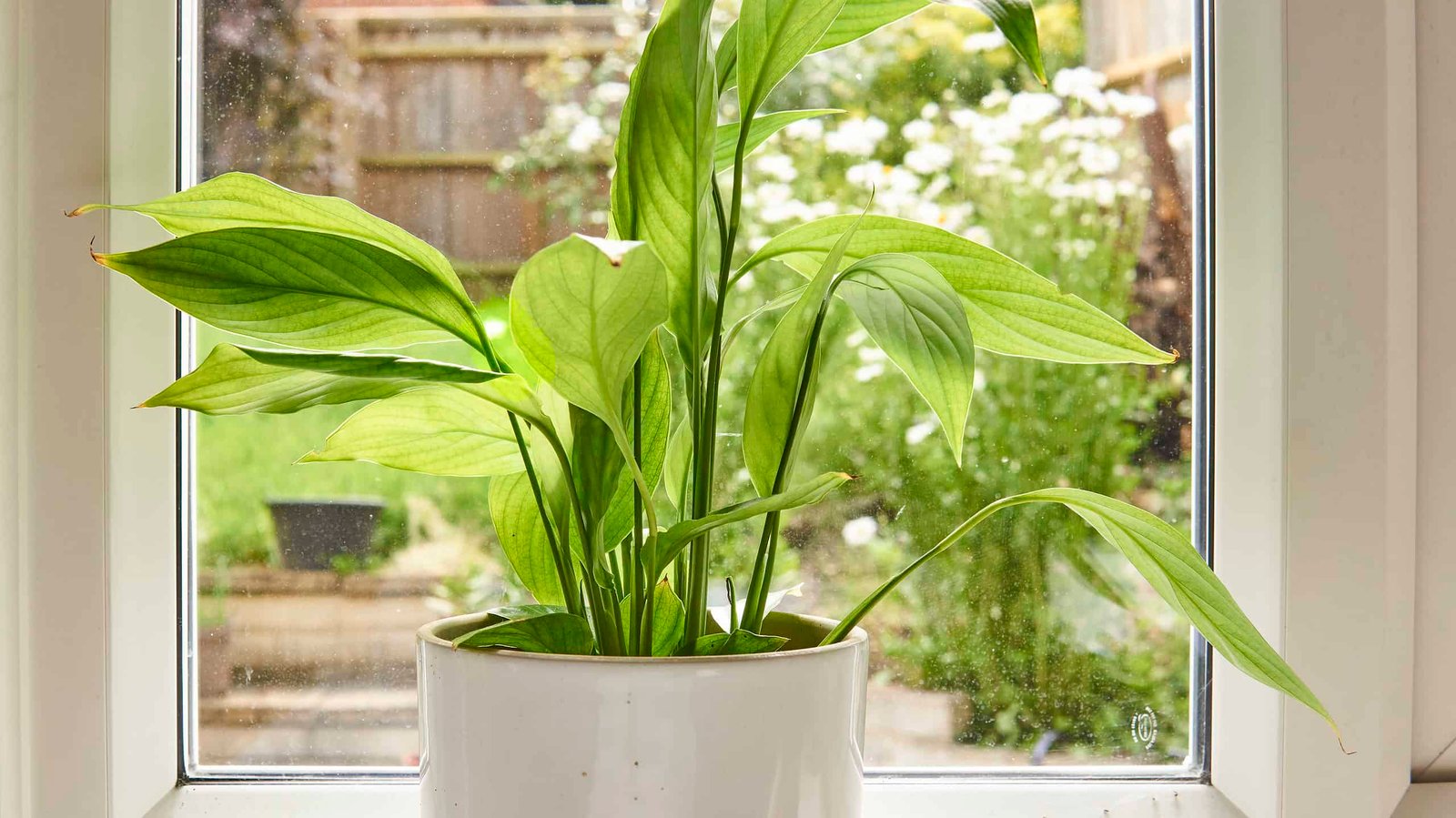
The key is consistency. Peace lilies prefer steady conditions rather than extremes. Give them bright indirect light, water when the upper potting mix begins to dry, keep the root zone evenly moist but airy, and avoid sudden temperature changes.
This peace lily care guide explains how to water, feed, repot, and position the plant, plus how to solve common issues such as drooping leaves, brown tips, yellow foliage, green flowers, and a plant that refuses to bloom.
Peace Lily Basics
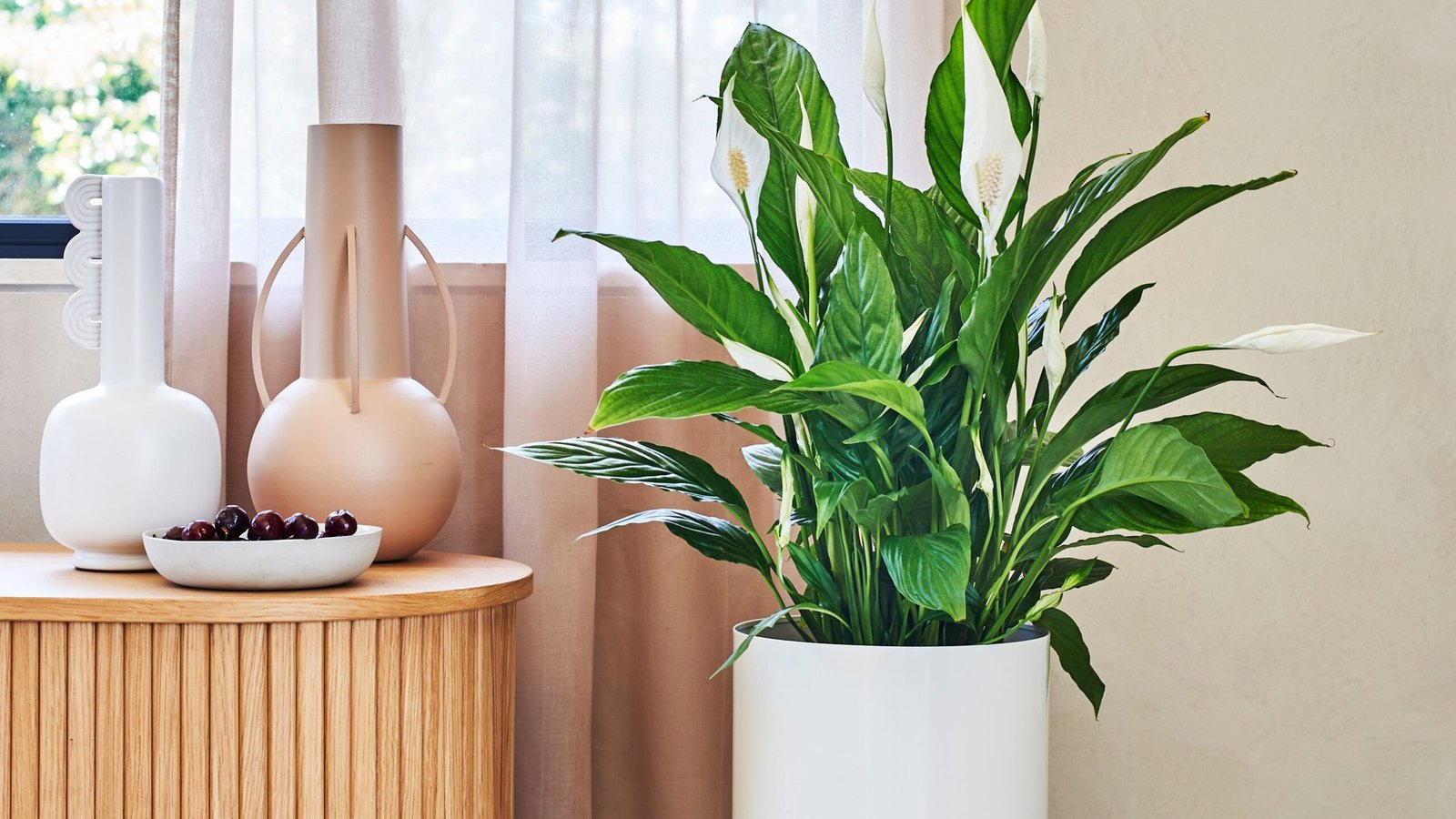
Peace lilies belong to the genus Spathiphyllum. They are tropical plants grown for glossy leaves and white flower structures called spathes. The actual flowers are tiny and sit on the central spike, called the spadix.
Common indoor varieties differ in mature size. Some stay compact enough for desks, while larger cultivars can become broad floor plants.
| Care Factor | Practical Starting Point |
|---|---|
| Light | Bright indirect light |
| Water | When upper mix begins to dry |
| Humidity | Average to moderately humid indoor air |
| Temperature | Warm, stable room conditions |
| Soil | Airy, moisture-retentive potting mix |
| Fertilizer | Light feeding during active growth |
The Royal Horticultural Society houseplant growing guide recommends matching indoor plants to suitable light, moisture, temperature, and feeding rather than using one schedule for every species.
Best Light for a Peace Lily
Peace lilies tolerate lower light, but bright indirect light usually produces stronger growth and more flowers.
A useful position is near an east-facing window, several feet back from a bright south or west window, or behind a sheer curtain where direct afternoon sun is intense.
Signs of too little light
- Very slow growth
- Few or no flowers
- Long leaf stems leaning toward a window
- Soil staying wet for unusually long periods
Signs of too much direct sun
- Bleached patches
- Tan scorch marks
- Crispy exposed edges
- Rapid midday wilting near hot glass
If you move a low-light peace lily to a brighter spot, increase light gradually.
How to Water a Peace Lily Correctly
Peace lilies prefer more even moisture than succulents, but they still need air around the roots. Water when the upper few centimeters of potting mix begin to dry rather than waiting for the whole root ball to become bone dry.
- Check the soil with a finger or wooden skewer.
- If the upper layer is drying and the pot feels lighter, water thoroughly.
- Continue until excess water drains from the bottom.
- Empty the saucer or decorative cachepot.
- Check again only when the soil begins drying.
Do not water every Sunday simply because a week has passed. A peace lily may dry in five days during warm bright weather and take ten or more days in winter.
Why Peace Lilies Droop So Dramatically
Peace lilies are famous for drooping when thirsty. Their leaves may hang almost vertically, then rise again after watering.
Occasional mild wilt is recoverable, but repeated severe wilting stresses the plant. Fine roots can die back and leaves may develop brown edges.
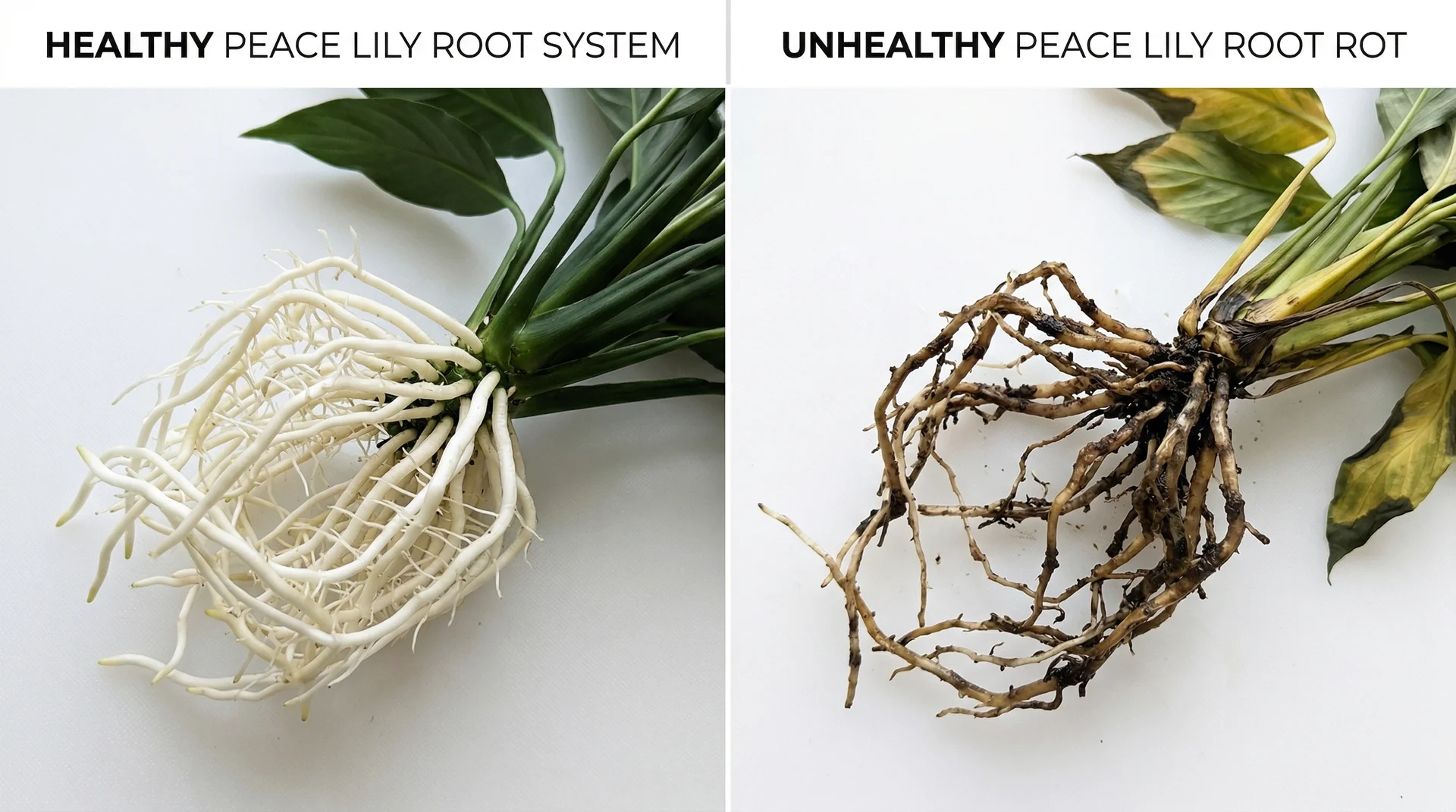
Before watering a drooping plant, check the soil. A peace lily with root rot can also droop while the soil is wet. If the root zone is saturated, adding more water will not help.
What Water Is Best?
Many peace lilies grow well with normal tap water, but they can be sensitive to high mineral or salt levels. If you see persistent brown tips despite correct watering and humidity, try filtered water or collected rainwater from a clean source.
Let very cold tap water reach room temperature before using it. Avoid water treated with household water-softener salts because sodium can build up in potting mix.
Humidity for Peace Lilies
Peace lilies come from humid tropical environments, but most adapt to average indoor humidity if watering and light are good.
During dry winter heating, leaf tips may brown. Improve humidity by:
- Grouping plants together with space for airflow.
- Using a room humidifier.
- Keeping the plant away from heating vents.
- Avoiding hot drafts.
Misting gives only a brief humidity increase and may leave mineral spots. It is not a substitute for stable room humidity.
Best Potting Mix for Peace Lilies
Use a mix that holds some moisture but still drains well. A high-quality indoor potting mix amended with perlite and fine orchid bark can provide a useful balance.
A dense garden soil is not suitable for containers. It compacts and drains poorly indoors.
If your current mix remains wet for two weeks in normal conditions, consider whether the pot is too large, the light is too low, or the mix has broken down.
Choosing the Right Pot
A pot with drainage holes is strongly recommended. Peace lilies like consistent moisture, but standing water around the roots can cause rot.
When repotting, move up only one pot size. A huge pot holds much more wet soil than the roots can use.
Terracotta dries faster than plastic or glazed ceramic. Choose the material based on your watering habits and home conditions.
When to Repot a Peace Lily
Repot when roots densely circle the pot, water runs straight through without wetting the root ball, growth stalls despite good care, or the plant becomes top-heavy.
Spring or early summer is often convenient because the plant is actively growing.
How to repot
- Water the plant the day before if the mix is dry.
- Slide the root ball from the pot.
- Loosen only severely circling outer roots.
- Check for soft, rotten roots.
- Place the plant at the same depth in the new pot.
- Fill with fresh mix.
- Water thoroughly and let it drain.
Do not bury the crown deeply.
How to Divide a Peace Lily
Mature peace lilies often form multiple crowns. Division is the easiest way to create new plants.
- Remove the plant from its pot.
- Find natural groups of leaves with their own roots.
- Tease them apart gently or cut between crowns with a clean knife.
- Pot each division in a container only slightly larger than its roots.
- Water and keep in stable bright indirect light.
Small divisions may need more consistent moisture while they re-establish.
How to Fertilize a Peace Lily
Peace lilies are not heavy feeders. A balanced liquid houseplant fertilizer at half strength every four to six weeks during active growth is enough for many plants.
If the potting mix contains slow-release fertilizer, reduce additional feeding.
Stop or reduce fertilizer during low-light winter periods when growth slows.
Too much fertilizer can cause brown tips and white salt crust on the soil surface.
Why a Peace Lily Will Not Flower
Low light is the most common reason. A peace lily may remain green and healthy in a dim room but rarely produce flowers.
Other possibilities include:
- The plant is young.
- It was recently divided or repotted.
- Roots are unhealthy.
- Fertilizer is too high in nitrogen.
- Seasonal light is weak.
Move the plant to brighter indirect light before adding more fertilizer.
Why Peace Lily Flowers Turn Green
Peace lily spathes often emerge white and gradually turn green as they age. This is normal.
Strong light or certain fertilizer conditions may also influence color, but an older green spathe is usually simply nearing the end of its display.
Cut old flower stems near the base when they become unattractive.
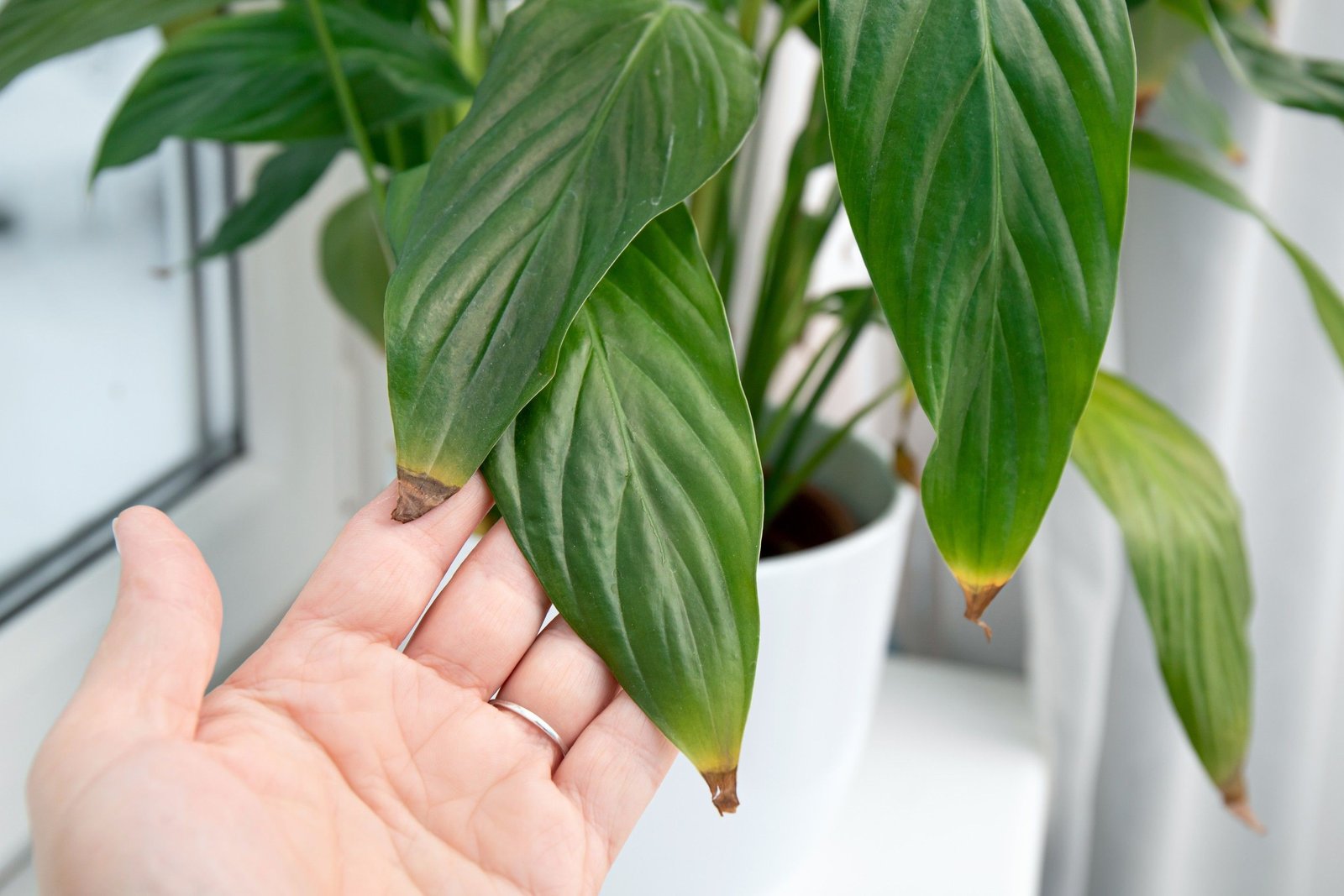
Brown Leaf Tips: The Most Common Peace Lily Complaint
Brown tips can have several causes:
- Repeated severe drying
- Low humidity
- Fertilizer salt buildup
- Hard or softened water
- Cold drafts
- Root stress
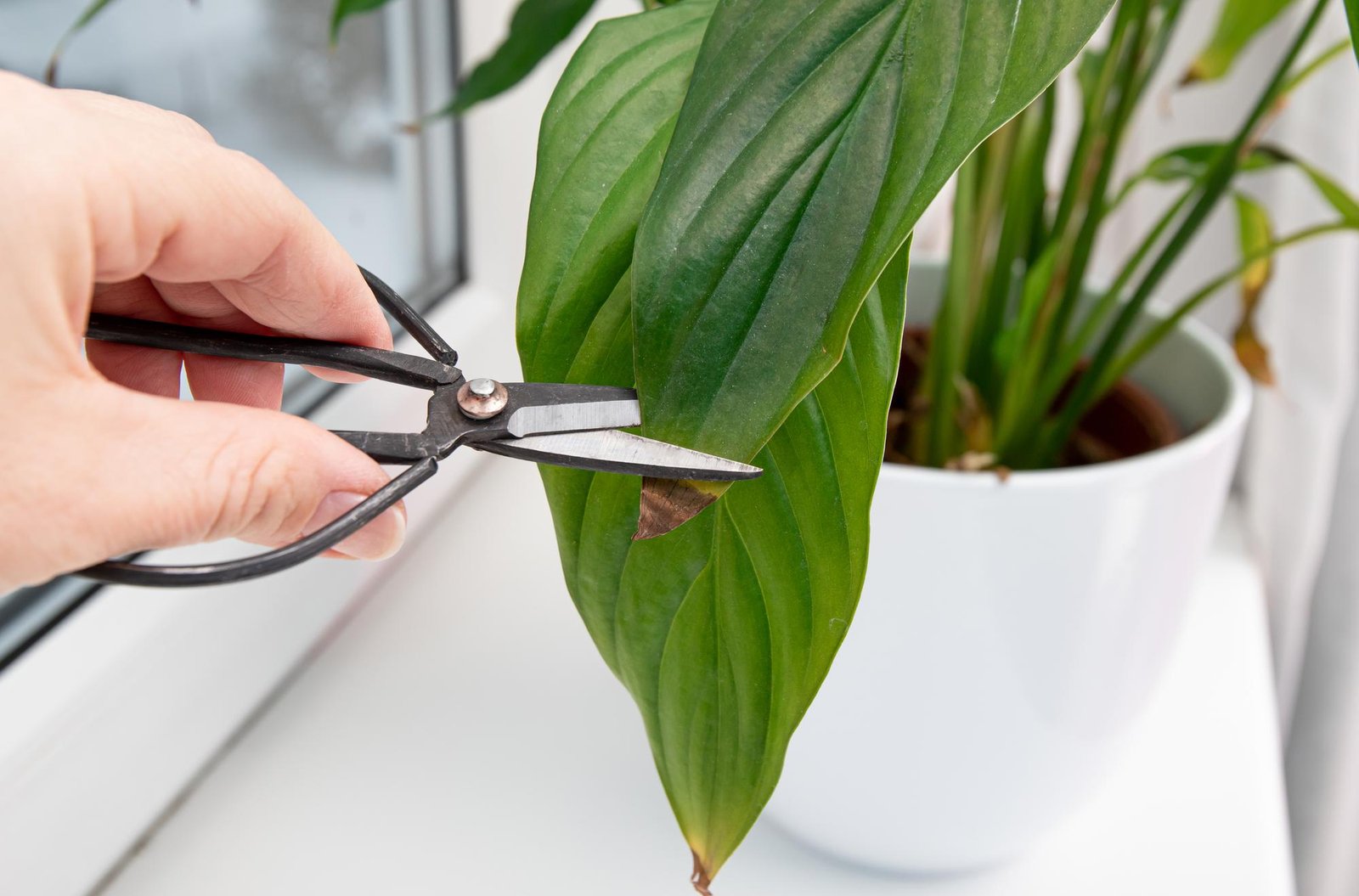
Do not trim every brown tip and ignore the cause. Review watering history, humidity, and fertilizer first.
If you trim, follow the natural leaf shape and leave a thin brown margin rather than cutting into healthy green tissue.
Yellow Leaves on Peace Lilies
One old lower leaf turning yellow is normal. Multiple yellow leaves need investigation.
| Pattern | Likely Causes |
|---|---|
| Yellow leaves + wet soil | Overwatering or root stress |
| Yellow leaves + dry soil | Repeated drought |
| Pale new growth | Possible nutrient or root issue |
| Yellow patch facing window | Sun scorch |
Common Peace Lily Pests
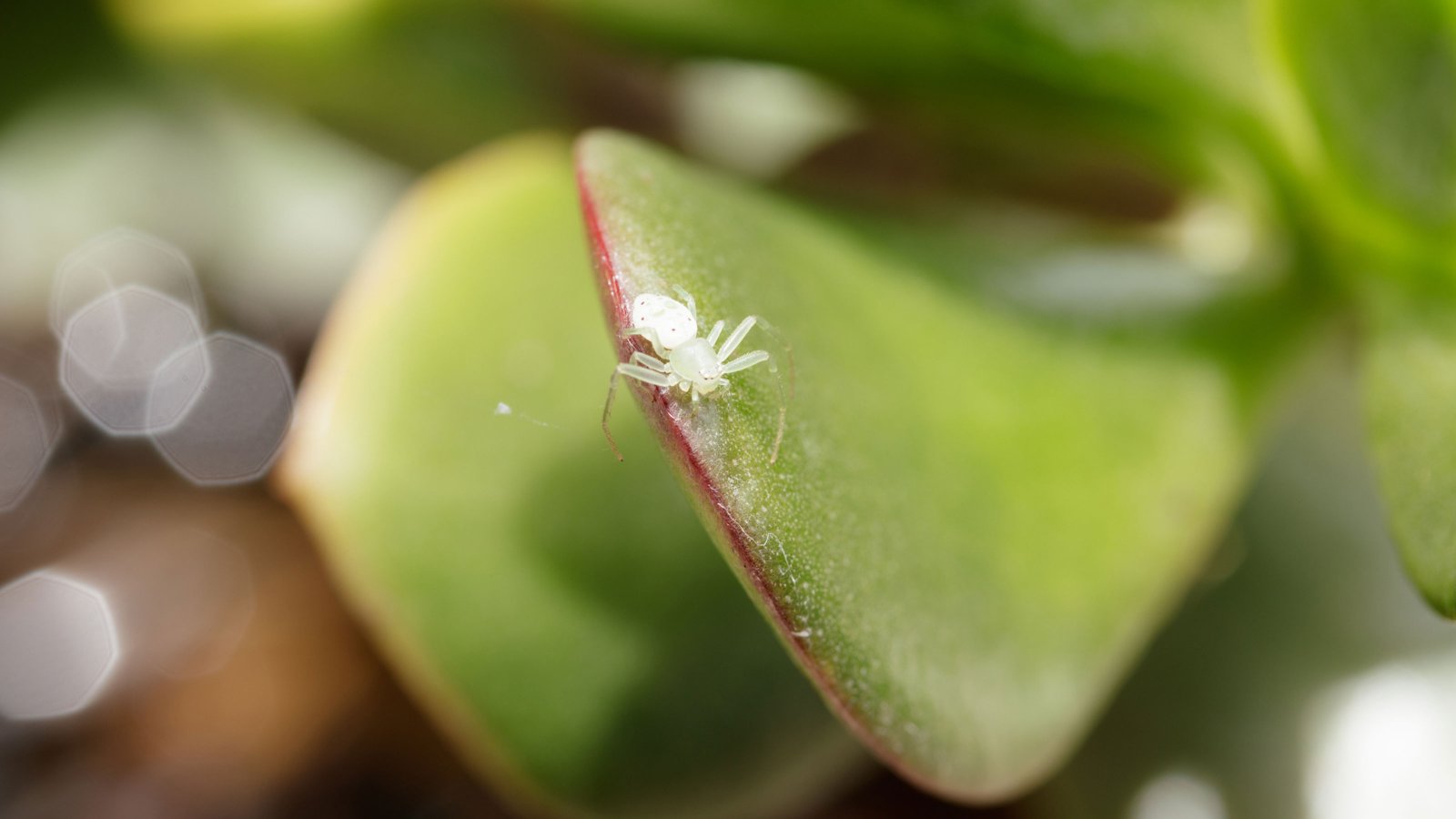
Peace lilies can attract spider mites, mealybugs, scale, and fungus gnats.
Inspect leaf undersides and stem bases regularly. If pests appear, isolate the plant and treat according to the identified pest with rinsing, insecticidal soap, horticultural oil, or another labeled houseplant product.
Cleaning Peace Lily Leaves
Large leaves collect dust, which can reduce light reaching the surface and hide pests.
Wipe leaves with a soft damp cloth every few weeks. Support the leaf from below so you do not tear it.
Avoid commercial leaf-shine products unless they are specifically labeled safe for peace lilies.
Peace Lily Temperature
Peace lilies prefer warm indoor conditions, roughly 18–27°C (65–80°F). They dislike cold drafts and prolonged temperatures below about 13°C (55°F).
Keep them away from exterior doors in winter, air-conditioning vents, and radiators.
Real-World Example: A Peace Lily That Droops Every Week
A peace lily sits in bright indirect light and droops every Friday. The owner waters heavily each time, and the plant recovers. This repeats for months.
Inspection shows that the plant is severely root-bound. The root ball contains almost no loose potting mix, so it dries very quickly.
The owner repots one size larger, loosens the outer roots, and uses a fresh airy mix. Watering shifts from every five days to every eight or nine days.
The solution was not more frequent watering. It was giving roots enough fresh mix to hold moisture evenly.
Peace Lily Care Checklist
- Provide bright indirect light.
- Keep away from harsh afternoon sun.
- Water when the upper mix begins to dry.
- Empty standing water.
- Use a pot with drainage.
- Keep humidity moderate.
- Feed lightly during active growth.
- Repot only one size larger.
- Clean leaves regularly.
- Inspect for pests.
Common Peace Lily Mistakes
Keeping it in very low light
The plant may survive but flower poorly.
Waiting for dramatic wilt before every watering
Repeated severe drying stresses roots.
Leaving water in the decorative pot
This creates prolonged saturation.
Using too much fertilizer
Peace lilies need only modest feeding.
Repotting into a huge container
Extra soil can stay wet too long.
Frequently Asked Questions
How often should I water a peace lily?
Water when the upper few centimeters of potting mix begin to dry. The interval may range from several days to two weeks depending on light, temperature, and pot size.
Can a peace lily grow in low light?
Yes, but growth will be slower and flowering may stop. Bright indirect light is better for long-term performance.
Should I mist a peace lily?
Misting is optional and provides only temporary humidity. A humidifier or grouping plants is more effective in very dry rooms.
Why does my peace lily have brown tips?
Common causes include repeated drying, low humidity, fertilizer salts, hard water, and root stress.
How do I make a peace lily bloom?
Provide bright indirect light, healthy roots, stable moisture, and light feeding. Avoid high-nitrogen fertilizer.
Are peace lilies toxic to pets?
Yes. Peace lilies contain calcium oxalate crystals that can irritate the mouth and digestive tract of cats and dogs. Keep them out of reach of pets and children.
Conclusion: Keep Peace Lily Care Consistent
Peace lilies reward steady care. Give them bright indirect light, water before the root ball becomes completely dry, and let excess water drain away.
Do not chase every drooping leaf with fertilizer or extra water. Check the soil first. Brown tips, yellow leaves, and poor flowering usually make more sense when you review light, moisture, and roots together.
Once those basics are stable, a peace lily can produce glossy foliage and repeat flowers for many years with only moderate maintenance.