Succulents and cacti are often described as plants that barely need water. That idea causes two opposite problems. Some owners keep the soil wet because they water a little every few days. Others avoid water for so long that roots die back and plants become severely dehydrated.
The better method is simple: water thoroughly when the root zone is ready, then allow the potting mix to dry before watering again. The exact interval changes with light, temperature, pot size, plant type, season, and soil mix.
This guide explains how to water succulents and cacti without causing root rot. You will learn how to check dryness, choose the right pot and mix, recognize thirst and overwatering, adjust for winter, and handle common problems such as shriveled leaves, mushy stems, and soil that refuses to absorb water.
Why Succulents Store Water
Succulents have thick leaves, stems, or roots that store water. Cacti are a group of succulents with specialized structures called areoles.
Water storage helps these plants survive dry periods, but it does not mean their roots are designed to remain constantly wet. Many come from habitats where rain arrives heavily but drains quickly.
Indoor care should imitate that pattern: a thorough drink followed by drying.
The Biggest Watering Mistake: Frequent Small Sips
Giving a tablespoon of water every few days often wets only part of the pot. Roots may remain shallow, while the lower mix can stay unpredictably moist.
When watering is needed, soak the mix until water drains from the bottom. Then empty the saucer and wait until the soil is dry enough for the species before watering again.
Step 1: Use a Pot With Drainage
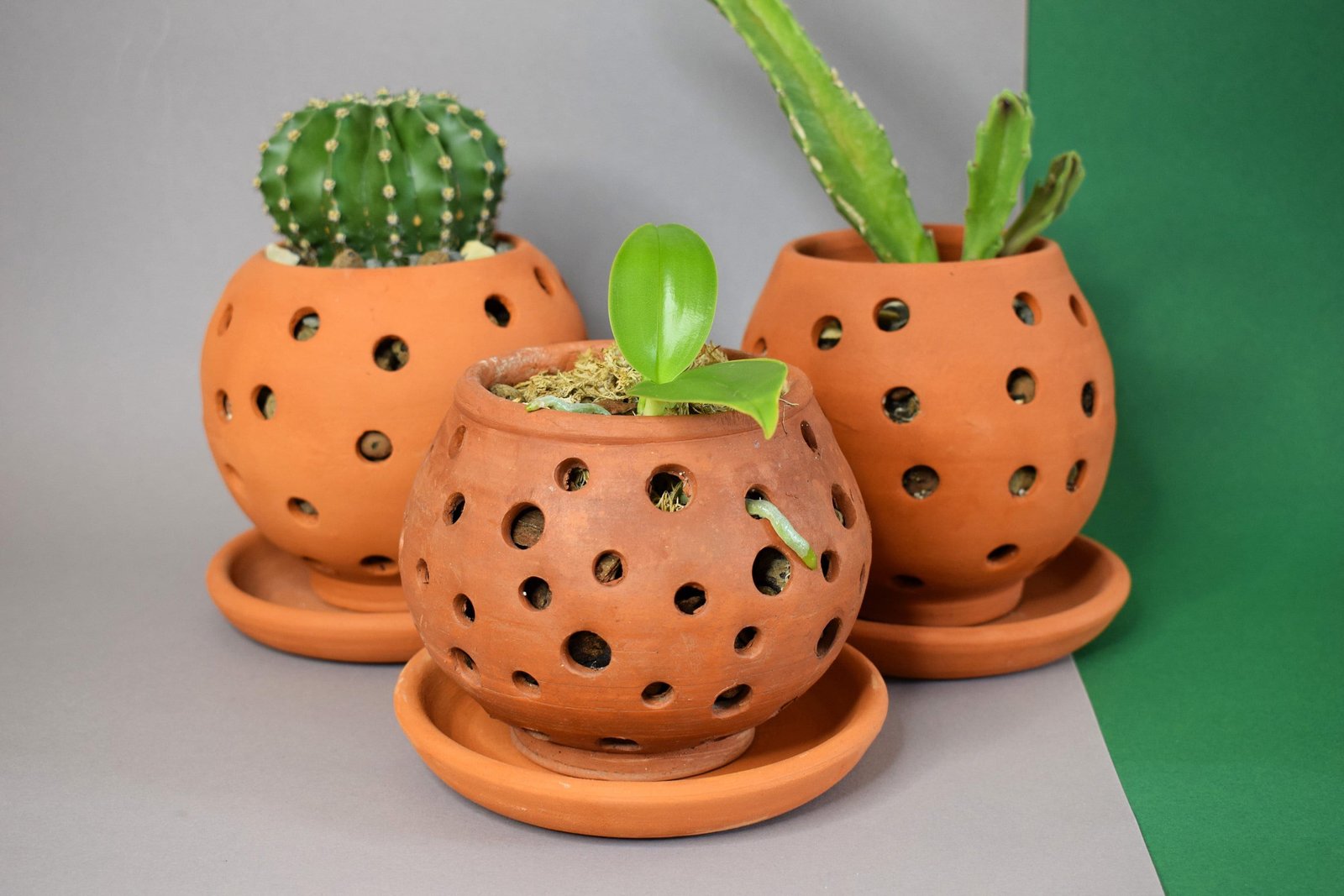
A drainage hole is one of the easiest ways to reduce root-rot risk. It allows excess water to escape and lets you water thoroughly.
Decorative pots without holes can be used as outer cachepots. Keep the plant in a nursery pot with drainage, remove it for watering, let it drain fully, then return it to the cover pot.
Do not leave water standing at the bottom of the cachepot.
Step 2: Choose a Fast-Draining Potting Mix
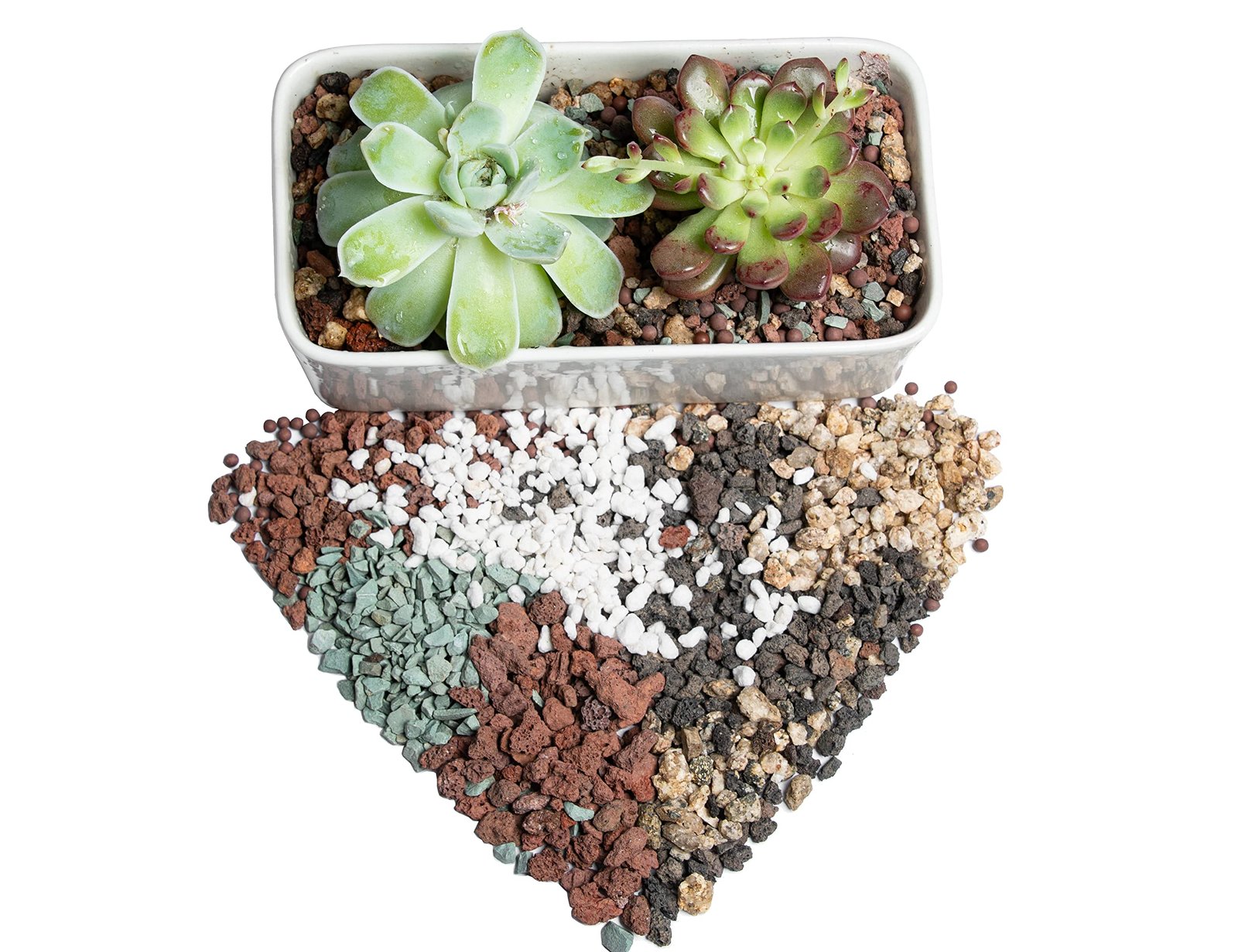
Standard houseplant potting mix may hold too much water for many desert succulents. Use a cactus or succulent mix, or amend an appropriate mix with coarse mineral material such as pumice or perlite.
The goal is not to create soil that dries in an hour. It should absorb water evenly while allowing air to return to the roots relatively quickly.
The Royal Horticultural Society cactus and succulent growing guide emphasizes free-draining compost, good light, and careful seasonal watering.
Step 3: Give Enough Light
Watering and light are connected. A succulent in strong light uses water faster than the same plant in a dim room.
If a plant stretches, leans, or develops large gaps between leaves, it may need more light. Moving it to stronger light can improve growth, but acclimate gradually to avoid sunburn.
Low light plus frequent watering is one of the fastest ways to create root problems.
How to Tell When the Soil Is Dry
Do not rely only on the surface. The top centimeter can be dry while the lower half of the pot is still wet.
Use a wooden skewer
Push a dry wooden skewer deep into the pot. Leave it for a few seconds, then remove it. Dark damp marks suggest moisture remains.
Learn the pot weight
Lift the pot after watering and again when dry. Over time, the weight difference becomes easy to recognize.
Check drainage holes
Look and feel near the bottom where possible. If mix there is still damp, wait.
Use a moisture meter carefully
Cheap meters can be useful as a secondary clue, but mineral content and soil type affect readings. Do not rely on one number alone.
How Often Should You Water Succulents?
There is no correct weekly number. A small terracotta pot in a sunny window may dry in four days during summer. A large glazed pot in a cool room may stay moist for three weeks.
Use the plant and soil, not the calendar.
| Condition | Typical Effect on Drying |
|---|---|
| Bright light | Faster |
| Low light | Slower |
| Warm temperature | Faster |
| Cool temperature | Slower |
| Terracotta pot | Faster |
| Glazed or plastic pot | Slower |
| Small pot | Faster |
| Large pot | Slower |
Signs a Succulent Needs Water
Healthy succulents often show subtle thirst signals before severe stress.
- Leaves feel less firm.
- Lower leaves wrinkle slightly.
- Rosettes become less plump.
- The pot feels very light.
- The mix is dry throughout.
Do not wait until every leaf is deeply shriveled. Mild signs are enough.
Signs of Overwatering
- Leaves become translucent or mushy.
- Leaves drop after very light touch.
- Stems soften near the soil line.
- The plant leans because roots are failing.
- Soil remains wet for many days.
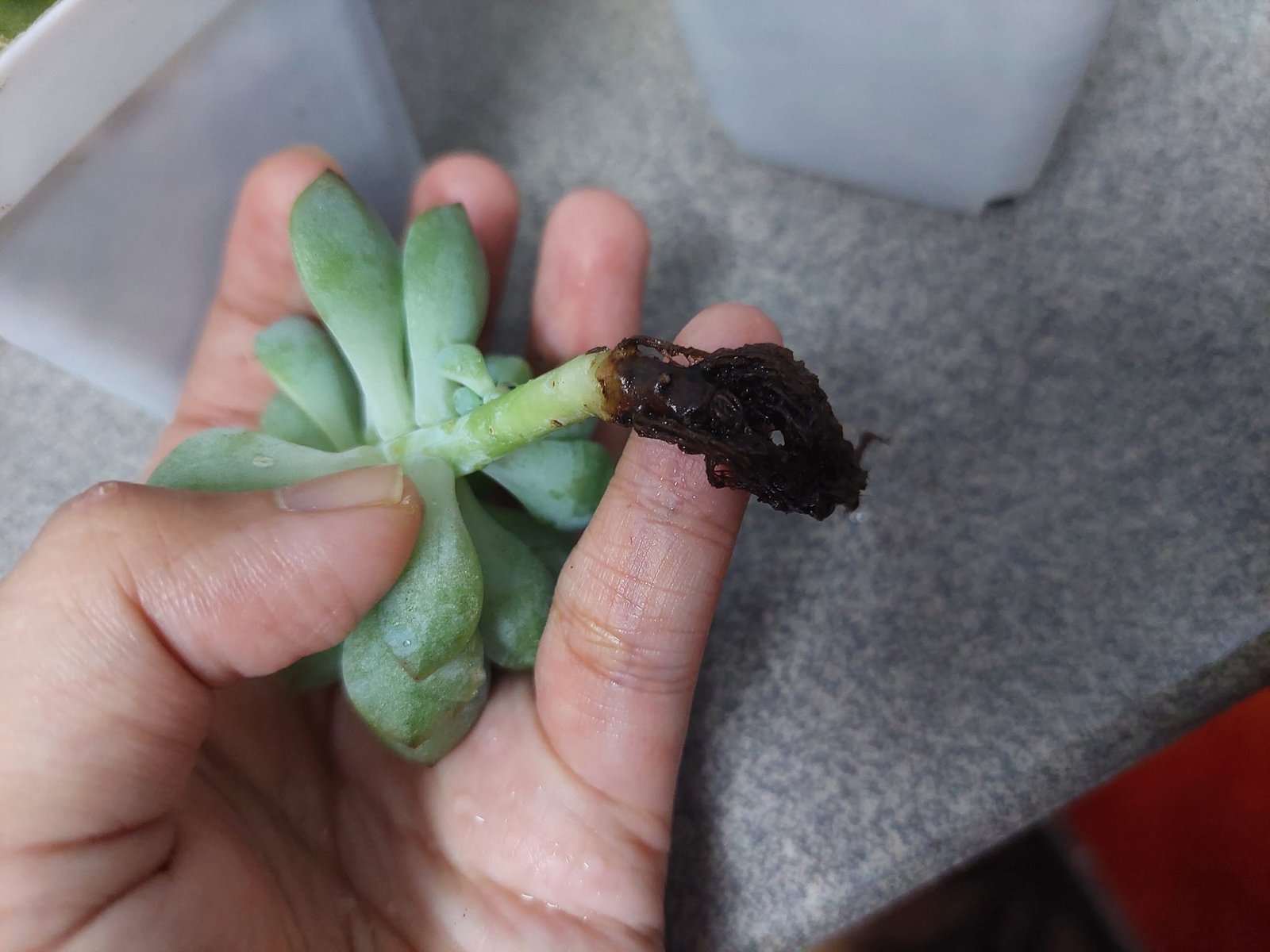
- The base develops black or brown soft tissue.
If the plant is mushy while the soil is wet, stop watering and inspect for rot.
How to Water From the Top
Top watering is simple and effective.
- Take the plant to a sink or safe drainage area.
- Pour water slowly over the potting mix.
- Continue until water runs from the bottom.
- Let the pot drain fully.
- Return it to its normal location.
Avoid leaving water trapped in the crown of rosette succulents. If water collects between leaves, tip the plant gently or use a soft tissue to remove it.
What About Bottom Watering?
Bottom watering can help when dry potting mix repels water. Place the pot in a shallow container of water and let moisture move upward through the drainage holes.
Remove the pot once the mix is evenly moist and let it drain.
Do not leave the plant standing in water for hours without need. Alternate with top watering occasionally to help flush fertilizer salts.
Why Potting Mix Sometimes Repels Water
Peat-based mixes can become hydrophobic when extremely dry. Water runs down the side of the pot and exits without wetting the center.
Rehydrate slowly. Add water in several small passes or use brief bottom watering. If the mix repeatedly becomes hard and water-repellent, repot into a fresher, better-structured succulent mix.
Seasonal Watering Changes
Many succulents grow slower in winter because indoor light and temperature drop. Water use decreases, so the pot remains wet longer.
Reduce frequency, but do not automatically stop watering for months. Check the plant and soil.
Some species grow actively in cooler seasons and rest in summer. Learn the natural growth cycle of unusual succulents.
Watering Cacti in Winter
Desert cacti kept cool and bright may need very little winter water. Plants kept warm indoors under strong lights may continue using more.
Do not copy a desert-cactus winter routine for tropical cacti such as holiday cactus. They have different habitat and moisture needs.
Desert Cacti vs Tropical Cacti
| Type | Examples | General Watering Pattern |
|---|---|---|
| Desert cactus | Golden barrel, mammillaria | Dry more fully between waterings |
| Tropical cactus | Christmas cactus, epiphyllum | More regular moisture, never prolonged saturation |
Knowing which type you own prevents many care mistakes.
Should You Mist Succulents?
Misting is not a substitute for root watering. Mature succulents need water delivered to the root zone.
Frequent misting can keep leaf surfaces or crowns damp without providing enough root moisture. This may encourage spotting or rot in poorly ventilated conditions.
Propagation is different. Tiny leaf cuttings or seedlings may need controlled surface moisture depending on the method.
What Water Is Best?
Most common succulents tolerate ordinary tap water. Very hard water can leave mineral deposits on leaves and soil.
If you see heavy white crust or grow sensitive species, filtered or rainwater may be useful. Never use water collected from questionable roofs or containers for indoor plants without considering contamination.
Real-World Example: A Jade Plant That Stays Wet Too Long
A jade plant sits in a large decorative ceramic pot. The owner waters every Sunday. Lower leaves begin turning soft and falling.
When the plant is removed, the owner discovers that it is actually in a plastic nursery pot sitting inside the ceramic cover. Two centimeters of water have collected at the bottom.
The owner empties the cover, moves the jade to a brighter window, and stops weekly watering. They water only when the mix is dry and the leaves begin to soften slightly.
The plant stabilizes without needing fertilizer or special treatment because the main problem was standing water.
How to Rescue an Overwatered Succulent
- Stop watering.
- Remove the plant from any standing water.
- Check the root ball.
- Trim mushy roots with a clean tool.
- Let cut root surfaces dry briefly where appropriate.
- Repot in fresh, dry, fast-draining mix.
- Place in bright suitable light.
- Wait before watering again according to species and root condition.
If the stem base is rotten, take healthy cuttings above the damaged area if the plant can be propagated that way.
Can You Save an Underwatered Succulent?
Yes, if roots are still alive. Water thoroughly and let the plant rehydrate gradually. Severely shriveled leaves may not return to normal, but new growth can recover.
Do not leave a severely dry plant soaking overnight. Rehydrate the mix, drain it, and reassess over several days.
Watering New Succulent Cuttings
Fresh cuttings without roots cannot absorb much water. Allow cut ends to callus before planting when appropriate for the species.
Place cuttings in a lightly moist or dry propagation mix according to species. Begin normal watering only after roots develop.
Overwatering an unrooted cutting is a common cause of rot.
Succulent Watering Checklist
- Use a pot with drainage.
- Use a fast-draining mix.
- Provide enough light.
- Check moisture deep in the pot.
- Water thoroughly, not in tiny sips.
- Let excess water drain.
- Empty cachepots and saucers.
- Adjust frequency through the seasons.
- Learn whether the plant is a desert or tropical cactus.
- Watch leaf firmness for thirst signals.
Common Watering Mistakes
Watering every Sunday
Drying time changes through the year.
Using a pot with no drainage
This makes it difficult to water thoroughly without leaving roots submerged.
Misting instead of watering
Misting does not wet the root zone.
Keeping a cactus in dark light and wet soil
Low light reduces water use and increases rot risk.
Assuming wrinkles always mean thirst
Root-rotted plants can wrinkle because damaged roots cannot absorb water. Check the soil first.
Frequently Asked Questions
How often should I water my cactus?
Water when the potting mix has dried appropriately for the species. This may be days in hot summer conditions or weeks in winter.
Can succulents recover from overwatering?
Yes, if enough healthy roots and stem tissue remain. Remove rotten material and correct the wet conditions.
Is terracotta better than plastic?
Terracotta dries faster and can help in humid or low-light homes. Plastic holds moisture longer and may be useful in very dry climates. Both work with the right watering routine.
Should I water after repotting a cactus?
If roots were damaged or trimmed, many growers wait several days before watering. Follow species-specific guidance.
Why are my succulent leaves falling off?
Soft translucent leaves that drop easily often indicate excess moisture. Dry crispy lower leaves may be natural aging or drought. Check root-zone moisture.
Can I use ice cubes to water succulents?
No. Cold localized water is unnecessary and does not wet the root zone evenly. Use room-temperature water normally.
Conclusion: Water Deeply, Then Wait
The safest succulent watering routine is not “a little water every week.” It is a cycle: let the potting mix dry, water thoroughly, drain completely, and wait until the plant is ready again.
Good drainage, strong light, and a suitable potting mix make this cycle easier. Seasonal changes matter, so a plant may need water much more often in summer than in winter.
Learn the weight of the pot, check the soil below the surface, and watch the plant’s firmness. Once you stop watering by calendar, succulents and cacti become far easier to manage.