Fertilizer can help a healthy houseplant grow, but it cannot fix poor light, rotten roots, compacted soil, or incorrect watering. In fact, feeding a stressed plant often makes the problem harder to diagnose because excess salts can damage roots and create symptoms that look like drought or nutrient deficiency.
The most useful way to think about houseplant fertilizer is as a supplement. Potting mix provides the root environment. Light powers growth. Water moves nutrients through the plant. Fertilizer replaces minerals that become depleted as the plant grows and as water carries some nutrients out through drainage.
This guide explains how to fertilize houseplants without overfeeding them. You will learn how to read fertilizer labels, decide when feeding is actually needed, adjust for season and light, prevent salt buildup, and recover from common fertilizer mistakes.
What Fertilizer Does for a Houseplant
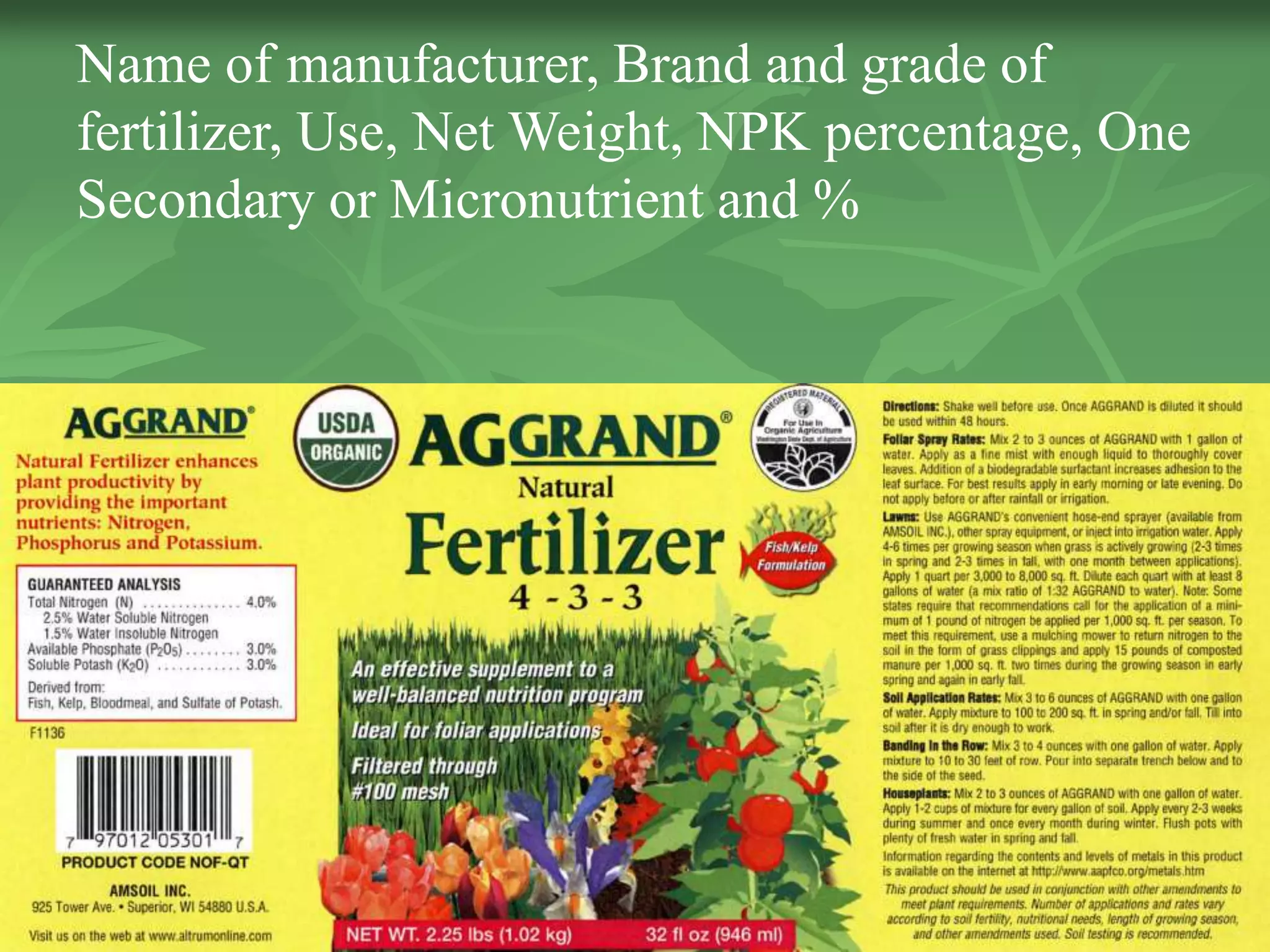
Plants need several mineral nutrients. The three numbers printed on most fertilizer labels refer to nitrogen, phosphorus, and potassium, commonly written as N-P-K.
- Nitrogen: supports leaf and stem growth.
- Phosphorus: contributes to energy transfer and root and flower development.
- Potassium: supports water regulation and many plant processes.
Plants also need calcium, magnesium, sulfur, iron, manganese, and other micronutrients in smaller amounts.
A balanced houseplant fertilizer supplies these nutrients in a controlled form. More fertilizer does not create proportionally more growth. Once a plant has enough, extra salts can accumulate around roots.
Fertilizer Is Not Plant Food in the Everyday Sense
Plants make sugars from light, carbon dioxide, and water through photosynthesis. Fertilizer supplies mineral nutrients used in that growth.
This distinction matters because a plant in a dark room cannot be “fed” into healthy growth with more fertilizer. It needs more usable light first.
The Royal Horticultural Society houseplant guide recommends adjusting feeding to active growth and following product instructions rather than using a single schedule for every indoor plant.
How to Read an N-P-K Label
A fertilizer labeled 10-10-10 contains equal percentages by weight of the three primary nutrients. A 3-1-2 ratio has proportionally more nitrogen.
Do not choose a fertilizer only because its numbers are high. Concentrated products are simply diluted more before use.
For many foliage houseplants, a balanced or foliage-oriented complete fertilizer works well. Flowering plants, orchids, cacti, and specialized collections may have different needs.
Types of Houseplant Fertilizer
| Type | How It Works | Main Advantage | Main Risk |
|---|---|---|---|
| Liquid concentrate | Diluted into water | Easy to adjust strength | Easy to overmix |
| Water-soluble powder | Dissolved before use | Flexible and economical | Must be measured accurately |
| Slow-release granules | Release nutrients over time | Less frequent application | Release changes with temperature and moisture |
| Fertilizer spikes | Concentrated local source | Convenient | Uneven nutrient distribution |
Liquid and soluble products give you the most control because you can reduce the dose during slow growth and skip feeding entirely when the plant is stressed.
Step 1: Decide Whether the Plant Is Actively Growing
Look for new leaves, expanding shoots, new roots, or flowers. A plant in bright light during spring and summer usually grows faster than the same plant in winter.
If growth has stopped because of low light or cool conditions, reduce or pause fertilizer. Some indoor plants continue active growth year-round under strong grow lights, so calendar season is not the only factor.
Step 2: Check the Potting Mix
Fresh commercial potting mix often contains starter fertilizer or slow-release nutrients. Read the bag. If the mix already feeds plants for several months, adding another full-strength fertilizer immediately may be unnecessary.
Plants in old, regularly flushed potting mix may need more supplementation than recently repotted plants.
Step 3: Choose a Complete Fertilizer
Look for a product that includes micronutrients as well as the main N-P-K numbers. A general houseplant formula is a practical choice for a mixed collection.
If you grow orchids, carnivorous plants, citrus, or other specialized plants, use a product and feeding method suited to them.
Step 4: Start Below Full Strength
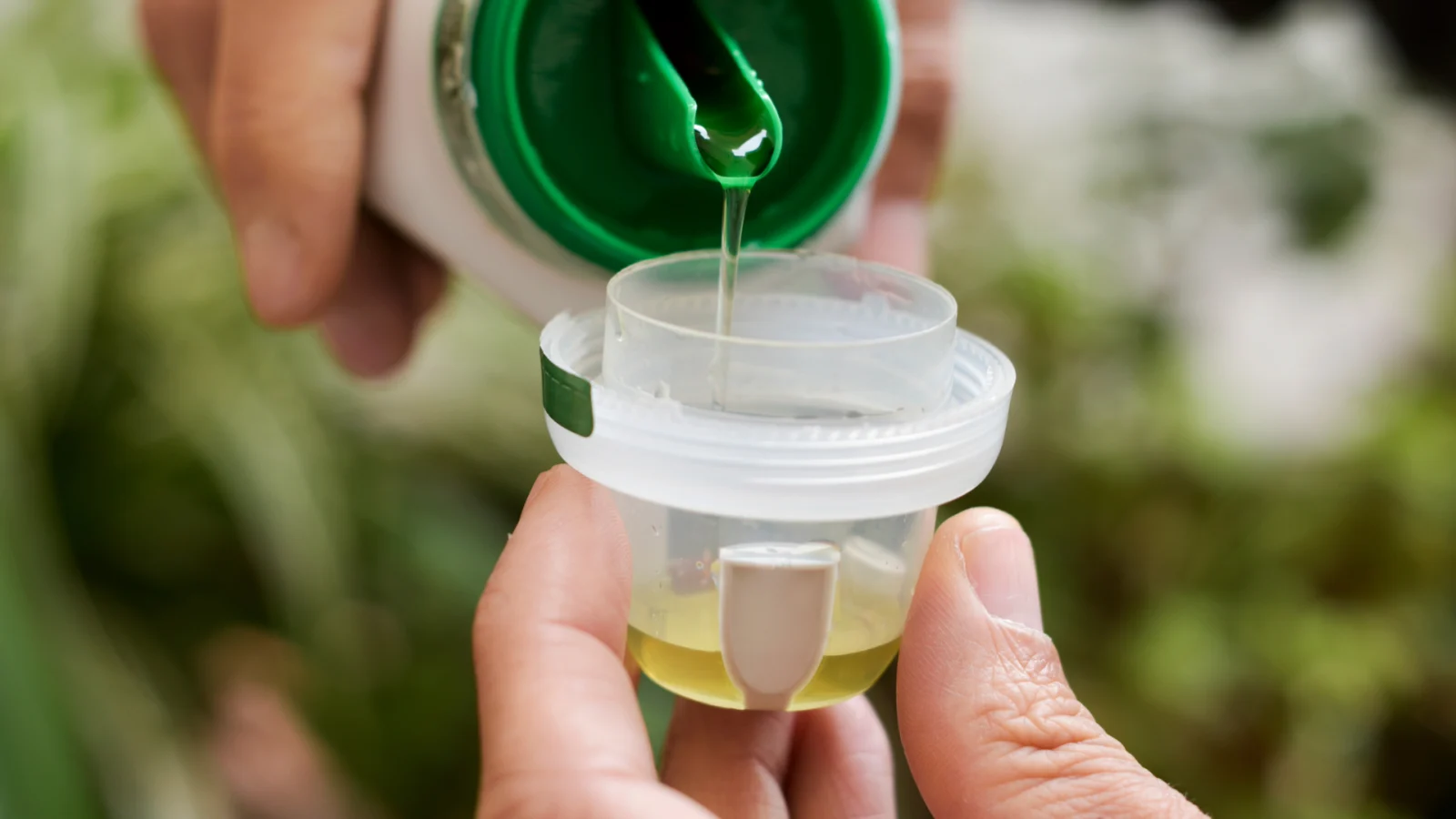
When you are unsure, start conservatively. Many houseplants respond well to half the label rate or a weak dose given more consistently during active growth.
The product label remains the legal and technical guide. Do not exceed the maximum rate.
If a plant has not been fertilized for months, do not compensate with a double dose. Resume normal feeding gradually.
Step 5: Fertilize Moist Soil, Not Bone-Dry Roots
Applying concentrated fertilizer to very dry potting mix can increase salt stress around roots. If the plant is due for water and the mix is extremely dry, moisten it first or use the fertilizer solution as part of a thorough watering at the correct dilution.
Allow excess solution to drain. Do not leave the pot standing in fertilizer water.
How Often Should You Fertilize Houseplants?
There is no universal weekly or monthly schedule. Frequency depends on:
- Plant species
- Light level
- Season
- Potting mix
- Fertilizer concentration
- Watering frequency
- Plant size and growth rate
A common starting routine for many foliage plants is feeding every two to four weeks during active growth at a reduced concentration. Others do well with a dilute dose at several waterings. Always adjust based on the product and plant.
Why Winter Feeding Often Needs to Change
Short winter days reduce photosynthesis in many homes. Growth slows and plants use less water. Fertilizer salts can accumulate because the plant is not using nutrients quickly.
If your plants receive strong artificial light and continue producing new leaves, they may still benefit from light feeding. Watch growth rather than following the calendar blindly.
Signs a Houseplant May Need Nutrients
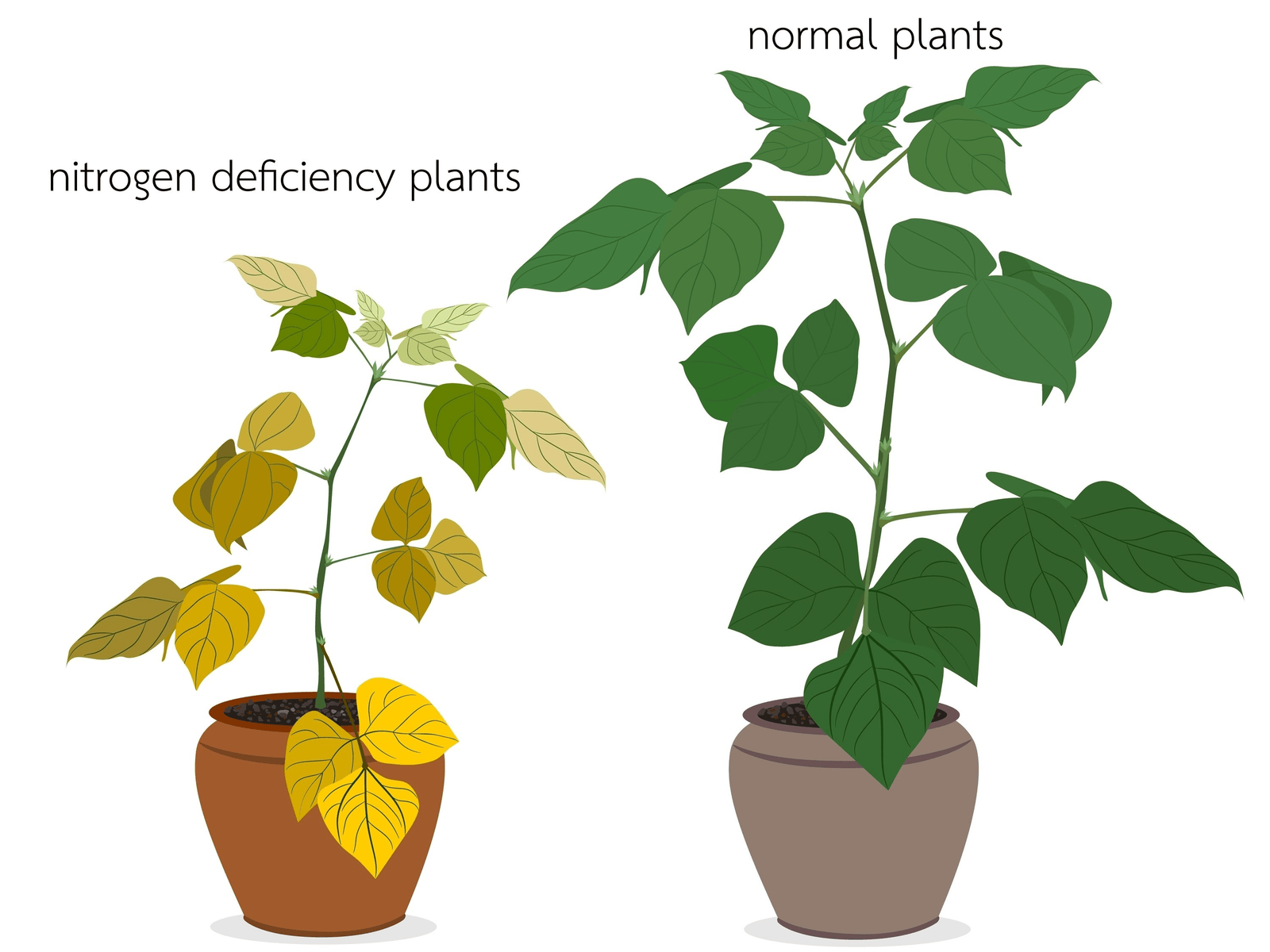
Nutrient deficiency can cause pale leaves, weak growth, or poor flowering, but these symptoms overlap with many other problems.
Before fertilizing, check:
- Is light adequate?
- Are roots healthy?
- Is the plant being overwatered?
- Is the potting mix old and compacted?
- Are pests present?
If those conditions are good and the plant has not been fed for a long period, nutrients become a more likely factor.
Signs of Too Much Fertilizer
- White crust on soil or pot edges
- Brown leaf tips and margins
- Sudden wilting after feeding
- Roots that look burned or damaged
- Stunted new growth
- Leaf drop after a strong dose
Brown tips alone are not proof. Low humidity, water quality, root stress, and irregular watering can also cause them.
What Is Fertilizer Salt Buildup?
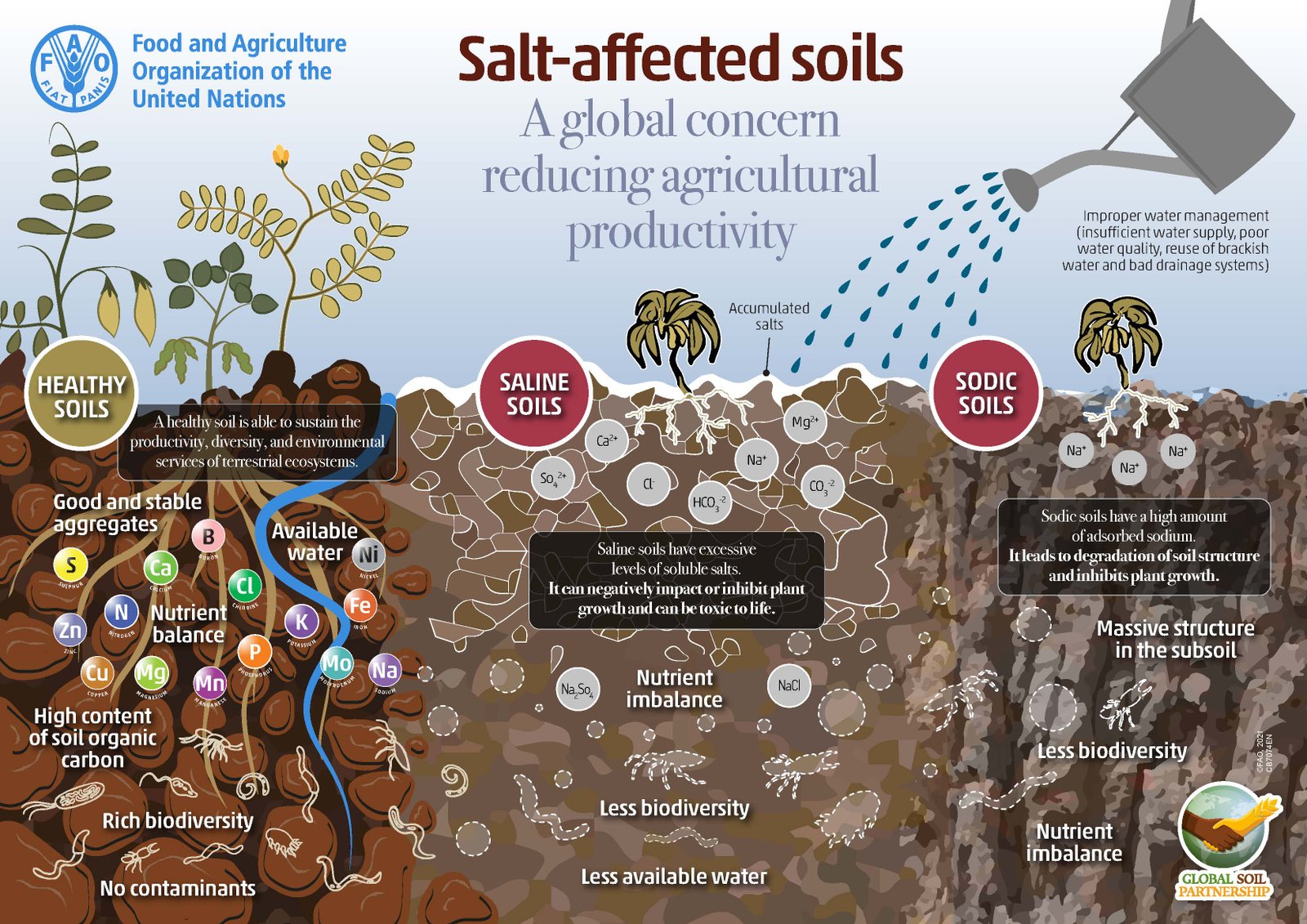
Mineral salts remain in potting mix as water evaporates or is used by the plant. Over time, salts from fertilizer and hard water can concentrate.
You may see a white crust on the soil surface, terracotta pot, or drainage holes.
Occasional deep watering that allows plenty of water to drain through the pot can flush excess salts. Do this only when the plant actually needs watering and the pot drains well.
How to Flush a Houseplant Pot
- Take the plant to a sink or outdoor area with safe drainage.
- Water slowly until water runs from the drainage holes.
- Continue with several pot volumes of clean water.
- Allow the pot to drain completely.
- Empty the saucer or cachepot.
Do not flush plants that require special water management without checking species-specific care. Avoid flushing a badly root-rotted plant.
What to Do After Accidental Overfertilization
If you realize immediately that you mixed fertilizer far too strong, flush the pot thoroughly with clean water.
If the plant is already showing root stress:
- Stop fertilizing.
- Flush only if the roots are healthy enough and the pot drains well.
- Provide stable suitable light.
- Do not repot and prune at the same time unless necessary.
- Resume feeding only after healthy new growth returns.
Should You Fertilize After Repotting?
Check the new potting mix. Many mixes contain fertilizer already. Freshly disturbed roots may also be more sensitive.
Wait several weeks before adding fertilizer unless the product or plant-specific instructions recommend otherwise.
Fertilizing Houseplants in Water or LECA
Plants grown in water or inert media such as LECA need a different nutrient system because the medium provides little or no nutrition.
Use a fertilizer formulated for hydroponic or semi-hydroponic culture. Monitor concentration and pH if the plant is valuable or the system is long term.
Do not assume a soil fertilizer works identically in water.
Organic vs Synthetic Houseplant Fertilizer
Plants absorb nutrients in mineral forms regardless of the original source. Organic fertilizers often depend on microbes to break materials down, which can be slower in indoor pots.
Synthetic fertilizers provide nutrients in immediately available forms and are easy to measure, but overapplication can cause salt buildup.
Either type can work. Choose a product that is clearly labeled for container plants and use it correctly.
Can Coffee Grounds Fertilize Houseplants?
Adding fresh coffee grounds directly to pots is not a reliable feeding method. Grounds can compact, grow mold, alter moisture, and provide unpredictable nutrient amounts.
Composted coffee grounds can be part of a mature compost used in suitable potting mixes, but they are not a replacement for a balanced fertilizer.
What About Banana Peel Water?
Soaking banana peels in water produces an unpredictable solution and may encourage odor or microbial growth. It does not provide the balanced nutrient profile that houseplants need.
Use a labeled fertilizer if you want controlled nutrition.
Real-World Example: A Monstera That Stopped Growing
A monstera produces three large leaves in spring, then stops. The owner assumes it needs more fertilizer and doubles the dose.
Within two weeks, several leaf tips brown. The soil has a white crust.
Closer inspection reveals that the plant was moved farther from the window after furniture was rearranged. It now receives half the previous light.
The owner moves it back to bright indirect light, flushes the pot, pauses fertilizer for a month, and resumes at half strength after new growth appears.
The lesson: diagnose light and roots before increasing fertilizer.
A Simple Feeding Routine for Common Foliage Plants
| Growth Stage | Feeding Approach |
|---|---|
| Freshly repotted | Wait if new mix contains nutrients |
| Active spring growth | Begin dilute regular feeding |
| Strong summer growth | Continue based on label and plant response |
| Slow autumn growth | Reduce frequency |
| Winter dormancy or very slow growth | Pause or feed lightly only if still growing |
Houseplant Fertilizer Checklist
- Confirm the plant is actively growing.
- Check light and root health first.
- Read whether the potting mix already contains fertilizer.
- Choose a complete product suited to the plant.
- Measure accurately.
- Start conservatively.
- Never exceed the label rate.
- Do not fertilize severely stressed roots.
- Flush excess salts occasionally if appropriate.
- Reduce feeding when growth slows.
Frequently Asked Questions
Is monthly fertilizer enough for houseplants?
It can be for many plants during active growth, but the correct frequency depends on concentration, light, species, and potting mix.
Should I fertilize every time I water?
Some growers use very dilute fertilizer at several waterings, but this requires careful concentration control. Beginners may find periodic feeding easier.
Can fertilizer make leaves greener?
If pale leaves are caused by nutrient deficiency, yes. If the cause is low light, root rot, or natural aging, fertilizer will not solve it.
Is more nitrogen better for foliage plants?
No. Plants need balanced nutrition. Excess nitrogen can create weak soft growth and salt problems.
Can I fertilize a plant with root rot?
No. Fix the root problem first and wait for recovery before feeding.
Do slow-release pellets need liquid fertilizer too?
Usually not while they are actively releasing nutrients. Check the product duration and avoid stacking several full feeding systems.
Conclusion: Feed Growth That Already Has the Basics
Houseplant fertilizer works best when the plant already has healthy roots, suitable light, and correct watering. It supports growth; it does not replace those basics.
Choose a complete product, start with a conservative dose, feed during active growth, and reduce or pause feeding when growth slows. Watch for salt buildup and flush the pot when appropriate.
If a plant looks unhealthy, diagnose the environment before reaching for fertilizer. That one habit prevents many cases of overfeeding and makes your houseplant care simpler and more predictable.