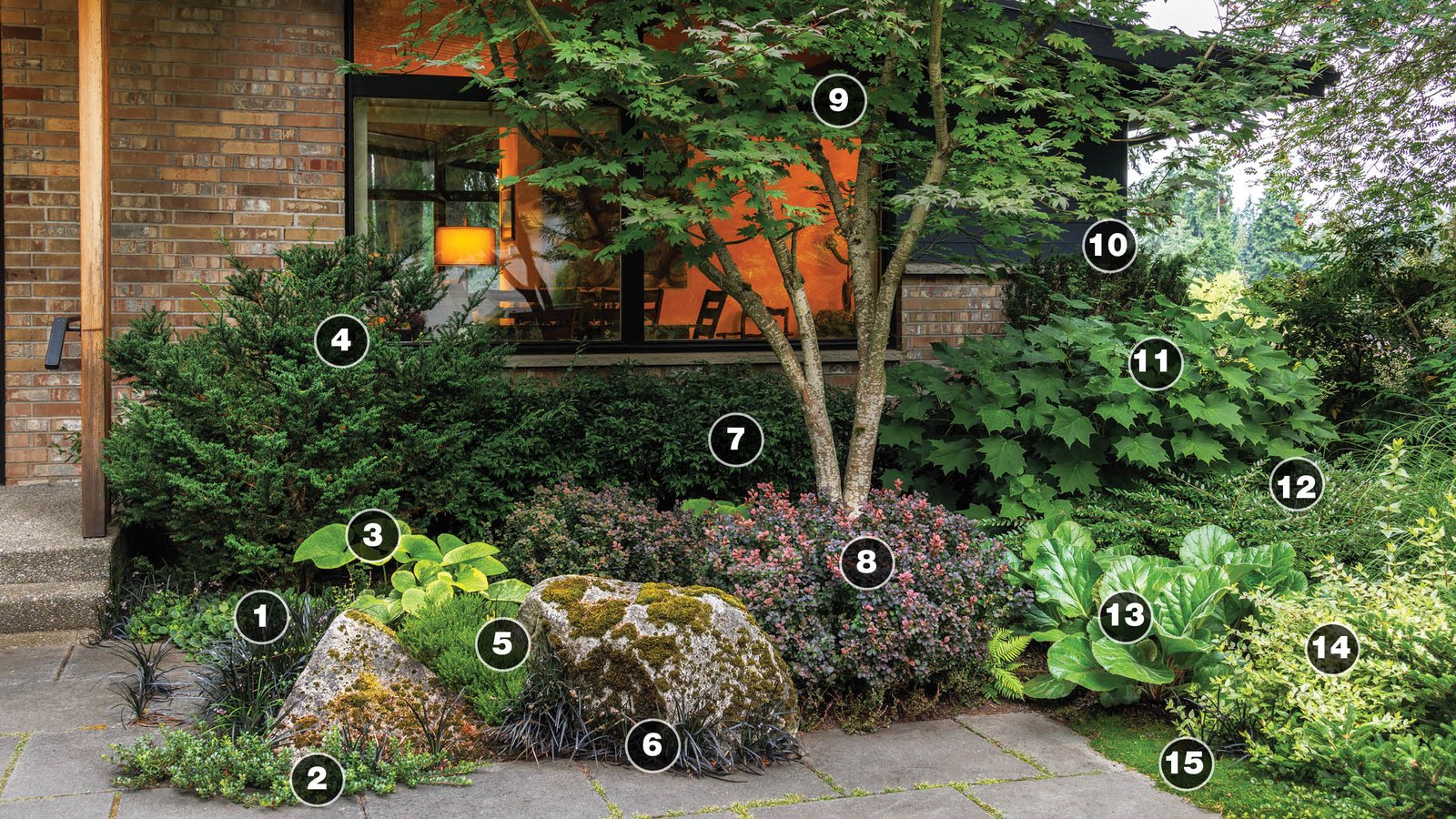
The easiest plant to care for is usually the one that already fits the place where you put it. A sun-loving shrub planted in deep shade may survive but rarely look its best. A moisture-loving perennial in a hot, dry border can become a constant watering project. A small nursery tree placed too close to a wall may become a pruning problem five years later.
Choosing the right plants before you buy saves more time and money than almost any other gardening habit. It also reduces the need for extra water, fertilizer, pest treatment, and repeated replacement.
This guide gives you a practical way to choose plants for your garden based on climate, light, soil, drainage, mature size, water needs, and maintenance. Instead of starting with a favorite plant and forcing the site to support it, you will learn to start with the site and build a shortlist of plants that have a good chance of thriving there.
Step 1: Know Your Climate Limits
Perennial plants must survive the normal temperature range where you live. In the United States, the USDA Plant Hardiness Zone Map is a useful starting point for average annual extreme minimum temperatures.
Hardiness zone is not the whole climate. Also consider:
- Summer heat and humidity
- Length of the growing season
- Rainfall pattern
- Wind exposure
- Snow cover
- Salt exposure near coasts or roads
- Frequency of drought
A plant may technically survive winter in your zone but struggle every summer. Look for local nursery experience, botanical garden recommendations, and extension information when climate is challenging.
Step 2: Measure Sunlight Honestly
Gardeners often describe an area as “sunny” because it is bright when they look at it. Plants respond to direct light hours, not human impressions.
Observe the site at several times of day. Record when direct sun reaches the planting area and when buildings or trees create shade.
| Light Description | General Meaning | Planning Note |
|---|---|---|
| Full sun | About 6+ hours direct sun | Afternoon sun is hotter than morning sun |
| Part sun | Roughly 4–6 hours direct sun | Often suitable for many adaptable plants |
| Part shade | Limited direct sun with bright ambient light | Morning sun may be ideal for heat-sensitive plants |
| Full shade | Little direct sun | Choose true shade-tolerant plants |
Plant labels use these terms as general guides. Local heat changes how the same light level affects a plant.
Step 3: Check Drainage Before Choosing Plants
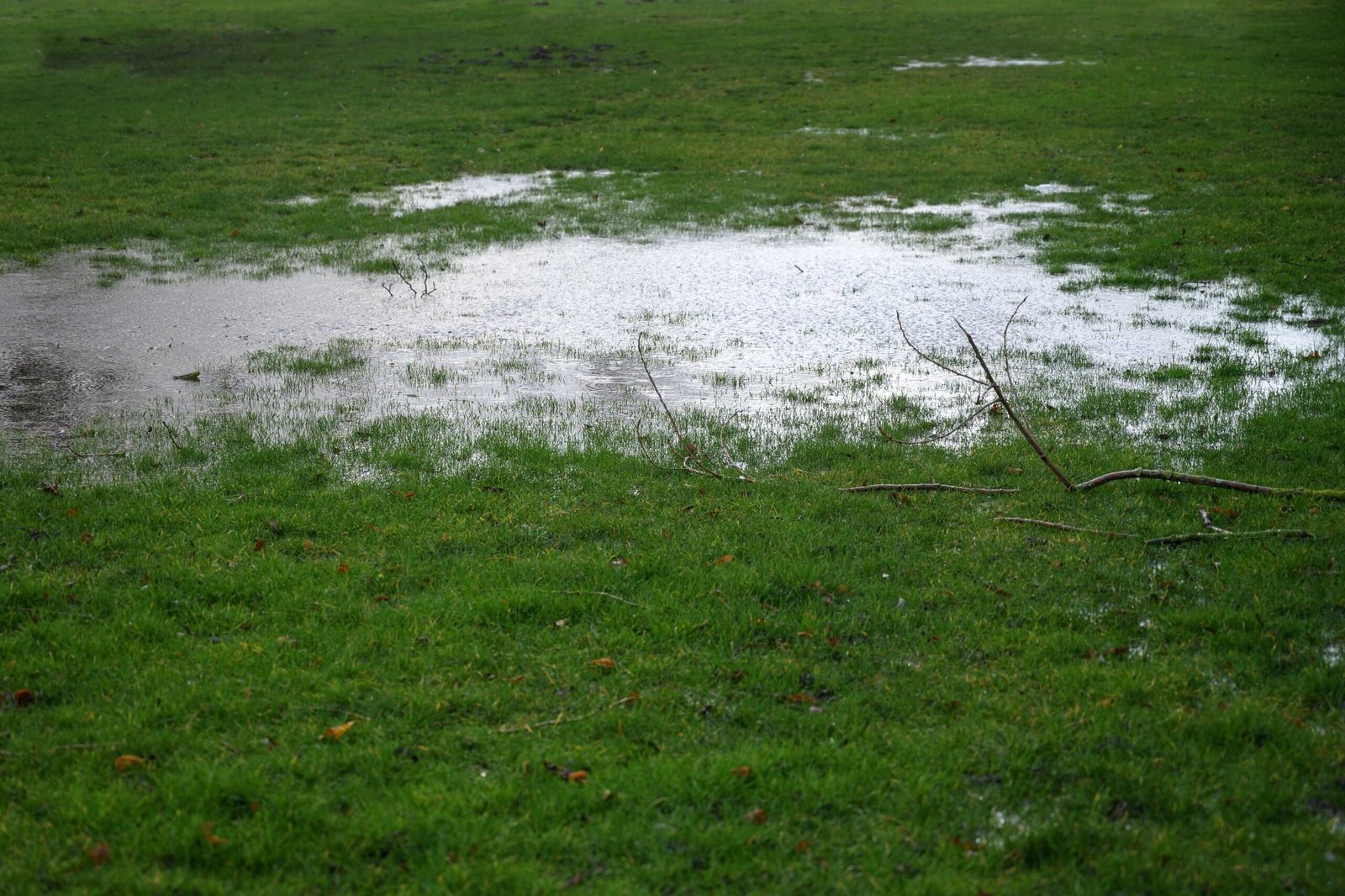
Dig a small hole and observe the soil after rain. Does water disappear reasonably quickly, or does the hole remain saturated?
Some plants need sharp drainage. Others tolerate seasonal moisture. Very few garden plants thrive with roots sitting in stagnant water for long periods.
If the site is naturally wet, either improve the drainage safely or choose plants adapted to moist soil. Do not buy a drought-loving plant and plan to “fix the soil later.”
Step 4: Understand Your Soil Without Overcomplicating It
You do not need a laboratory report for every flower, but basic soil knowledge helps.
Consider:
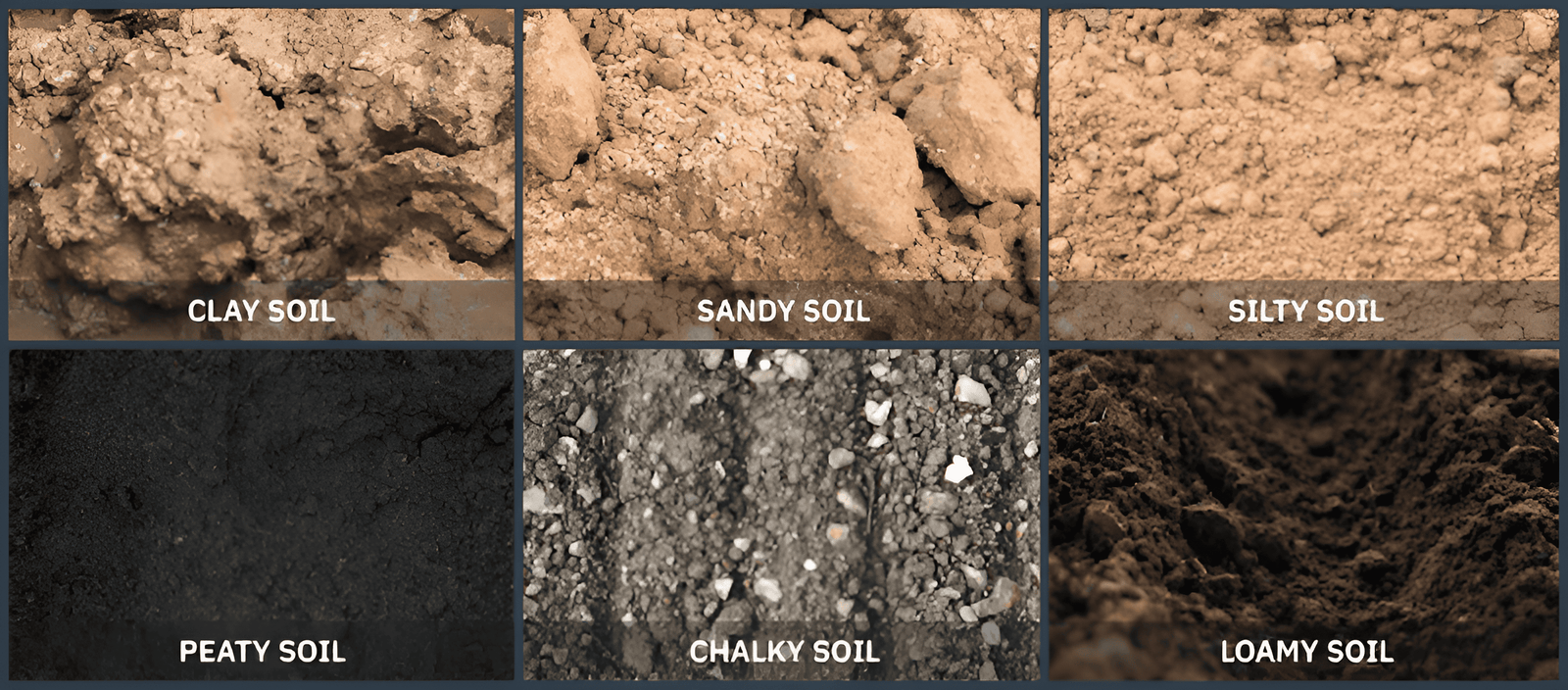
- Texture: sandy, loamy, clay-rich, or mixed
- Drainage speed
- Organic matter
- Compaction
- Approximate pH
- Known nutrient deficiencies
The USDA Natural Resources Conservation Service emphasizes soil structure, living roots, cover, and reduced disturbance as important parts of soil health. A healthy soil system is more useful than chasing a perfect fertilizer number.
Step 5: Check Mature Height and Spread
Nursery plants are sold young. A 60-centimeter shrub may eventually become three meters wide. A small tree can develop a broad crown. Read the mature dimensions before buying.
Ask:
- Will it block a window?
- Will branches reach a roof or power line?
- Will it cover a path?
- Will it shade a vegetable bed?
- Will roots compete with nearby plants?
- Can you access the plant for pruning and maintenance?
If a plant needs to be cut back several times each year just to fit the space, choose a naturally smaller cultivar.
Step 6: Match Water Needs to the Site
Group plants with similar water needs. A drought-tolerant border should not share the same irrigation schedule as thirsty annual flowers.
The EPA WaterSense outdoor guidance encourages water-efficient landscape design and choosing plants suited to local conditions.
Look beyond labels such as “drought tolerant.” Many drought-tolerant plants still need regular watering during establishment. The term usually describes performance after roots are established.
Step 7: Decide How Much Maintenance You Really Want
Every plant needs some care, but the workload varies. Before buying, think about tasks beyond watering.
- Does it need annual pruning?
- Does it drop fruit on a path?
- Does it self-seed heavily?
- Does it need staking?
- Is it susceptible to a common local disease?
- Will it need winter protection?
- Does it spread by runners?
A plant that is “easy” in one climate may be difficult in another. Local performance matters.
Step 8: Think About Plant Function
A useful garden plant should do a job, even if that job is simply providing beauty.
| Garden Need | Plant Trait to Look For |
|---|---|
| Privacy | Dense evergreen or deciduous screening |
| Pollinators | Seasonally staggered flowers |
| Shade | Appropriately sized tree |
| Low maintenance | Slow-growing, site-adapted plants |
| Edible harvest | Fruit, herbs, vegetables |
| Erosion control | Dense roots and ground coverage |
When plants have clear roles, the garden feels intentional rather than crowded.
Step 9: Prefer Diversity Over One-Plant Landscapes
Planting large areas with one species can create a dramatic effect, but it can also increase risk. A pest or disease that attacks that species may affect the whole planting.
Use a mix of plant families, forms, and flowering times. Diversity also provides different food and shelter sources for wildlife.
This does not mean buying one of everything. Repeating several well-chosen plants creates visual unity while preserving diversity across the garden.
Step 10: Check Whether the Plant Is Invasive Locally
A plant can be attractive and still cause ecological problems if it spreads aggressively into natural areas. Invasive status varies by region.
Check your local agriculture department, invasive species council, or extension service before buying plants known to spread quickly.
Do not rely only on a nursery label. A plant that is legal to sell may still be discouraged in your region.
Native Plants: Useful, but Still Site Specific
Native plants can support local insects and wildlife and often fit regional conditions well. However, “native” does not mean every native plant will grow anywhere in the region.
A wetland native placed in dry gravel may struggle. A woodland native may burn in full afternoon sun.
Match native plants to the same site factors you would use for any plant: light, soil, moisture, mature size, and climate.
How to Read a Nursery Plant Label
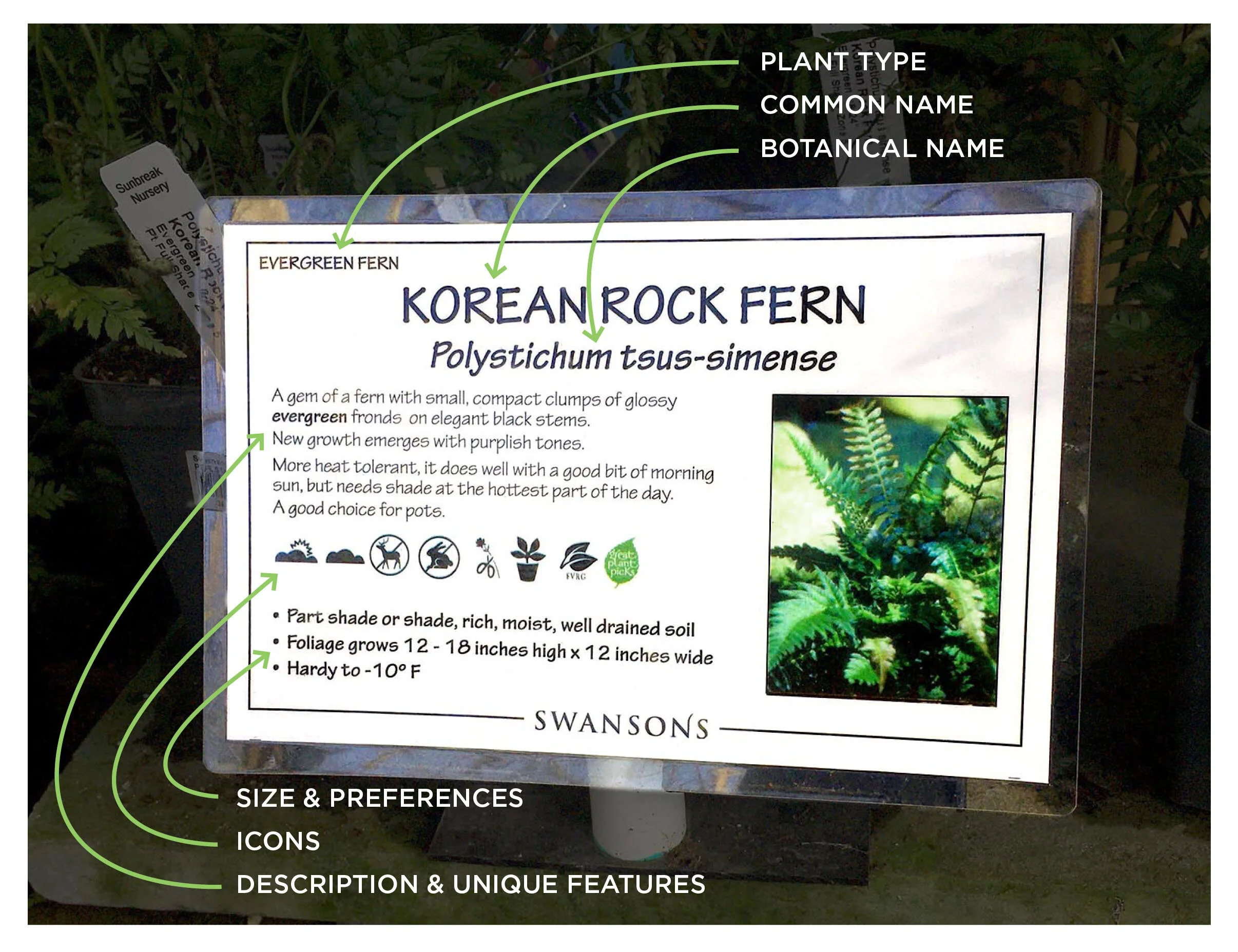
A useful label should tell you more than the flower color. Look for:
- Botanical name
- Cultivar name
- Hardiness range
- Sun requirement
- Mature height and width
- Water needs
- Flowering season
- Special care notes
The botanical name is especially important because common names can refer to several different plants.
Inspect the Plant Before Buying
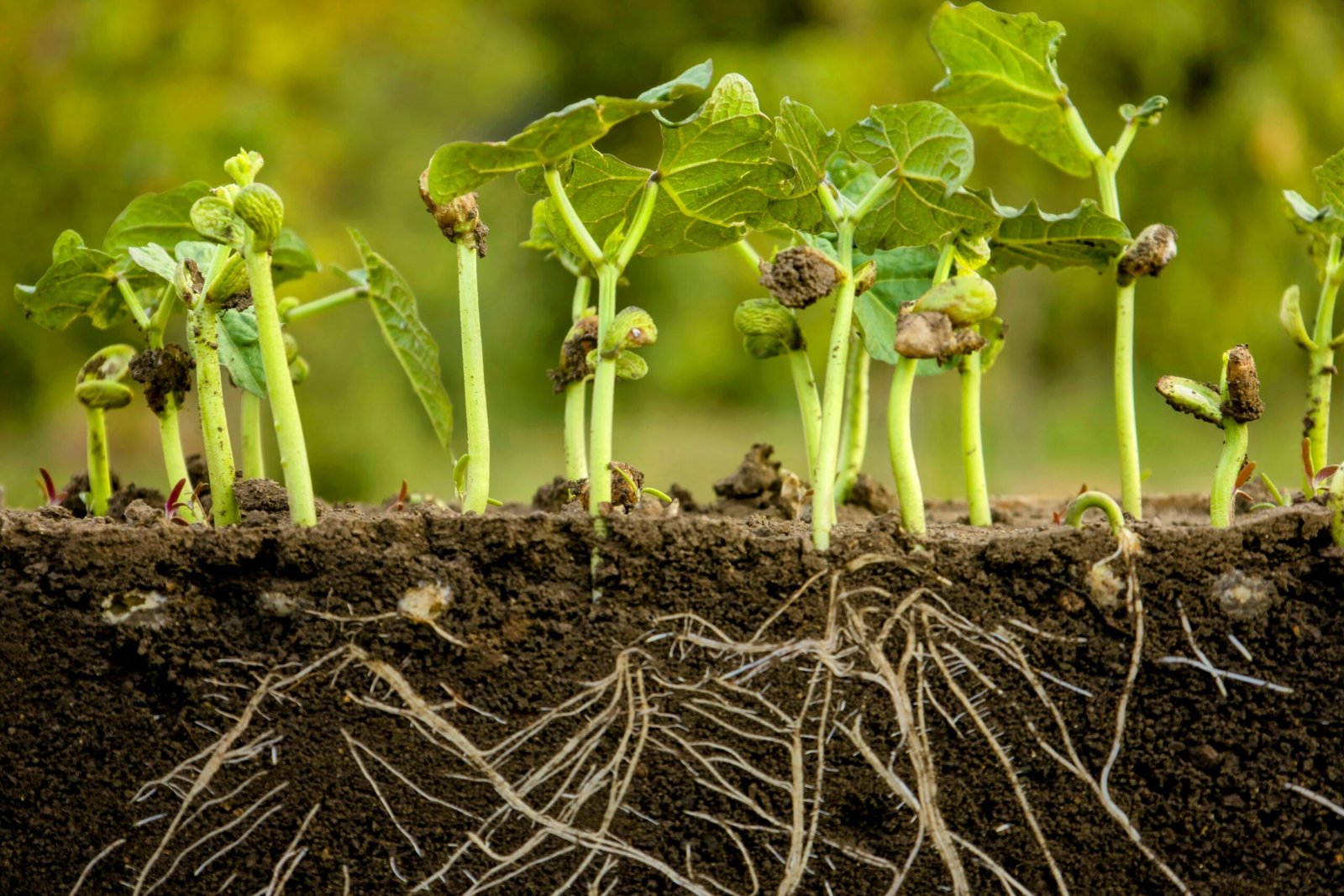
Even the right species can be a poor purchase if the individual plant is unhealthy.
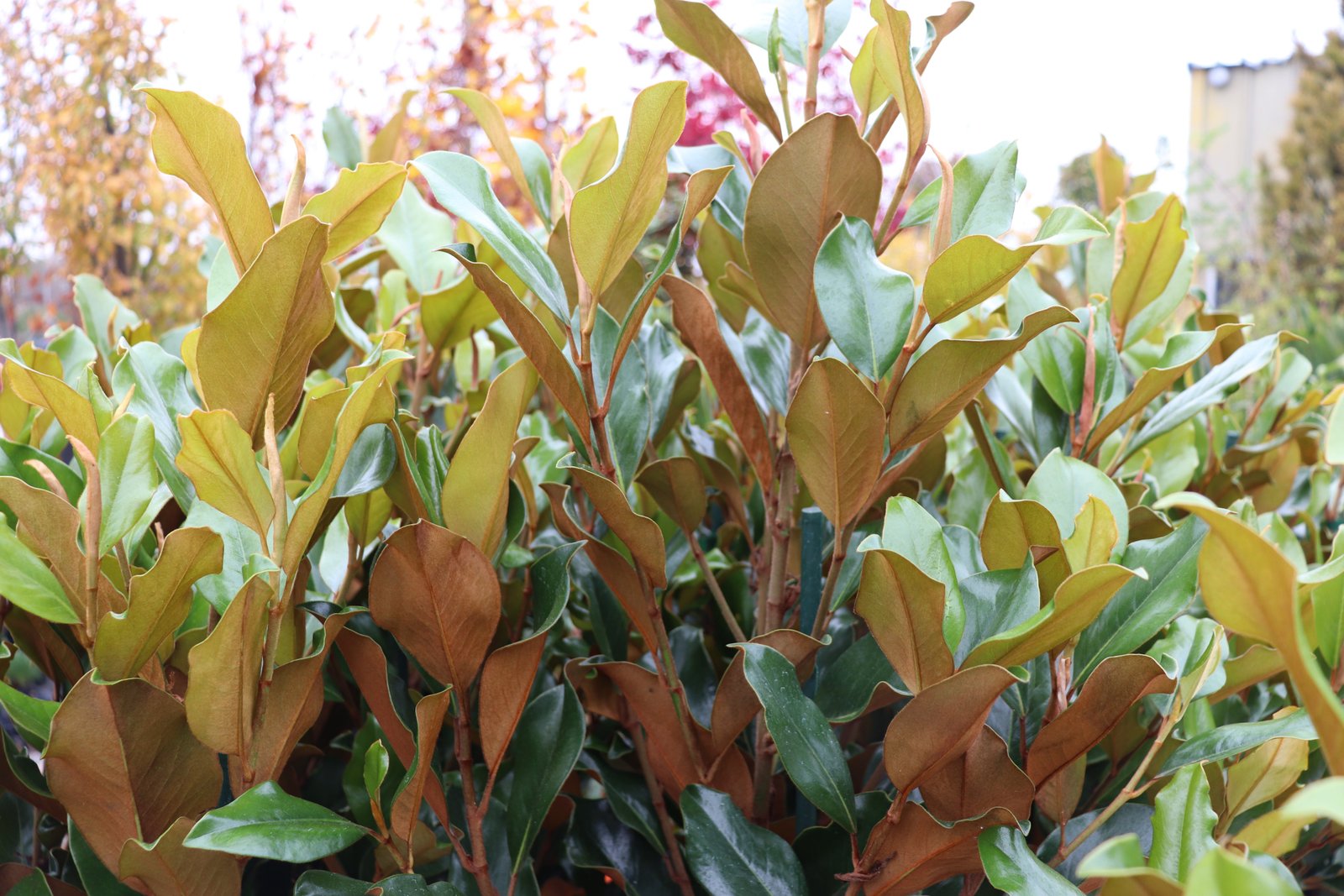
Check leaves
Look for widespread yellowing, severe spots, sticky residue, webbing, scale insects, or distorted new growth.
Check stems
Avoid major cracks, broken leaders, or obvious damage.
Check roots when possible
If the nursery allows you to slide the pot off gently, look for a healthy root system. Dense circling roots may need correction during planting, while black mushy roots can suggest overwatering.
Check weeds
A pot full of aggressive weeds can bring new problems home.
Do Not Judge a Perennial Only by Its Nursery Appearance
Perennials sold early in the season may look small. Plants sold in full bloom may look spectacular but require more careful establishment.
Choose healthy structure over the largest flower display. A compact, well-rooted plant often establishes better than a stressed plant forced into bloom.
A Practical Plant-Choosing Scorecard
Before buying, give the plant one point for each “yes.”
- It is hardy in my climate.
- The site provides the right light.
- The soil moisture fits the plant.
- The mature size fits without constant pruning.
- Its water needs fit nearby plants.
- I can provide the required maintenance.
- It is not invasive in my region.
- It serves a useful garden purpose.
- The individual plant looks healthy.
- I have a clear planting location now.
A low score does not mean the plant is bad. It means it may be wrong for that location.
Real-World Example: Choosing a Shrub for a Front Entry
A homeowner wants an evergreen shrub beside the front door. The space is only 1.2 meters wide, receives four hours of morning sun, and has clay soil that drains slowly.
At the nursery, a fast-growing evergreen looks attractive, but its label lists a mature width of three meters and full-sun preference. Buying it would create years of pruning.
Instead, the homeowner searches for a compact cultivar that tolerates part sun and heavier soil. They choose a plant with a mature spread close to the available space.
The second plant may look smaller on purchase day, but it is a better long-term fit.
Choosing Plants for Containers
Container plants face different conditions from in-ground plants. Roots experience faster temperature changes and the soil volume is limited.
Choose plants that fit the pot size, sun exposure, and watering routine. Avoid pairing a drought-loving succulent with a moisture-loving tropical plant in the same container.
For permanent container shrubs, confirm that the plant is cold-hardy enough for exposed roots in your climate.
Common Plant-Buying Mistakes
Buying before measuring
Measure the planting space and check mature dimensions first.
Choosing only by flower color
Flowers may last weeks. Plant structure, leaves, and size matter all year.
Ignoring the label because the plant is on sale
A discounted plant that cannot thrive in your site is not a bargain.
Assuming “low maintenance” means no maintenance
All garden plants need some establishment care and monitoring.
Buying without a planting location
Impulse plants often remain in nursery pots too long and dry out or become root-bound.
Planting the same species everywhere
Diversity reduces risk and creates more useful habitat.
Quick Plant Selection Checklist
- Know your climate zone and local summer conditions.
- Measure direct sunlight.
- Check drainage.
- Understand basic soil texture.
- Measure the available space.
- Read mature height and width.
- Match water needs with nearby plants.
- Check maintenance requirements.
- Check local invasive status.
- Inspect leaves, stems, and roots.
- Buy only when you have a planting plan.
Frequently Asked Questions
Is it better to buy small or large plants?
Large plants create an instant effect, but smaller healthy plants often establish quickly and cost less. Choose based on plant quality, budget, and how soon you need coverage.
Can I grow a full-sun plant in part shade?
Some adapt, but flowering and growth may decline. Choose a plant whose light requirement matches the site rather than relying on tolerance.
What does “low water once established” mean?
It means the plant may need less supplemental water after roots have grown into surrounding soil. New plants usually still need regular establishment watering.
Are native plants always low maintenance?
No. Native plants are adapted to regional ecosystems, but each species still has specific light, moisture, and soil needs.
Should I improve the soil or choose plants for the soil I have?
Both approaches can work. Improve obvious problems such as compaction, but avoid trying to completely change a naturally wet or dry site when suitable plants already exist for those conditions.
How many different plant species should I use?
There is no ideal number. Aim for enough diversity to avoid a single pest problem affecting everything, while repeating key plants so the design still feels connected.
Conclusion: Let the Site Build Your Shopping List
The best plant selection process starts before you enter the nursery. Measure the space, record sunlight, understand drainage, and decide what the planting needs to accomplish.
Then choose plants whose mature size, water needs, climate tolerance, and maintenance fit those conditions. Inspect the individual plant and check local invasive guidance before buying.
This approach may reduce impulse purchases, but it creates a garden that needs less correction later. When plants are naturally suited to their location, healthy growth becomes easier and maintenance becomes more predictable.