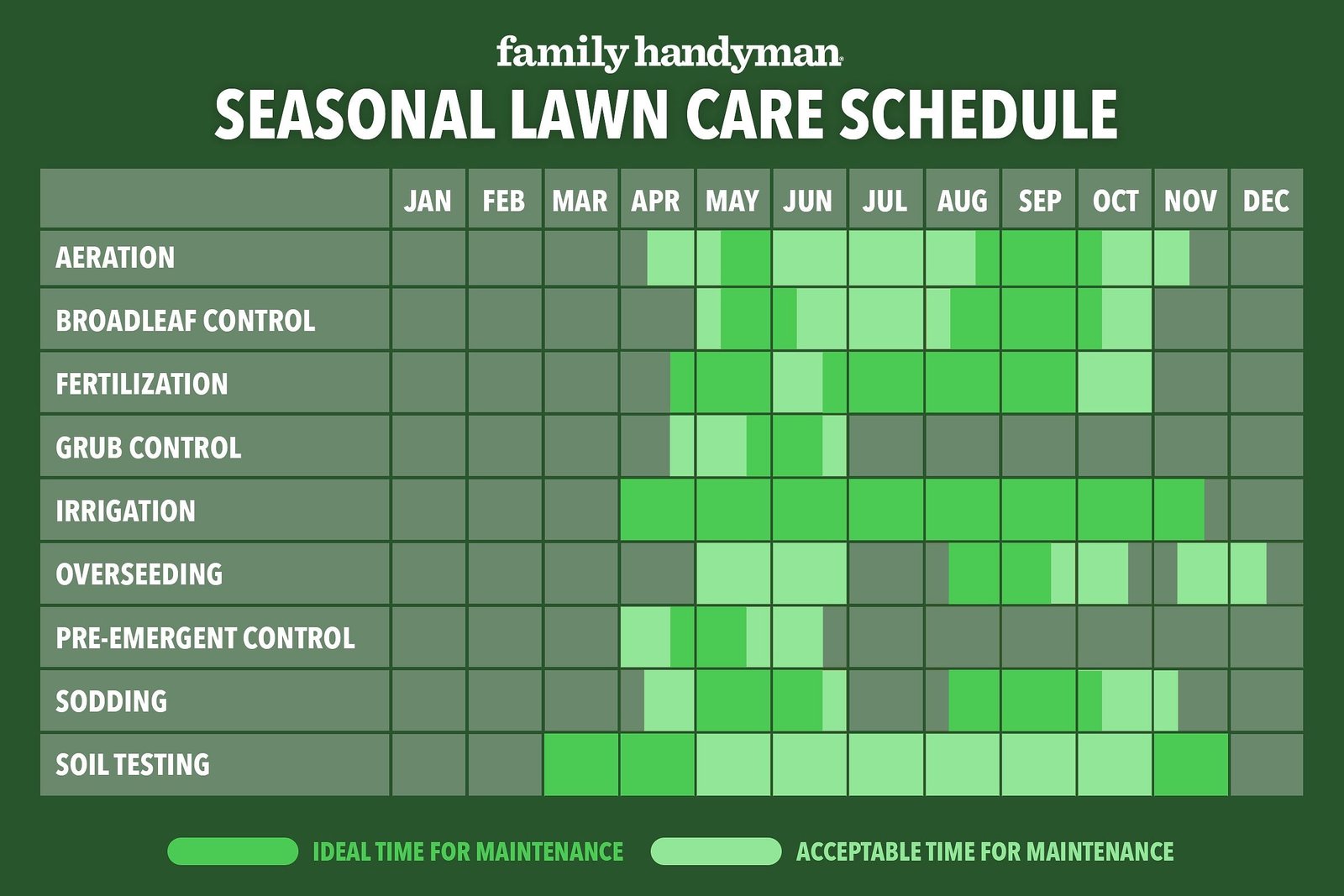
A garden becomes much easier to manage when you stop treating every task as urgent. Weeding, pruning, planting, watering, feeding, cleanup, and tool care all matter, but they do not all belong on the same weekend.
A seasonal garden maintenance calendar turns a long list of jobs into smaller routines. It also helps you avoid poor timing, such as pruning a spring-flowering shrub before it blooms, fertilizing plants as growth is shutting down, or leaving irrigation unchanged after the weather cools.
This guide gives you a flexible yearly maintenance system. It is not tied to one climate. Instead, it shows what to watch for in each season and how to adjust the schedule based on your frost dates, rainfall, plant types, and local growing conditions.
How to Use a Garden Maintenance Calendar
Do not treat the dates in a gardening calendar as fixed rules. Seasons arrive at different times in different regions. A gardener in a mild coastal climate may be planting while another gardener is still dealing with frozen soil.
Use three signals together:
- Calendar season: a general reminder of what usually needs attention.
- Weather: actual temperature, rainfall, frost risk, and soil conditions.
- Plant stage: dormancy, active growth, flowering, fruiting, or seed production.
For U.S. gardeners, the USDA Plant Hardiness Zone Map helps describe winter temperature limits. Local frost dates and recent weather still matter for day-to-day timing.
Build One Simple Garden Record
You do not need a complicated gardening app. A notebook, spreadsheet, or monthly note on your phone works.
Record:
- First and last frost dates you actually experienced.
- Major planting dates.
- When key plants flowered.
- Periods of drought or heavy rain.
- Pest or disease outbreaks.
- Fertilizer and soil amendment dates.
- Pruning dates for important shrubs and trees.
- Varieties that performed well or poorly.
After one year, your own record becomes more useful than a generic calendar because it reflects your site.
Late Winter: Inspect, Plan, and Repair
Late winter is a good time for planning because the garden structure is visible and growth is limited.
Inspect trees and shrubs
Look for storm damage, broken limbs, rubbing branches, and dead wood. Small safe pruning jobs may be possible during dormancy for suitable plants. Do not prune spring-flowering shrubs without confirming their flowering wood.
Clean and sharpen tools
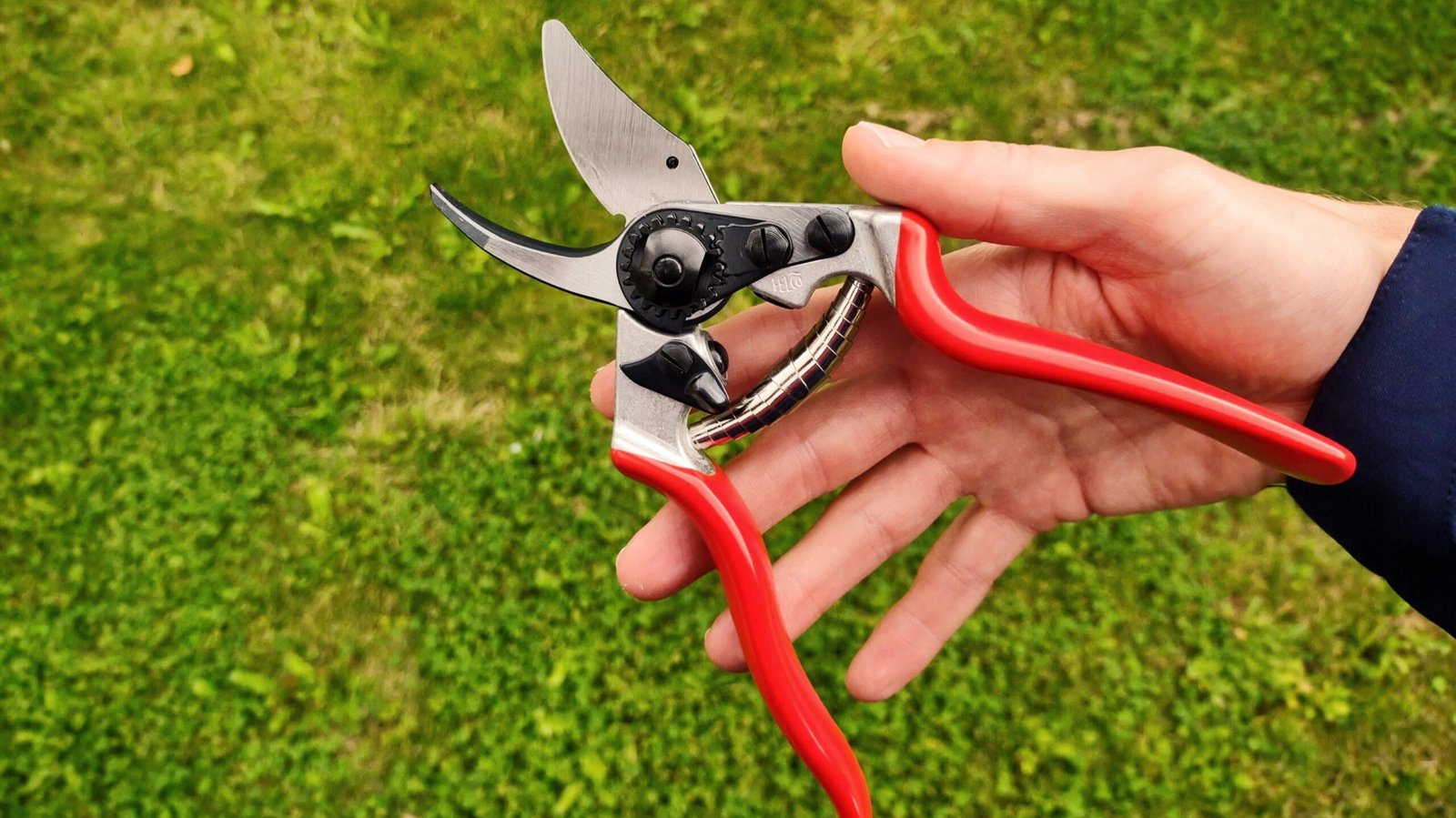
Sharpen pruners, clean shovels, repair handles, and check hoses and irrigation fittings before the busy season.
Review last year
Look at your notes. Which vegetables were overcrowded? Which border dried too quickly? Which plants needed repeated treatment? Use those problems to shape the new plan.
Order seeds thoughtfully
Buy varieties that match your space and growing season rather than buying only because the packet looks attractive.
Early Spring: Prepare Without Damaging Wet Soil
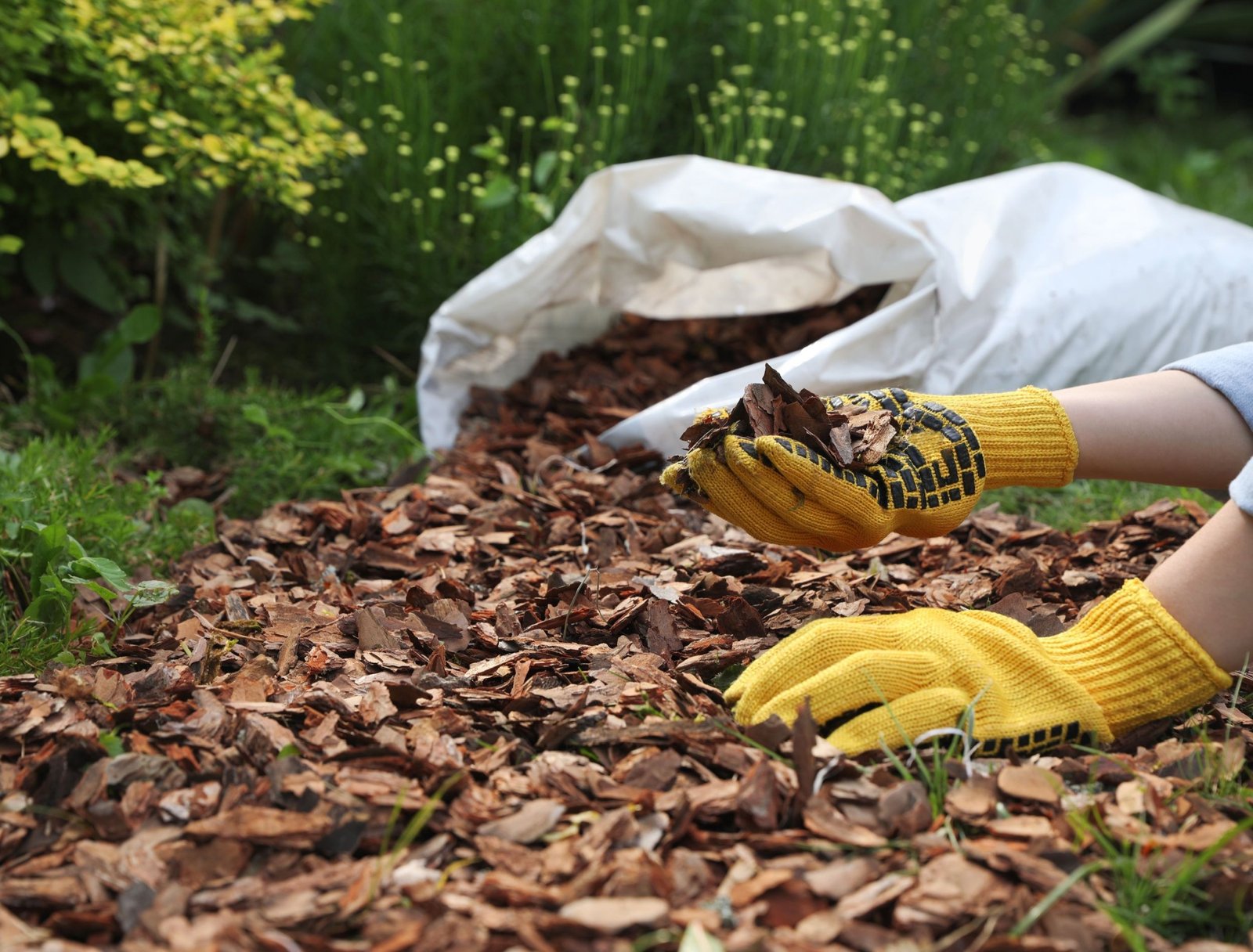
The first warm days can make gardeners eager to dig. Resist working soil when it is saturated. Wet clay and loam compact easily.
Check soil condition
Squeeze a handful. If it smears and stays sticky, wait. If it crumbles under gentle pressure, conditions are better.
Remove winter debris selectively
Clear broken stems and diseased material. Consider leaving some hollow stems or leaf litter until weather is consistently warmer if they may shelter beneficial insects.
Top up mulch
Check the existing layer first. Add more only where it has thinned. Keep mulch away from trunks and crowns.
Start cool-season planting
Plant only crops and ornamentals suited to current soil temperature and frost risk.
Mid-Spring: Plant, Weed Early, and Watch Moisture
Weeds are easiest to control while small. A few minutes of weekly weeding now can prevent hours of work later.
- Transplant hardy seedlings after suitable hardening off.
- Direct-sow crops that prefer cool conditions.
- Install stakes and trellises before plants become large.
- Check irrigation for leaks and clogged emitters.
- Watch new growth for aphids, slugs, and other early pests.
- Divide suitable perennials before hot weather where appropriate.
Do not water automatically just because plants are newly active. Check the root zone and account for spring rain.
Late Spring: Prepare for Rapid Growth
Late spring often brings fast plant growth and rising water demand.
Finish major planting
Warm-season plants can go out once soil and night temperatures are safe for them.
Support tall plants early
Install rings, stakes, or trellises before stems lean. Supporting a young plant is easier than repairing a broken mature one.
Thin seedlings
Direct-sown rows may need thinning. Give plants the spacing they need at maturity.
Check mulch and soil moisture
As temperatures rise, verify that mulch is still useful and irrigation reaches beneath it.
Early Summer: Shift From Planting to Maintenance

Once the garden fills in, maintenance becomes more important than adding new plants.
| Task | What to Watch | Action |
|---|---|---|
| Watering | Root-zone moisture | Water deeply when needed |
| Weeding | Young weeds | Remove before seed set |
| Pest checks | Leaf undersides and new growth | Identify before treating |
| Deadheading | Spent flowers | Remove where repeat bloom is desired |
| Harvesting | Vegetables and herbs | Pick regularly at best stage |
The EPA WaterSense watering guidance recommends adjusting outdoor watering to actual conditions rather than leaving irrigation unchanged through the season.
Mid-Summer: Manage Heat and Water Stress
Mid-summer is not the time to force the garden to look perfect. The priority is keeping roots healthy through heat.
Water based on soil, not wilt alone
Some plants wilt temporarily during intense afternoon heat even when the soil is moist. Check before watering.
Protect containers
Small pots may need daily checks. Move heat-sensitive containers away from reflective walls if leaves scorch.
Harvest frequently
Beans, cucumbers, zucchini, and herbs often stay productive when harvested regularly.
Pause heavy transplanting
Large planting jobs can wait if conditions are extremely hot and dry.
Late Summer: Review, Replant, and Prepare for Change
Late summer is useful for both harvesting and planning the next round.
- Remove crops that are finished or diseased.
- Sow suitable fall vegetables where the season allows.
- Collect seeds from healthy open-pollinated plants if desired.
- Take notes on plant performance before memory fades.
- Check trees and shrubs for drought stress.
- Reduce fertilizer on plants that should begin slowing before winter.
Do not leave diseased crop debris in place if it can carry problems into the next season.
Early Autumn: Plant Roots While Soil Is Warm
In many climates, autumn is an excellent planting season for trees, shrubs, and perennials because soil remains warm while air temperatures become cooler.
New plants still need water. Cool air does not mean the root ball cannot dry out.
Plant spring bulbs
Choose the correct depth and timing for your region.
Divide suitable perennials
Plants that tolerate fall division can be split while there is enough time for roots to establish.
Keep harvesting
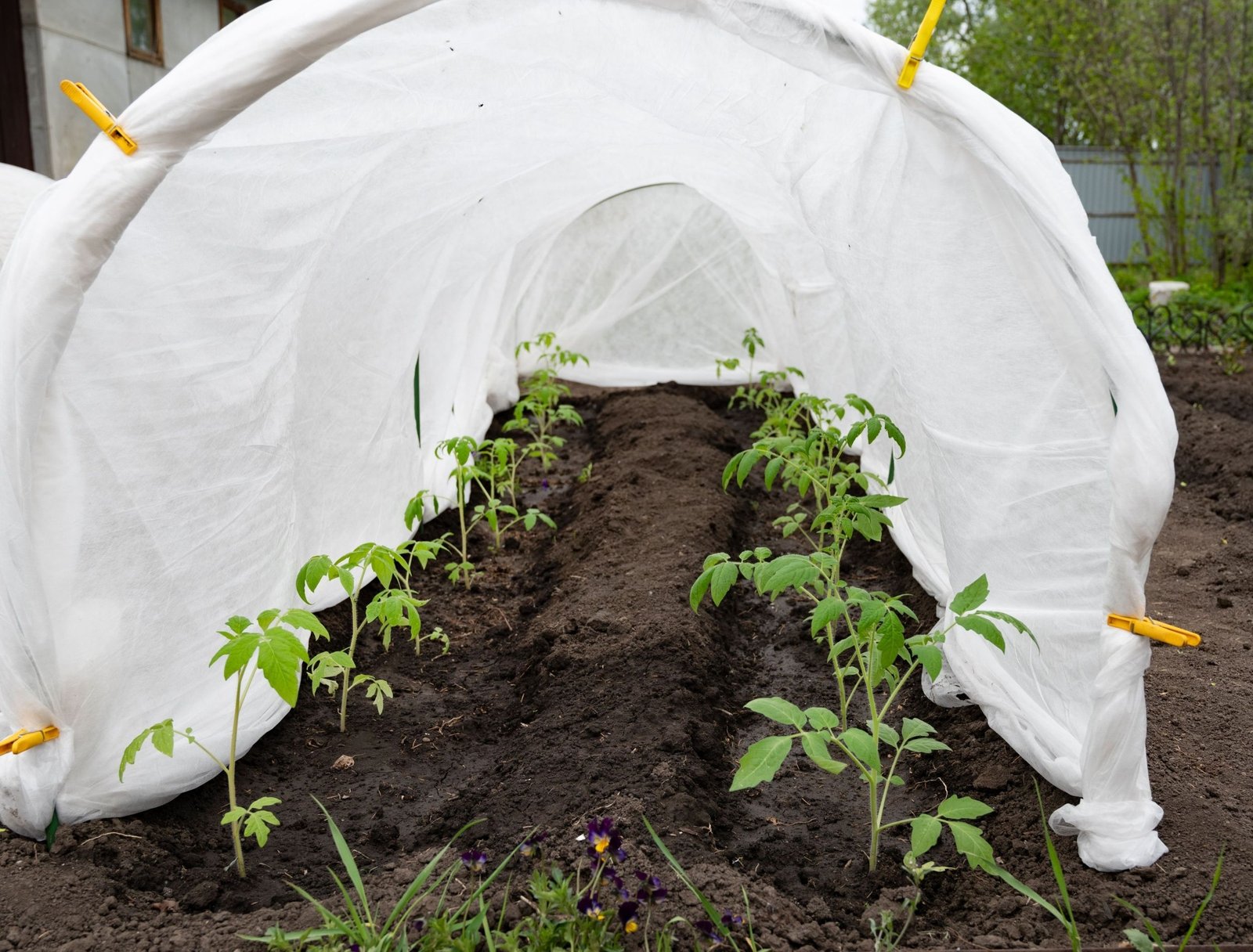
Many vegetables continue producing until frost. Protect cool-season crops when a light frost is expected.
Mid-Autumn: Use Leaves as a Resource
Fallen leaves are valuable organic material. Instead of bagging every leaf, use clean disease-free leaves as mulch, shred them into lawns, or collect them for leaf mold.
A thick wet mat can smother small plants, so shred or redistribute heavy layers.
Clean tools gradually
As jobs finish, clean supports, pots, and tools before storage.
Drain irrigation where needed
In freezing climates, follow manufacturer guidance for winterizing irrigation systems and outdoor taps.
Late Autumn: Prepare, Do Not Over-Clean
A completely bare garden is not always the healthiest winter garden. Some seed heads feed birds and some stems shelter insects.
Remove material that is diseased, unsafe, or blocking access. Leave useful structure where appropriate.
- Protect tender plants according to their needs.
- Secure climbing plants against winter wind.
- Store empty containers that can crack in freezing weather.
- Check tree guards and ties.
- Water evergreen plants before the ground freezes if conditions are dry.
Winter: Observe Structure and Rest the Soil
Winter reveals the garden’s framework. Use this time to notice problems hidden by foliage.
- Are paths wide enough?
- Are shrubs blocking windows or gates?
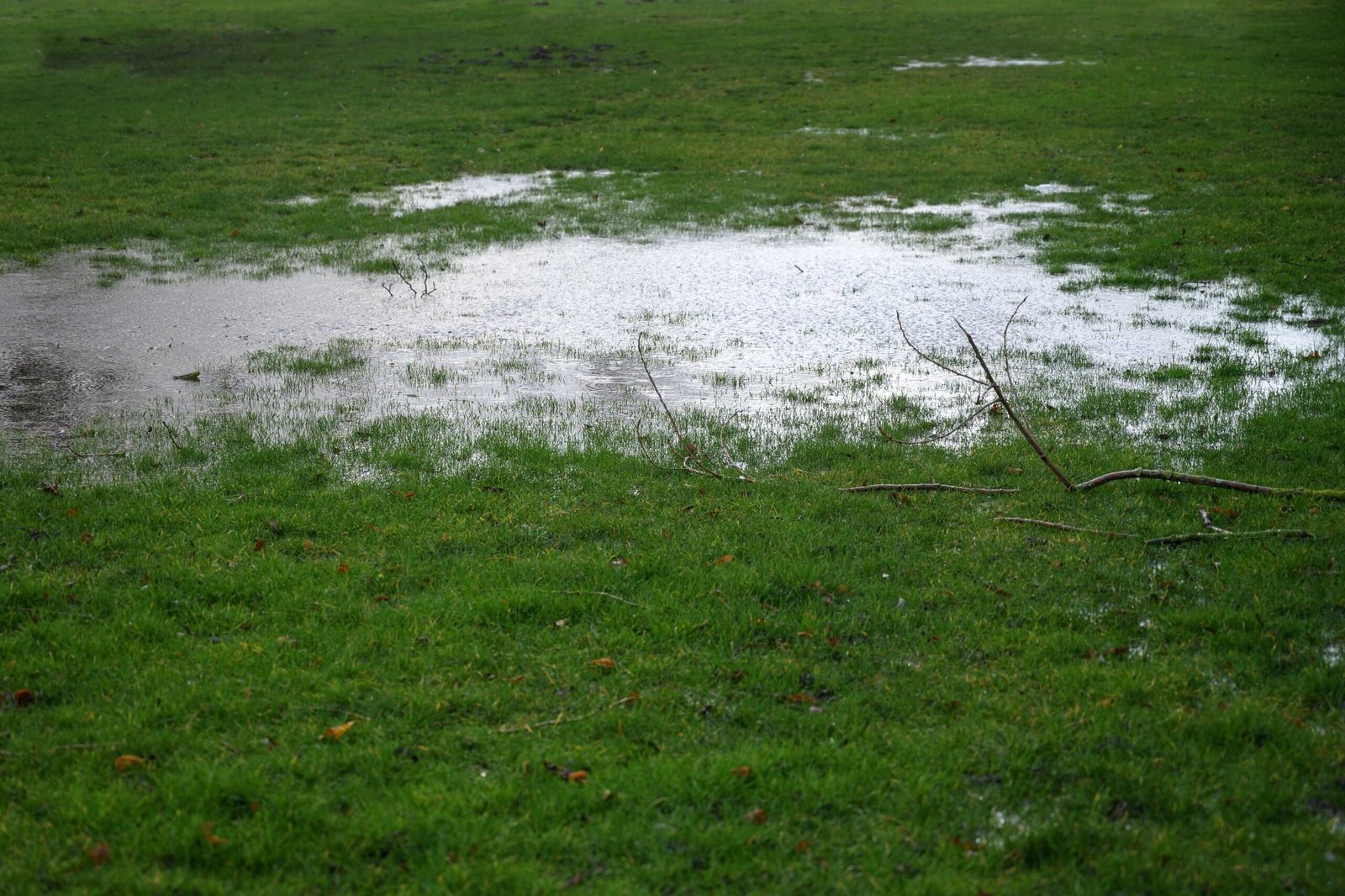
- Where does water collect after winter rain?
- Which beds need more evergreen structure?
- Where could a bench, trellis, or storage area improve daily use?
A garden does not need constant intervention. Rest is part of the yearly cycle.
Monthly Tasks That Matter All Year
Some tasks do not belong to one season. Build them into a simple monthly check.
Inspect irrigation
Look for leaks, broken fittings, blocked emitters, and areas that stay too wet.
Check mulch
Keep it off trunks and crowns. Add more only when needed.
Walk the garden slowly
Look at leaf color, new growth, pest damage, soil moisture, and plant shape.
Clean tools after messy jobs
Removing soil and sap regularly is easier than restoring badly rusted tools later.
How to Build a 20-Minute Weekly Routine
If you are busy, do not wait for a full free day. A short weekly routine prevents small issues becoming major jobs.
- Spend five minutes checking moisture.
- Spend five minutes pulling young weeds.
- Spend five minutes inspecting pests and damage.
- Spend five minutes harvesting, deadheading, or tying plants.
Choose one larger monthly job separately, such as pruning one shrub, repairing a path, or reorganizing irrigation.
A Real-World Seasonal Routine for a Small Garden
Consider a backyard with two vegetable beds, a perennial border, six containers, and three shrubs.
In spring, the owner spends most time on planting, thinning, and irrigation setup. In summer, the focus shifts to watering checks, harvesting, and pest inspection. In autumn, the owner replants a cool-season bed, divides one perennial, collects leaves for mulch, and records which vegetables performed best. In winter, they sharpen tools and redesign one narrow path.
The total work has not disappeared. It is simply spread across the year instead of becoming a stressful list.
Common Seasonal Maintenance Mistakes
Following a calendar instead of the weather
A date cannot tell you whether the soil is frozen, saturated, or unusually hot. Adjust.
Doing all pruning in winter
Many spring-flowering plants should be pruned after flowering. Confirm the plant first.
Fertilizing every plant on the same schedule
Different plants and soils need different feeding. Use soil tests and plant-specific guidance where appropriate.
Leaving irrigation unchanged all year
Water demand changes with temperature, rainfall, wind, mulch, and plant size.
Cleaning the garden too aggressively in autumn
Some stems, leaves, and seed heads provide useful winter habitat and protection.
Seasonal Garden Checklist
| Season | Main Focus |
|---|---|
| Late winter | Planning, tools, structural pruning where suitable |
| Spring | Soil readiness, sowing, transplanting, weed control |
| Summer | Moisture, harvesting, pests, support, heat management |
| Autumn | Planting, leaf use, cleanup, notes, winter preparation |
| Winter | Observation, repair, records, rest |
Frequently Asked Questions
How often should I weed a garden?
Check weekly during active growth. Removing tiny weeds takes much less time than pulling mature weeds with established roots and seed heads.
When should I add compost?
It depends on the crop, soil, and compost. Many gardeners add mature compost during bed preparation or as a surface layer. Use soil tests when nutrient levels are uncertain.
Should I clean up all leaves in fall?
No. Keep walkways safe and remove diseased material, but healthy leaves can be shredded, composted, or used as mulch where appropriate.
How often should I sharpen garden tools?
Sharpen when cutting becomes rough or requires extra force. Frequent users may need several touch-ups per season.
Do I need to fertilize every month?
No. Many plants do not need monthly feeding. Excess fertilizer can damage roots and pollute runoff. Base feeding on plant needs, soil, and product directions.
What is the most important weekly garden task?
Observation. A slow walk reveals drying soil, broken stems, early pests, weeds, and irrigation problems before they become expensive or difficult.
Conclusion: Let the Season Set the Priority
A useful garden maintenance calendar is not a rigid list of dates. It is a system for deciding what matters now and what can wait.
Spring favors preparation and planting. Summer favors water management, harvesting, and observation. Autumn favors planting, cleanup, and record keeping. Winter gives you time to inspect structure, maintain tools, and plan.
Keep a simple record and adjust the calendar each year. Once you know how your own garden responds to local weather, seasonal maintenance becomes less reactive and much easier to manage.