A vegetable garden often produces too much of one crop at once and then almost nothing a few weeks later. Ten lettuce plants mature together, a row of radishes is harvested in one weekend, or a bed of bush beans finishes before the next crop is ready. Succession planting solves that timing problem.
Instead of treating planting day as a one-time event, succession planting spreads sowing and transplanting across the season. You can plant small batches at intervals, replace finished crops with new ones, or choose varieties that mature at different speeds. The result is a steadier harvest and better use of limited garden space.
This guide explains how to build a succession planting plan that works in a real home garden. You will learn which crops suit the method, how to estimate planting dates, how to avoid gaps, and how to manage soil, watering, and heat as one crop follows another.
What Succession Planting Means in a Home Garden
Succession planting is the practice of planning more than one crop or planting date for the same garden space during a growing season. It can be as simple as sowing a short row of radishes every two weeks or as organized as replacing spring peas with summer beans and then fall greens.
The method is especially useful when:
- You garden in raised beds or a small yard.
- Your household prefers steady harvests instead of one large crop.
- You grow quick vegetables such as radishes, lettuce, spinach, arugula, or baby carrots.
- You have a long enough frost-free period for more than one crop.
- You want to keep bare soil occupied with useful plants.
Succession planting is not about forcing maximum production from every square centimeter. The goal is a manageable flow of crops that matches your climate, time, and kitchen needs.
Three Simple Succession Planting Methods

Method 1: Sow the same crop at intervals
This is the easiest version. Instead of sowing an entire seed packet, plant a smaller amount and repeat later.
Good candidates often include:
- Radishes
- Leaf lettuce
- Arugula
- Cilantro
- Bush beans
- Baby carrots
- Beets
- Turnips
The correct interval depends on weather and crop speed. A two-week gap is a common starting point for quick crops, but use the seed packet and local conditions to adjust. In cool spring weather, growth may be slow. In warm weather, the same crop may mature much faster or bolt.
Method 2: Replace one finished crop with another
This keeps a bed productive across seasons. A cool-season crop finishes, then a warm-season crop takes its place, followed by another cool-season planting where climate allows.
Examples:
- Spring spinach → summer bush beans → fall lettuce
- Early peas → cucumbers → fall radishes
- Spring lettuce → peppers → late-season greens
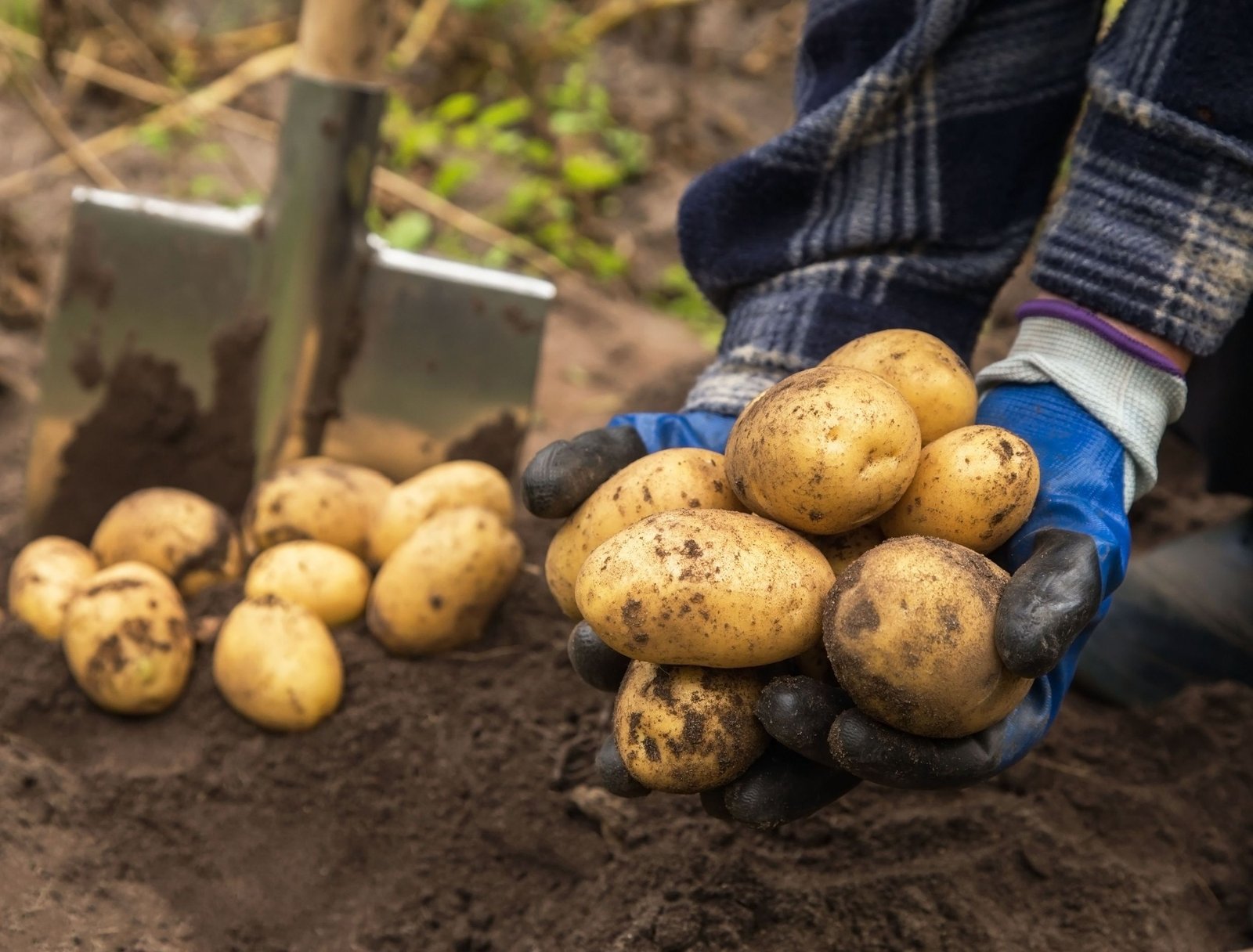
- Early potatoes → beans → quick fall roots
The important part is timing. The next crop must be ready to plant soon after the first one leaves. Starting seedlings in modules or small pots can reduce empty-bed time.
Method 3: Grow varieties with different maturity dates
You can spread harvest without repeated sowing by choosing early, midseason, and later varieties of the same crop. This works well for vegetables such as broccoli, cabbage, sweet corn where space allows, and some tomatoes.
Read the “days to maturity” on seed packets as a planning estimate, not a guaranteed harvest date. Temperature, day length, transplant stress, soil fertility, and water all influence real timing.
Step-by-Step: Build a Succession Planting Calendar

1. Find your local frost and seasonal windows
Start with reliable local gardening information. In the United States, county Extension services connected with land-grant universities are often useful sources for regional planting dates. Outside the U.S., use a local agricultural or horticultural authority.
Write down:
- Typical last spring frost
- Typical first fall frost
- Months with extreme heat
- Wet or dry periods that affect planting
Frost dates are probabilities, not promises. Keep some flexibility in your plan.
2. List what your household actually eats
Succession planting is most useful when the harvest fits the kitchen. If two people eat one small salad bowl of lettuce every few days, planting forty heads at once creates waste. Plant a smaller batch and repeat.
For each crop, write a rough weekly use. This turns the garden plan into a food plan.
3. Mark crop duration
Use seed-packet maturity information plus a small buffer. Direct-sown crops may need extra time in cool soil. Transplants need establishment time. A crop labeled 30 days may not be ready exactly 30 calendar days after sowing.
4. Work backward from the end of the season
For fall crops, estimate the latest realistic planting date by counting backward from the period when growth will slow or frost risk becomes high. Add extra time because shortening days and cooler temperatures can slow growth.
5. Add repeat sowing dates
Choose a practical interval for crops you want continuously. Start simple. Three sowings of lettuce are easier to manage than twelve tiny sowings scattered across a calendar.
6. Prepare replacement seedlings early
If a summer crop will follow spring greens, start the summer seedlings before the spring crop is completely finished. That lets you clear, refresh, and replant the bed quickly.
Best Vegetables for Succession Planting

| Crop | Useful Method | Main Planning Note |
|---|---|---|
| Radish | Repeat sowing | Fast crop; quality drops in strong heat for many varieties |
| Leaf lettuce | Repeat sowing / seasonal replacement | Choose heat-tolerant varieties as weather warms |
| Bush beans | Repeat sowing | Plant new blocks before older plants finish |
| Carrots | Repeat sowing | Keep seedbed consistently moist during germination |
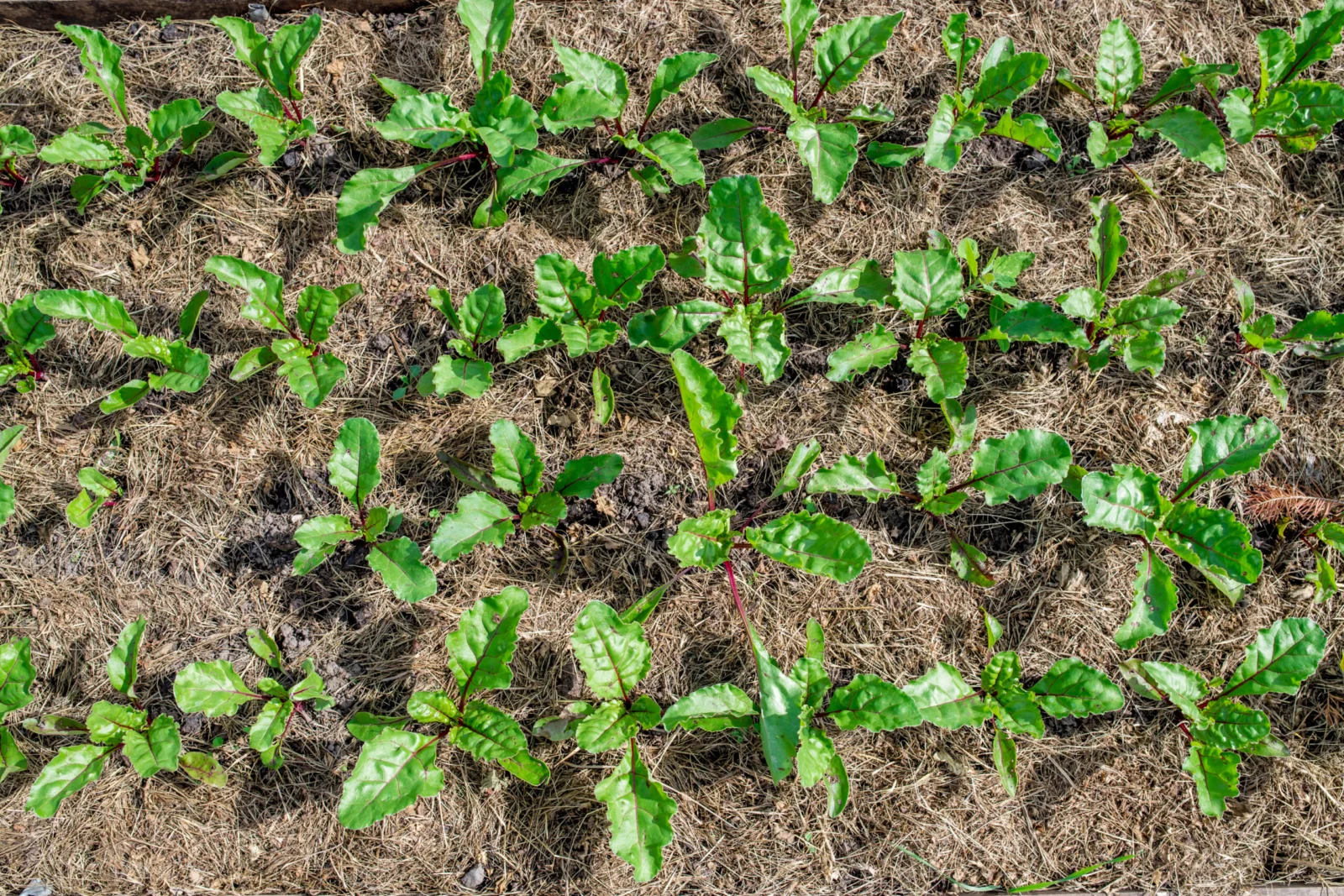
| Beets | Repeat sowing | Harvest roots and young greens |
| Spinach | Spring/fall replacement | Many varieties dislike hot weather |
| Peas | Seasonal replacement | Use the bed for a warm-season crop after peas finish |
| Cilantro | Repeat sowing | Bolts quickly in heat, so smaller repeated plantings help |
Real-World Small-Bed Example

Imagine a raised bed that measures about 1.2 by 2.4 meters. The gardener wants salad greens, beans, carrots, and herbs for a two-person household.
Early spring
- One short row of radishes
- One block of leaf lettuce
- One narrow row of carrots
- A small cilantro patch
Two weeks later, the gardener plants a second small block of lettuce and another short row of radishes.
Late spring
The first radishes are harvested. Bush bean seeds take their place. The earliest lettuce is harvested gradually, and a heat-tolerant lettuce variety replaces part of it.
Summer
A second block of bush beans is planted several weeks after the first. Cilantro is allowed to finish because the heat makes it bolt quickly. The open section is mulched briefly and then prepared for a later crop.
Late summer to fall
Where the first beans finish, the gardener adds a modest amount of mature compost if needed and plants fall greens and radishes. Carrots planted later in summer occupy another section.
The bed never needs to be completely full. A few open spaces make harvesting and replanting easier.
How to Prevent Harvest Gaps
A succession plan often fails because the next crop is planted after the previous crop is already gone. Use overlap.
Plant the next batch before the current batch peaks
If bush beans normally produce well for several weeks, sow the next block while the first block is still healthy. The second planting will establish before the first declines.
Start transplants outside the main bed
Lettuce, brassicas, and other suitable crops can be started in cell trays or small containers. They use little space while another crop finishes.
Keep notes from the first season
Record actual sowing and harvest dates. Your own garden record becomes more useful than a generic calendar because it reflects your soil, shade, weather, and varieties.
Manage Soil Between Successive Crops
Repeated planting does not mean repeatedly adding fertilizer without testing. Different crops have different nutrient needs, and overfertilizing can create excess nutrients and weak growth.
Between crops:
- Remove diseased plant material.
- Leave healthy roots in place when practical if they do not interfere with the next planting.
- Top-dress with mature compost when the bed needs organic matter.
- Use a fertilizer only when the crop and soil conditions justify it.
- Lightly loosen the surface rather than deeply disturbing the entire bed every time.
A soil test is useful for intensively planted beds because repeated compost and fertilizer applications can build nutrient levels over time.
Watering Successive Plantings
New seeds and mature vegetables in the same bed may need different watering patterns. Germinating seeds need reliable moisture near the surface, while established crops often benefit from deeper watering.
To manage both:
- Sow new seed in a small defined area.
- Use a gentle spray for the seed row.
- Keep mulch slightly away from tiny seed rows until seedlings emerge.
- Continue deeper watering for established crops.
- Check moisture instead of assuming one irrigation method fits every stage.
Succession Planting in Hot Weather
Heat is one of the biggest challenges. Cool-season crops may germinate poorly, become bitter, or bolt quickly when temperatures rise.
Useful strategies include:
- Switch to heat-tolerant varieties where available.
- Use temporary shade cloth for young seedlings when appropriate.
- Sow in a spot that gets afternoon shade.
- Start fall seedlings in containers where moisture and temperature are easier to manage.
- Wait for a more suitable weather window instead of forcing a crop that dislikes heat.
Succession planting should follow the season. It is not a requirement to grow lettuce continuously through conditions that do not suit lettuce.
Succession Planting in Containers
The method also works on balconies and patios. One large container can hold several crop cycles in a year.
For example:
- Grow spring radishes and leaf lettuce.
- Replace them with a compact pepper or bush bean crop.
- After summer, refresh part of the potting mix and plant fall greens.
Container mix loses nutrients and structure faster than garden soil, so inspect it between crops. Do not automatically reuse exhausted mix indefinitely. Refresh or replace it as needed and make sure drainage remains open.
Use Interplanting to Smooth the Transition
Interplanting places a young crop beside a nearly mature crop. It can save time, but plants must not compete too strongly.
Examples include:
- Radishes between young lettuce plants, harvested before lettuce expands.
- Fast greens near slow-growing tomatoes early in the season, removed as tomatoes need more space.
- Fall greens transplanted near finishing summer crops where light is still adequate.
Check spacing at mature size. A bed that looks empty in week one can become crowded in week six.
Common Succession Planting Mistakes
- Planting too much each time. Smaller batches create a steadier harvest.
- Ignoring days getting shorter. Fall crops often mature more slowly than spring crops.
- Using only packet maturity numbers. Real weather changes crop speed.
- Waiting until a bed is empty to start the next crop. Start seedlings or the next sowing early.
- Repeating fertilizer after every crop. Feed based on need, not routine.
- Forgetting crop families and pest cycles. Where possible, rotate families and remove diseased residues.
- Trying to keep cool crops alive through extreme heat. Choose crops that fit the season.
- Not recording dates. A simple notebook makes next year much easier.
A Simple Succession Planning Worksheet
| Crop | Sow/Plant Date | Expected Harvest Window | Next Crop |
|---|---|---|---|
| Leaf lettuce 1 | Early spring | Mid to late spring | Bush beans |
| Radish 1 | Early spring | 3–5 weeks later | Carrots or beans |
| Bush beans 1 | After frost risk | Summer | Fall greens |
| Fall greens | Late summer | Fall | Season end / cover crop where suitable |
Replace the general season labels with dates that fit your climate and varieties.
Succession Planting Checklist
- Know your main growing-season limits.
- Choose crops your household will eat.
- Plant smaller batches instead of one large sowing.
- Use maturity dates as estimates.
- Start the next crop before the current crop is completely finished.
- Keep young transplants ready when useful.
- Refresh soil thoughtfully between crops.
- Adapt watering for seeds and mature plants.
- Change crops when the weather no longer suits them.
- Record actual planting and harvest dates.
Frequently Asked Questions
How often should I succession plant vegetables?
It depends on the crop and weather. For fast crops, an interval of roughly one to three weeks can be a useful starting range. Observe how quickly each planting matures and adjust.
What is the easiest crop for succession planting?
Radishes, leaf lettuce, arugula, bush beans, and cilantro are easy crops to experiment with because they grow relatively quickly and can be planted in small batches.
Can I succession plant tomatoes?
In long growing seasons, gardeners sometimes use early and later tomato plantings, but tomatoes occupy space for a long time. Choosing varieties with different maturity dates is often easier than repeated sowing in a small bed.
Do I need to add compost after every crop?
No. Add amendments based on soil condition and crop need. Repeated heavy compost use can raise nutrient levels beyond what plants need.
Can I use succession planting in a raised bed?
Yes. Raised beds are well suited to the method because they are easy to divide into small planting blocks. Just watch moisture and soil fertility because intensive planting can increase demand.
What if my second planting grows faster than the first?
Weather can cause this. Harvest both as they become ready, and note the dates. Next season you can widen the interval or choose a different variety.
Conclusion: Plan the Next Harvest Before the Current One Ends
Succession planting turns a vegetable garden from a one-time planting project into a simple seasonal rhythm. Sow small batches, replace finished crops with plants suited to the next weather window, and use varieties with different maturity dates when that makes planning easier.
Start with only two or three crops. Record the dates you sow, transplant, and harvest. After one season, you will know whether a two-week lettuce interval is too short, whether beans need a longer gap, and when summer heat changes your plan.
The best succession plan is not the most complicated one. It is the plan that gives your household useful harvests, keeps the garden manageable, and makes good use of space without exhausting the soil or the gardener.