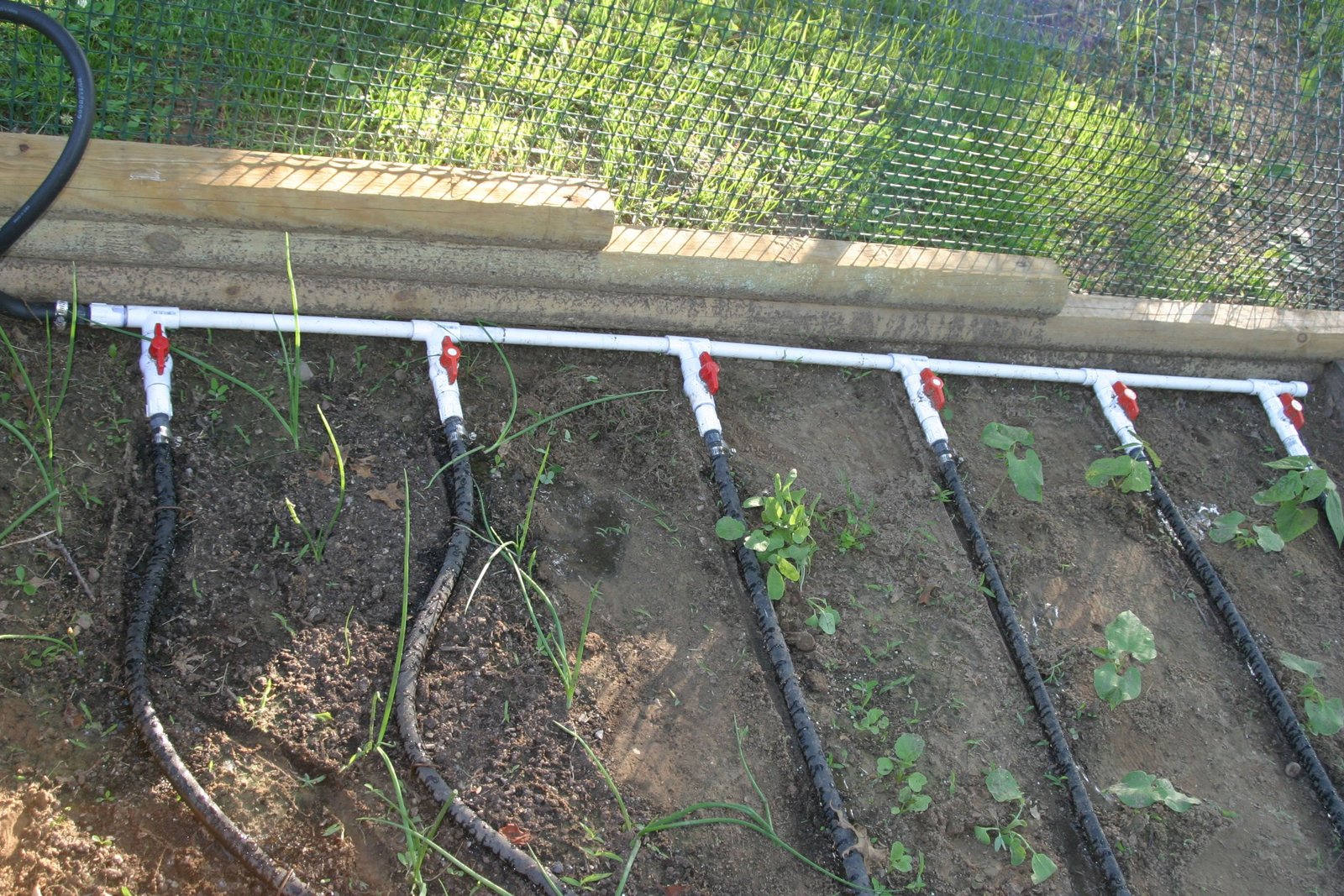
A good garden watering schedule is not a fixed rule such as “water every morning” or “give every plant one inch each week.” Those shortcuts can be useful starting points, but real gardens change. Soil texture, temperature, wind, rainfall, mulch, plant age, container size, and root depth all affect how fast water is used.
The most reliable approach is to water based on soil moisture and plant need. That means checking the root zone, watering deeply enough to wet it, and then allowing appropriate drying before the next irrigation. This method encourages stronger roots and reduces wasted water.
This guide shows you how to build a simple watering schedule for vegetables, flowers, shrubs, raised beds, and containers. You will also learn how to adjust it through the season, spot signs of too much or too little water, and choose a watering method that fits your garden.
What a Good Garden Watering Schedule Really Does
The purpose of a schedule is not to force nature into a calendar. It is to give you a repeatable way to decide when to check and when to water.
A useful schedule should help you:
- Keep the active root zone evenly moist when plants need it.
- Avoid constant surface sprinkling that encourages shallow roots.
- Reduce runoff and evaporation.
- Respond to rainfall instead of watering automatically.
- Give young plants extra attention while roots establish.
- Adjust for containers, raised beds, and different soil types.
The U.S. Environmental Protection Agency WaterSense program recommends efficient outdoor watering practices such as checking for leaks, using water wisely, and matching irrigation to actual landscape needs. That same principle works well in a home food garden: water because the soil needs it, not simply because a timer says so.
Why “How Often Should I Water?” Has No Single Answer
Two gardens on the same street may need different schedules. One may have sandy soil and full afternoon sun. The other may have clay-rich soil, morning sun, and a thick mulch layer. Watering both on the same timetable can leave one dry and the other waterlogged.
| Factor | What It Changes | Typical Adjustment |
|---|---|---|
| Sandy soil | Drains and dries faster | Check moisture more often |
| Clay-heavy soil | Holds water longer | Water more slowly and less often |
| Hot, windy weather | Raises water loss | Check sooner |
| Mulch | Reduces evaporation | May extend time between watering |
| New transplants | Small root system | Monitor closely during establishment |
| Containers | Limited soil volume | Check frequently, especially in heat |
Instead of memorizing a number, learn how your soil behaves. After a few weeks of checking moisture, you will usually see a pattern.
Step-by-Step: Build Your Own Watering Schedule

1. Group plants by similar water needs
If possible, keep plants with similar needs in the same irrigation zone. A thirsty vegetable bed should not share the exact watering pattern of a drought-tolerant perennial border. Containers also deserve their own check because they dry faster than in-ground beds.
2. Learn the soil type
Pick up moist soil and feel it. Gritty soil with little cohesion is likely sandier. Smooth, sticky soil that forms a ribbon is likely higher in clay. Loam sits between those extremes. Soil texture tells you whether water is likely to move quickly or slowly.
3. Check moisture below the surface
The top centimeter can look dry while the root zone is still moist. Push a finger into loose soil, use a trowel to inspect a small slice, or use a simple moisture meter as a supporting tool. The goal is to see what is happening where roots are active.
4. Water thoroughly
Apply water slowly enough that it soaks in rather than running away. After watering, check the soil depth with a trowel in a safe spot. If only the surface is wet, extend the watering time or slow the flow.
5. Record how long the soil stays moist
Check again the next day and over the following days. Note weather and rainfall. This gives you a baseline for that bed.
6. Turn the baseline into a check schedule
If a bed usually stays appropriately moist for three days in mild weather, plan to check around that point rather than watering automatically on day three. In hot weather, check earlier. After rain, check later.
How Deep Should You Water?

“Deep watering” means wetting the part of the soil where most active roots are growing. It does not mean flooding the garden or using one fixed depth for every plant.
Seedlings and newly transplanted plants have shallow roots, so they may need moisture nearer the surface. Established vegetables and perennials often benefit from moisture reaching deeper into the root zone. Trees and large shrubs have different patterns again.
Use a simple field check:
- Water the bed at a moderate rate.
- Wait long enough for water to move into the soil.
- Dig a small inspection hole away from important roots.
- See where the soil changes from moist to dry.
- Adjust the next watering duration based on what you find.
This approach is more reliable than assuming that 10 or 20 minutes on a hose always produces the same result. Water pressure, emitter flow, soil type, and bed shape can change the outcome.
Best Time of Day to Water a Garden
Morning is usually a practical choice because temperatures are often cooler and plants have water available before the hottest part of the day. It can also reduce evaporation compared with midday watering.
That does not mean a stressed plant should wait until morning. If a plant is severely dry in the afternoon, water it. Plant health matters more than following a clock rule.
When using overhead irrigation, try to avoid keeping foliage wet for long periods when disease pressure is high. Drip irrigation and soaker hoses place more water near the soil and keep leaves drier.
Best Watering Methods for Home Gardens

Hand watering
A watering wand or hose gives excellent control for containers, seedlings, and small beds. The main risk is inconsistency. It is easy to wet the surface quickly and move on before the root zone is moist.
Drip irrigation
Drip systems deliver water slowly near the root area. They work well for vegetable rows, raised beds, shrubs, and many container setups. Check emitters often because a blocked emitter can leave one plant dry while the rest look fine.
Soaker hoses
These can be useful in simple beds. Pressure and hose length affect distribution, so inspect the soil along the line rather than assuming every section receives equal water.
Sprinklers
Sprinklers can cover larger areas, but wind and evaporation may reduce efficiency. They also wet foliage and paths. If you use one, place identical straight-sided containers around the watering area for a short test. Uneven water levels reveal dry and wet zones.
A Practical Starting Schedule by Garden Type
The following is a monitoring guide, not a rigid watering prescription.
| Garden Type | What to Check | Useful Starting Habit |
|---|---|---|
| New seedlings | Surface and shallow root zone | Check daily in warm weather |
| New transplants | Moisture around the root ball | Check often during establishment |
| Established vegetable bed | Moisture several centimeters down | Check every few days, then adjust |
| Raised bed | Edge and center moisture | Check more often than nearby ground if it drains quickly |
| Containers | Whole pot moisture and drainage | Check daily during hot or windy periods |
| Established shrubs | Deeper root-zone moisture | Use slower, deeper watering when needed |
These habits are intentionally flexible. A large self-watering container may stay moist much longer than a small terracotta pot. A mulched raised bed can outperform dry in-ground soil. Use the table to decide when to inspect, then let the soil determine the action.
Watering Vegetable Gardens Through the Season
After sowing seeds
The upper soil layer needs consistent moisture while seeds germinate. Use a gentle spray so you do not wash seeds away. Once seedlings establish, gradually shift toward deeper watering.
After transplanting
Water the transplant thoroughly so the root ball and surrounding soil make good contact. Monitor closely during the first days and weeks. A plant with a small root system cannot yet reach moisture far away.
During flowering and fruiting
Many vegetables become less forgiving of large moisture swings during flowering and fruit development. Consistency is especially useful for crops such as tomatoes, peppers, cucumbers, and squash. Avoid alternating between very dry soil and heavy saturation.
Near harvest
Continue checking plant needs rather than stopping irrigation by date. Some crops can split or develop quality issues after dramatic moisture changes. Others may need less water as weather cools.
Adjust the Schedule Through the Season
A schedule that works in spring may fail in midsummer. Review it whenever weather or plant size changes.
- After heavy rain: pause irrigation and check the soil first.
- During a heat wave: inspect beds and containers more often.
- During windy weather: expect containers and exposed beds to lose moisture faster.
- After adding mulch: check whether the bed now stays moist longer.
- As plants mature: remember that larger plants often use more water.
- As days shorten: reduce irrigation when soil begins drying more slowly.
If you use an automatic controller, do not treat “set and forget” as good maintenance. Seasonal adjustments and rain shutoff features can prevent unnecessary watering.
How Mulch Changes Watering Needs

A layer of suitable mulch shades the soil surface and slows evaporation. Organic mulches such as shredded leaves, straw suitable for gardens, or wood-based materials can also reduce soil splash and weed pressure.
Keep mulch away from direct contact with plant stems and tree trunks. Water should reach the soil beneath the mulch, not run off the top. After adding mulch, check moisture before keeping the old irrigation schedule. You may find the bed needs water less often.
Signs You May Be Underwatering
- Soil is dry well into the root zone.
- Leaves wilt and remain wilted after the coolest part of the day.
- Leaf edges become dry or crisp.
- Containers feel unusually light.
- Young plants stop growing during hot weather.
Do not rely on wilt alone. Some plants wilt temporarily in intense midday heat even when the soil is moist. Check the soil before adding more water.
Signs You May Be Overwatering
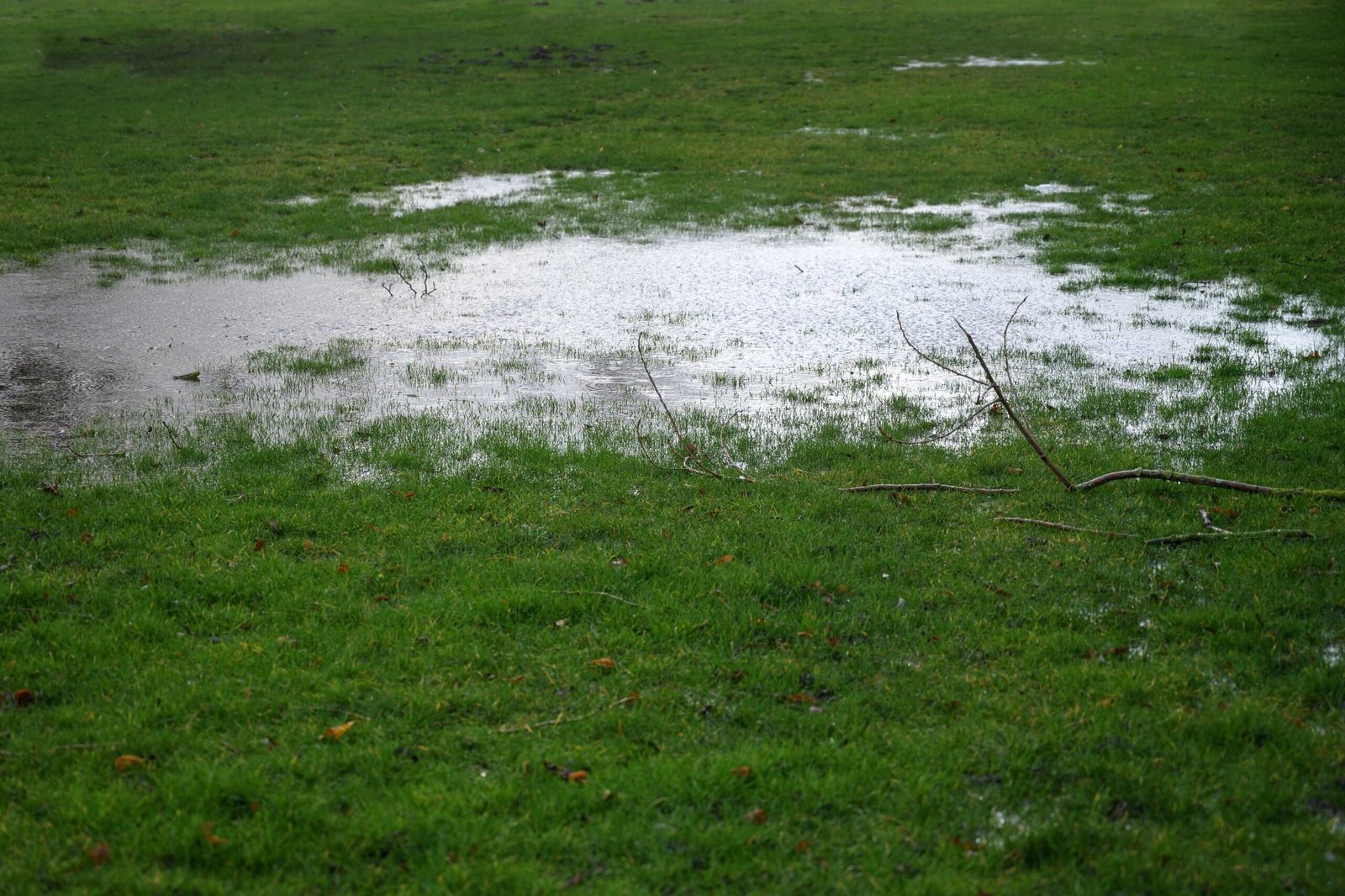
- Soil remains saturated for long periods.
- Lower leaves yellow while the soil is still wet.
- Roots become brown, soft, or poorly developed.
- Fungus gnats become common in constantly wet container mixes.
- Plants wilt even though the soil is wet because damaged roots cannot function well.
If overwatering is the problem, do not only reduce the frequency. Also check whether the soil or container can drain properly.
Real-World Example: A Small Raised Vegetable Bed
Imagine a 1.2-by-2.4-meter raised bed with tomatoes, basil, beans, and lettuce. The bed receives six to seven hours of sun and has a compost-rich mix with straw mulch.
During mild spring weather, the gardener checks moisture every two to three days. The soil usually remains moist beneath the mulch, so watering happens only when the root zone begins to dry.
In midsummer, temperatures rise and the tomato plants become large. The gardener checks daily during the hottest week, but still does not water automatically. A drip line applies water slowly. After the first irrigation, the gardener digs a small inspection hole and discovers that the lower half of the root zone is still dry. The next cycle runs longer.
After a storm drops substantial rain, the automatic irrigation is skipped for several days. This simple pattern—check, water deeply, verify, adjust—works better than a fixed daily timer.
Water-Saving Checklist
- Water based on soil moisture, not habit.
- Fix leaking hoses, fittings, and emitters.
- Use drip or targeted watering where practical.
- Water slowly enough to prevent runoff.
- Add appropriate mulch to reduce evaporation.
- Group plants with similar water needs.
- Pause irrigation after useful rainfall.
- Check containers separately from in-ground beds.
- Inspect automated systems at least several times each season.
- Keep weeds controlled so they do not compete for water.
Common Watering Mistakes
Watering a little every day
Frequent shallow watering can keep only the surface moist. Except when germinating seed or caring for special shallow-root situations, established plants often benefit from deeper wetting followed by an appropriate drying period.
Using the same schedule for every plant
Containers, seedlings, vegetables, established shrubs, and drought-tolerant plants do not have identical needs.
Ignoring rainfall
A timer that runs after a soaking rain wastes water and may stress roots.
Watering by appearance alone
Wilting can result from drought, heat, root disease, or waterlogged soil. Touch and inspect the soil before deciding.
Never checking irrigation coverage
One clogged drip emitter or poorly aimed sprinkler can create a dry pocket that is easy to miss.
Frequently Asked Questions
How many times a week should I water my garden?
There is no correct weekly number for every garden. Check the root-zone moisture and adjust for soil, weather, mulch, plant size, and rainfall. Use a calendar as a reminder to inspect, not as proof that watering is needed.
Is morning really the best time to water?
Morning is often efficient because it is cooler and plants have moisture before daytime heat. However, a dangerously dry plant should be watered when it needs water. Do not delay emergency watering just to follow a preferred time.
How can I tell if I watered deeply enough?
After watering, use a trowel or soil probe to inspect how far moisture moved into the soil. Increase the duration or reduce the application rate if only the surface is wet.
Should I water every day during hot weather?
Containers and new seedlings may need daily attention, but established in-ground beds may not. Check the soil. Mulch, shade, soil type, and root depth can let some beds go longer between irrigations.
Does yellow foliage always mean too much water?
No. Yellow leaves can come from natural aging, nutrient issues, root problems, pests, disease, too little light, and other causes. Wet soil that stays saturated is one clue, not a complete diagnosis.
Are moisture meters accurate?
Low-cost meters can be useful as one clue, but readings vary with soil type, salts, and placement. Confirm important decisions by feeling or inspecting the soil directly.
Conclusion: Use a Check-and-Adjust Routine
The best garden watering schedule is a flexible routine built around observation. Group plants by need, learn how your soil drains, check moisture below the surface, and water slowly enough to reach the active root zone. Then watch how long the bed stays moist.
As weather, plant size, and seasons change, adjust. Pause after rain. Check more often during heat and wind. Treat containers and new transplants as separate cases. If you automate irrigation, inspect the system rather than trusting it blindly.
Once you understand how water moves through your own garden, watering becomes simpler. You use less guesswork, waste less water, and give roots a more stable environment for healthy growth.