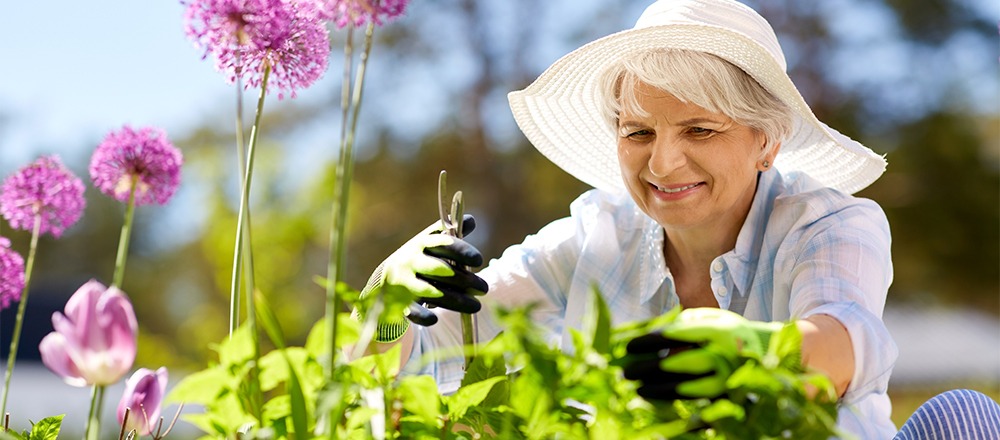

How Do I Get Good at Gardening? Wondering how to get good at gardening? Here are 20 honest, practical tips that actually work — from a real home gardener who made every beginner mistake so you don’t have to.
Every experienced gardener was once a complete beginner who killed things.
Tomatoes that turned yellow and gave up. Basil that bolted within a week. An entire row of seeds that simply never appeared. A courgette plant that somehow produced nothing despite looking enormous and healthy. A raised bed that cost a small fortune and grew mainly weeds.
If any of that sounds familiar, you are not cursed with a black thumb. You are just at the beginning of a learning curve that every gardener goes through — and the only way out is through.
Getting good at gardening is not about talent. It’s not about having the right soil, the right climate, or the right garden. It’s about understanding a handful of key principles, developing a few good habits, and — most importantly — keeping going when things don’t work out.
This guide covers 20 honest, practical things that will actually make you a better gardener. Not theory. Not complicated science. Just the real things that separate gardeners who struggle from gardeners who produce beautiful, productive gardens year after year.
Table of Contents
- Understand that failure is part of gardening
- Start smaller than you think you should
- Learn your soil first
- Master sunlight before anything else
- Grow what you actually eat
- Water correctly — not just regularly
- Feed your soil, not just your plants
- Learn your frost dates
- Keep a garden journal
- Observe your garden daily
- Learn to identify problems early
- Master succession planting
- Harvest regularly — and correctly
- Compost everything you can
- Learn one new skill each season
- Use the right tools — and keep them sharp
- Don’t fight your climate — work with it
- Read the labels and seed packets
- Connect with other gardeners
- Be patient with yourself
1. Understand That Failure Is Part of Gardening
Let’s start with the most important thing — the thing most gardening guides skip over entirely.
Every season brings new challenges and opportunities to learn. Embrace it — you will make mistakes but you will also grow your knowledge and skills as a gardener.
Plants die. Harvests fail. Pests appear from nowhere. A crop that did brilliantly last year does terribly this year for no obvious reason. This is not a sign that you’re doing it wrong. It is gardening. It happens to every single person who has ever put seeds in the ground — from rank beginners to professional horticulturalists.
The gardeners who get good are not the ones who never fail. They are the ones who fail, figure out what went wrong (or accept that sometimes there’s no explanation), and try again next season with that knowledge.
Every dead plant is information. Every failed harvest is a lesson. Every mistake you make in the garden is making you a better gardener — as long as you keep going.
What this looks like in practice
When something goes wrong — and it will — resist the urge to give up. Instead, ask:
- What did this plant actually need that I didn’t provide?
- Was the problem light, water, soil, pests, timing, or something else?
- What would I do differently next time?
Note the answer down. Then plant again.
2. Start Smaller Than You Think You Should
This is the advice every beginner ignores and every experienced gardener wishes they’d followed.
A good rule of thumb? Start with a space you can maintain in an hour or two each week. Try out a few crops instead of 10. Once you get the hang of it, you can always add on.
The excitement of starting a new garden leads almost every beginner to plant too much, too soon. A huge vegetable patch. Eight different crops. Fifty varieties of seed. And then the overwhelm sets in — too much to water, weed, and harvest — and the whole thing becomes a source of stress rather than joy.
A single 1.2m x 2.4m raised bed, planted with 3–4 crops you actually want to eat, managed consistently through the season, will teach you more and produce more satisfaction than a sprawling garden that gets neglected by July.
Start small. Grow a few things well. Expand next year based on what you’ve learned.
The beginner garden that actually works
- One raised bed or 4–6 containers
- Cherry tomatoes (1–2 plants)
- Lettuce or salad leaves (one row)
- Courgette (1 plant — trust us, one is enough)
- A pot of basil, chives, and parsley
That’s a manageable, productive, genuinely satisfying first garden. Everything else can wait until next year.
3. Learn Your Soil First
If there is one thing that separates gardeners who struggle from gardeners who thrive, it is this: the good ones understand their soil.
Understanding soil quality helps gardening feel more manageable and less confusing. A basic soil test (you can find inexpensive kits online) will tell you your pH and nutrient levels. From there, you can amend with compost, aged manure, or other organic materials.
Most beginners treat soil as a passive backdrop — the stuff you put plants in. Experienced gardeners know that soil is a living ecosystem, and the single most important factor in whether plants grow well or struggle.
What healthy soil looks like
- Dark and rich in colour — not pale or grey
- Loose and crumbly — not compacted or clay-like
- Full of life — worms, small insects, and visible organic matter
- Well-draining — water soaks in rather than pooling on the surface
How to improve any soil
The answer to almost every soil problem is the same: add compost. Compost improves drainage in clay soils, water retention in sandy soils, fertility in depleted soils, and biological activity in dead soils. Add it generously every season and your soil will improve year after year.
Test your soil pH — most vegetables prefer a pH between 6.0 and 7.0. An inexpensive test kit from any garden centre tells you where you stand. Adjust with garden lime if too acidic, or sulfur and compost if too alkaline.
Mulching with shredded leaves, straw, or grass clippings is another easy way to improve your soil and keep moisture in. As you grow your garden, you’ll start thinking about your soil as a living thing to feed and protect.
4. Master Sunlight Before Anything Else
Misjudging sunlight is a common pitfall when you’re first learning to garden.
Before you plant a single seed, spend a few days getting to know your space. Where does the sunlight hit throughout the day? Are there areas that stay damp or dry out quickly? Is your home or shed shading part of your yard during certain hours?
Most vegetables and flowers require at least 6 hours of direct sunlight. Most edible plants — including many vegetables, herbs, and fruits — need at least 6 hours of sun in order to thrive. Some crops such as lettuce and spinach will grow well in partially sunny spots, but sun-loving plants like tomatoes and peppers need as much light as possible.
The honest sunlight audit
Spend one full day in your garden or outdoor space. Check it every 2 hours and note which areas are:
- In full sun (6+ hours of direct sun daily)
- In partial sun (3–6 hours)
- In shade (under 3 hours)
Match your plants to these zones honestly. A tomato plant in a partially shaded spot will produce a fraction of what it would in full sun. A lettuce plant in blazing afternoon sun will bolt within weeks.
The right plant in the right light is one of the most powerful things you can do to improve your garden results immediately.
5. Grow What You Actually Eat
This sounds so obvious it barely seems worth saying. And yet it’s the mistake a surprising number of beginners make.
Only grow things your family likes to eat. There’s no sense in spending all your time and energy — and money — growing things you won’t enjoy or that will go to waste.
It is very tempting, especially when browsing seed catalogues, to grow interesting and unusual things. Giant pumpkins. Purple carrots. Exotic peppers. Climbing squash with names you can barely pronounce.
Grow what you cook. Grow what you eat every week. Grow what you’ll actually walk outside and pick for tonight’s dinner.
For most home cooks, this means: tomatoes, courgettes, lettuce, cucumber, green beans, and herbs — particularly basil, chives, parsley, and mint. These are the plants that earn their space in a kitchen garden because they’re used constantly.
Once you have the basics growing well, add one or two interesting varieties each season. But your core growing space should always be devoted to the things your kitchen actually needs.
6. Water Correctly — Not Just Regularly
Overwatering is the single most common cause of plant death among beginners. More plants die from too much water than from too little.
The goal is not to water on a schedule. The goal is to give your plants what they need, when they need it. And the only way to know that is to check the soil.
Water early in the morning to reduce evaporation and fungal diseases. Fungal diseases can be hard to control, so it is better to prevent them from happening.
The two golden rules
Rule 1: Check before you water. Push your finger 2–3cm into the soil. If it still feels moist, wait. If it’s dry at that depth, water thoroughly.
Rule 2: Water deeply and infrequently. Rather than a little water every day, water thoroughly every 2–3 days (or when the soil needs it). Deep watering encourages roots to grow downward, making plants more resilient in dry spells.
Signs you’re overwatering
- Yellow leaves (particularly lower leaves dropping off)
- Soft, mushy stems at the base
- Mouldy or algae-covered soil surface
- Wilting despite wet soil (root rot has set in)
Signs you’re underwatering
- Wilting leaves that perk back up after watering
- Dry, cracked, pulling-away-from-pot-sides soil
- Brown, crispy leaf edges
- Very light pot when lifted
The fix for both is the same: check the soil before watering, every single time, rather than following a fixed schedule.
7. Feed Your Soil, Not Just Your Plants
This is one of the most important mindset shifts in gardening — and it’s the one that takes most beginners the longest to make.
Beginners think about feeding their plants. Experienced gardeners think about feeding their soil.
The best soil is an ecosystem teeming with good bacteria, beneficial insects, and nutrients — all of which are necessary for thriving plants and a healthy growing environment.
When you feed the soil — with compost, mulch, and organic matter — the soil feeds your plants. The billions of microorganisms in healthy soil break down organic matter, make nutrients available to plant roots, improve drainage, and create the conditions in which plants grow naturally and vigorously.
When you feed only the plants — with synthetic fertilisers — you bypass the soil ecosystem. Plants grow, but the soil underneath becomes progressively more depleted and dependent on inputs.
How to feed your soil
- Add compost every season — dig in 5–10cm before planting, mulch on the surface through the season
- Mulch constantly — straw, wood chip, or compost on the soil surface feeds soil organisms, retains moisture, and suppresses weeds simultaneously
- Never leave soil bare — bare soil loses moisture, degrades in rain, and is invaded by weeds. Cover it with a mulch or a cover crop
- Reduce digging — every time you dig, you disrupt the soil ecosystem. The no-dig method (adding compost on the surface and letting worms incorporate it) builds soil health faster than repeated cultivation
8. Learn Your Frost Dates
Planting too early — or too late — in the season can spell disaster for your garden.
You need to know the last average spring frost date for your area so you don’t accidentally kill plants by putting them out prematurely. It’s also good to know your first average fall frost date so that you get your plants harvested or moved indoors before late-season cold damages them.
Frost dates are the single most important piece of timing information for a vegetable gardener. Your last spring frost date tells you when it’s safe to plant tender crops (tomatoes, peppers, courgettes, cucumbers) outside. Your first autumn frost date tells you when to harvest everything tender before it’s killed by cold.
How to find your frost dates
Search “last frost date [your city or region]” — most national weather services and gardening websites provide this information free. Note both the last spring frost and first autumn frost dates for your area.
Then work backward:
- Tomatoes and peppers need to be started indoors 6–8 weeks before your last frost date
- Courgettes and cucumbers can be started 2–3 weeks before
- Hardy crops like lettuce and peas can go out 2–4 weeks before the last frost
Knowing your frost dates means you stop guessing about timing and start gardening with a calendar that actually works.
9. Keep a Garden Journal
This is the single habit that accelerates learning faster than any other. And it is the one most beginners never bother with.
A garden journal — even a simple notebook or notes app — records what you planted, when, what worked, what didn’t, what pests appeared and when, what the weather was doing, and what you’d do differently.
Why does this matter? Because gardening is seasonal. By the time next year’s growing season arrives, you’ve forgotten 80% of what happened this year. A journal gives you a year-on-year record that makes you a dramatically better gardener in year two, three, and four.
What to record
- Sowing dates — when you started seeds indoors and when you planted out
- Varieties — which variety of each crop you grew
- Performance — how well each plant grew, how much it produced
- Problems — what pests appeared, what diseases struck, what failed and why
- Weather notes — unusual frosts, dry spells, particularly hot or wet periods
- What you’d do differently — your future self will be very grateful for this
It doesn’t need to be detailed. Even a few sentences per week, noting what you did and how things are growing, builds an invaluable record over time.
Simple alternatives to a written journal
- A dedicated notes folder on your phone with dated entries
- Photos with captions — your phone camera becomes a visual garden record
- A simple spreadsheet with columns for date, crop, action, and observation
10. Observe Your Garden Daily
Place your garden in a part of your yard where you’ll see it regularly — out of sight, out of mind definitely applies to gardening.
The single most powerful gardening habit is simply spending time in your garden every day. Not necessarily working — just looking. Noticing. Observing how things are growing, what’s changing, what needs attention.
Five minutes of daily observation catches problems before they become disasters. The aphid colony on your broad beans is easy to deal with when it’s small — impossible when it’s taken over the entire plant. The slug damage on your lettuce is obvious after one night — invisible until half the plant has gone if you check weekly.
Daily observation also means you harvest at exactly the right time — before courgettes turn into marrows, before lettuce bolts, before peas become starchy.
Make it easy to observe daily
- Position your garden where you pass it regularly — near the back door, beside the path to the car
- Keep a pair of gloves and a small basket near the garden door — you’re more likely to step in if it requires no preparation
- Combine garden observation with something you already do daily — morning coffee outside, an evening walk
11. Learn to Identify Problems Early
Know the common pests like aphids, beetles, leafminers, and diseases that affect your plants and how to deal with them organically.
One of the skills that most dramatically separates beginner gardeners from experienced ones is the ability to identify problems early and respond effectively. Most garden problems are easy to solve when caught early — and very difficult to reverse when left until they’re advanced.
The most common problems to learn
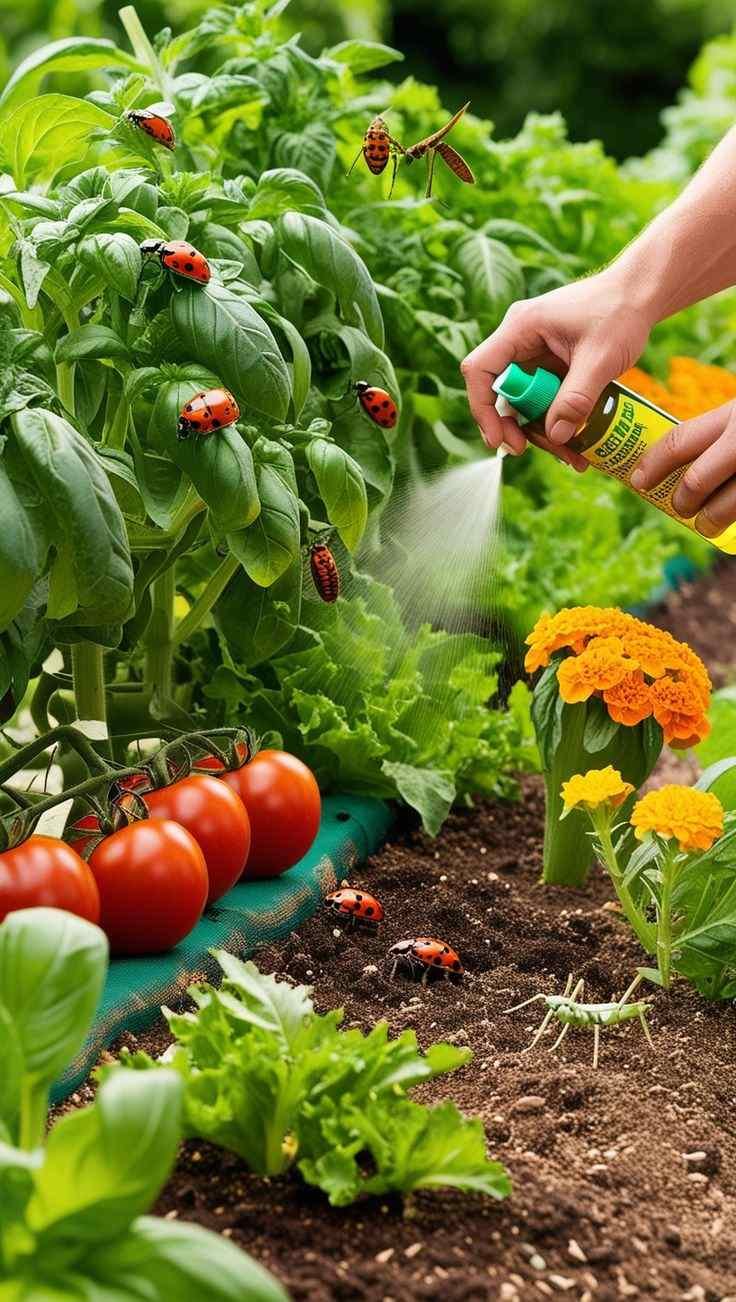
Aphids — tiny soft-bodied insects clustering on new growth, particularly the undersides of leaves. Spray with water, introduce ladybirds, or use diluted soapy water.
Slugs and snails — irregular holes in leaves, silvery slime trails. Use copper tape, wool pellets, beer traps, or go out at night with a torch and remove them manually.
Powdery mildew — white powdery coating on leaves, usually in warm dry weather with poor air circulation. Remove affected leaves, improve airflow, avoid wetting foliage.
Blight — dark brown patches on tomato and potato leaves and stems, spreads rapidly in warm wet weather. Remove and bin affected material immediately, never compost.
Root rot — plants wilting despite wet soil, brown mushy roots. Caused by overwatering and/or poor drainage. Improve drainage and reduce watering.
Nutrient deficiency — pale or yellow leaves, poor growth. Usually nitrogen deficiency — feed with a balanced liquid fertiliser or top dress with compost.
Encourage beneficial insects like bees and ladybugs that help control pests. A garden full of flowers alongside vegetables attracts the natural predators that keep pest populations in balance.
12. Master Succession Planting
Don’t plant all your seeds at once. Stagger plantings to extend your harvest time. This is commonly referred to as succession planting — a gardener’s secret weapon to have fresh produce all season long.
This is one of the skills that takes beginner gardeners to the next level — and it’s much simpler than it sounds.
The problem with planting all your lettuce at once: you get a glut of lettuce in week six, can’t eat it all before it bolts, and then have no lettuce for the rest of the season.
The solution: sow a short row of lettuce every 2–3 weeks throughout the growing season. Each sowing matures in turn, giving you a continuous, manageable harvest from spring through autumn rather than a feast followed by a famine.
Crops that benefit most from succession planting
- Lettuce and salad leaves — sow every 2 weeks
- Radishes — sow every 3 weeks
- Spring onions — sow every 3 weeks
- Coriander — sow every 3–4 weeks (bolts quickly in heat)
- Spinach — sow every 3 weeks
- Beans — sow every 3–4 weeks for extended harvest
Mark your succession sowing dates in your garden journal and set a phone reminder. This one habit transforms the productivity of a kitchen garden.
13. Harvest Regularly — and Correctly
Pick vegetables and herbs in the morning when their water content and flavour are at their peak.
This is the reward — and it’s also a critical part of keeping your plants productive.
Most vegetables signal to the plant when they’re ready: pick them, and the plant produces more. Leave them too long, and the plant thinks its job is done and slows down. This is particularly important for beans, courgettes, salad leaves, herbs, and tomatoes.
The harvest habits that make a difference
Pick frequently — check your garden daily (or at minimum every 2 days) once plants start producing. Pick everything that’s ready, even if you don’t need it all immediately.
Pick at the right size — courgettes are best at 15–20cm. Beans when pods are firm and snap cleanly. Tomatoes when fully coloured and slightly soft. Lettuce outer leaves when large enough. Herbs before flowers form.
Never leave a courgette to turn into a marrow — or a bean to become tough and leathery, or a lettuce to bolt — these signal the plant to stop producing. Harvest promptly and the plant keeps giving.
Harvest herbs to shape the plant — always cut herbs from the tips down, removing flower buds the moment they appear. A regularly harvested herb plant lasts months longer than one that’s left to flower.
14. Compost Everything You Can
Starting a compost heap is one of the best things you can do for your garden — and for your development as a gardener.
Composting is one of the most powerful actions we can take to reduce our trash and build healthy soil. It’s also the thing that, more than almost anything else, connects you to the cycle of growing — scraps becoming compost, compost feeding soil, soil growing food, food creating scraps.
Once you start composting, you start seeing organic material differently. Cardboard boxes become carbon for your heap. Vegetable peelings become next year’s tomato food. Grass clippings become activator. Waste becomes resource.
This shift in perception — from gardener who buys products to gardener who produces fertility — is one of the markers of someone who is genuinely getting good at gardening.
Start with our complete guide to how to start composting if you haven’t already.
15. Learn One New Skill Each Season
Gardening is a vast subject — and that’s one of its great joys. You could garden for fifty years and still be learning something new.
Rather than trying to learn everything at once (another form of the “start too big” mistake), pick one new skill to focus on each season:
- Season 1: Learn to sow seeds correctly and care for seedlings
- Season 2: Learn composting and soil improvement
- Season 3: Learn succession planting for continuous harvests
- Season 4: Learn to save seeds from your own plants
- Season 5: Learn to propagate plants from cuttings
Each new skill compounds on the ones before. Within a few seasons, you have a toolkit that makes you a genuinely capable and confident gardener — without ever having been overwhelmed.
Alongside annuals, plant perennials that will return year after year with minimal effort — learning to establish perennials (asparagus, fruit trees, berry bushes, perennial herbs) is one of the most valuable skills you can develop as your garden matures.
16. Use the Right Tools — and Keep Them Sharp
Get a few essential tools: a spade, a trowel, gloves, and a watering can. That’s genuinely all you need to start.
Poor tools make gardening harder than it needs to be. A blunt hoe that pushes weeds rather than cutting them. A cheap trowel that bends on hard soil. Gloves with holes in them. These small frustrations add up and make gardening feel like a chore rather than a pleasure.
The genuinely essential tools
Trowel — for planting, transplanting, and small digging tasks. Buy a quality one — a well-made trowel lasts decades. A cheap one bends within a season.
Garden fork — for loosening soil, mixing in compost, and turning compost heaps. More useful than a spade in most vegetable garden situations.
Hoe — for weeding between rows. A sharp hoe cuts weed seedlings off at the root with minimal effort. A blunt one is exhausting.
Watering can with a rose head — for gentle watering of seedlings and transplants.
Gloves — protect your hands and make gardening more comfortable. Get a pair that fits well and is thick enough to handle thorny plants.
Secateurs / scissors — for harvesting, pruning, and cutting back plants. Keep them clean and sharp.
Use ergonomic tools and practices to prevent strains and injuries — gardening should be enjoyable, not a source of back pain. Buy long-handled tools that let you work without bending unnecessarily.
Keep tools clean, dry, and occasionally oiled. A quick wipe down after use prevents rust and dramatically extends their lifespan.
17. Don’t Fight Your Climate — Work With It
Knowing your “hardiness zone” can help you choose the best plants. Simply put, it describes the coldest place a plant can grow.
Every experienced gardener eventually learns the same lesson: you cannot fight your climate. A gardener in a cool, wet northern climate who insists on growing Mediterranean crops in full sun will struggle every year. A gardener in a hot, dry climate who tries to grow moisture-loving plants without irrigation will be constantly disappointed.
The gardeners who thrive are the ones who observe their local climate honestly and choose plants that are naturally suited to it — then work to optimise conditions where possible rather than battling nature.
Practical ways to work with your climate
Cool, short summers: Focus on fast-maturing varieties. Start everything possible indoors. Use a polytunnel or greenhouse to extend the season.
Hot, dry summers: Choose drought-tolerant crops. Mulch heavily. Water deeply and infrequently to encourage deep roots. Grow in partial shade during the hottest months.
High rainfall / wet summers: Improve drainage before planting. Choose blight-resistant tomato varieties. Grow susceptible crops under cover.
Frost risk: Know your last frost date exactly. Protect tender crops with fleece. Choose varieties suited to your hardiness zone.
The best seed catalogues indicate which varieties are suited to which climates and conditions — pay attention to this information. A variety described as “excellent for cooler climates” will almost always outperform a generic variety in a northern garden.
18. Read the Labels and Seed Packets
Always read the plant tags for specific instructions on care and spacing.
This is advice so simple it sounds condescending — and yet it’s ignored constantly.
Seed packets and plant labels contain precise, tested information about exactly what that plant needs: sowing depth, spacing, sunlight requirements, watering needs, days to maturity, and any specific growing notes. This information was compiled by people who grew that exact variety under test conditions.
Ignoring it — sowing seeds too deep, crowding plants together, planting in the wrong position — is one of the most common and easily avoidable causes of poor results.
Before you plant anything, read the packet or label completely. Note the spacing requirements especially — this is the most commonly ignored instruction and the one with the most significant impact on results.
What to look for on seed packets
- Sowing depth — usually 2–3 times the diameter of the seed
- Spacing — both between plants and between rows
- Sowing time — indoors, under cover, or direct sow outdoors
- Days to maturity — how long until harvest (crucial for succession planning)
- Sunlight requirements — full sun, partial shade, or shade tolerant
- Special notes — any particular requirements or tips for that variety
19. Connect With Other Gardeners
Combining foundational tips with a beginner-friendly gardening class or community can provide hands-on experience and expert guidance that accelerates learning dramatically.
Gardening knowledge has traditionally passed from person to person — from experienced gardeners to beginners, across back fences, in allotment sheds, and at garden club meetings. This kind of shared, practical knowledge is often more useful than anything you’ll read in a book.
Ways to connect with other gardeners
Local allotment or community garden — joining an allotment community puts you alongside experienced growers who are almost universally generous with their knowledge. Most allotment sites have experienced members who are delighted to help beginners.
Garden clubs and horticultural societies — most areas have local garden clubs that meet regularly. Talks, seed swaps, and plant sales are all excellent opportunities to learn and connect.
Online communities — there are excellent gardening communities on Reddit (r/vegetablegardening, r/gardening), Facebook groups focused on specific growing methods, and Instagram communities organised around hashtags like #growyourown and #kitchengarden.
YouTube — an extraordinary free resource. Channels by experienced gardeners showing exactly how they sow, plant, prune, harvest, and manage problems are some of the most practical gardening education available anywhere.
Your neighbours — if someone nearby has a beautiful or productive garden, knock on the door and say so. Gardeners almost universally love talking about their gardens, and you may find a mentor and a source of free plants and seeds.
20. Be Patient With Yourself
Plants take time to grow. Don’t get discouraged if your garden isn’t perfect right away.
Getting good at gardening takes time. Not a season — years. Every experienced gardener who makes it look effortless has a decade or more of accumulated knowledge behind them: knowledge of their soil, their microclimate, their local pest pressures, their preferred varieties, the rhythms of their particular garden.
You are building that knowledge right now. Every seed you sow, every plant you tend, every problem you troubleshoot is adding to it. The garden you have in five years will be dramatically better than the garden you have this year — not because you’ll have spent more money on it, but because you’ll understand it so much better.
The mindset of a good gardener
Curiosity over frustration — when something goes wrong, get interested in why rather than frustrated that it happened.
Observation over assumption — look at your actual plants and soil rather than assuming what they need.
Consistency over intensity — a few minutes every day beats an exhausting weekend blitz once a month.
Progress over perfection — a garden that produces some food and teaches you things is a successful garden, regardless of how it looks.
Joy over obligation — gardening should be something you look forward to. If it’s becoming a source of stress, scale back until it becomes manageable and enjoyable again.
The best gardeners are not the ones with the most knowledge. They are the ones who love being in the garden enough to keep going, keep learning, and keep growing — season after season, year after year.
That is how you get good at gardening. You just keep gardening.
Final Thoughts
Getting good at gardening is one of those rare life skills that rewards you more the longer you practise it. The garden you tend today is teaching you something you’ll use for the rest of your life.
Start small. Learn your soil and your sunlight. Grow what you eat. Water correctly. Keep notes. Observe daily. Compost everything. And above all — don’t stop when things go wrong. Because they will go wrong. And that’s when the real learning begins.
You’ve already taken the first step by asking how to get better. Now go and plant something.
Happy growing, Sajjad
Read these next:
- How to Start a Vegetable Garden from Scratch (Complete Beginner’s Guide) 2026
- 10 Easiest Vegetables to Grow at Home (Perfect for Beginners)
- How to Start Composting at Home: The Complete Beginner’s Guide (2025)