
Discover the best indoor plants for air quality in 2025 — backed by NASA research. From peace lilies to spider plants, here are 12 proven air-purifying plants with full care guides.
The air inside your home is probably more polluted than the air outside.
That might sound alarming — but it’s a well-documented reality. Common household products, furniture, flooring, paint, and cleaning sprays release invisible chemical compounds into your indoor air every single day. Formaldehyde from new furniture. Benzene from synthetic fabrics. Trichloroethylene from dry-cleaned clothes. Carbon monoxide from gas appliances.
Most of us spend 90% of our time indoors, breathing this air constantly.
The good news? Nature has a solution — and it grows in a pot on your windowsill.
Back in 1989, NASA partnered with researchers to study something remarkable: whether common houseplants could remove toxic compounds from indoor air. What they found changed the way the world thinks about houseplants. Plants don’t just photosynthesize carbon dioxide into oxygen — they actively absorb harmful chemical pollutants through their leaves and roots, breaking them down into harmless compounds.
This guide covers the 12 best indoor plants for air quality — what pollutants each one targets, how well it works, and exactly how to care for it. All backed by real science.
Table of Contents
- The science behind air-purifying plants
- What pollutants are in your home?
- Peace Lily
- Spider Plant
- Snake Plant (Sansevieria)
- Golden Pothos
- Aloe Vera
- Rubber Plant
- Chinese Evergreen (Aglaonema)
- Areca Palm
- Dracaena
- Chrysanthemum
- Gerbera Daisy
- Boston Fern
- How many plants do you actually need?
- Tips for maximising air-purifying benefits
1. The Science Behind Air-Purifying Plants
The story begins with NASA.
NASA research scientists announced that the common indoor plant may provide a natural way of helping combat sick building syndrome. Based on the use of common indoor plants for indoor air purification, NASA studied about a dozen popular varieties of ornamental plants to determine their effectiveness in removing several key pollutants associated with indoor air pollution.
The findings were remarkable. In just 24 hours, the leaves and roots of the plants removed up to 87% of formaldehyde, benzene, and trichloroethylene from the air, while oxygen was returned to the room.
But here’s the part most plant blogs don’t tell you — the honest part.
A 2019 study by the Journal of Exposure Science & Environmental Epidemiology concluded that the effect of indoor plants on indoor VOC levels has been somewhat overblown. While they do purify the air, you’d need 100 to 1,000 plants for every 10 square feet to make a measurable difference in a real home.
So does that mean air-purifying plants are a myth? Not at all.
A 2008 study in India showed that workers in plant-filled office buildings had 24 percent fewer headaches, 52 percent less eye irritation, and 34 percent fewer respiratory problems. And a 2012 study supported the NASA findings, showing that indoor plants improve air quality in schools and make indoor spaces healthier.
The realistic picture: a handful of well-chosen houseplants won’t transform your indoor air the way an air purifier does — but they contribute meaningfully to a healthier indoor environment, add humidity, reduce airborne bacteria, and deliver a host of proven wellbeing benefits. And they’re beautiful. That alone is reason enough.
Importantly, NASA recommends one healthy plant in a 6 to 8-inch container for every 100 square feet of living space — a practical, achievable target for most homes.
One more fascinating detail: data showed that when the same plants and potting soil were continuously exposed to air-containing pollutants like benzene, their capacity to clean the air improved over time — suggesting adaptive abilities on the part of soil microorganisms. The longer your plants are in place, the more effective they become.
2. What Pollutants Are in Your Home?
Before choosing your plants, it helps to understand what you’re filtering. Four of the most common indoor air pollutants found in homes and offices are formaldehyde, benzene, trichloroethylene, and carbon monoxide — released from a variety of sources.
Here’s where each one typically comes from:
Formaldehyde — pressed wood furniture, MDF, carpets, permanent-press fabrics, adhesives, cigarette smoke. One of the most widespread indoor pollutants. Causes watery eyes, nausea, and respiratory irritation. Classified as a human carcinogen at high levels.
Benzene — paints, varnishes, wax, detergents, synthetic fibres, tobacco smoke, plastics. A known carcinogen associated with blood disorders at high levels of exposure.
Trichloroethylene — dry-cleaned clothing, paint removers, adhesives, and some printing inks. Affects the central nervous system at elevated concentrations.
Carbon monoxide — combustion appliances (gas cookers, boilers, open fires), cigarette smoke. Dangerous at high levels — always ensure appliances are properly serviced. Plants help at low background levels but are not a substitute for carbon monoxide detectors.
Ammonia — cleaning products, fertilisers, some printing processes.
Xylene and toluene — paints, lacquers, adhesives, rubber, printing inks.
Most homes contain low-level combinations of several of these compounds — particularly in newly furnished or renovated spaces, or homes with poor ventilation. Plants that target multiple pollutants simultaneously are the most valuable additions.
3. Peace Lily (Spathiphyllum)
Pollutants targeted: Formaldehyde, benzene, trichloroethylene, ammonia, xylene Air-purifying rating: ⭐⭐⭐⭐⭐ Exceptional Difficulty: Easy Light: Low to moderate indirect light Water: Every 1–2 weeks
The peace lily tops almost every list of the best indoor plants for air quality — and with good reason. It targets more common household pollutants than almost any other plant on this list, and it’s one of very few flowering plants that performs well in low-light conditions.
The peace lily works across multiple VOCs and also adds a gentle humidity boost to dry indoor air. It is one of the few flowering plants on NASA’s list, making it as decorative as it is functional.
Its elegant white flowers and lush dark green leaves make it genuinely beautiful — and its dramatic wilting when it needs water (perking back up within hours of being watered) makes it one of the most communicative plants you can own.
Best placement
Bedrooms and living rooms are ideal — particularly in homes with new carpets, fresh paint, or synthetic furniture. Also excellent in kitchens where cooking and cleaning products contribute to formaldehyde and ammonia levels.
Care guide
- Water when leaves just begin to droop slightly
- Keep away from cold draughts — prefers temperatures above 15°C
- Mist occasionally to boost humidity and keep leaves clean
- Feed monthly in spring and summer with diluted liquid fertiliser
- Important: Toxic to cats and dogs — keep out of reach in pet households
4. Spider Plant (Chlorophytum Comosum)
Pollutants targeted: Formaldehyde, carbon monoxide, xylene Air-purifying rating: ⭐⭐⭐⭐ Excellent Difficulty: Very easy Light: Bright to moderate indirect light Water: Every 1–2 weeks
The spider plant will quietly battle toxins including carbon monoxide and xylene, a solvent used in the printing and rubber industries. Spider plants are powerful air purifiers able to remove formaldehyde — a gas emitted by cigarette smoke, dry cleaning, synthetic carpeting, nail polish, and more.
Beyond its air-purifying credentials, the spider plant is one of the most beginner-friendly houseplants in existence. It tolerates a wide range of conditions, recovers from neglect, and produces cascading “spiderettes” — baby plants — that dangle from long stems and can be potted up to create new plants for free.
Critically, it’s one of the few houseplants that is completely non-toxic to cats and dogs — making it the top choice for pet owners who want air-purifying greenery without the safety concerns.
Best placement
Living rooms, hallways, and home offices — particularly in homes with synthetic carpets, new furniture, or smokers. Also excellent near printers, which emit xylene.
Care guide
- Tolerates lower light than most plants but grows faster and produces more spiderettes in brighter conditions
- Brown leaf tips often indicate fluoride in tap water — switch to filtered or rainwater
- Propagate spiderettes by pinning into compost while still attached; snip once rooted
- Pet-safe ✓ Child-safe ✓
5. Snake Plant (Sansevieria / Dracaena Trifasciata)
Pollutants targeted: Formaldehyde, benzene, trichloroethylene, xylene, nitrogen oxide Air-purifying rating: ⭐⭐⭐⭐⭐ Exceptional Difficulty: Extremely easy Light: Low light to bright indirect light Water: Every 2–6 weeks
The snake plant is one of the most remarkable air-purifying plants available — not just for the range of pollutants it targets, but for a unique biological trick that sets it apart from almost every other houseplant.
Most plants photosynthesize during the day and rest at night. The snake plant uses a different metabolic pathway — called CAM photosynthesis — that allows it to absorb carbon dioxide and release oxygen at night. This makes it uniquely valuable in bedrooms, where most plants are actually consuming oxygen while you sleep.
Alongside its air-purifying properties, it removes harmful toxins such as formaldehyde, benzene, and trichloroethylene, making it an attractive choice for environmentally conscious consumers.
It is also extraordinarily easy to care for — tolerating low light, irregular watering, and general neglect that would finish off most other plants.
Best placement
Bedrooms (uniquely beneficial here due to night-time oxygen release), home offices, bathrooms, and any low-light corner that needs both greenery and air purification.
Care guide
- Water even less than you think necessary — monthly in winter is often sufficient
- Never let it sit in water — root rot is the only real threat to this plant
- Tolerates very low light but grows faster in brighter conditions
- Toxic to pets if ingested — keep out of reach of cats and dogs
6. Golden Pothos (Epipremnum Aureum)
Pollutants targeted: Formaldehyde, benzene, carbon monoxide, xylene Air-purifying rating: ⭐⭐⭐⭐ Excellent Difficulty: Extremely easy Light: Low to bright indirect light Water: Every 1–2 weeks
Golden pothos and spider plants were among the most effective plants tested in the NASA study for removing formaldehyde molecules. Exceptionally adaptable in low-light spaces, pothos has shown capacity for formaldehyde and benzene absorption. It trails beautifully, grows fast, and needs minimal attention beyond occasional watering.
The golden pothos is arguably the most versatile air-purifying plant on this list. It trails elegantly from shelves and hanging baskets, climbs happily up a moss pole, tolerates low light remarkably well, and thrives on near-complete neglect. If you’ve killed every plant you’ve ever owned, pothos is your redemption arc.
Best placement
Any room — particularly living rooms with new furniture or carpets, home offices near printers, and garages or utility rooms where fumes from chemicals and paints may accumulate.
Care guide
- Tolerates very low light but loses variegation (the yellow markings) — brighter light maintains the colour
- Allow soil to dry out between waterings — overwatering is the main risk
- Propagates effortlessly in water from stem cuttings
- Toxic to cats, dogs, and humans if ingested — keep away from children and pets
7. Aloe Vera
Pollutants targeted: Formaldehyde, benzene Air-purifying rating: ⭐⭐⭐ Good Difficulty: Extremely easy Light: Bright direct to bright indirect light Water: Every 2–4 weeks
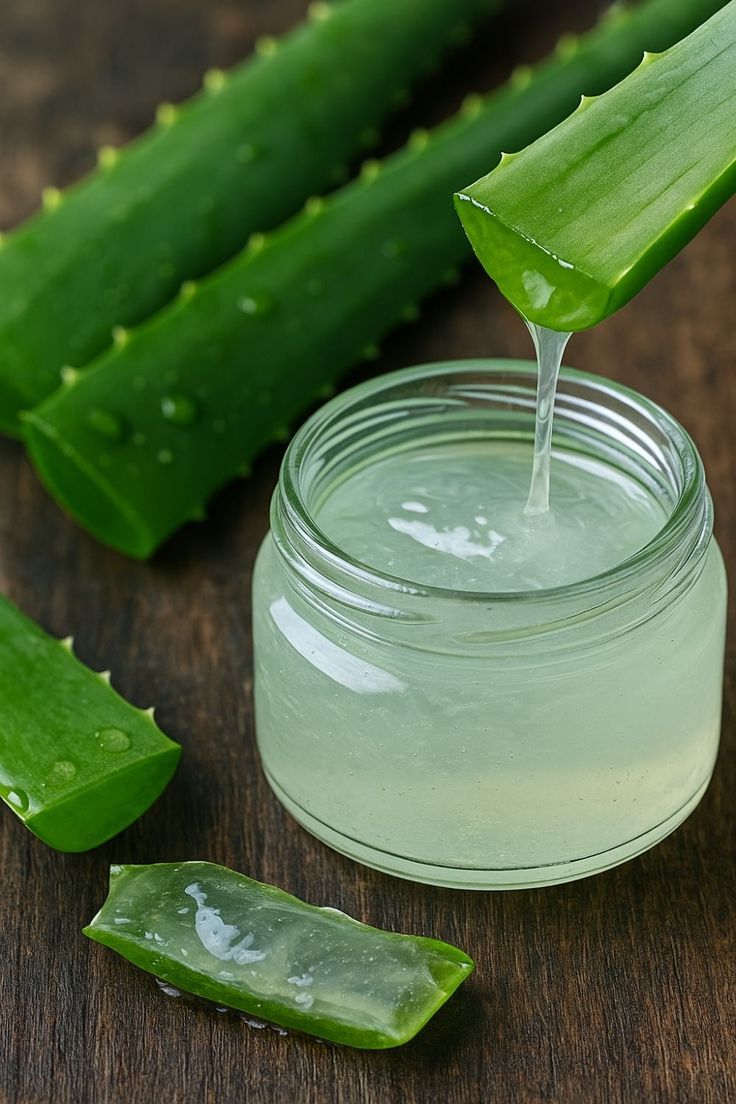
Aloe vera absorbs formaldehyde and benzene from the air and is a great first-aid plant on your windowsill. It prefers bright, direct light and infrequent watering — perfect for sunny spots that are often overlooked. The gel inside its leaves is a bonus, but its air-purifying qualities are what earned it a place in NASA’s research.
The aloe vera is the ultimate dual-purpose plant — a proven air purifier that also gives you a natural remedy for minor burns, sunburn, and skin irritation right at your fingertips. Plant it in the kitchen, where formaldehyde from cleaning products and cooking is most concentrated, and you have a genuinely useful plant doing two jobs at once.
Best placement
Kitchen windowsills — targeting formaldehyde from cleaning products, and benzene from gas cookers. Also excellent in any sunny room with new furniture or fresh paint.
Care guide
- Plant in well-draining cactus compost in a terracotta pot
- Water deeply but very infrequently — allow soil to dry completely between waterings
- Never let it sit in water — root rot develops quickly
- Pet-safe? No — mildly toxic to cats and dogs if ingested
8. Rubber Plant (Ficus Elastica)
Pollutants targeted: Formaldehyde (particularly effective) Air-purifying rating: ⭐⭐⭐⭐ Excellent Difficulty: Easy Light: Bright indirect light Water: Every 1–2 weeks
Bold in both appearance and function, the rubber plant targets formaldehyde particularly well and thrives in bright indirect light with infrequent watering.
The rubber plant is one of the best-looking air-purifying plants available — large, glossy, dramatic leaves in deep green, burgundy, or variegated cream and pink. It grows into a substantial indoor tree over time, creating a genuine focal point in any room while quietly working to remove formaldehyde from the air.
It’s considerably easier to care for than its equally dramatic cousin the fiddle leaf fig — forgiving of imperfect watering and more tolerant of lower light conditions.
Best placement
Living rooms and bedrooms with new or pressed-wood furniture (a significant source of formaldehyde), newly decorated rooms with fresh paint or varnish, and home offices.
Care guide
- Wipe large leaves regularly with a damp cloth — dusty leaves photosynthesize and purify less effectively
- The milky sap is a skin irritant — wear gloves when pruning
- Prefers a consistent position — moving it frequently causes leaf drop
- Toxic to pets — keep away from cats and dogs
9. Chinese Evergreen (Aglaonema)
Pollutants targeted: Formaldehyde, benzene Air-purifying rating: ⭐⭐⭐⭐ Excellent Difficulty: Extremely easy Light: Low to moderate indirect light Water: Every 1–2 weeks
The Chinese Evergreen is one of the most common household plants and for good reason. This plant emits a high oxygen content while purifying indoor spaces of harmful chemicals such as benzene, formaldehyde, and other toxins. It is quite popular in China specifically for its high efficiency in removing harmful pollutants from the air.
What makes the Chinese evergreen particularly valuable is its remarkable tolerance of low light — most of the best air-purifying plants need bright indirect light to thrive. The Chinese evergreen works effectively in rooms that don’t receive much natural light, making it one of the most practically useful options for darker homes and apartments.
It also comes in a stunning array of colours — silver, green, red, pink, and multicoloured variegations — making it one of the most decorative low-maintenance plants available.
Best placement
Offices, hallways, and any room with limited natural light where other air-purifying plants would struggle. Also excellent in bedrooms and bathrooms.
Care guide
- Avoid cold draughts and temperatures below 15°C
- Allow top inch of soil to dry between waterings
- Wipe leaves to maintain their glossy finish and air-purifying efficiency
- Toxic to pets if ingested
10. Areca Palm (Dypsis Lutescens)
Pollutants targeted: Formaldehyde, xylene, toluene (and a natural humidifier) Air-purifying rating: ⭐⭐⭐⭐ Excellent Difficulty: Moderate Light: Bright indirect light Water: Every 1–2 weeks — keep consistently moist
The areca palm acts as a natural humidifier and targets airborne toxins. It prefers bright, indirect light and consistent moisture without sitting in waterlogged soil.
The areca palm is one of the most effective natural humidifiers among houseplants — a large, established plant can release several litres of moisture into the air per day. This makes it particularly valuable in winter when central heating dries out indoor air, causing dry skin, irritated airways, and static electricity.
Its graceful, feathery fronds create a lush tropical atmosphere that transforms a room in a way few other plants can match — and it’s one of the few large air-purifying palms that is completely non-toxic to pets.
Best placement
Living rooms and conservatories with bright indirect light. Excellent in homes with very dry air from central heating. One of the best large statement air-purifying plants for families with pets.
Care guide
- Needs genuinely bright indirect light — will deteriorate in low light
- Keep soil consistently moist but never waterlogged — allow top 2cm to dry between waterings
- High humidity benefits — mist occasionally or place on a pebble tray with water
- Sensitive to fluoride — use filtered water where possible
- Pet-safe ✓ One of the few large air-purifying plants that is non-toxic to cats and dogs
11. Dracaena
Pollutants targeted: Formaldehyde, benzene, trichloroethylene, xylene Air-purifying rating: ⭐⭐⭐⭐ Excellent Difficulty: Easy Light: Low to moderate indirect light Water: Every 2–3 weeks
Dracaenas are among the most studied plants for indoor air quality — several varieties appeared in the original NASA research, and they continue to be consistently recommended by indoor air quality researchers.
The Chinese Evergreen emits a high oxygen content while purifying indoor spaces — and dracaenas share similar qualities, with multiple species targeting a broad range of common indoor pollutants. Their tall, architectural growth habit makes them genuinely useful as statement plants that also purify the air — often reaching ceiling height in a well-lit room over several years.
Best varieties for air quality
- Dracaena marginata — thin, red-edged leaves on tall cane stems, targets formaldehyde and xylene particularly well
- Dracaena fragrans ‘Massangeana’ — broad corn-like leaves, excellent benzene absorption
- Dracaena Janet Craig — bold, glossy dark green leaves, one of the most studied for air purification
Care guide
- Sensitive to fluoride in tap water — brown leaf tips are the telltale sign; use filtered water
- Toxic to pets — keep away from cats and dogs
- Tolerates low light but grows more vigorously and purifies more effectively in moderate indirect light
12. Chrysanthemum
Pollutants targeted: Benzene (particularly effective), formaldehyde, ammonia Air-purifying rating: ⭐⭐⭐⭐ Excellent (while in flower) Difficulty: Moderate Light: Bright indirect light — needs good light to maintain flowering Water: Keep consistently moist
In the NASA testing, flowering plants such as chrysanthemums effectively removed benzene from the chamber’s atmosphere. A chrysanthemum removed 41.2 percent trichloroethylene and 61 percent formaldehyde in the same experiment.
The chrysanthemum is the most powerful benzene absorber on this entire list — making it the best choice for homes with high benzene exposure from paints, plastics, cigarette smoke, or synthetic detergents. The catch: it only purifies effectively while in flower, and getting it to rebloom indoors requires specific conditions (cool temperatures and reduced light to trigger bud formation).
Many people treat it as a seasonal plant — enjoying its air-purifying and decorative benefits while it flowers, then replacing it. Given how affordable chrysanthemums are, this is a perfectly reasonable approach.
Best placement
Living rooms and kitchens — wherever benzene exposure from cleaning products, plastics, and synthetic materials is highest.
Care guide
- Keep consistently moist — chrysanthemums wilt quickly when dry
- Bright indirect light maintains flowering for longer
- To encourage reblooming: move to a cool room (10–15°C) with reduced light for 6 weeks, then return to warmth and light
- Non-toxic to humans but mildly toxic to pets
13. Gerbera Daisy
Pollutants targeted: Benzene, trichloroethylene Air-purifying rating: ⭐⭐⭐ Good Difficulty: Moderate Light: Bright direct to indirect light Water: Every 1–2 weeks — allow soil to partially dry
Flowering plants such as gerbera daisies effectively removed benzene from the chamber’s atmosphere in NASA testing.
The gerbera daisy is the most colourful plant on this list — cheerful blooms in red, orange, yellow, pink, and white that brighten any room while filtering benzene and trichloroethylene from indoor air. Like the chrysanthemum, it purifies most effectively while in flower.
It’s slightly more demanding than most plants on this list — it needs good light and careful watering — but the reward is months of bright, cheerful colour alongside genuine air-purifying benefits.
Care guide
- Bright light is essential for blooming — a south or east-facing windowsill is ideal
- Water at the base, keeping water off the crown of the plant to prevent rot
- Deadhead spent flowers regularly to encourage new blooms
- Generally considered non-toxic — a good choice for pet-friendly households
14. Boston Fern (Nephrolepis Exaltata)
Pollutants targeted: Formaldehyde, xylene, toluene (and excellent natural humidifier) Air-purifying rating: ⭐⭐⭐⭐ Excellent Difficulty: Moderate (needs humidity) Light: Bright indirect light Water: Keep consistently moist — does not tolerate drying out
The Boston fern combines remarkable air-purifying credentials with one of the most effective natural humidifying abilities of any houseplant. Its long, arching fronds release significant moisture into the air as they transpire — making it particularly valuable in homes with dry air from central heating.
It targets formaldehyde particularly effectively — making it an excellent choice for kitchens and living rooms with new carpets, furniture, or cleaning product exposure.
Best placement
Bathrooms with natural light (the humidity benefits both plant and room), living rooms in winter when heating dries the air, and any room with new carpets or furniture releasing formaldehyde.
Care guide
- Never allow the soil to dry out completely — check every 2–3 days
- High humidity is essential: mist daily, use a pebble tray, or grow in a naturally humid bathroom
- Shed fronds are normal — remove fallen leaves to keep the plant tidy
- Pet-safe ✓ Non-toxic to cats and dogs
15. How Many Plants Do You Actually Need?
Here’s the practical guidance backed by the research:
NASA recommends one healthy plant in a 6 to 8-inch container for every 100 square feet of living space.
For a typical home, this means roughly:
| Room | Size (approx.) | Plants recommended |
|---|---|---|
| Living room | 200 sq ft | 2 plants |
| Bedroom | 150 sq ft | 1–2 plants |
| Kitchen | 100 sq ft | 1 plant |
| Home office | 100 sq ft | 1 plant |
| Bathroom | 50 sq ft | 1 plant |
| Total home | 600 sq ft | 6–8 plants |
A modest, achievable number — and genuinely effective at contributing to better indoor air quality when the right plants are chosen for each room.
The most strategic placements
Bedroom: Snake plant (releases oxygen at night), peace lily, spider plant
Kitchen: Aloe vera (targets formaldehyde from cleaning products), golden pothos, spider plant
Living room: Peace lily, rubber plant, areca palm, dracaena
Home office: Spider plant (near the printer — targets xylene), pothos, snake plant, Chinese evergreen
Bathroom: Boston fern (loves humidity), spider plant, peace lily
16. Tips for Maximising Air-Purifying Benefits
Getting the most from your air-purifying plants requires more than just placing them in a room. Here’s how to maximise their effectiveness:
Keep leaves clean
Since the plant’s leaves play a major role in air purification, keep them clean by wiping with a damp cloth or occasionally spraying down the foliage in the sink or tub. Dusty leaves photosynthesize and purify less efficiently. A monthly wipe-down with a damp cloth makes a genuine difference.
Keep plants healthy
Healthy plants will do a better job purifying the air than those struggling to survive. A wilting, root-bound, or pest-infested plant is not purifying your air effectively. Give your plants the right light, water them correctly, feed them in the growing season, and repot when needed.
Use appropriate pot sizes
Smaller pots mean less root and soil mass — and the roots and soil play a significant role in air purification. Scientists discovered that a plant’s roots and its potting soil were also important contributors to the plant’s air purifying system. Use the largest pot appropriate for the plant.
Group plants together
Grouping plants creates a micro-climate of higher humidity — beneficial for the plants themselves and for the room’s air quality. A cluster of 3–5 plants in a corner is more effective than the same plants scattered individually around a large room.
Combine with good ventilation
Plants are not a replacement for fresh air. Open windows when weather permits, ensure your home has adequate ventilation, and use plants as a complement to — not a substitute for — good airflow.
Be consistent
Data showed that when the same plants and potting soil were continuously exposed to air-containing pollutants, their capacity to clean the air improved over time. The longer your plants are in place, the more effective they become. Consistency pays off.
Final Thoughts
The best indoor plants for air quality are not magic air purifiers — but they are genuinely beneficial additions to any home. They filter real pollutants from your air, add humidity, support wellbeing, and bring the calm and beauty of nature indoors.
Start with one or two plants from this list — a peace lily for a low-light room, a snake plant for the bedroom, a spider plant near the printer. Tend them well, keep their leaves clean, and let them do their quiet work.
Your home’s air — and your wellbeing — will be better for it.
Happy growing, Sajjad
Read these next:
- 15 Best Indoor Plants for Beginners (Easy, Beautiful & Hard to Kill)
- 10 Zero-Waste Swaps You Can Make at Home This Week