
15 Best Indoor Plants for Beginners-Looking for the best indoor plants? Here are 15 stunning, easy-care indoor plants perfect for beginners in 2025 — from low-light survivors to air-purifying favourites. With full care guides.
There has never been a better time to fill your home with plants.
Indoor plants are having a genuine cultural moment — trending on social media, dominating interior design, and showing up in homes and apartments everywhere. And for good reason. A well-placed houseplant transforms a room in a way that almost nothing else can. It adds life, colour, texture, and a sense of calm that even the most beautiful furniture can’t replicate.
But here’s the thing most plant content doesn’t tell you: a lot of popular houseplants are actually quite difficult to keep alive. Fiddle leaf figs. Maidenhair ferns. Orchids. They look incredible in photographs and die quietly in the corner of your living room.
This list is different.
Every plant on it has been chosen because it’s genuinely beautiful, genuinely easy to care for, and genuinely forgiving of the mistakes every beginner makes. These are the best indoor plants for real homes, real light levels, and real people who don’t want to become full-time plant carers.
Whether you want lush trailing vines, bold architectural statements, air-purifying workhorses, or edible herbs within arm’s reach — you’ll find your perfect plant here.
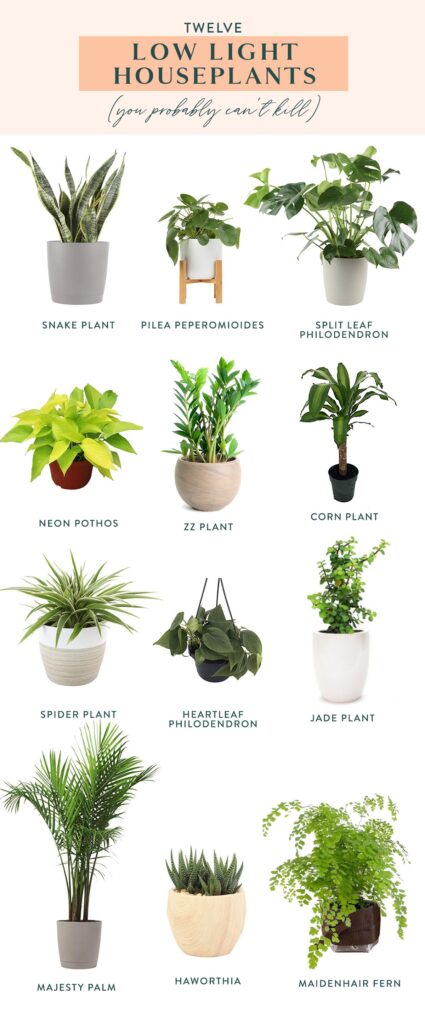
Table of Contents
- Pothos (Devil’s Ivy)
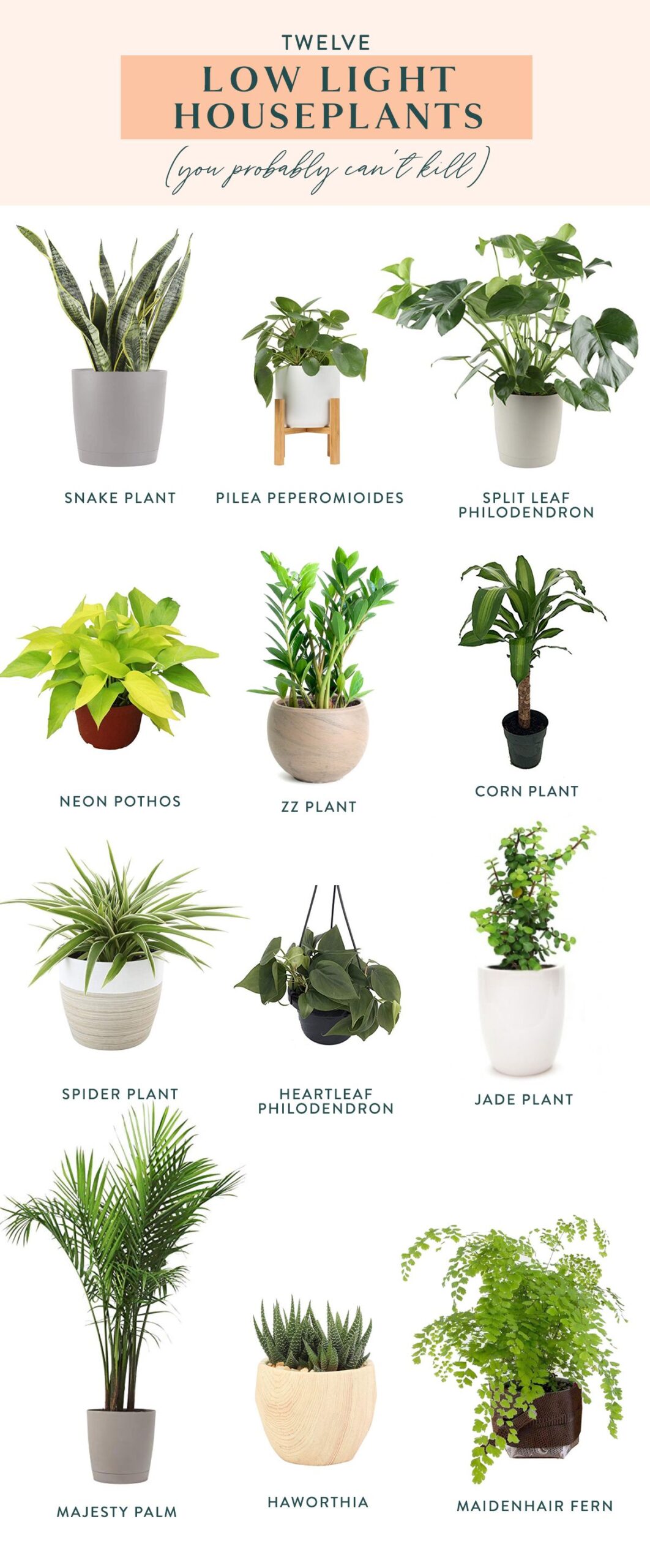
- Snake Plant (Sansevieria)
- Spider Plant
- ZZ Plant
- Peace Lily
- Monstera Deliciosa
- Aloe Vera
- Chinese Evergreen (Aglaonema)
- Rubber Plant (Ficus Elastica)
- String of Hearts
- Philodendron
- Boston Fern
- Hoya (Wax Plant)
- Dracaena
- Succulents and Cacti
- How to choose the right plant for your space
- The 5 golden rules for keeping indoor plants alive
1. Pothos (Devil’s Ivy)
Best for: Trailing from shelves, hanging baskets, low-light rooms Difficulty: ⭐ Extremely easy Light: Low to bright indirect light Water: Every 1–2 weeks (let soil dry between waterings)
If there is one plant that every beginner should start with, it’s pothos. Also known as Devil’s Ivy — because it’s almost impossible to kill, even in the dark — pothos is the ultimate forgiving houseplant.
Pothos continues to be styled on mantlepieces, trailing off shelves, and suspended from ceilings — and it’s easy to see why. Few plants are as versatile or as effortlessly beautiful.
Varieties to look for
- Golden Pothos — classic green leaves with yellow variegation, the most widely available
- Marble Queen — striking white and green marbled leaves
- Neon Pothos — electric lime green, incredibly striking in modern interiors
- N’Joy — crisp white and green patches, compact growth
Care tips
- The yellower and more variegated the variety, the more light it needs to maintain its colouring
- Propagates effortlessly in water — snip a stem just below a node, place in a glass of water, and roots appear within weeks
- Wipe leaves occasionally with a damp cloth to remove dust and keep them glossy
2. Snake Plant (Sansevieria)
Best for: Low-light corners, bedrooms, offices, architectural statement Difficulty: ⭐ Extremely easy Light: Low light to bright indirect light Water: Every 2–6 weeks (one of the most drought-tolerant houseplants)
Resilient, low-fuss species such as the ZZ Plant, Snake Plant, and Aloe Vera endure a range of indoor conditions and appeal to beginners. The snake plant — now technically reclassified as Dracaena trifasciata, though most people still call it Sansevieria — sits at the top of this group.
Its upright, sword-like leaves in dark green banded with lighter green or edged in yellow make it one of the most architecturally striking houseplants available. It adds structure and drama to any room without requiring the slightest fuss.
The snake plant is one of very few plants studied by NASA for its air-purifying properties — it absorbs toxins including formaldehyde and benzene from indoor air, making it a particularly good choice for bedrooms.
It’s almost unkillable through neglect. Overwatering is the one thing that will finish it off — let the soil dry completely between waterings, water even less in winter, and it will thrive for years with virtually no attention.
Varieties to look for
- Sansevieria trifasciata ‘Laurentii’ — classic with yellow edges, the most popular
- Sansevieria cylindrica — cylindrical leaves, very architectural and modern
- Whale Fin Sansevieria — wide, paddle-shaped leaves that rise vertically like whale fins breaching water, bringing bold structure with almost no maintenance
- Moonshine — pale silvery-green leaves, beautiful and unusual
Care tips
- Water even less than you think you need to — monthly is often enough in winter
- Tolerates dust and low humidity remarkably well
- Repot only when roots are visibly bursting from the pot — they prefer to be slightly root-bound
3. Spider Plant
Best for: Hanging baskets, shelves, kitchens, rooms with indirect light Difficulty: ⭐ Extremely easy Light: Bright to moderate indirect light Water: Every 1–2 weeks
The spider plant is a classic for very good reason — it’s cheerful, fast-growing, virtually impossible to kill, and endlessly generous with the little “spiderettes” (baby plants) that dangle from long stems like a living mobile.
Spider plants are moderately fast-growing with rosettes of slender, gently arching leaves stretching from around 12 to 18 inches long, with green or striped green and white leaves. They’ve been a popular trailing plant for decades and show no signs of going anywhere — they’re genuinely excellent plants.
A particularly good choice for households with pets — spider plants are non-toxic to cats and dogs, which puts them in a relatively small group of truly pet-safe houseplants.
Varieties to look for
- Chlorophytum comosum ‘Vittatum’ — green leaves with a central white stripe, the classic variety
- ‘Variegatum’ — green centre with white edges, elegant
- ‘Bonnie’ — curly leaves, compact and very decorative
Care tips
- The baby spiderettes can be potted up to create new plants — pin them into a small pot of compost while still attached to the parent plant, then snip the connecting stem once roots form
- Tolerates occasional drought but prefers consistently moist soil
- Brown leaf tips are usually caused by fluoride in tap water — use filtered or rainwater if this is persistent
4. ZZ Plant (Zamioculcas Zamiifolia)
Best for: Low-light rooms, offices, dark corners, beginners who travel Difficulty: ⭐ Extremely easy Light: Low light to moderate indirect light Water: Every 2–4 weeks (stores water in its roots — extremely drought tolerant)
The ZZ plant has become one of the most popular houseplants of the past decade — and with very good reason. Its glossy, deep green leaves on arching stems look polished and sophisticated, it tolerates conditions that would kill most other plants, and it requires so little water that it’s perfect for busy people, frequent travellers, or anyone who tends to forget about their plants.
Raven ZZ is popular for its minimalist vibe and extreme tolerance to low light and irregular watering — one of the most resilient trending indoor plants, suiting apartments, offices, and rooms with minimal natural light.
Varieties to look for
- Standard ZZ — classic deep glossy green
- Raven ZZ — striking near-black leaves, one of the most dramatic-looking easy-care plants available
- ZZ Zenzi — compact, with smaller leaves that curl slightly, perfect for smaller spaces
Care tips
- ZZ plants grow from rhizomes (swollen underground stems that store water) — this is why they’re so drought-tolerant
- Caution: ZZ plants are toxic if ingested, and the sap can irritate skin — keep away from children and pets, and wash hands after handling
- They grow slowly but steadily — don’t be alarmed if yours seems to do nothing for weeks, then suddenly pushes up several new stems
5. Peace Lily (Spathiphyllum)
Best for: Low-light rooms, bedrooms, adding flowers without bright light Difficulty: ⭐⭐ Easy Light: Low to moderate indirect light — one of the few flowering plants that blooms in low light Water: Every 1–2 weeks — will dramatically droop when thirsty (and recover quickly after watering)
The peace lily is one of the most useful houseplants for beginners because it communicates so clearly. When it needs water, it wilts dramatically — leaves drooping visibly. Water it, and it perks back up within hours. It’s essentially the only houseplant with a built-in alarm system.
Beyond that practical feature, it’s genuinely beautiful — lush, dark green leaves and elegant white flowers that it produces even in relatively low light, making it one of very few flowering plants that works in darker rooms.
Peace lilies are among the best-studied plants for indoor air purification, filtering formaldehyde, benzene, and other common indoor pollutants.
Important note: Peace lilies are toxic to cats and dogs — keep them out of reach in pet households, or choose a pet-safe alternative.
Care tips
- Don’t panic when it droops — water it and watch it recover within a few hours
- Wipe the large leaves regularly to keep them dust-free and glossy
- Feed monthly in spring and summer with a diluted balanced liquid fertiliser to encourage more flowers
- Brown leaf tips usually mean low humidity — mist occasionally or place on a tray of damp pebbles
6. Monstera Deliciosa
Best for: Statement plant, large bright rooms, creating a tropical feel Difficulty: ⭐⭐ Easy Light: Bright to moderate indirect light Water: Every 1–2 weeks — allow top few centimetres of soil to dry between waterings
The monstera has been one of the most photographed and talked-about houseplants of the past decade — and it continues to dominate plant trends going into 2026. Even with new plant trends gaining popularity, classic houseplants like ZZ plants, philodendrons, and monsteras continue to play a vital role in indoor plant arrangements.
Its large, dramatic leaves with their distinctive natural holes and splits (called fenestrations) create an immediate tropical statement. A well-grown monstera becomes a genuinely architectural presence in a room.
It’s also remarkably easy to care for. It tolerates imperfect watering, forgives the occasional missed feeding, and grows enthusiastically in most bright indoor spaces. As it matures, it produces aerial roots that it uses to climb — train it up a moss pole for the most dramatic results.
Varieties to look for
- Monstera deliciosa — the classic, large split leaves, the most widely available
- Monstera adansonii — smaller, with more holes in the leaves, beautiful trailing plant
- Monstera thai constellation — rare, expensive, but spectacular variegated leaves
Care tips
- The iconic leaf holes don’t appear on young plants — juvenile leaves are solid. As the plant matures and grows in good light, fenestrations develop naturally
- Support with a moss pole as it grows — monsteras are natural climbers and grow more vigorously and develop more dramatic leaf splits when given something to climb
- Propagates easily from stem cuttings including a node — a great way to share with friends
7. Aloe Vera
Best for: Sunny windowsills, kitchens, practical beauty Difficulty: ⭐ Extremely easy Light: Bright direct to bright indirect light Water: Every 2–4 weeks (succulent — stores water in its leaves)
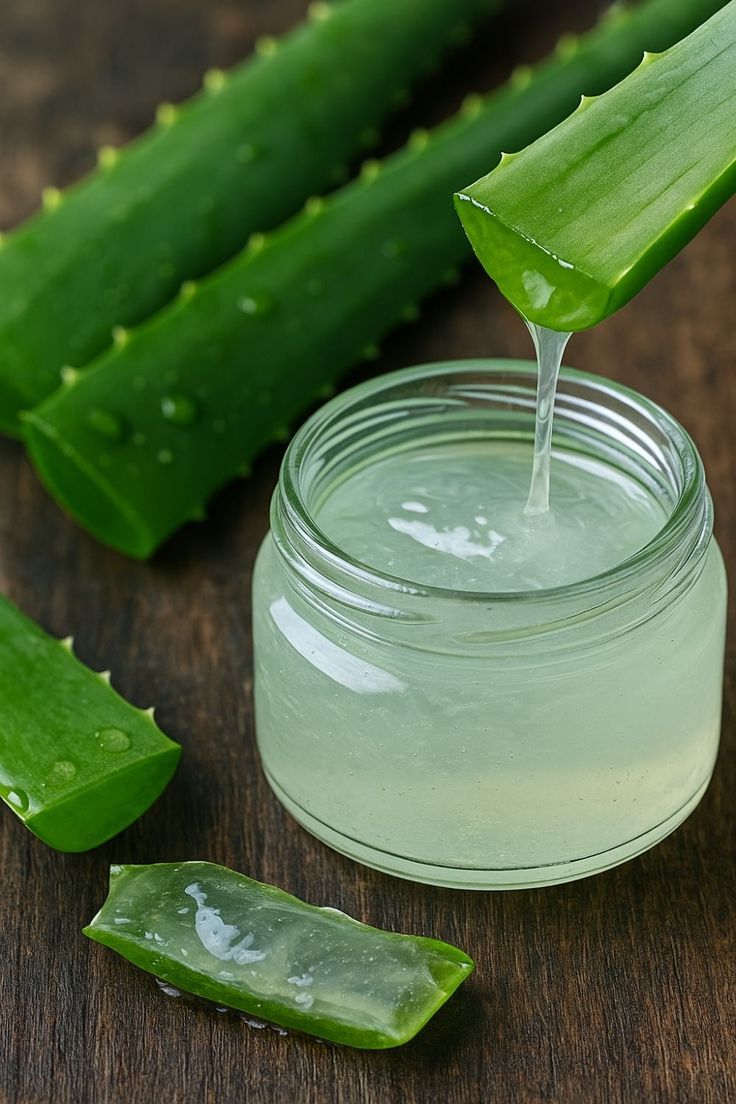
Aloe vera is the ultimate dual-purpose plant — beautiful, architectural, almost impossible to kill through neglect, and genuinely useful. The gel inside its thick, fleshy leaves soothes minor burns, sunburn, and skin irritation — making it one of the most practical plants you can keep in a kitchen.
Aloes prefer dry soil conditions and should be watered sparingly, particularly in winter when sunlight becomes scarcer. Indirect sunlight is best and lots of it — a low maintenance plant for beginners.
Care tips
- Plant in a terracotta pot with very well-draining cactus compost — aloe sitting in damp soil develops root rot rapidly
- Water deeply but infrequently — then leave completely alone until the soil is bone dry
- To harvest the gel: cut a lower outer leaf at the base, slice it open lengthways, and scoop out the clear gel inside
- Produces “pups” — small offset plants around the base — that can be gently removed and potted individually
8. Chinese Evergreen (Aglaonema)
Best for: Low-light rooms, colourful foliage, offices Difficulty: ⭐ Extremely easy Light: Low to moderate indirect light — very tolerant of shade Water: Every 1–2 weeks
The Chinese evergreen is one of the most underrated beginner houseplants — beautiful, colourful, incredibly tough, and surprisingly tolerant of the kind of low light and imperfect care that most plants can’t handle.
Chinese Evergreen thrives in low to bright, indirect light conditions. Its exotic foliage is loved for its colour variety and many patterns — a low maintenance indoor plant.
Modern aglaonema varieties come in an extraordinary range of colours — deep green, silver, pink, red, orange, and variegated combinations — making them one of the most decorative low-maintenance plants available. The bolder the colour, the more light the plant needs to maintain it.
Varieties to look for
- Silver Bay — elegant silver and green, tolerates very low light
- Red Siam — deep green with vivid red edges, stunning
- Pink Dalmatian — green with pink spots, playful and unusual
Care tips
- Avoid cold draughts — Chinese evergreens prefer temperatures above 15°C and dislike cold windows in winter
- Toxic to pets if ingested — keep out of reach of cats and dogs
- Wipe leaves to keep them glossy and dust-free
9. Rubber Plant (Ficus Elastica)
Best for: Statement plant, bright rooms, bold architectural presence Difficulty: ⭐⭐ Easy Light: Bright indirect light Water: Every 1–2 weeks — allow soil to dry between waterings
The rubber plant is having a major moment in 2025 interior trends — its large, glossy, dramatic leaves make it one of the most striking statement plants you can grow indoors, and it’s far easier to care for than its equally dramatic cousin the fiddle leaf fig.
It grows into a substantial indoor tree over time, with deep green (or burgundy, or variegated) leaves that can reach 30cm long. A mature rubber plant commands attention in any room.
Varieties to look for
- Ficus elastica ‘Robusta’ — classic deep glossy green
- ‘Burgundy’ — very dark, almost black-red leaves, dramatic
- ‘Tineke’ — green, cream, and pink variegation, very on-trend
Care tips
- Wipe leaves regularly — the large glossy leaves collect dust quickly, and dusty leaves photosynthesize less efficiently
- The milky sap is an irritant — wear gloves when pruning and keep away from pets
- Prefers a consistent position — moving it frequently causes leaf drop
10. String of Hearts (Ceropegia Woodii)
Best for: Trailing from shelves or hanging baskets, small spaces, romantic aesthetic Difficulty: ⭐⭐ Easy Light: Bright indirect light Water: Every 1–2 weeks — allow soil to dry between waterings (semi-succulent)
String of Hearts is a popular choice for trailing plants, with its dainty heart-shaped leaves. Delicate chains of tiny heart-shaped leaves in silver-green with purple undersides cascade from hanging pots or shelf edges in the most charming way imaginable. It’s one of the most romantic and unusual-looking plants you can grow, and it’s considerably easier to care for than its delicate appearance suggests.
Care tips
- Bright indirect light is essential for compact, leafy growth — too little light and the spacing between leaves increases
- A semi-succulent — stores water in its small tuber and leaves. Water less frequently than you might think
- Produces small, unusual tubular flowers in pink and purple — a delightful bonus
11. Philodendron
Best for: Trailing or climbing displays, tropical feel, bright to moderate light Difficulty: ⭐⭐ Easy Light: Bright to moderate indirect light Water: Every 1–2 weeks — allow top few centimetres to dry between waterings
Philodendrons are one of the great families of tropical houseplants — incredibly diverse in leaf shape, colour, and growth habit, and generally very forgiving of imperfect care. Trailing plants will continue to add a touch of elegance to homes and philodendrons lead this category with panache.
Varieties to look for
- Heartleaf Philodendron — fast-growing trailer with heart-shaped leaves, very easy
- Philodendron Brasil — heartleaf with golden yellow variegation, striking
- Philodendron Gloriosum — velvety, enormous leaves, collector’s plant
- Philodendron Pink Princess — dark leaves splashed with pink, one of the most sought-after houseplants
Care tips
- Most philodendrons are toxic to pets and humans if ingested
- Climbing varieties grow more vigorously and develop larger leaves when given a moss pole
- Yellow leaves usually indicate overwatering — allow soil to dry more between waterings
12. Boston Fern
Best for: Bathrooms, humid rooms, lush green displays Difficulty: ⭐⭐⭐ Moderate Light: Bright indirect light Water: Keep consistently moist — does not tolerate drying out
2025 sees a resurgence of ferns — from delicate maidenhair to tropical staghorn — often grouped in lush clusters to create tiny indoor jungles on shelves and tables.
The Boston fern is one of the most lush and beautiful houseplants you can grow — long, arching fronds of soft green create an extraordinary display in a hanging basket or on a pedestal. It’s also one of the best natural humidifiers among houseplants, releasing moisture into the air as it transpires.
It requires slightly more attention than others on this list — it dislikes drying out and prefers higher humidity — but placed in a bathroom with natural light or near a humidifier, it thrives beautifully and repays the extra care with extraordinary visual impact.
Care tips
- Never let the soil dry out completely — check every 2–3 days
- High humidity is essential: mist daily, place on a pebble tray with water, or grow in a naturally humid bathroom
- Shed fronds are normal — don’t panic. Simply tidy them away
13. Hoya (Wax Plant)
Best for: Trailing or climbing, patient growers who want flowers Difficulty: ⭐⭐ Easy Light: Bright indirect light Water: Every 2–3 weeks — allow soil to dry between waterings
Hoya Compacta’s twisted, fleshy leaves and thick vining habit make it a standout on shelves and hanging planters — and hoyas in general are having a significant moment among plant enthusiasts. They grow slowly but reward patience with extraordinary clusters of star-shaped, waxy flowers with a sweet fragrance that fills a room.
Varieties to look for
- Hoya carnosa — the classic wax plant, produces clusters of pink and white flowers
- Hoya compacta (Hindu Rope) — twisted, rope-like vines, very unusual and beautiful
- Hoya kerrii — heart-shaped leaves, popular as a Valentine’s Day gift
Care tips
- Never remove the flower spurs (short stubby stems) after flowering — hoyas bloom again from the same spur the following year
- More light = more flowers. A bright windowsill is ideal for encouraging blooming
- Very tolerant of drying out — much better to underwater than overwater
14. Dracaena
Best for: Low-light corners, air purification, tall architectural displays Difficulty: ⭐ Extremely easy Light: Low to moderate indirect light Water: Every 2–3 weeks — allow soil to dry between waterings
Dracaena Janet Craig is known for its elegant, dark green leaves and air-purifying properties — a low-maintenance option that adds a touch of elegance to any room. It is renowned for its air-purifying properties, removing harmful toxins such as formaldehyde, benzene, and trichloroethylene.
Dracaenas are among the toughest, most versatile indoor plants available — growing into tall, sculptural specimens that add genuine height and drama to a room while requiring very little care.
Varieties to look for
- Dracaena trifasciata (snake plant — see above)
- Dracaena marginata — thin, spiky red-edged leaves on tall stems
- Dracaena fragrans ‘Massangeana’ — wide corn-like leaves with yellow stripes
- Dracaena Janet Craig — bold, glossy dark green, very architectural
Care tips
- Sensitive to fluoride in tap water — brown leaf tips are often a sign. Use filtered water or leave tap water overnight before using
- Toxic to pets — keep away from cats and dogs
- Very slow-growing — don’t panic if yours seems static for weeks
15. Succulents and Cacti
Best for: Sunny windowsills, desks, small spaces, minimal watering Difficulty: ⭐ Extremely easy (with the right light) Light: Bright direct to bright indirect light — needs more sun than most other houseplants Water: Every 2–4 weeks (succulents), every 4–6 weeks (cacti)
Succulents and cacti have dominated houseplant trends for years — and species such as Zamioculcas, Sansevieria, and Aloe Vera continue to perform well due to their low maintenance requirements and resilience across varying temperatures and light levels.
The key thing to understand about succulents and cacti: they need significantly more light than most other houseplants. On a genuinely bright, south-facing windowsill they’re almost unkillable. In a darker room, they stretch, etiolate (become pale and leggy), and eventually die. Light is non-negotiable.
Best beginner succulents
- Echeveria — rosette-forming, beautiful pastel colours, very popular
- Haworthia — tolerates lower light than most succulents, perfect for desks
- Aloe vera — see above
- Jade plant (Crassula ovata) — grows into a small tree, very long-lived
- String of Pearls — a trendy, vining succulent with easily recognisable tiny, pea-shaped leaves that spill over the sides of planters
Care tips
- Always plant in cactus compost with added grit — drainage is everything
- Terracotta pots are ideal — breathable walls help roots dry out properly
- Water deeply but very infrequently — and always at the base, never from above
16. How to Choose the Right Plant for Your Space
With 15 plants to choose from, how do you decide where to start? Answer these three questions:
Question 1: How much light does my space get?
This is the single most important factor in plant selection. Be honest — most people overestimate how much light their homes receive.
Bright direct sun (south-facing window): Aloe vera, succulents, cacti, rubber plant, hoya
Bright indirect light (near a window but not in direct sun): Pothos, monstera, philodendron, string of hearts, spider plant, Boston fern
Moderate indirect light (bright room, away from windows): Snake plant, ZZ plant, Chinese evergreen, dracaena, peace lily
Low light (little natural light): Snake plant, ZZ plant, pothos (will survive but grows slowly), Chinese evergreen, peace lily
Question 2: How often will I realistically water?
Frequent forgetter / busy lifestyle: ZZ plant, snake plant, pothos, aloe vera, succulents — all very forgiving of missed watering
Happy to water weekly: Monstera, philodendron, spider plant, rubber plant, Chinese evergreen
Committed waterer: Boston fern, peace lily — need more consistent moisture
Question 3: Do I have pets or children?
Many beautiful houseplants are toxic if ingested. Pet and child-safe options from this list include: spider plant, Boston fern, haworthia, echeveria, hoya.
Keep out of reach of pets: ZZ plant, peace lily, Chinese evergreen, philodendron, dracaena, pothos, rubber plant.
17. The 5 Golden Rules for Keeping Indoor Plants Alive
Whatever plant you choose, these five principles will keep it healthy:
Rule 1: Light first, everything else second
Match your plant to your light conditions honestly. A plant in inadequate light will struggle no matter how perfectly you water and feed it. Get the light right first.
Rule 2: Overwatering kills more plants than underwatering
The single most common cause of houseplant death is overwatering — roots sitting in damp soil suffocate and rot. Always check the soil before watering. If it still feels moist at 2cm depth, wait another day or two.
Rule 3: Use pots with drainage holes — always
Decorative pots without drainage holes are beautiful. They’re also plant killers. Always pot plants into containers with drainage holes, and empty saucers 30 minutes after watering.
Rule 4: Feed in the growing season, rest in winter
Most houseplants are actively growing from spring through early autumn and benefit from monthly feeding with a balanced liquid fertiliser. In winter, growth slows significantly — reduce watering and stop feeding entirely until spring.
Rule 5: Check your plants regularly
Five minutes of attention each week — checking soil moisture, looking for pests, wiping dusty leaves, removing yellow or dead foliage — prevents small problems becoming large ones. The earlier you spot an issue, the easier it is to fix.
Final Thoughts
The best indoor plant is simply the one that thrives in your home and brings you joy every time you look at it.
Start with one plant — whichever one appeals to you most from this list. Learn what it needs. Watch how it grows. Build from there. Every experienced plant parent started with a single pot on a windowsill, and the confidence that comes from keeping one plant happy leads naturally to two, then five, then an indoor jungle you’re genuinely proud of.
The plants on this list are forgiving, beautiful, and proven to thrive in real homes. Pick your favourite and get growing.
Happy planting, Sajjad
Read these next:
- How to grow herbs indoors all year round
- 10 zero-waste swaps you can make at home this week
- Container gardening 101: grow food on a balcony or small space