Introduction to Growing Tomatoes in Pots
Growing tomatoes in pots offers a convenient and space-saving way to enjoy fresh, flavorful tomatoes, even if you don’t have a traditional garden. This method is perfect for apartment dwellers, urban gardeners, or anyone looking to add greenery to patios, balconies, or other small spaces. Container gardening also allows for greater control over soil quality, watering, and sunlight exposure, which are key factors in growing healthy plants.
Tomatoes are versatile and adaptable, making them an excellent choice for pots. With the right setup, they can thrive and produce abundant fruit in limited spaces. Plus, container gardening makes it easier to move plants to protect them from extreme weather or to ensure they get the right amount of sunlight throughout the day.
One of the biggest advantages of growing tomatoes in pots is the ability to create a more controlled environment, reducing the risk of soil-borne diseases and pests commonly found in garden beds. This also makes maintenance more manageable, as pots are easier to access and monitor. Whether you’re growing for the first time or refining your skills, growing tomatoes in pots can be a fun and practical way to cultivate your own fresh produce.
Choosing the Right Pot and Soil
Selecting the proper pot is vital for growing healthy tomato plants. A pot with a minimum diameter of 18 inches will provide enough space for the roots to expand and support the plant’s growth. Materials like terracotta, ceramic, or plastic work well, but ensure the container has adequate drainage holes to prevent water from accumulating at the bottom. Proper drainage helps avoid root rot and other moisture-related issues.
Equally important is the soil you choose for your container. High-quality potting soil is specifically designed for container gardening and provides the ideal texture and nutrients for tomatoes. Look for a well-draining mix that contains organic matter, such as compost or peat moss, to supply essential nutrients and promote healthy root development. Avoid using regular garden soil, as it tends to compact in pots, limiting aeration and water drainage, which can hinder plant growth.
For an added boost, consider mixing in a slow-release fertilizer or some additional compost to provide long-lasting nutrition. Ensuring the soil stays loose and fertile will give your tomatoes a solid foundation for optimal growth.
Selecting the Right Tomato Varieties
When growing tomatoes in pots, it’s important to choose varieties suited for container gardening to ensure the best results. Determinate varieties, often referred to as “bush” tomatoes, are an excellent option because they grow to a specific height and produce fruit within a shorter time frame. This makes them more manageable in smaller spaces. Dwarf or compact varieties are also ideal for pots as they don’t require as much staking or pruning.
Popular options for container-friendly tomatoes include ‘Patio Princess,’ which is known for its small size and reliable production, and ‘Bush Early Girl,’ a compact variety that delivers flavorful fruit early in the season. Cherry and grape tomatoes, such as ‘Tiny Tim’ or ‘Sweetheart of the Patio,’ are also great choices, offering abundant clusters of small, sweet fruit perfect for snacking or salads.
When selecting varieties, pay attention to the growing conditions in your area. Consider factors like climate, temperature, and available sunlight to determine which types will thrive. If you live in a warmer region, heat-tolerant varieties may be a better fit. Additionally, some tomato types are bred to resist common diseases, such as blight or fusarium wilt, which can make care easier and boost productivity. Look for seeds or seedlings labeled as disease-resistant for added peace of mind.
Lastly, think about your culinary preferences. If you plan to use your tomatoes for sauces or cooking, opt for varieties like ‘Roma’ or ‘San Marzano,’ which are meaty and flavorful, making them perfect for creating rich, homemade recipes.
Planting and Initial Care
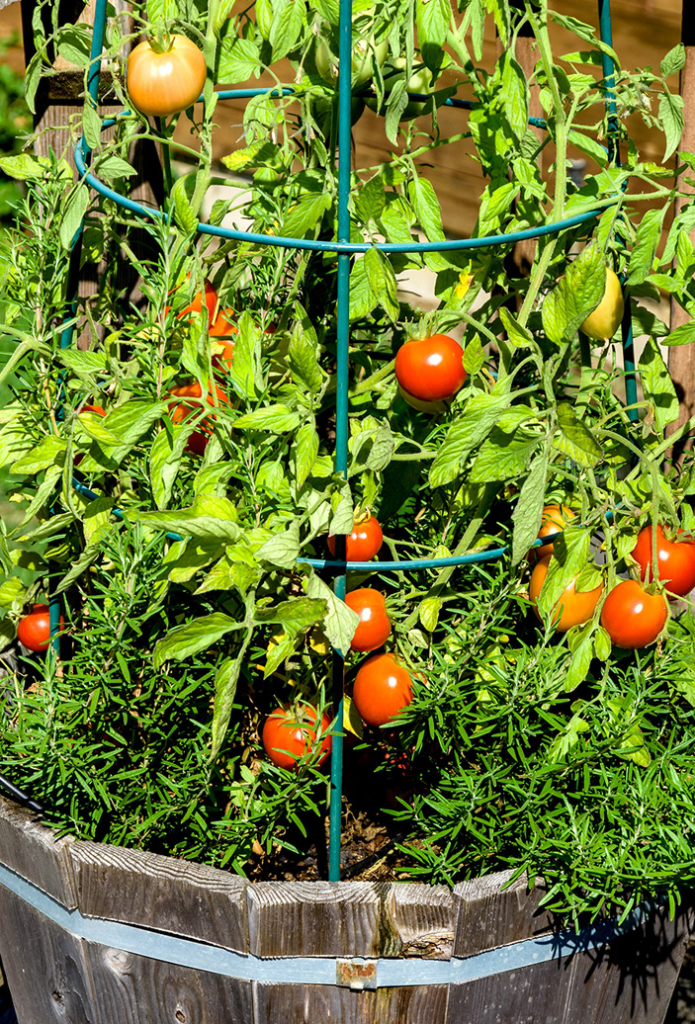
To start planting, select healthy seedlings and gently loosen their roots before placing them in the prepared pot. Ensure the container is already filled with high-quality potting soil enriched with organic matter, leaving about an inch of space from the rim to prevent overflow during watering. Remove the lower leaves from the stem of the seedling to encourage stronger root growth, and plant it deeply so that part of the stem is buried under the soil. This promotes a more robust root system, helping the plant anchor itself and absorb nutrients effectively.
After planting, water the soil thoroughly to settle it around the roots. Maintaining consistent moisture is key during the initial stages of growth, so water the plant whenever the top inch of soil feels dry to the touch. Avoid letting the soil dry out completely, as this can stress the young plant. Use a watering can with a gentle spout to avoid disturbing the soil surface or damaging the plant.
Place the pot in a location that receives at least 6-8 hours of direct sunlight daily, as tomatoes are sun-loving plants. For early growth, you can also add a layer of mulch on top of the soil to retain moisture and regulate temperature. Fertilizing every two weeks with a balanced liquid fertilizer provides essential nutrients to support healthy development. Be mindful not to overwater or overfertilize, as both can harm the plant. Regularly check the seedlings for signs of stress or pest activity, taking action early to prevent potential setbacks.
Ongoing Care and Maintenance
Regularly check your tomato plants to ensure they are growing well and free from issues. Keep an eye on the soil’s moisture level, watering deeply whenever the top inch feels dry. Overwatering can lead to root problems, so ensure the container has proper drainage. Mulching can help retain soil moisture and regulate temperature, reducing the need for frequent watering.
As the plants grow taller, provide proper support using stakes, cages, or trellises to prevent stems from bending or breaking under the weight of the fruit. Tie the stems gently with soft ties to avoid damaging them. Remove any lower leaves that come into contact with the soil to improve air circulation and reduce the risk of disease.
Pruning is important for healthy growth and better fruit production. Pinch off suckers, which are small shoots that develop in the space between the main stem and branches, as they can divert energy away from fruit development. Avoid excessive pruning, as the plant needs enough leaves to photosynthesize and support growth.
Inspect the leaves and stems for any signs of pests or diseases. Common pests include aphids, spider mites, and whiteflies. Treat infestations promptly with organic solutions like insecticidal soap or neem oil. For disease prevention, avoid wetting the foliage during watering and remove infected leaves immediately.
Harvesting and Beyond
Tomatoes reach their peak flavor and nutritional value when harvested at the right time. Check for a rich, even color that matches the variety you’re growing, whether it’s red, yellow, orange, or another shade. The fruit should feel slightly firm but yield gently under pressure. Twist the tomatoes off the vine carefully or use pruning shears to avoid damaging the plant. Harvesting regularly not only prevents overripe fruit from attracting pests but also encourages the plant to produce more tomatoes.
If cooler weather or frost is approaching, you can pick green tomatoes and allow them to ripen indoors. Place them in a warm, dry area, ideally away from direct sunlight, and consider putting them in a paper bag with a ripe banana to speed up the ripening process. For those aiming to enjoy fresh tomatoes year-round, consider propagating cuttings from your existing plants and growing them indoors with sufficient light.
Once the harvest is complete, you can prepare the pots for the next growing season by discarding the used soil and sanitizing the containers to remove any lingering pests or pathogens. For a sustainable approach, use healthy plant remnants in compost, enriching the soil for future gardening endeavors. Extend your harvest possibilities by exploring dwarf or determinate varieties suited for fall or winter planting.
Troubleshooting Common Problems
Tomato plants in pots can encounter a few challenges, but most are manageable with timely interventions. If leaves turn yellow, this may signal a nutrient imbalance. Applying a balanced fertilizer or incorporating compost can help restore essential nutrients. For blossom end rot, caused by calcium deficiency and irregular watering, ensure consistent soil moisture and consider using a calcium-rich fertilizer to prevent recurrence.
If your plants fail to produce fruit, the issue might be related to pollination. Gently shaking the plant or using a small brush to transfer pollen can help mimic natural pollinators. Heat stress can also hinder fruit set; during hot spells, provide partial shade to keep plants cooler.
Pests like aphids, spider mites, or whiteflies can harm tomato plants. Regularly inspect the leaves and stems, especially the undersides, and address infestations early using insecticidal soap or neem oil. Diseases, such as fungal infections, may appear if the foliage remains damp. Water the soil directly rather than the leaves and remove infected parts promptly to prevent spreading.
Proactively monitoring your tomato plants and addressing issues as they arise will support their health and productivity, ensuring a successful harvest.